


Author
Tsvetana Toncheva
News
Highlights of Bulgarian musical culture
Pancho Vladigerov – Bulgarian Suite, Op. 21
Friday 13 March 2026 11:25
Friday, 13 March 2026, 11:25
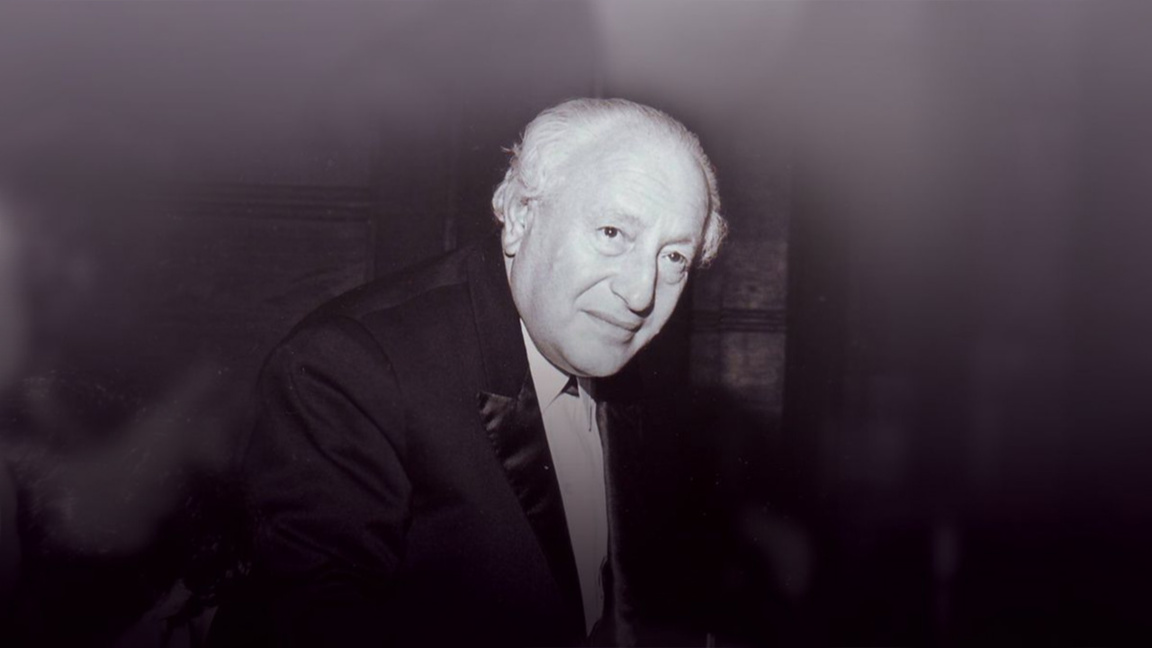
Pancho Vladigerov (1899 – 1978)
PHOTO sofiaphilharmonic.com
Font size
In Bulgarian music scholarship, Pancho Vladigerov is often described as the “patriarch of Bulgarian music” and as one of the most prominent figures of the national musical school. Among the country’s great composers, his style stands out for its finely attuned ear to folk elements and the virtuosity with which he transforms them into orchestral sound. Yet scholars agree that the most striking feature of Vladigerov’s music is its “lavish sonic splendour.”
Pancho Vladigerov and his twin brother Lyuben moved to Berlin at the age of thirteen to study. They returned briefly to Bulgaria to complete their military service, giving dozens of concerts across the country during that time, at which Vladigerov also presented his own compositions. Both audiences and critics praised the young composer, placing great hopes in him as a future figure of Bulgarian classical music.
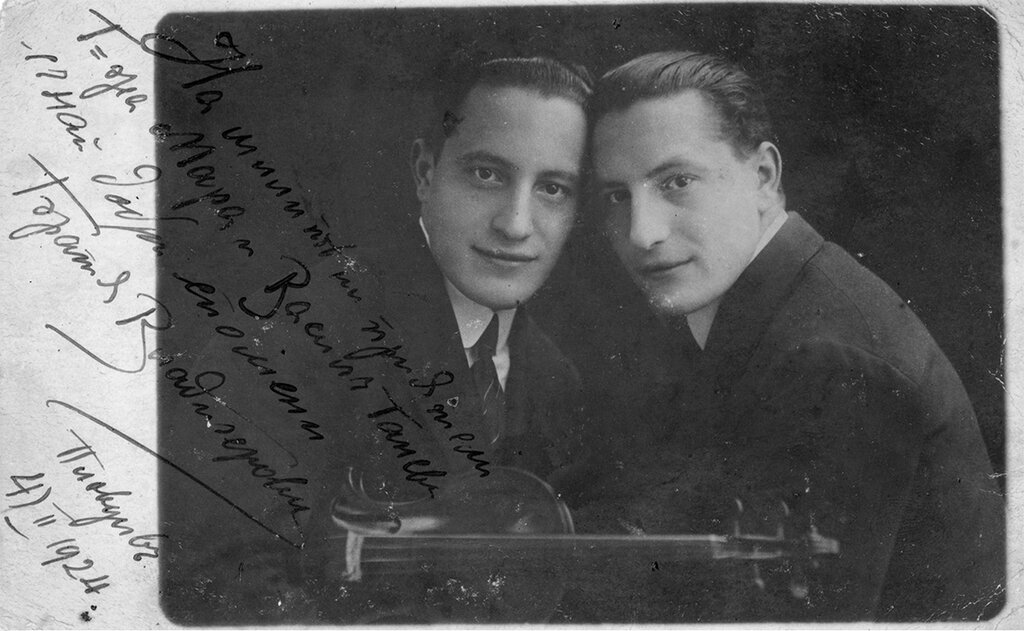
Liuben and Pancho Vladigerov
PHOTO Family archive of Maria Ganeva
From 1920 Vladigerov continued his studies at the Berlin Academy of Arts. In 1922, at the beginning of his first and remarkably productive creative period, he composed Bulgarian Rhapsody Vardar, a work that remains one of the most recognisable emblems of Bulgarian national music. The piece vividly shows how the 23-year-old composer shaped his distinctive style, drawing on the rich resources of Bulgarian folklore — melodic and rhythmic idioms, characteristic ornaments and performance techniques — transformed through his own harmony, texture and orchestration.
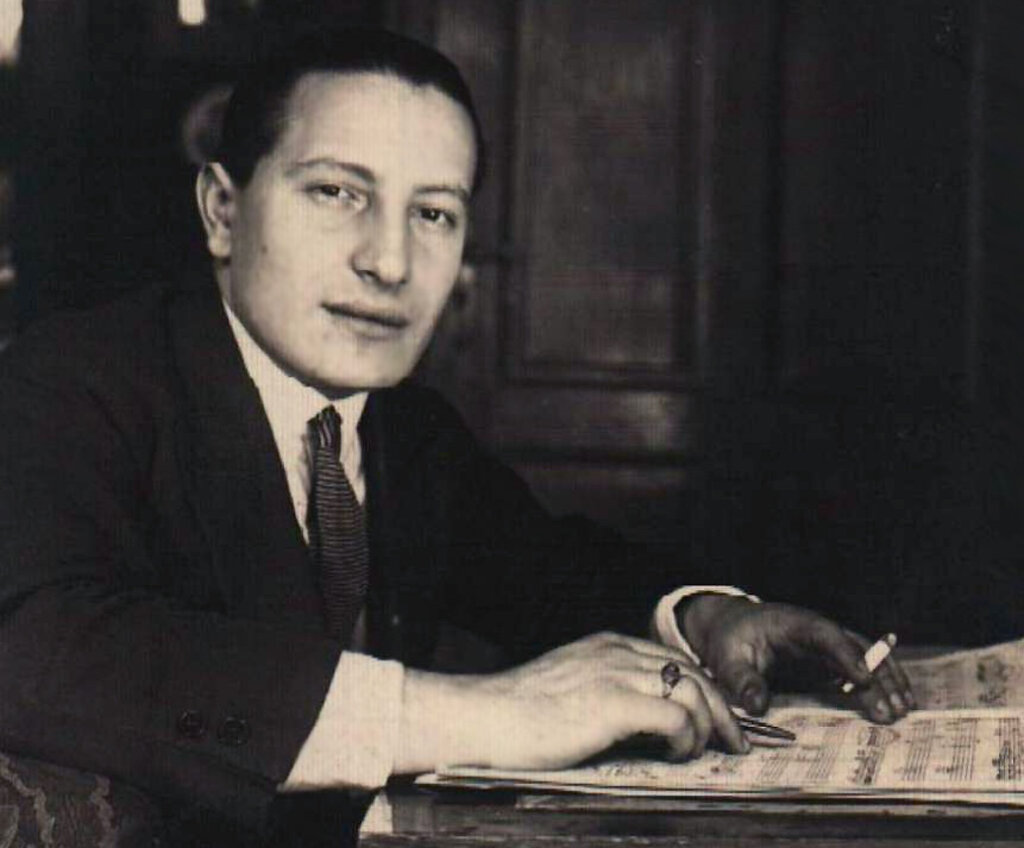
Composer Pancho Vladigerov at the Bulgarian State Conservatory in Sofia.
PHOTO The State Archives Agency
Among the works Vladigerov wrote in Germany in the following years are Bulgarian Suite and Seven Symphonic Bulgarian Dances, both brilliant examples of the path he charted—one that would later be followed by other Bulgarian composers of his generation seeking to shape what they called the “Bulgarian style.”
The original version of Bulgarian Suite, Op. 21, for solo piano dates from 1926, with the orchestral version completed the following year. Its four movements — March, Song, Horo (a traditional chain dance) and Rachenitsa (an energetic folk dance) — are built on authentic Bulgarian folk motifs and are dedicated “To My Homeland.”
- “Song” from Bulgarian Suite, Op. 21, performed by piano duo Aglika Genova and Lyuben Dimitrov:
Still immensely popular today, the suite was described by Vladigerov himself as a “cornerstone” of his creative work. The second movement, Song, is a true jewel of Bulgarian classical music. With its irresistibly beautiful melody, the piece remains firmly in the repertoire of Bulgarian instrumentalists and is especially beloved by violinists, who often include it in recital programmes or play it as an encore.
- “Song” from Bulgarian Suite, Op. 21, performed by Svetlin Roussev and Elena Rozanova:
Although Bulgarian musicians are widely regarded as the definitive interpreters of Vladigerov’s music, this edition of Highlights of Bulgarian Musical Culture features a performance by the renowned violinist Dina Schneidermann. She is often described online as a Swedish violinist, yet her story is more complex. Born in Odessa in 1931, Schneidermann studied at the Moscow Conservatory under the legendary David Oistrakh.
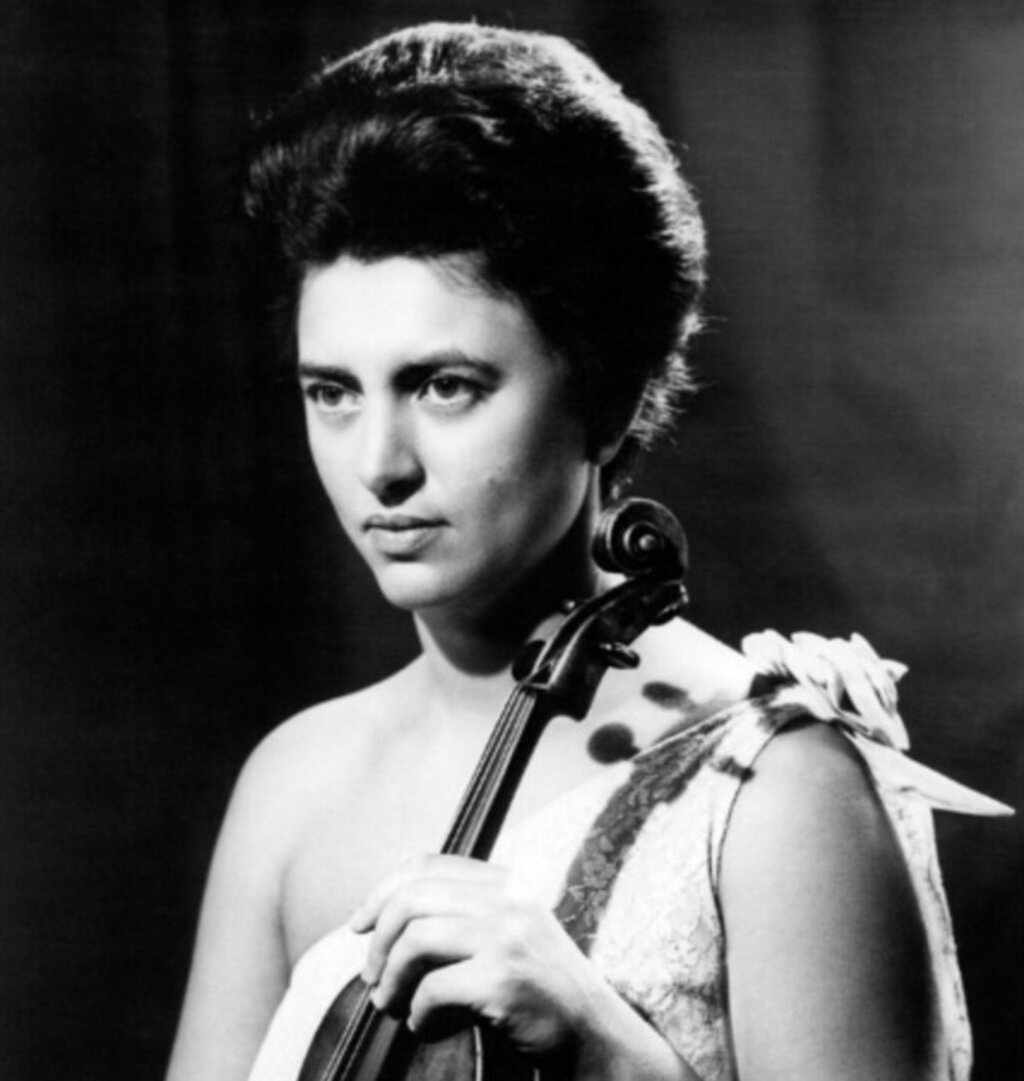
Dina Schneidermann (1931 – 2016)
PHOTO Facebook/festival.emilkamilarov
In 1955 she married the Bulgarian violinist Emil Kamilarov, and the couple settled in Bulgaria. Until the early 1980s Kamilarov and Schneidermann, both laureates of prestigious competitions, gave numerous concerts and were favourites with audiences and critics alike. In 1982 they moved to Sweden, where they founded a music school in Uppsala while continuing their international concert careers. In Bulgaria, however, their names were placed on a “blacklist”, and their recordings were banned from broadcast.
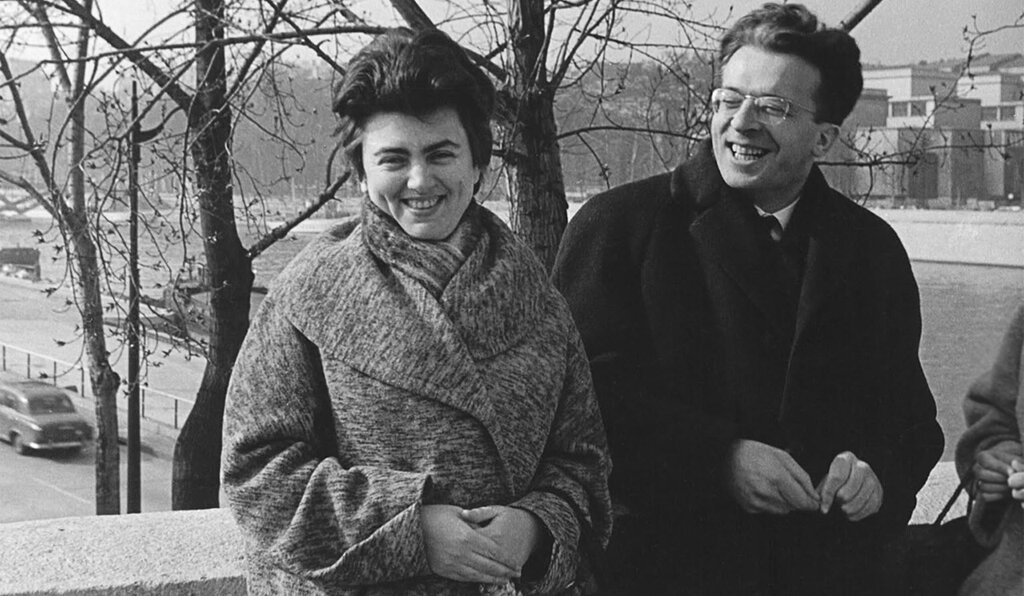
Dina Schneidermann and Emil Kamilarov.
PHOTO Facebook/festival.emilkamilarov
Only in the mid-1990s did Kamilarov and Schneidermann return to the Bulgarian stage.
Their remarkable interpretation of “Song” from Bulgarian Suite, Op. 21—irresistible, powerful and regal, much like Dina Schneidermann herself - was recorded in 1970 with the Bulgarian National Radio Symphony Orchestra, conducted by the composer’s son, Alexander Vladigerov.
Editor: Elena Karkalanova
English: E. Radkova
This publication was created by: Elizabeth Radkova