


Saturday 14 March 2026 10:00
Saturday, 14 March 2026, 10:00

PHOTO eui.eu
Font size
The European Union Emissions Trading System (ETS) is a key tool for modernizing industry, reducing carbon emissions, and providing financial resources for investment in the green transition, caretaker Minister of Environment and Water Julian Popov said during the forum “Regional Energy Summit: Infrastructure, Innovation, Integration” in Sofia, the Ministry of Environment and Water said in a press release.
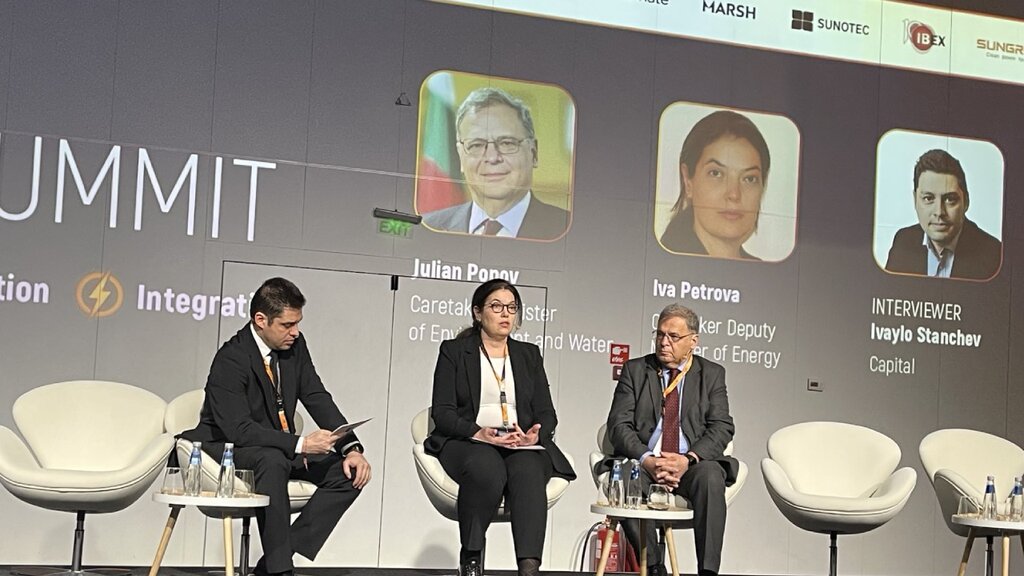
Minister of Environment and Water Julian Popov took part in the forum 'Regional Energy Summit: Infrastructure, Innovation and Integration' in Sofia.
PHOTO Ministry of Environment and Water
According to Minister Popov, Bulgaria has a strong interest in participating in ETS because the system encourages emissions reductions and provides significant revenue for member states to modernize the industry and invest in clean technologies. Bulgaria could secure substantial financial resources through ETS-2 and related European mechanisms, including the Social Climate Fund. Julian Popov explained that electrification of final consumption – the gradual replacement of fossil fuels in transport, heating, and industry with electricity – is a key indicator of economic modernization and greenhouse gas emission reduction. The share of electrification in final consumption in the EU is around 21%–22%, while in China it reaches 32%–33%. Bulgaria performs relatively well at around 27%, which creates favourable conditions for industrial development.
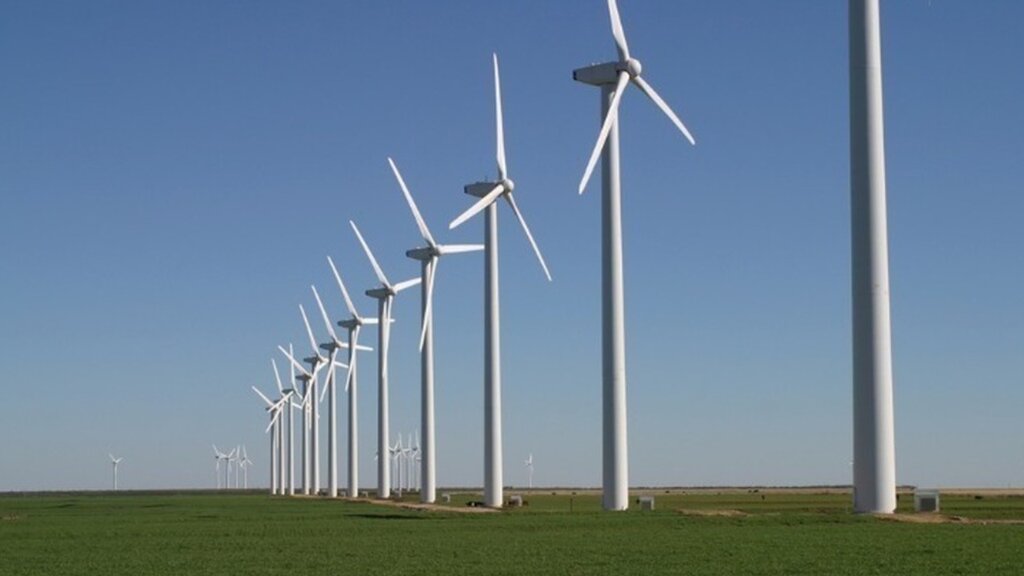
PHOTO BTA
Minister Julian Popov also commented the gradual decline of the coal industry, noting that “this is not a political decision, but an economic reality.” In his view, coal-fired facilities should remain as a strategic reserve, given the existence of wars and extreme situations worldwide. Juian Popov also highlighted that Bulgaria lacks sufficient gas and oil resources but has the capacity to recycle valuable materials, and that retaining these resources in Europe is important for resource security and industrial development.
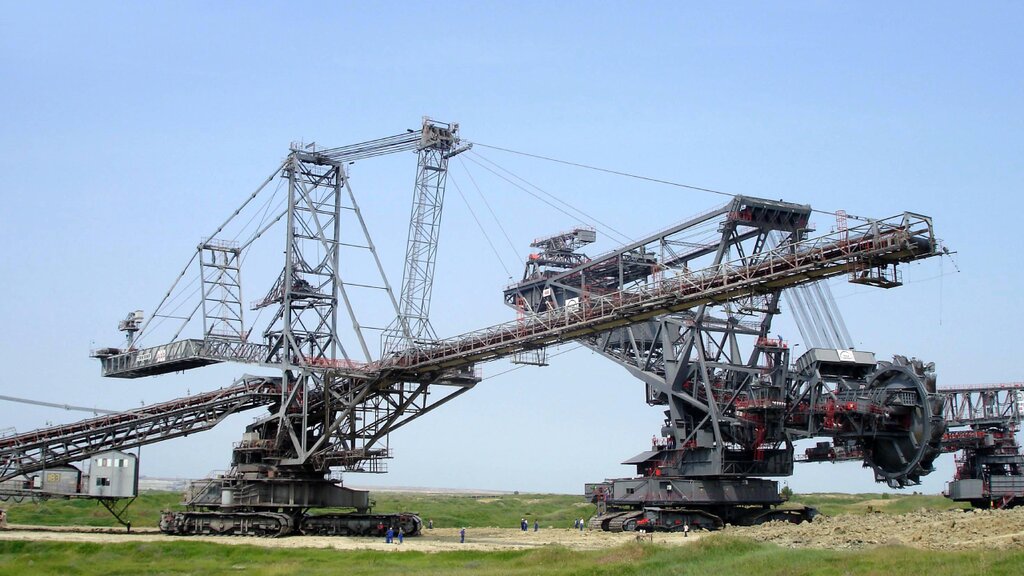
PHOTO marica-iztok.com
Edited by Tsvetana Toncheva
Translated by Kostadin Atanasov
This publication was created by: Kostadin Atanasov