


“Graf Ignatievo” - the home of the Bulgarian Air Force marks 75 years
Tuesday 17 March 2026 14:21
Tuesday, 17 March 2026, 14:21
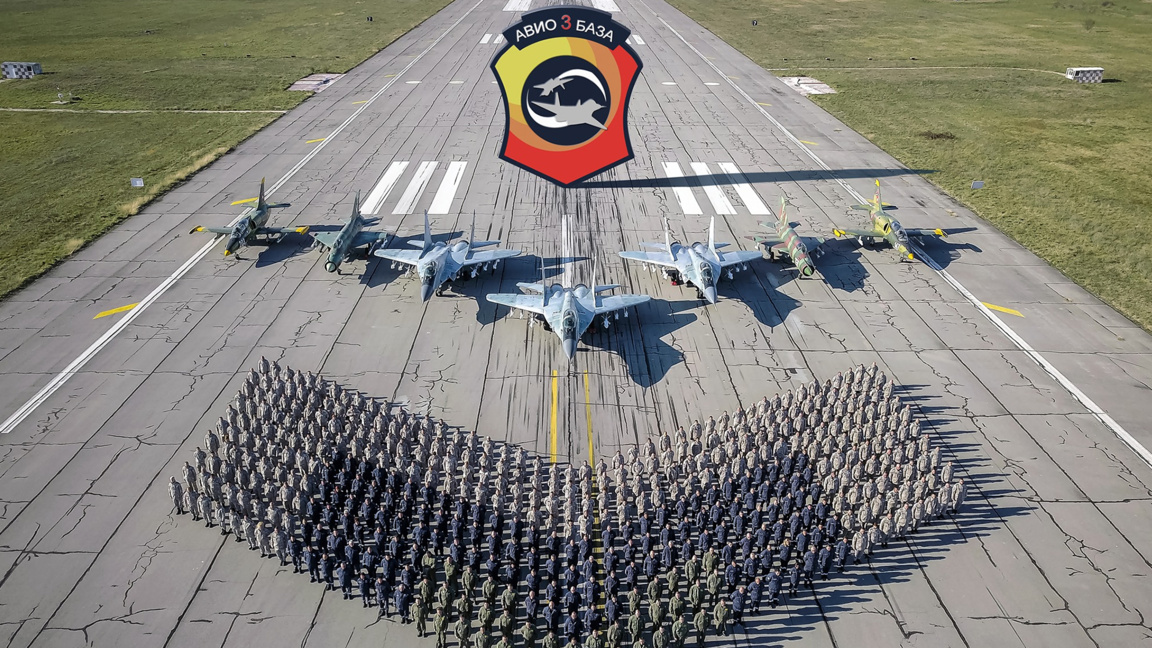
PHOTO armymedia.bg
Font size
At a time of military conflicts and an international order increasingly shaped by militаry power, one of the key symbols of the Bulgarian Air Force - the Graf Ignatievo Air Base - marks its 75th anniversary. This is not merely the anniversary of a military complex, but a milestone emblematic of the development of Bulgaria’s fighter aviation. From the early years of the jet age to the deployment of modern fighter aircraft in the 21st century, the base remains, to this day, the heart of Bulgaria’s combat aviation.
Its history dates back to 1940, when the Third Squadron of the First Army Air Regiment, based in Bozhurishte near Sofia, was redeployed to Graf Ignatievo.
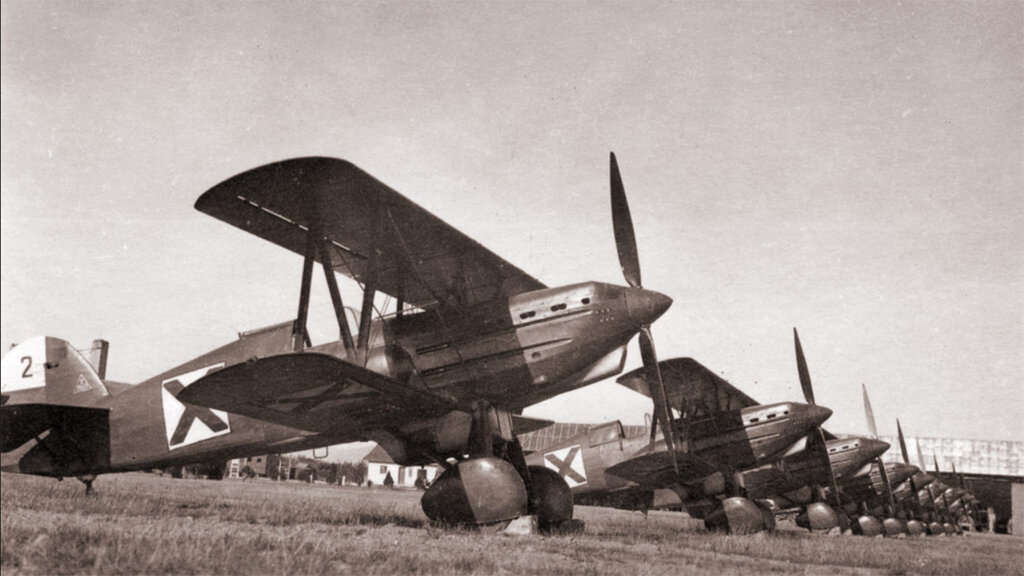
Fighter aircraft Avia B.534 "Dogan"
PHOTO pan.bg
Immediately after World War II, Bulgaria began the intensive development of its fighter aviation, creating the need for a permanent and suitably equipped airfield. A site near the city of Plovdiv was selected - the village of Graf Ignatievo, named after the Russian diplomat, general, and statesman Count Nikolay Pavlovich Ignatiev, who played a significant role as Russia’s ambassador in Constantinople in the lead-up to the Russo-Turkish War (1877-1878) and in the signing of the preliminary Treaty of San Stefano, in violation of Russia’s secret commitments under the Reichstadt Agreement.
The location was not chosen at random. Situated in central Bulgaria, with predominantly flat terrain and expansive open space, it was ideally suited for the construction of long runways and allowed aircraft to reach any point in the country relatively quickly. This remains a key factor in safeguarding national airspace to this day.
The modern history of the air base begins on March 17, 1951, when, by official state decree, the 19th Fighter Aviation Regiment was established at Graf Ignatievo air base. This marked the introduction of jet aviation in Bulgaria. In the decades that followed, the skies over Thrace became home to a number of iconic aircraft, most notably from the MiG family.
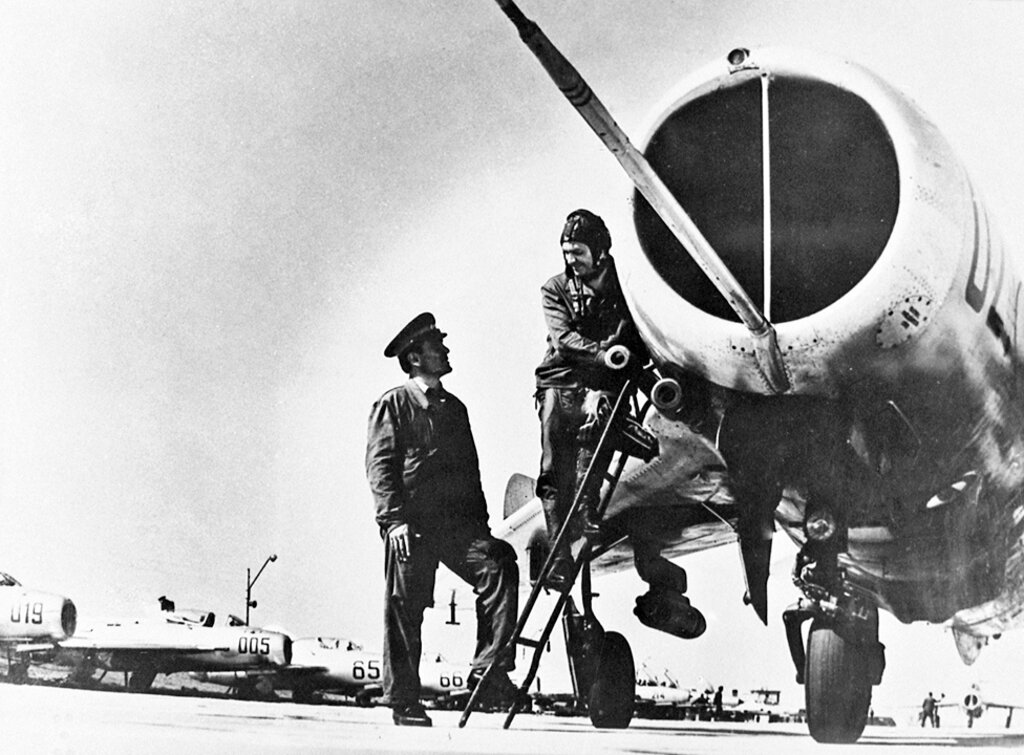
PHOTO Archive BTA
During the Cold War, the base was a crucial element of Bulgaria’s air defense system and of the Warsaw Pact. At Graf Ignatievo, the Bulgarian Air Force carried out its first night training flights and operations in complex meteorological conditions. The base also witnessed the country’s first supersonic flight, first ejection, and first live-fire exercises. Fighter aircraft from the base took part in the so-called “balloon campaign,” intercepting hostile balloons that had entered Bulgarian airspace. It was here that the methodological foundations of Bulgarian fighter aviation were established. Since 1952, pilots from the base have maintained continuous combat readiness duty.
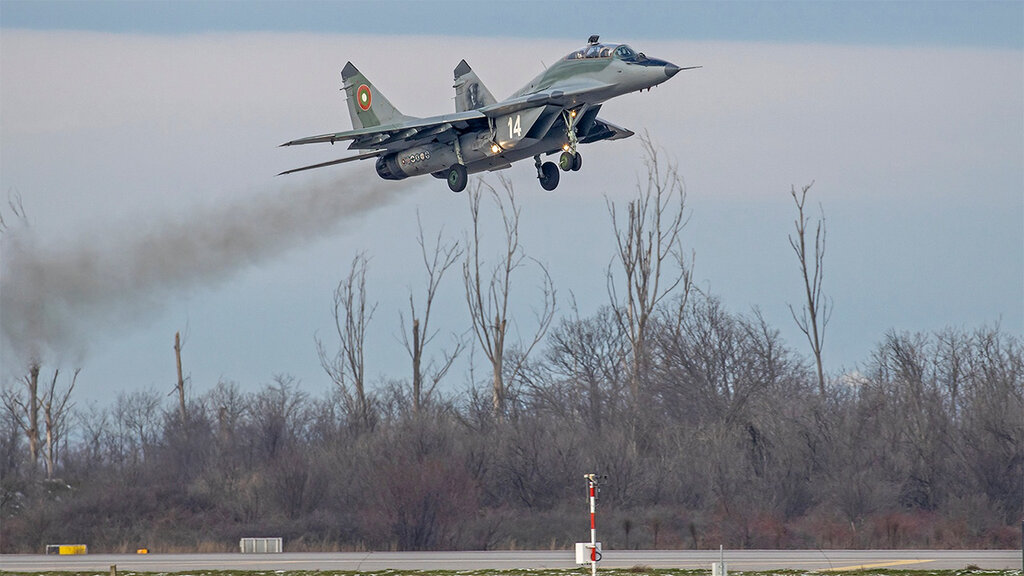
PHOTO Facebook/Bulgarian Air Force
Following the end of the Cold War and subsequent reforms in the Bulgarian armed forces, the Graf Ignatievo airbase gradually became Bulgaria’s primary and sole fighter airbase. This significantly increases its importance for national security and for the protection of the country’s airspace.
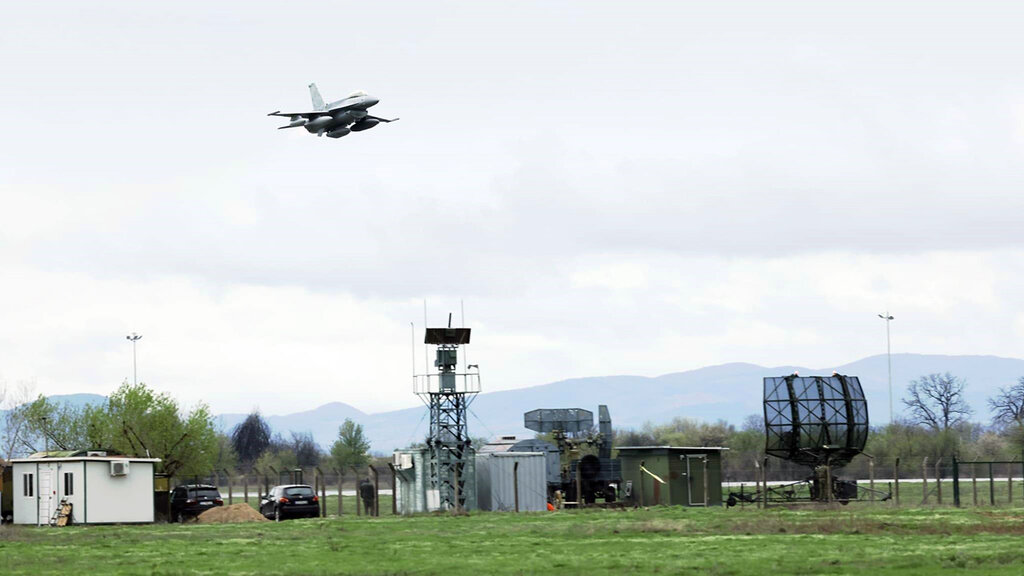
PHOTO BGNES
A new chapter began after Bulgaria’s accession to NATO in 2004, when Graf Ignatievo Air Base became actively involved in air policing missions and joint exercises with allied nations.
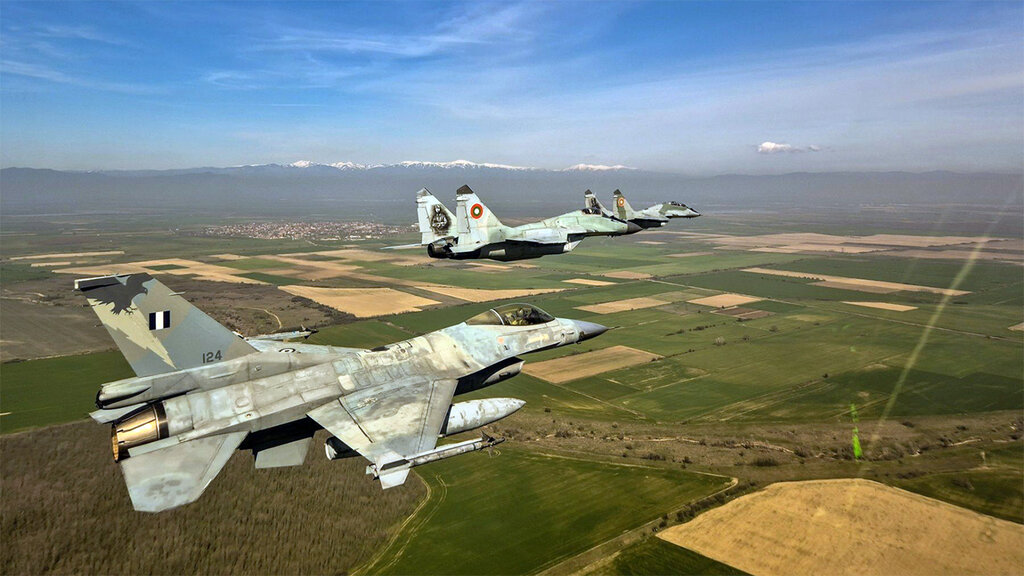
PHOTO Facebook/Bulgarian Air Force
Today, Graf Ignatievo Air Base is also at the center of the most extensive modernization of the Bulgarian Air Forces. With the acquisition of 16 new multi-role F-16 Block 70 fighter aircraft, the base is undergoing a comprehensive upgrade - including modernized infrastructure, new hangars, and advanced technical systems.
In 2019, Bulgaria paid nearly €1.1 billion for the first eight aircraft of the F-16 Block 70 series. Due to the COVID-19 pandemic, deliveries were delayed by several years, with the final two aircraft from the initial order arriving in December 2025. The aircraft are designed for a service life of 12,000 flight hours.
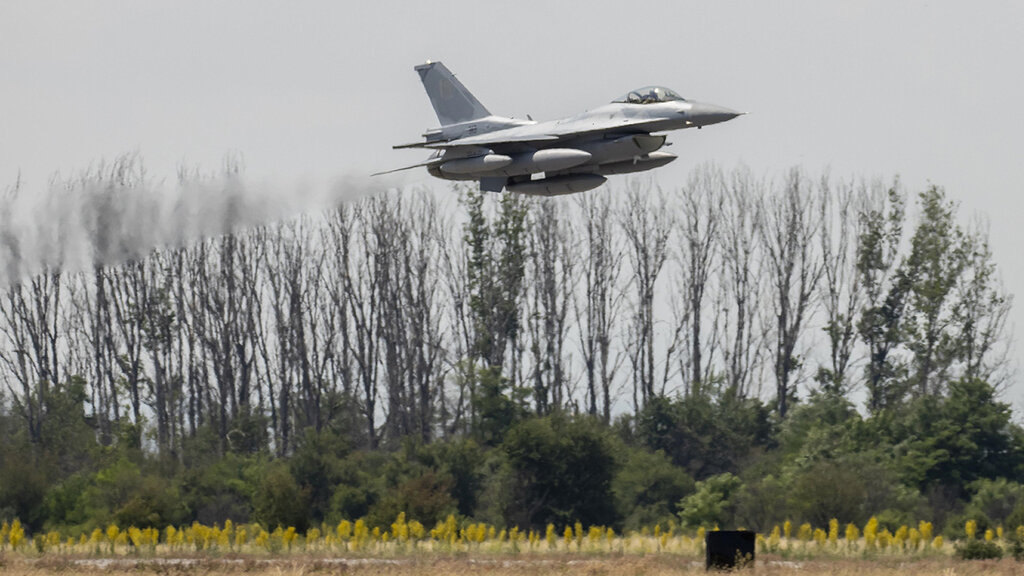
PHOTO BGNES
By the end of 2027, the manufacturer Lockheed Martin is expected to deliver an additional eight fighters, for which Sofia is paying over €1.2 billion in installments. In 2020, the Bulgarian government allocated more than €153 million for the modernization of the base’s infrastructure, with an additional €120 million approved in 2025 to complete the upgrades.
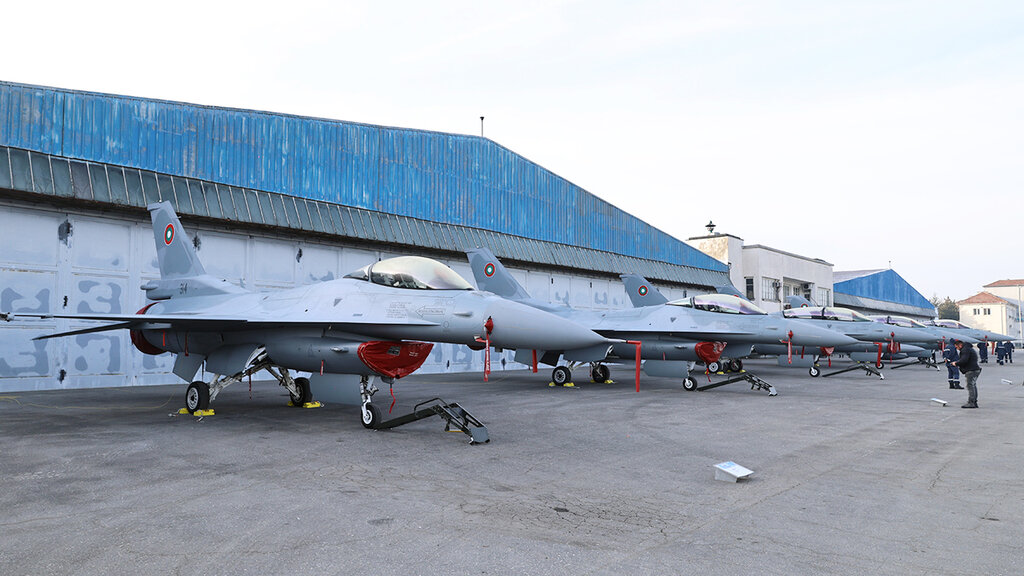
F-16 Block 70 fighters at Graf Ignatievo Air Base
PHOTO BTA
Yet regardless of technological advancements and infrastructure improvements, it is ultimately the people who stand behind the aircraft. For decades, Graf Ignatievo Air Base has been home to generations of pilots, engineers, and aviation specialists who bear the responsibility of safeguarding Bulgaria’s skies. They are the custodians of continuity between past and future - the individuals who continue to write the history of Graf Ignatievo Air Base.
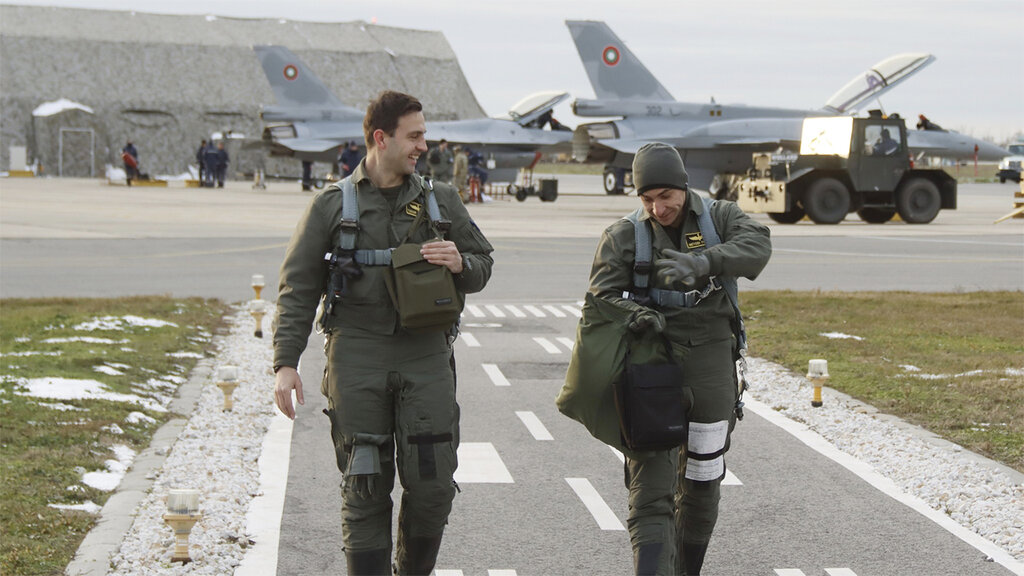
PHOTO Facebook/Bulgarian Air Force
Photos: BTA, BGNES, pan.bg, armymedia.bg, Facebook/Bulgarian Air Force
Edited by Vesela Krasteva
English version: R. Petkova
This publication was created by: Rositsa Petkova