


News
Bulgaria faces new early elections – we give the floor to citizens of Pleven
Tuesday 17 March 2026 14:47
Tuesday, 17 March 2026, 14:47
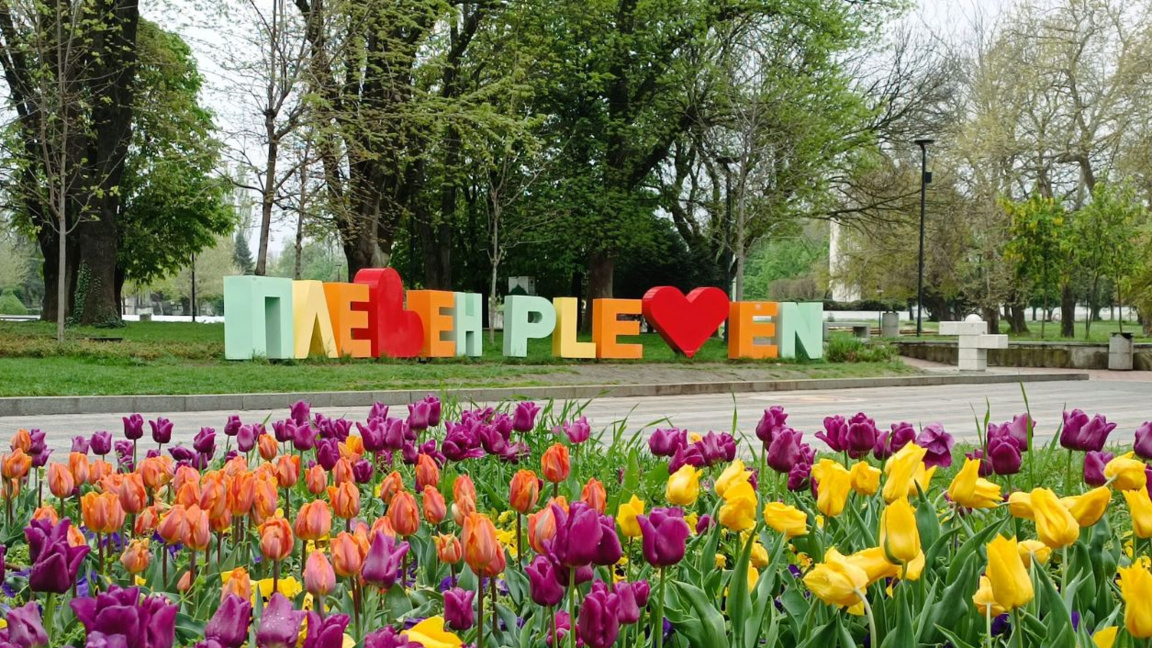
PHOTO Pleven Municipality
Font size
The city of Pleven is one of Bulgaria’s key cultural, educational, economic and transport centres. It is the administrative centre of the municipality of the same name in northern Bulgaria and, according to the latest census, has a population of over 88,500, ranking it seventh in the country.
Pleven is a popular tourist destination and is often referred to as the “city of museums”. It is home to the unique 'Pleven Epic of 1877' panorama, and the art museum is one of dozens of monuments built by locals in memory of Russian, Romanian and Bulgarian soldiers who died fighting for the country's liberation. Recently, however, it is not museums but the daily lives of residents that have been making headlines. The city was among the worst affected by water shortages in the summer of 2025. Proposals to address this vital issue are a key factor for voters when choosing their parliamentary representatives. The region elects eight MPs.
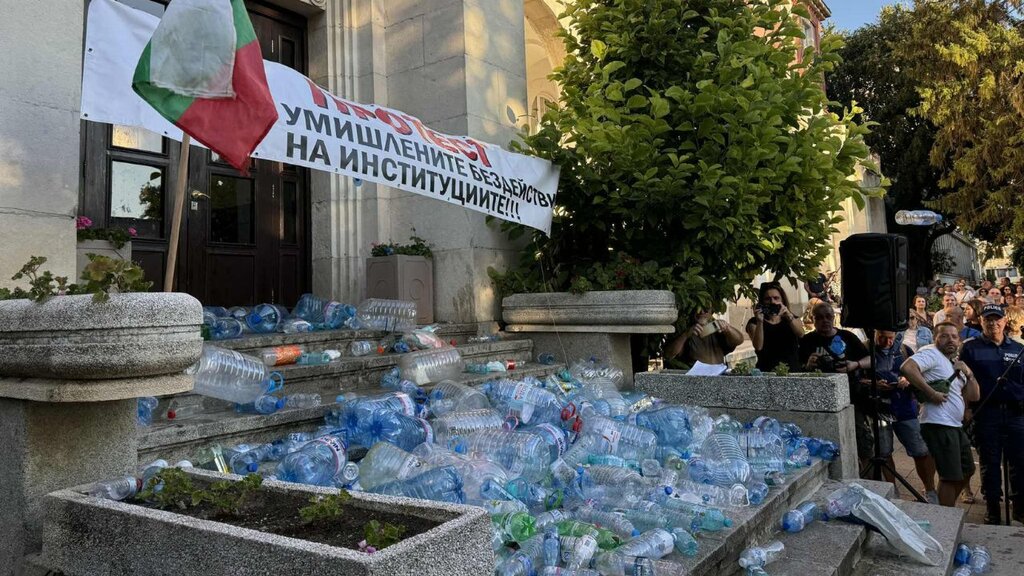
A protest over water rationing regime in Pleven.
PHOTO BGNES
‘A prolonged and severe water rationing regime, poor roads and low-quality repairs, the decades-long construction of the Hemus motorway and a city lacking proper sports infrastructure. These are just some of the problems facing people in the Pleven region. Add to this the lack of jobs or very low pay, and it becomes clear why more than 70,000 people have left Pleven during the transition period,' said the BNR correspondent in the city, Latinka Svetozarova. 'All of this is on the agenda for MPs - for those who will be seeking the support of Pleven residents on 19 April.'
What are local attitudes towards the upcoming elections, and why are some describing them as pivotal for the country's development? The answers come from a survey conducted as part of BNR’s pre-election series, 'Bulgaria faces new early elections'.
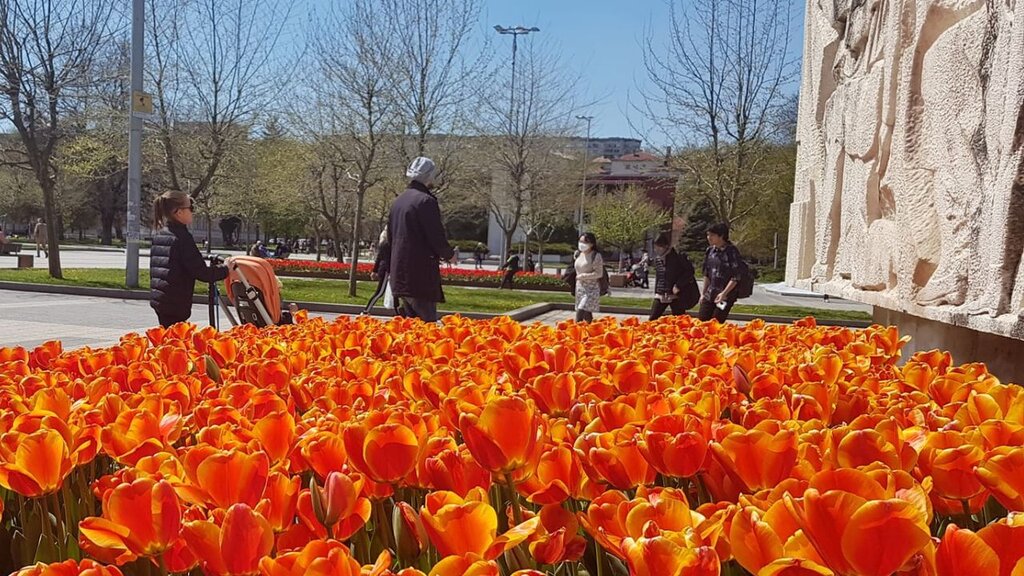
PHOTO Pleven Municipality
'It has become fashionable to keep candidate lists hidden until the last moment. There are always surprises with parliamentary candidates. Some parties even keep their programmes secret. Perhaps we will only find out what we have chosen after electing them,” commented one Pleven resident on the situation ahead of another early vote, in which a new player is entering the race: the party of former head of state Rumen Radev. So far, however, almost nothing is known about its political programme.
'As for the so-called new players in politics, in my view, people who have been in politics for ten years are not new. Where they will lead things remains to be seen. I miss clear positions from the parties - most of them play dirty and dig up scandals, but I don’t see what they actually want to do or change,” the citizen added.
The one-month election campaign begins on March 20, but voters often do not have enough time to assess whether campaign promises are realistic. Despite this, there are hopes that more people will turn out to vote. ‘People should vote. For me, that is essential,’ the interviewee said.
At this stage, pollsters predict that five or six parties will enter the 52nd National Assembly, with voter preferences favouring the party of the former president.
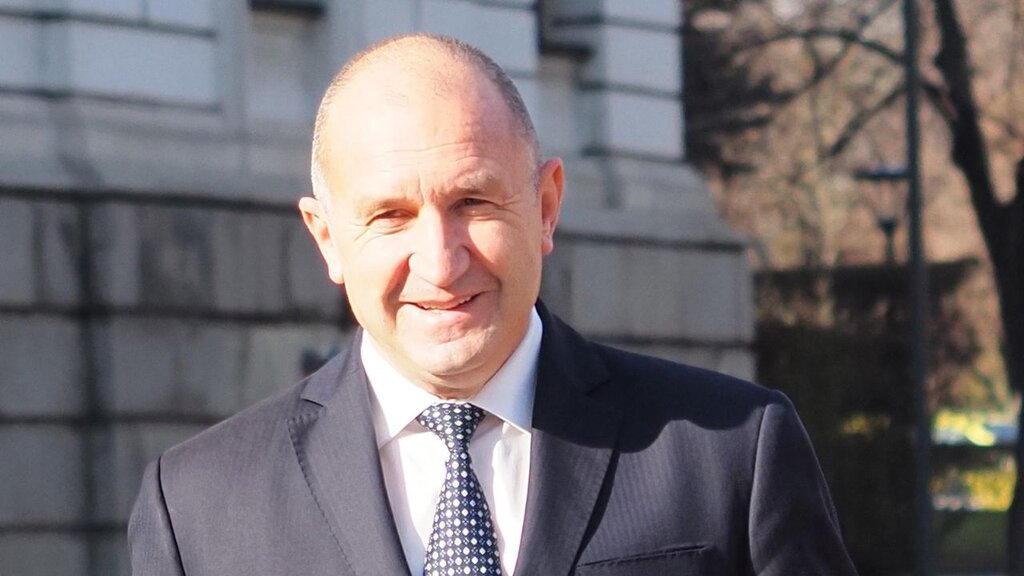
Rumen Radev
PHOTO BGNES
‘Radev’s party is expected to become the leading political force. I hope this will bring about some change, however small, because we have to be realistic — a complete change is impossible,” said one respondent to the Pleven survey.
'If Radev manages to at least stir the waters of the Bulgarian political swamp a little, I would personally be satisfied,” the citizen added, expressing scepticism about the fairness of the vote: ‘We will see the same old dirty tricks as in previous elections - vote buying, falsified protocols…’
Higher voter turnout would reduce the impact of vote buying, but some believe that people are tired of repeated elections - these will be the seventh early parliamentary elections since 2021.
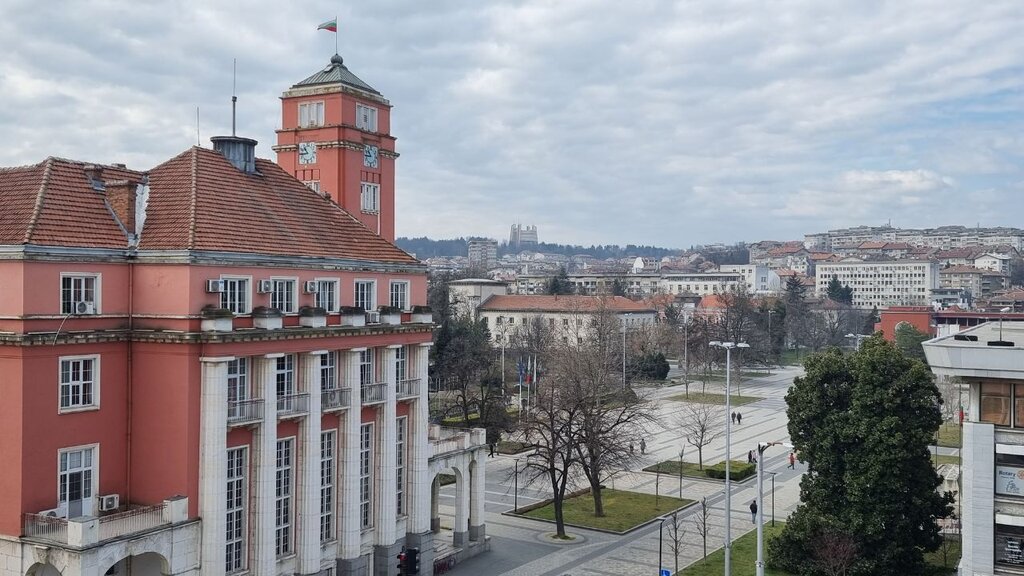
PHOTO BTA
‘I don’t think many people will vote, precisely because there are elections again and people are fed up,’ said a young woman from Pleven.
‘In the past, people were interested in elections and would plan to be in town so they could vote. Now, most people don't even care when elections are held. I think turnout will keep falling. Still, people should vote.”
Distrust, disillusionment and the belief that political figures in Bulgaria pursue personal interests are evident in the survey. Yet there are also those who will vote for the first time, hoping for fundamental change, including a man who describes himself as "the city’s best-known truck driver."
‘I have never voted in my life, but this year I will, so that the entire system of power changes, all of it.’ Educated young people should stay. Then maybe things will change.”
Survey: Latinka Svetozarova, BNR correspondent in Pleven
Text: E. Karkalanova
English: E. Radkova
This publication was created by: Elizabeth Radkova