


Author
Tsvetana Toncheva
Friday 20 March 2026 07:10
Friday, 20 March 2026, 07:10
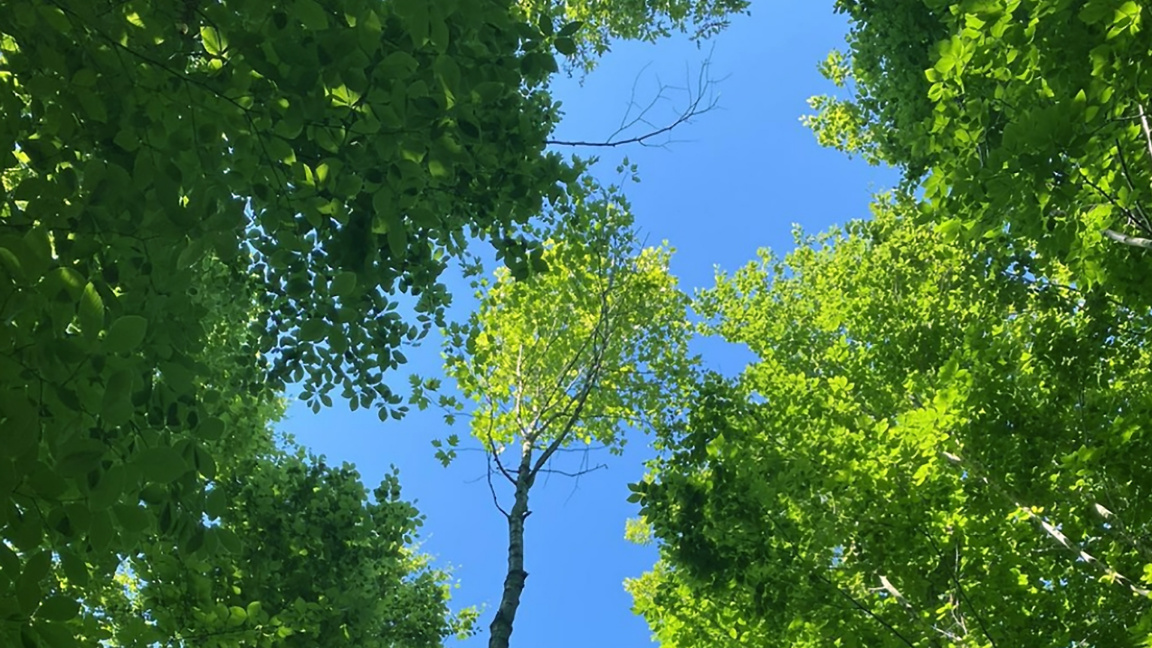
PHOTO archive
Font size
Bulgaria may be a small country, but we take pride in our exceptionally rich folklore, which carries the wisdom of the nation and passes it down through the generations. The diversity of our folk art, besides reflecting Bulgarian creativity, is also due to the fact that Bulgaria is divided into seven distinct folkloric regions: Pirin, Rhodope, Thracian, Shopluk, Northern, Dobrudzha, and Strandzha, each with its own unique features and characteristics.
The smallest of these ethnographic regions, Pirin, located in the southwestern part of the country, is colorful and multifaceted. Themes related to the struggle for liberation are widespread in Pirin, and one of the most popular songs on this topic is the lyrical “Vila sei gora”, in which a classic folk motif – the leafing of the forest – is intertwined with the self-sacrifice and suffering of a young freedom fighter. The moving narrative of “Vila sei gora” has inspired major Bulgarian composers such as Dobri Hristov and Pancho Vladigerov to create choral and solo interpretations of the song.
Gruycho Dochev
PHOTO archive
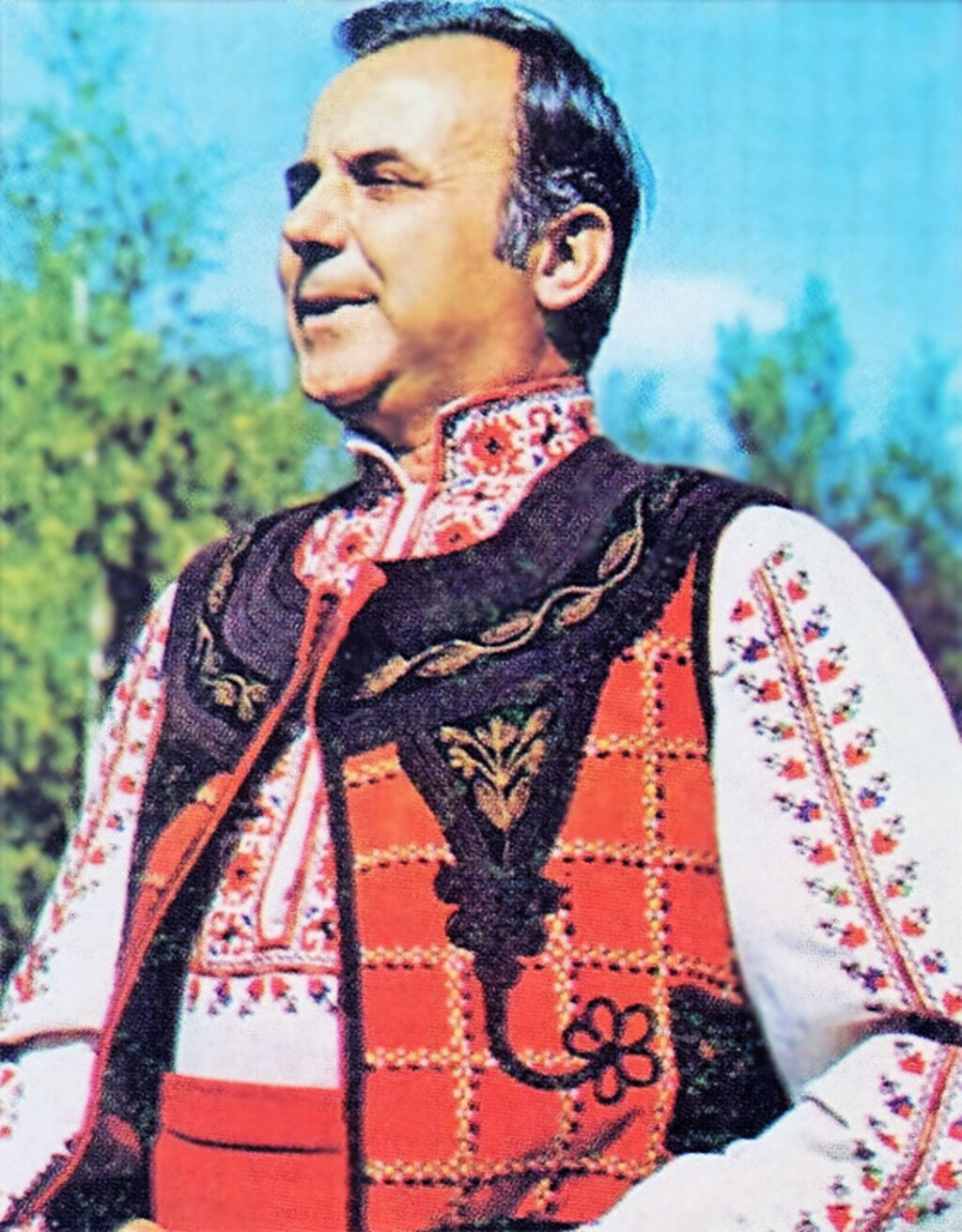
Frequently performed by celebrated Pirin singers like Ruska Stoimenova or Iliya Argirov, the song has also entered the repertoire of distinguished performers from other folkloric regions. One of the most notable examples is the famous Gruycho Dochev, born in Harmanli, who for decades served as singer, dancer, and tupan player in the “Philip Kutev” ensemble. In Gruycho Dochev’s version – representing the Thracian region – under the only tree in the forest that has not blossomed lies a hero with nine grievous wounds, but the tenth wound causes him the greatest pain and ultimately claims his life.
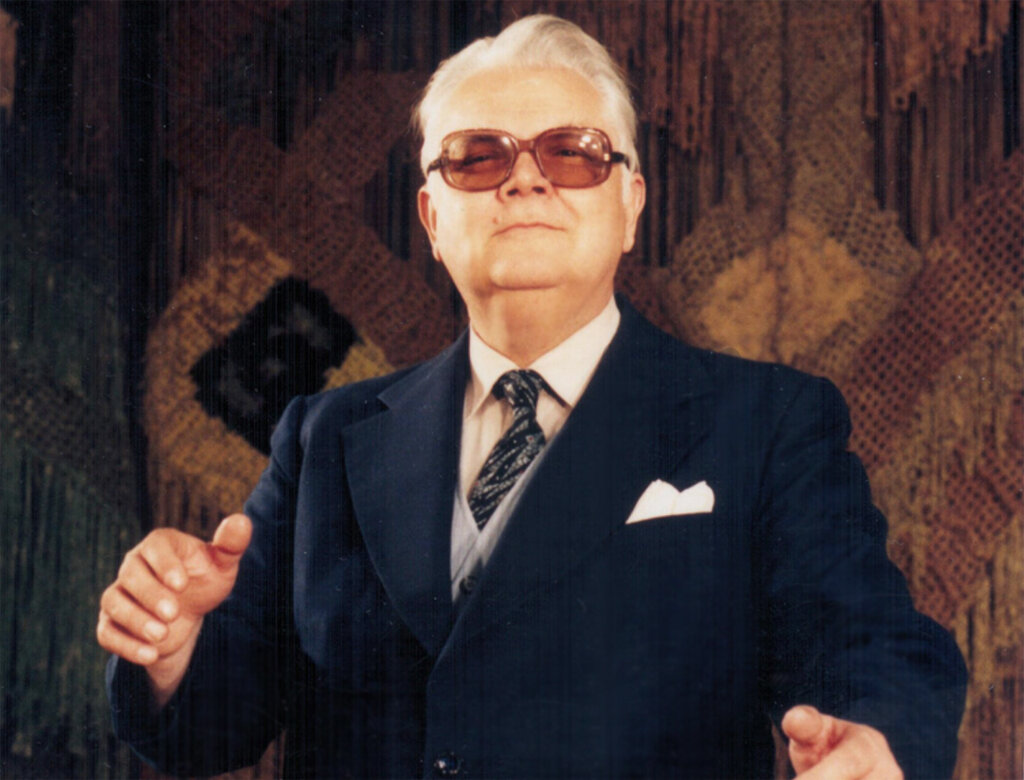
The most popular interpretation of the song about the blossoming forest and the wounded young hero is the iconic choral arrangement by the renowned composer, conductor, scholar, and public figure – Professor Kiril Stefanov. Born in 1933 in the town of Blagoevgrad (Southwestern Bulgaria), he played the violin as a child. In 1956, he graduated from the National Music Academy “Prof. Pancho Vladigerov”, majoring in choral conducting, and was immediately appointed chief artistic director and conductor of the choir in the Pirin State Ensemble for Folk Songs and Dances, founded two years earlier in his hometown.
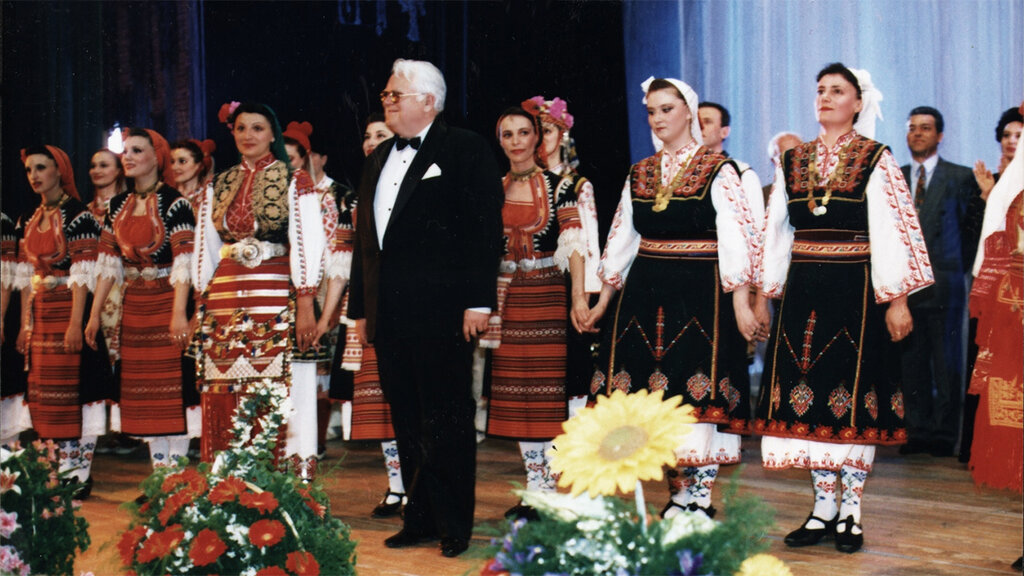
With this ensemble, Kiril Stefanov held over 6,000 concerts in more than 50 countries across all continents. The audience exceeded six million listeners and spectators. Glowing reviews of their performances were published in over 100 publications from England, Italy, Germany, Russia, Lebanon, Tunisia, the USA, Argentina, Australia, Japan, India, and other countries.
Professor Kiril Stefanov
PHOTO Facebook/Pirin.Ensemble.Blagoevgrad
Kiril Stefanov is a professor of choral conducting. His diverse body of work includes original songs for various vocal ensembles, over 750 arrangements for folk choirs, orchestral pieces, large suites based on folk motifs for choir, orchestra and dance ensembles, arrangements of folk songs for soloists and orchestra, and theatrical music. He is credited with introducing the multi-genre spectacle as a form for presenting Bulgarian folklore to audiences. His work with the Pirin State Ensemble for Folk Songs and Dances serves as a benchmark for contemporary Bulgarian compositional work for folk ensembles.
Prof. Kiril Stefanov with the Pirin Ensemble
PHOTO Facebook/Pirin.Ensemble.Blagoevgrad
In the preface to his
collection Folk Songs from the Pirin Region, Kiril Stefanov exclaims:
"The songs of Pirin! Are they not a living fire of the eternal folk soul!
In them, the crystal-clear springs of love for family and homeland, for all
that is Bulgarian, ring out with their bells…"
Kirill Stefanov’s arrangement of the Pirin gem ''Vila sei gora'' resonates with pure love for all that is Bulgarian, brought to life by the voices of the talented young women from the choir of Pirin Ensemble.
Translated by Kostadin Atanasov
This publication was created by: Kostadin Atanasov