


Ramazan Bayram brings Muslim families together in Bulgaria
Tradition and flavour take centre stage, with baklava on every table
Friday 20 March 2026 06:40
Friday, 20 March 2026, 06:40
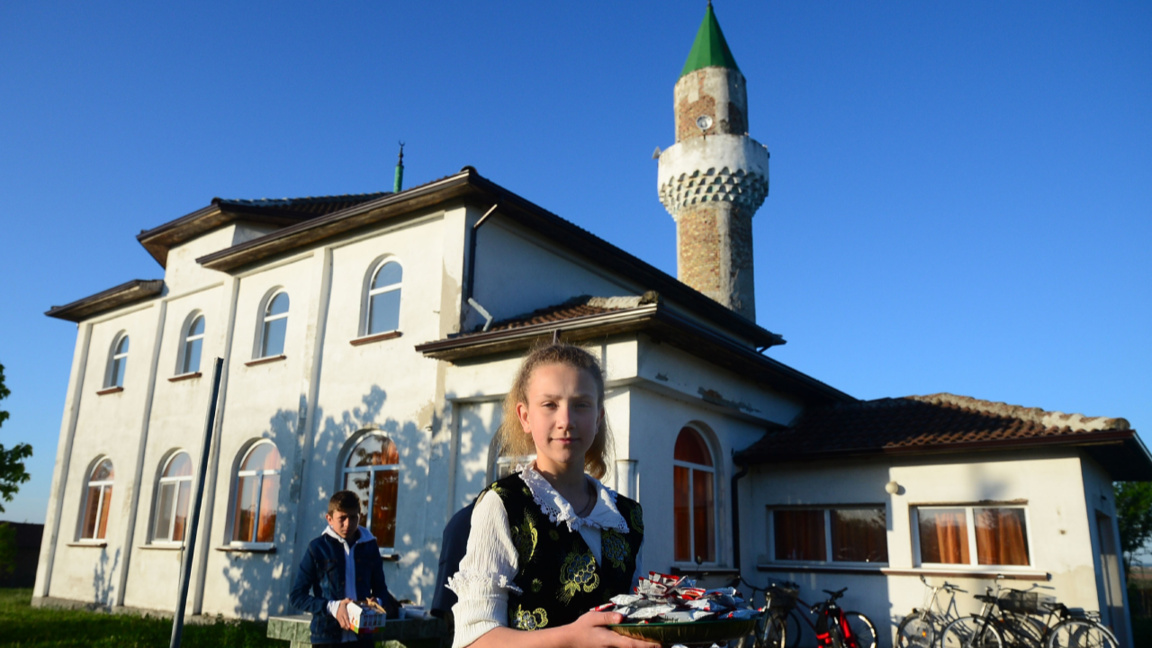
PHOTO BTA archive
Font size
After a month of fasting, prayer and spiritual reflection, Muslim families across Bulgaria are coming together to celebrate Ramazan Bayram (Eid al-Fitr).
Charity is a key part of Ramadan, the holy month during which believers strive to be more compassionate and give to those in need, expressing solidarity with others and society as a whole.
Ramazan Bayram is one of the most important and widely observed holidays in the Muslim calendar. This year, the three-day celebrations began at dawn on 20 March, when men gathered for a festive prayer before sunrise. Families then reunite at home for the holiday meal.
‘When they return home, young people kiss the hands of their elders, and the whole atmosphere is very festive,’ said Gyonyul Dailova from the Gyunesh community centre in Ruse. She believes community centres play a vital role in preserving holiday traditions and safeguarding cultural memory and identity. ‘When these traditions are passed on to children, they learn respect, kindness, and empathy,’ she added.
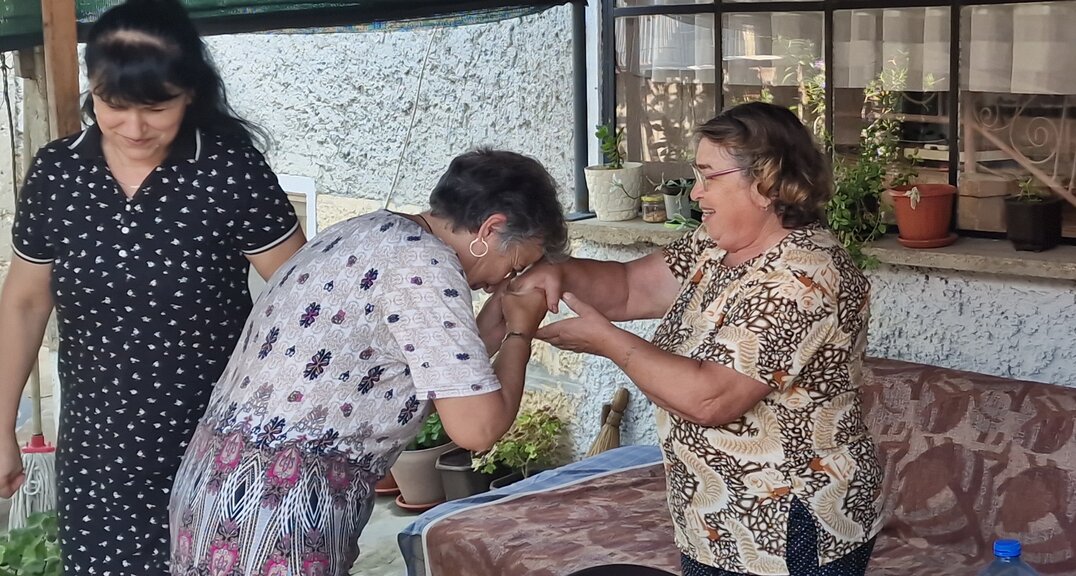
PHOTO BTA
Recalling her childhood, Dailova noted that some traditions appear to be fading. 'In the past, large families would gather and the children would organise themselves and go around the streets and homes collecting sweets. This seems to be disappearing. Perhaps this is because many young families now live abroad. At the community centre, we try to bring older and younger participants together and create a bridge for passing on this knowledge — the older generation shares how they used to celebrate,” she said.
Ramazan Bayram is a celebration of gratitude, forgiveness, family and sweets. It is no coincidence that it is also known as 'the sugar feast', with tables filled with delicacies such as baklava, kadaif, lokum, and other syrup-soaked desserts. However, the undisputed star of the table remains baklava — fragrant with butter, walnuts and vanilla, and prepared with patience, skill and love.
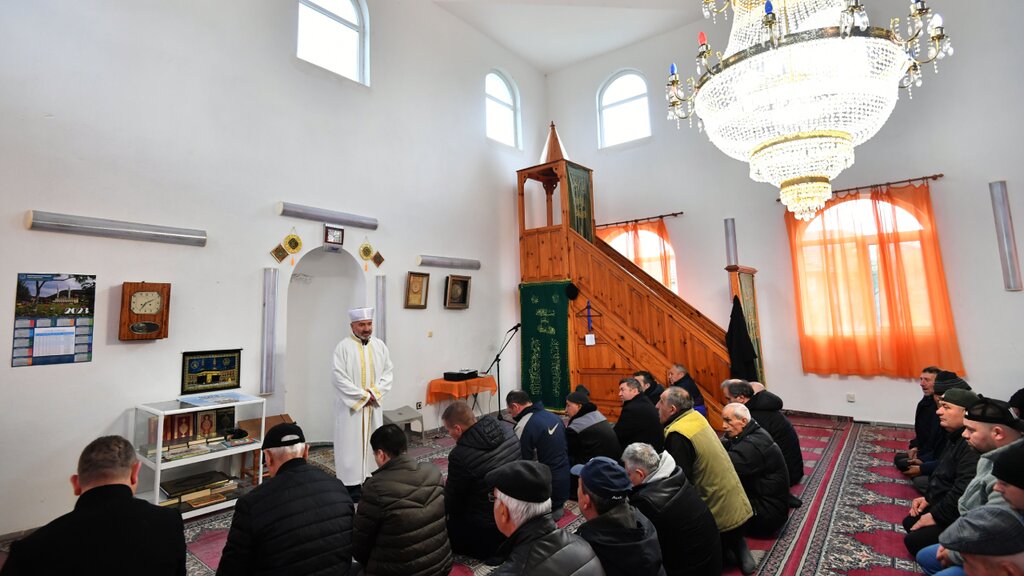
PHOTO BTA
Ayşe Latif, a journalist from Radio Shumen, shared her tried-and-tested festive recipe. 'Making baklava begins innocently enough with about a kilogram of flour, two eggs, a glass of milk and a little baking powder. Everything seems simple until the butter comes in play. I use a total of 625 grams — 250 for the dough and the rest to pour over. I also add around 800 grams of sugar, six packets of vanilla and, of course, plenty of walnuts,” she said.
Latif said she learned to make baklava more than 30 years ago as a young bride and has refined her recipe over the years. “I watch cooking shows and write down ideas in a special notebook with my family’s favourite recipes. One of the most important tricks I learned a few years ago is to strain the heated butter before pouring it over the baklava and baking it. This helps the layers brown evenly, gives them a golden colour and a more delicate flavour.
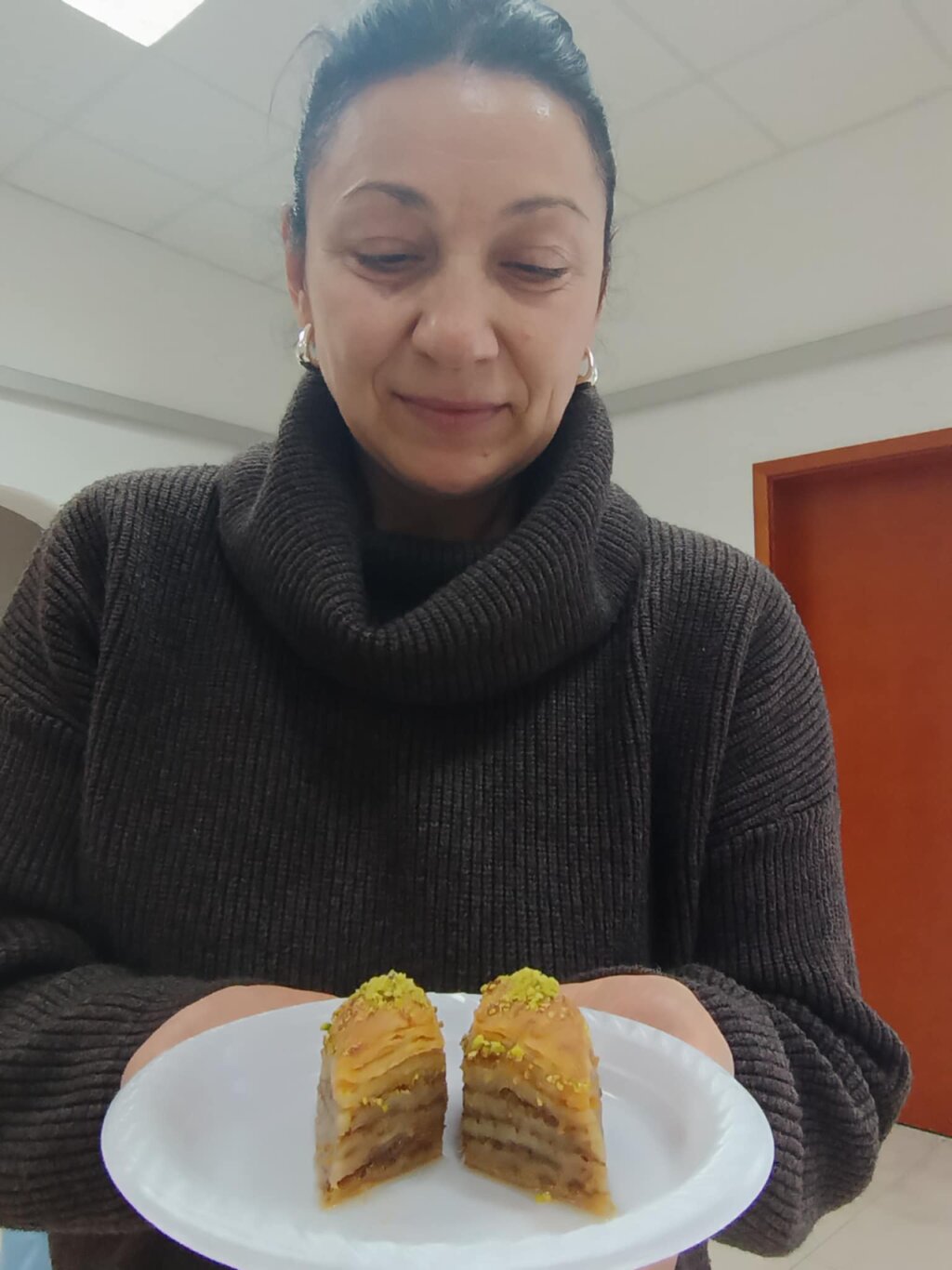
PHOTO Ayşe Latif
Another key moment is preparing the syrup. At home we prefer baklava to be lighter and juicier, so I boil the syrup for only four to five minutes. If it boils for eight to ten minutes, it becomes thicker and heavier. One more thing: I add more lemon juice. The classic recipe uses five or six drops, but I use two to three tablespoons, which prevents the sugar from crystallising and keeps the syrup smooth and clear."
Baklava is a true calorie bomb — a tray of homemade baklava contains nearly 12,000 calories! But, as Latif reminds us, "it is made and eaten for the holiday, for tradition, and for the taste of childhood."
Happy Bayram to all those celebrating today!
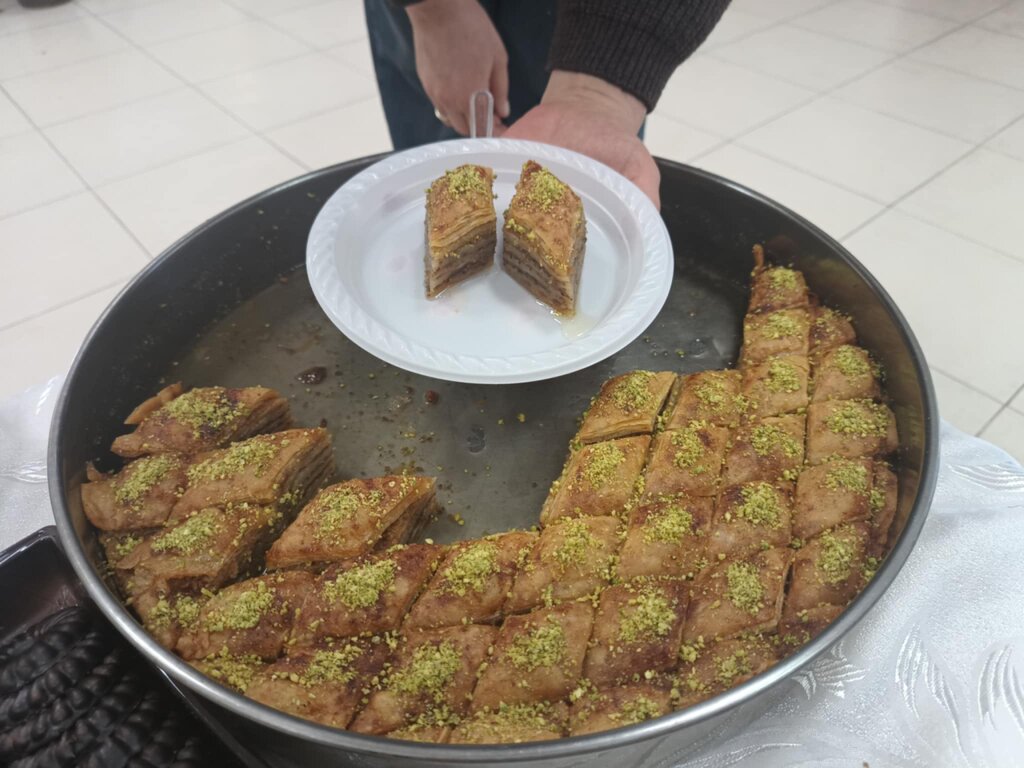
PHOTO Ayşe Latif
Interviews: Ayşe Latif and Stefka Savova (BNR Shumen)
Text by Elena Karkalanova
This publication was created by: Elizabeth Radkova