


Friday 20 March 2026 18:41
Friday, 20 March 2026, 18:41
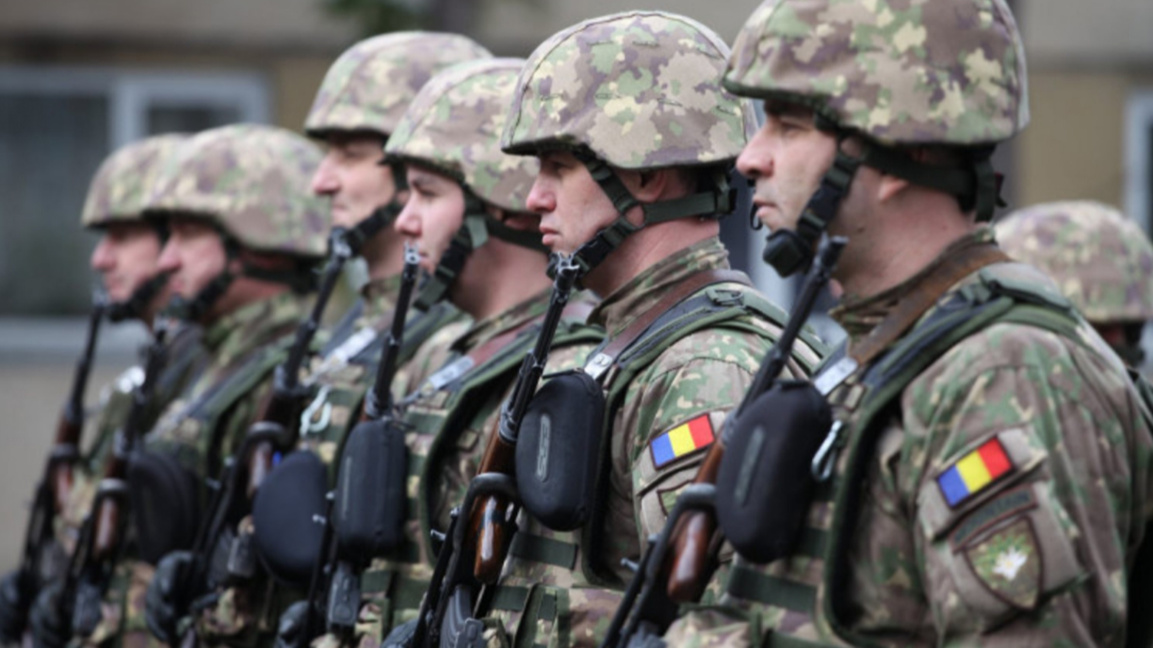
PHOTO digi24.ro
Font size
Over
2/3 of Romanians are
worried
that
the
country
can
be
drawn
into war
About
68% of Romanians are worried about the possibility of their country
being drawn into war in the coming years, according to a survey by
the INSCOP Research, published on March 19, Adevarul reports. The
survey was conducted in two phases: in
February 23-27 and March 3-13 among 1,100 people – before and after
the attacks against
Iran. According to the survey in March, 36.9% are very worried
(compared to 31% in February), and 31.1% are a
bit
worried (33.1% - February).
In
the event of an attack, 38.3% of respondents believe that the main
defence will come from NATO by activating Article 5 of the North
Atlantic Treaty, 19.6% rely on the Romanian army, and 27.6% - on
bilateral partnerships with countries such as France, Germany or the
United Kingdom. About 75.6% of respondents support higher defence
spending and 69.2% consider the production of military equipment in
the country to be very important.
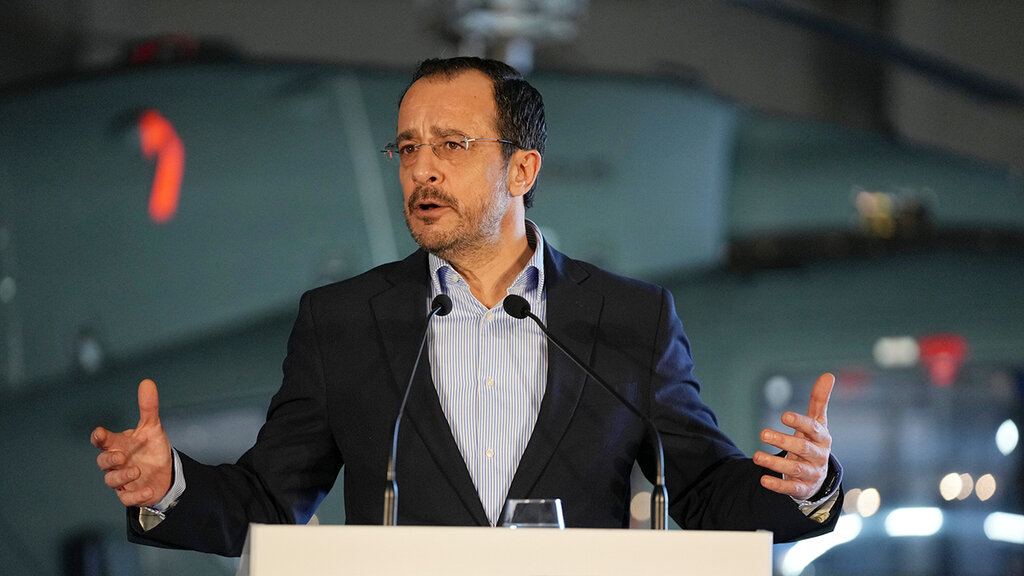
PHOTO AP/BTA
Cyprus
raises question about future of British bases on the
island
Cypriot
President Nikos Christodoulides has called for an "open and
frank
conversation" with the
UK
about the future of British military bases on the island after the
end of the Middle East crisis, BTA reported. The bases in Akrotiri
and Dhekelia, which remain sovereign British territory under Cyprus'
1960 independence treaty, are used for military operations in the
Middle East, including flights against threats from Iranian drones.
The
issue has become particularly relevant after a drone strike on
Akrotiri earlier this month, which heightened concerns that the bases
could pose a security risk to the country. The incident also sparked
protests.
London
has not yet commented on possible talks. UK
Prime Minister Keir Starmer's office said military cooperation
between the two countries "has never been better."
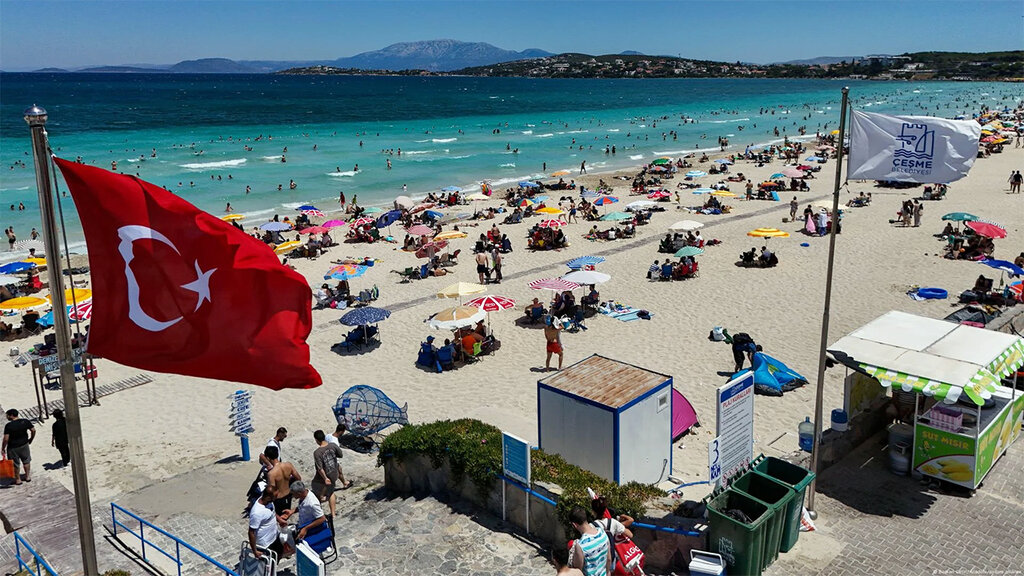
PHOTO Berkan Cetin/Anadolu/picture alliance
The
war in the Middle East has affected tourism in Turkey
Israeli
and US strikes against Iran are creating uncertainty in the region
and are already affecting tourism in Turkey - some reservations are
being cancelled or postponed for the summer, representatives of the
Turkish tourism sector say,
BTA has
reported.
According to the President
of the Mediterranean Touristic Hoteliers and Operators Association,
Kaan Kavaloglu, there is a decline in reservations from key markets
such as Germany and the UK and some hotels are postponing the start
of the season.
The
hardest hit are the Turkish cities near the border with Iran - Van,
Ağrı and Kars, where thousands of reservations have been cancelled.
Iran is an important tourist market for Turkey with over 3 million
visitors per year, ranking after Russia, Germany, the UK and
Bulgaria.
However,
domestic tourism remains stable. For Ramazan
Bayramı,
hotels in resorts such as Antalya and Alanya report about 80%
occupancy.
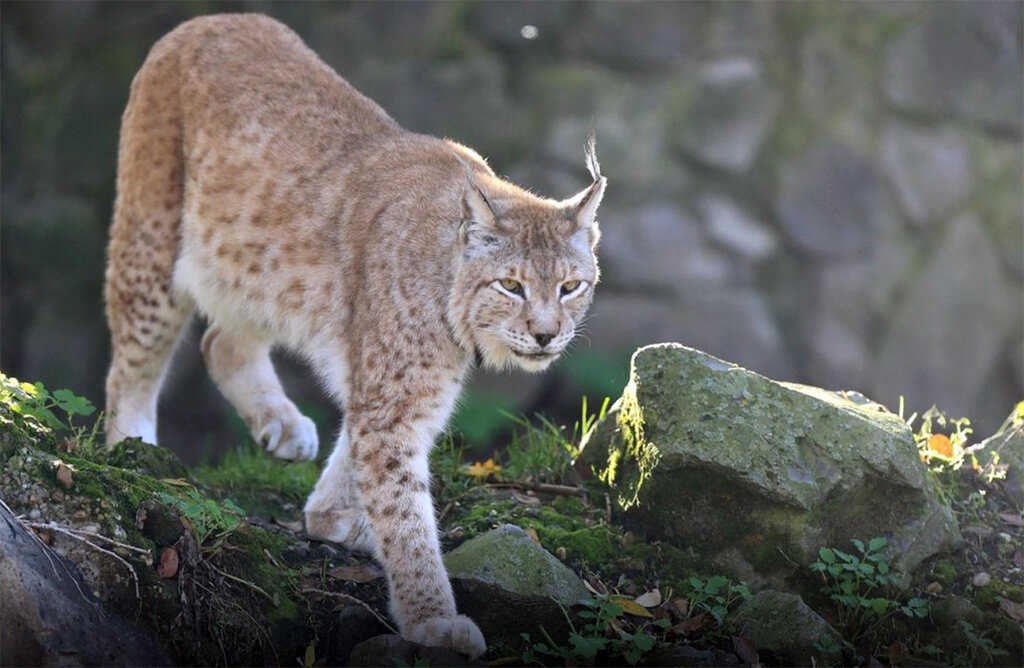
PHOTO novamakedonija.com
About
forty
Balkan lynx are found in North Macedonia
Two
Balkan lynx were photographed with camera traps in the Šar
Mountain
National Park in North Macedonia. This brings the number of animals
of the rare subspecies registered in the area to five, Sloboden Pecat
writes. According to experts, the total population in the mountains
of North
Macedonia
is about 40 animals.
The
new footage is a positive sign for the recovery of the subspecies,
but conservationists warn that its survival remains uncertain. The
main risk is related to the small population, which leads to
inbreeding. Additional threats are poaching and road accidents,
especially on regional roads without protective fences.
Experts
recommend the creation of safe corridors between mountain habitats
and the import of animals
from Romania in order to increase genetic diversity.
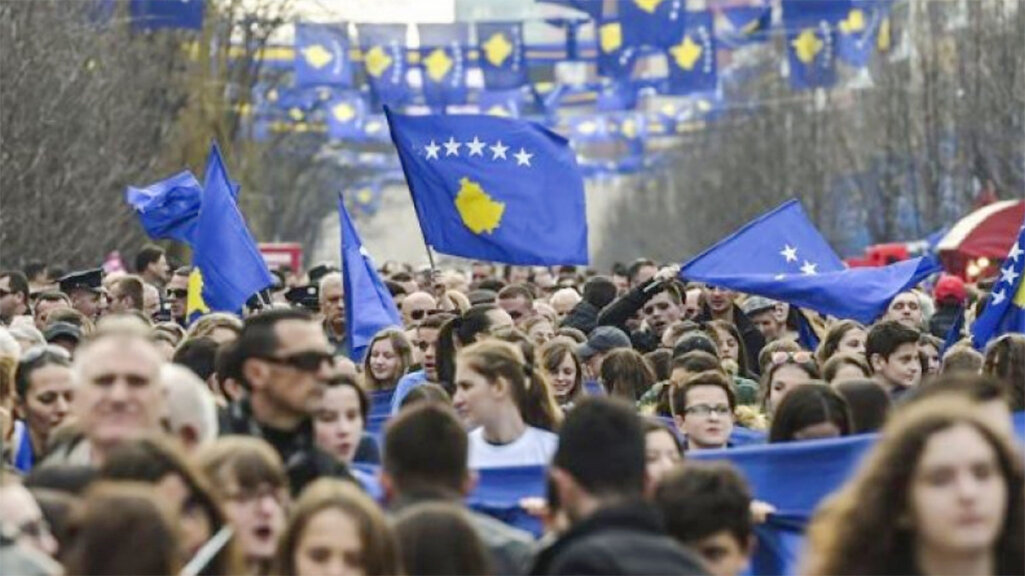
PHOTO albaniandailynews.com
The
happiest people in the Balkans are in Kosovo
Kosovo
is the happiest country in the Balkans, according to Gallup's World
Happiness Report 2026. The country ranks 16th in the world, ahead of
all countries in the region. It is followed by Slovenia (18), Serbia
(30) and Romania (34) among the Balkan countries. In the middle of
the ranking are Bosnia and Herzegovina (47), Montenegro (60) and
Cyprus (62), followed by Croatia (70). North Macedonia (82), Bulgaria
(84), Greece (85) and Albania (86) are behind, while Turkey is 94th.
Finland tops the list for the ninth consecutive year. The ranking is
based on people's assessments of their quality of life, with the
analysis taking into account factors such as income, social support,
health, freedom of choice, generosity and perception of corruption.
Compiled
by Miglena Ivanova