


Author
Gergana Mancheva
News
From market to throne room: Exploring Medieval Bulgaria
The Tsarevgrad Tarnov Multimedia Visitor Centre is a major draw for tourists in Bulgaria’s historic capital
Wednesday 25 March 2026 16:56
Wednesday, 25 March 2026, 16:56
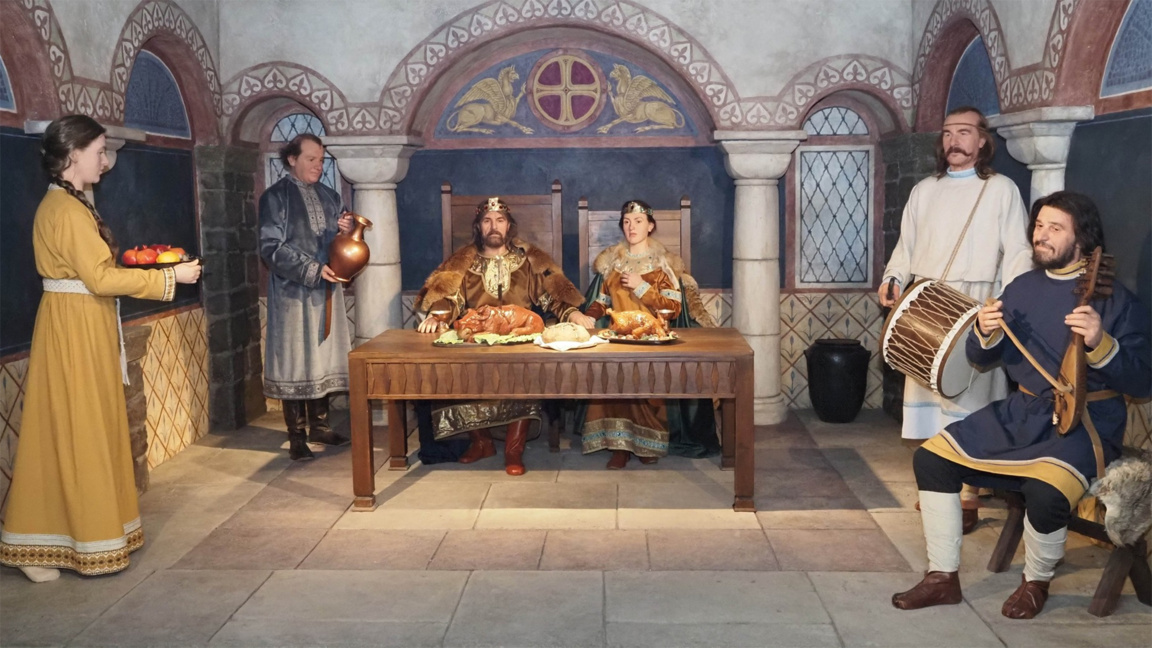
PHOTO Tsarevgrad Tarnov multimedia visitor centre
Font size
A standout attraction in Veliko Tarnovo, the “Tsarevgrad Tarnov” Multimedia Visitor Centre offers an immersive waxworks-style journey into the medieval past. Its finely crafted figures transport visitors back to the Middle Ages.
The centre is easy to find, located just below Tsarevets Hill. Nearby are the Church of the Holy Forty Martyrs, the Constituent Assembly Museum, and the Sarafkina House on Gurko Street, which houses an ethnographic exhibition.
Established nearly a decade ago, the centre uses interactive displays to present Bulgaria’s history from the 12th to the 14th century, when Tarnovgrad was the royal capital.
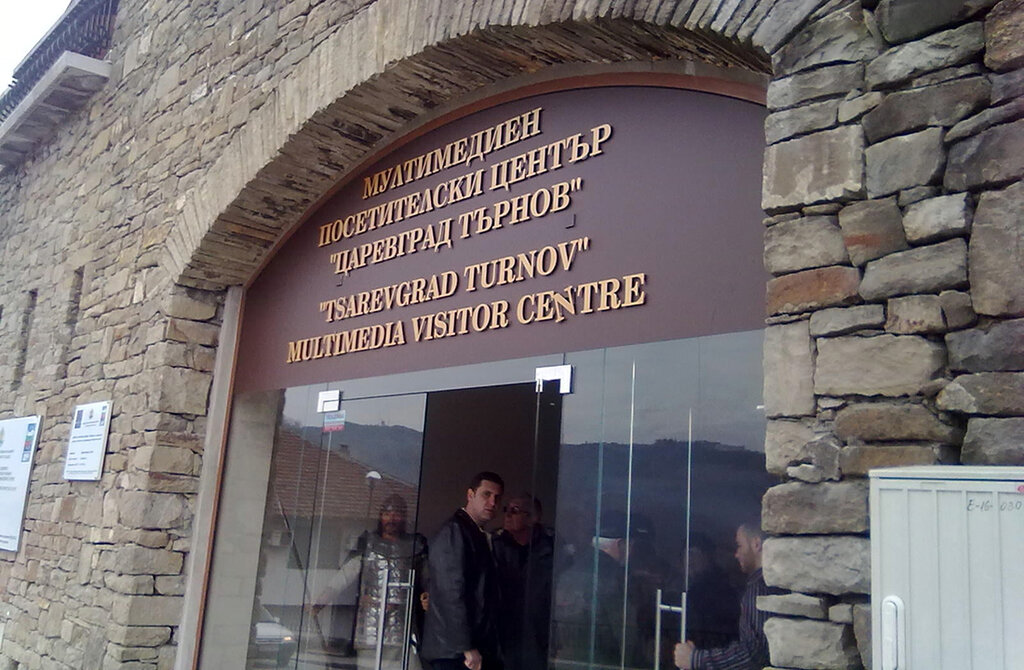
PHOTO Tsarevgrad Tarnov multimedia visitor centre
A series of three-dimensional scenes with life-sized figures and replicas of frescoes and interiors reconstructs everyday life and the key figures of medieval Bulgarian society. Visitors can see Tsar Ivan Asen II and his wife, the Hungarian princess Anna Maria Árpád, as well as Patriarch Joachim I during an audience in the throne room.
The battle scenes depicting the Battles of Adrianople and Klokotnitsa, as well as the defence of Tarnovo during the Ottoman siege of 1393, are among the most striking parts of the exhibition.
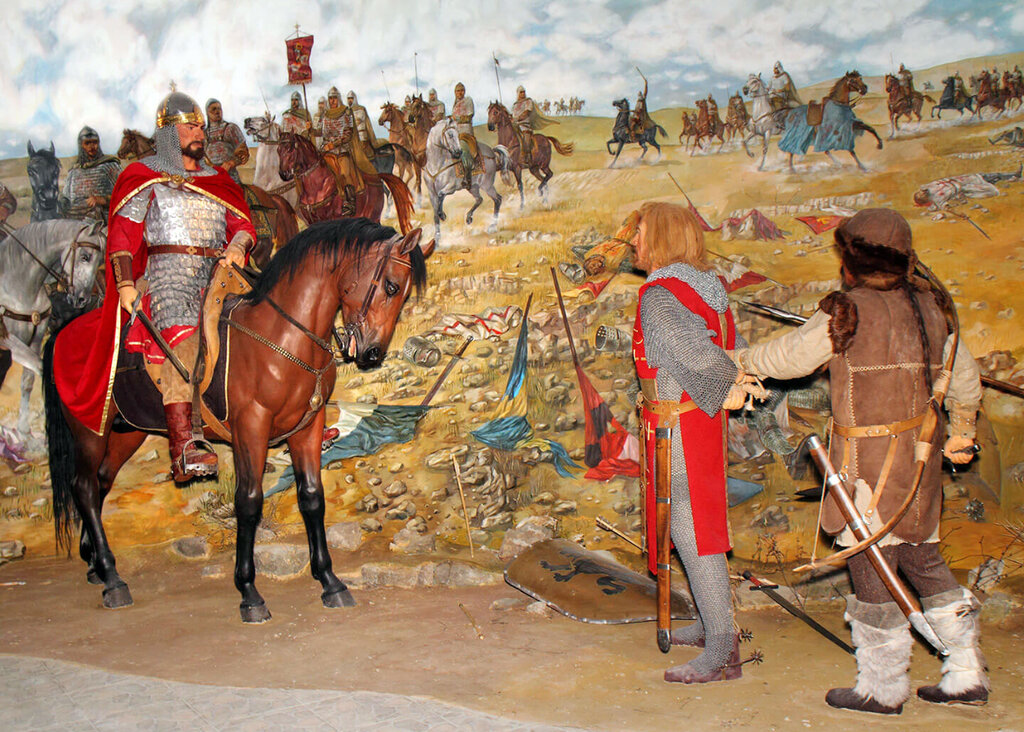
PHOTO museumvt.com
Equally compelling is a diorama of St Patriarch Euthymius of Tarnovo, a spiritual leader, scholar and organiser of the city’s defence, shown bidding farewell to his people before going into exile.
3D technology adds sound and visual effects that bring the scenes to life, drawing visitors into the history of present-day Veliko Tarnovo - a symbol of royal authority, military power and spiritual influence during the Second Bulgarian Empire.
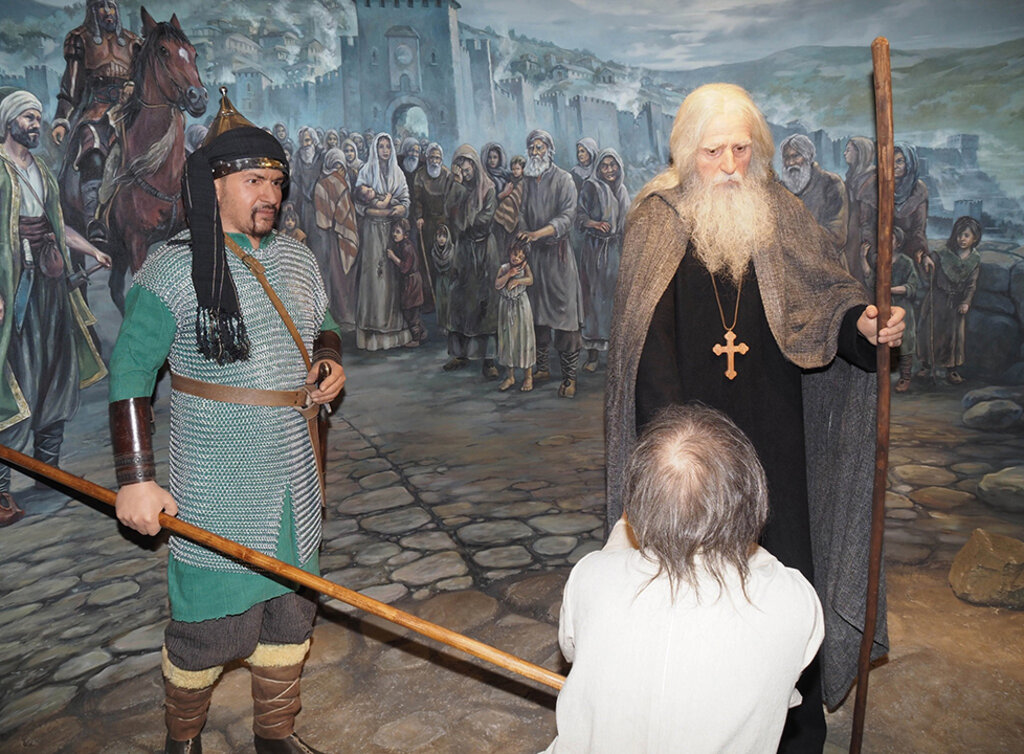
PHOTO Tsarevgrad Tarnov multimedia visitor centre
“Of course, visitors can also climb Tsarevets Hill, where there are partially restored boyar residences (homes of the medieval Bulgarian nobility), as well as the remains of the palace. The Church of the Holy Ascension is there too, fully reconstructed,” adds tour guide Svetlana Yordanova. She notes that the visitor centre’s role is not to replace, but to complement the experience offered by museums displaying authentic archaeological finds.
“We cannot call ourselves a ‘museum’, because what we exhibit are replicas—the originals are housed in the city’s Archaeological Museum, in the Medieval Hall. Here, alongside copies of artefacts, we have 65 human figures arranged in different scenes, through which visitors gain an impression of life between the 12th and 14th centuries in medieval Bulgaria.
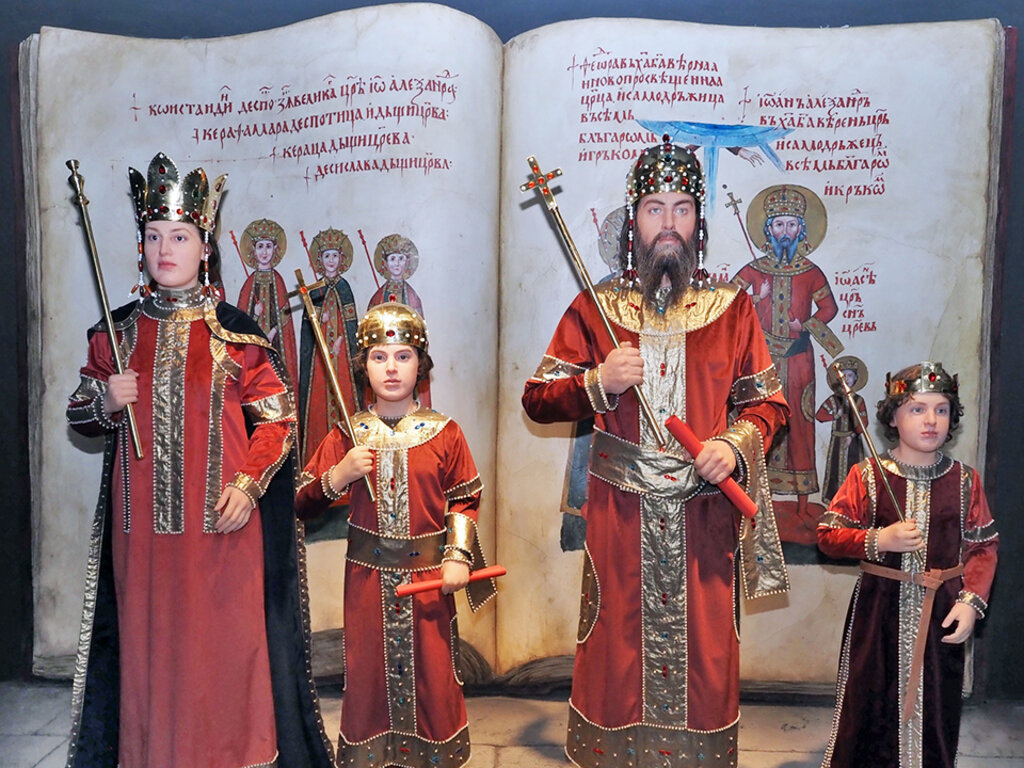
PHOTO Tsarevgrad Tarnov multimedia visitor centre
The tour begins with part of a dwelling inhabited by the poorest people within the fortress. You can see how modest the furnishings were - the bed was shared by the whole family, who slept side by side. There are simple wooden spoons and bread made from low-quality flour. People were primarily engaged in agriculture, and their diet was very modest; meat was almost entirely absent from the table. The Church also played a major role in people’s lives. When Tarnovgrad was the capital, there were around 50 functioning churches, richly decorated with frescoes, to which the renowned Tarnovo School of Painting made a significant contribution.
In contrast, boyar residences were far more spacious, with furniture crafted from solid wood by the finest мастers. In addition to silver tableware, they used luxurious ceramics—particularly the distinctive Tarnovo sgraffito pottery.
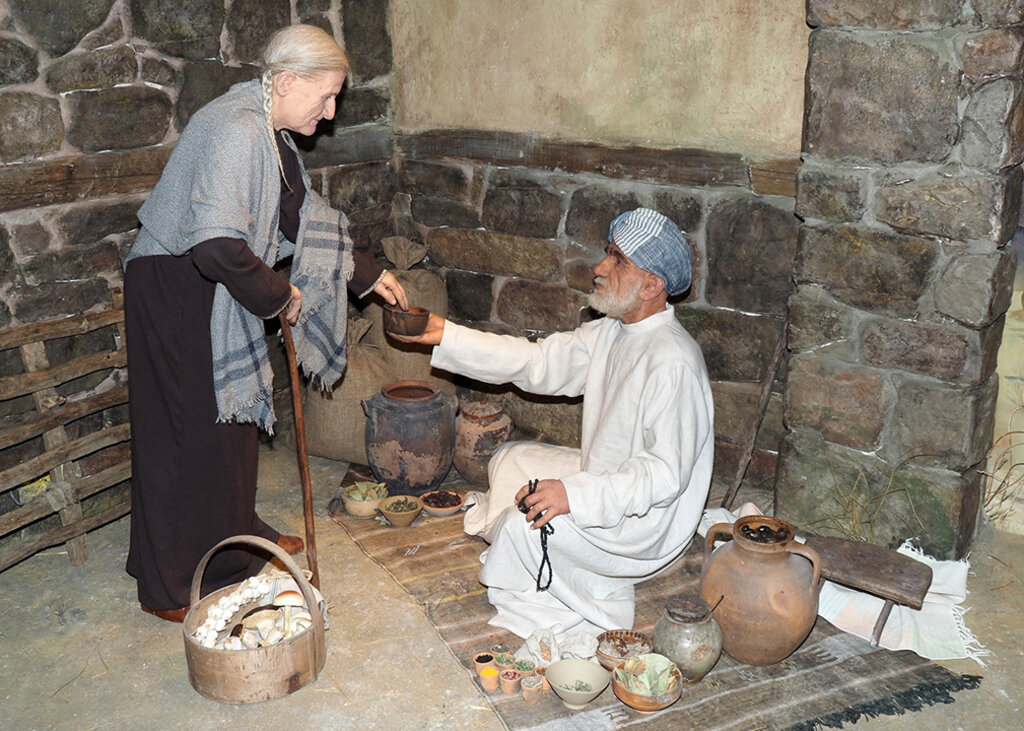
PHOTO Tsarevgrad Tarnov multimedia visitor centre
When it opened on 17 March 2013, the exhibition was modest in scale, occupying just one floor and featuring only 28 figures. Today, it has expanded to include an additional 37 figures, which have been created with remarkable attention to detail. Their bodies are made of plaster in life size, while the faces are silicone, enhanced with dental and ocular prosthetics to achieve a striking sense of realism. The beards, hair, eyebrows and eyelashes are all made from real human hair sourced from hair salons.
“The figures are crafted down to the finest detail. Their sculptor is Boris Borisov,” explains our guide, Svetlana Yordanova.
A recreation of royal splendour can be seen in the throne room of the Bulgarian rulers. Here sits Tsar Ivan Asen II (r. 1218–1241), with one of his wives, the Hungarian princess Anna Maria Árpád, beside him. According to the guide, this marriage also had diplomatic significance, enabling the Bulgarian ruler to regain the regions of Branicevo and Belgrade, which had been seized by the Hungarians.
In the exhibition, particular emphasis is placed on the royal insignia — symbols bestowed upon the monarch upon ascending the throne to signify their right to rule. The throne is the most important symbol, followed by the crown and the sceptre, which represents power. The signet ring, used to seal royal documents, is also a significant symbol. We also see the red mantle, fastened with a golden belt, and the red boots - both symbols of royal authority. In the tsar’s lap is a small white pouch containing earth, known as the akakia, a reminder that the ruler is mortal. Despite being the supreme sovereign, he must not lose sight of this, for like all others, he is bound to obey the laws of the land.”
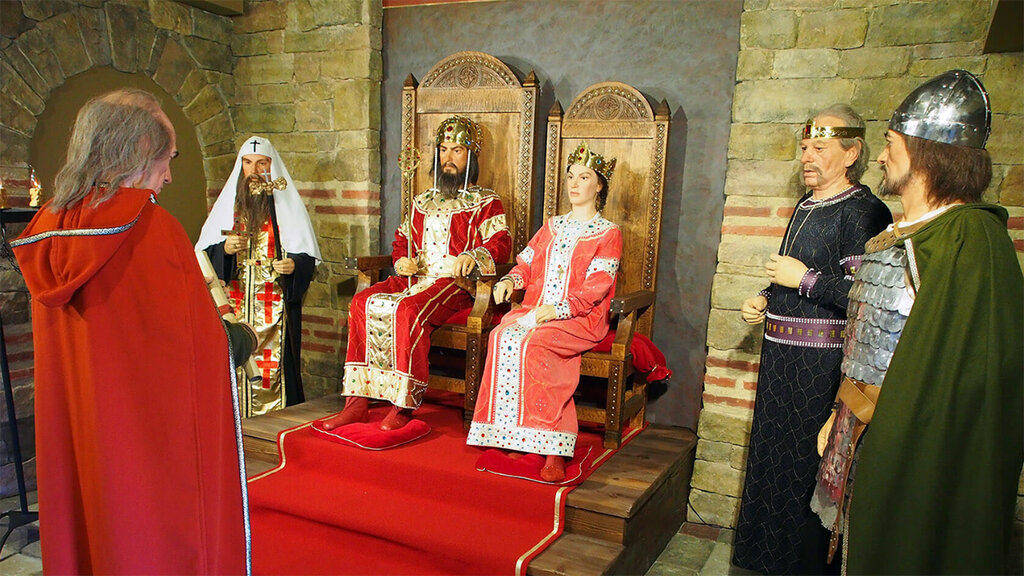
PHOTO museumvt.com
The army formed the backbone of royal power. Its defensive armour and helmets were complemented by offensive weapons such as arrows, spears, swords, maces and crossbows. Here you can see a battering ram, a siege engine designed to break down fortress gates. It has a roof because defenders would rain down arrows, tar and boiling water on attackers from above. All of the military equipment here is made up of replicas, but you can see parts of the originals in the Veliko Tarnovo History Museum.”
Another fascinating aspect of medieval Bulgaria is the development of crafts, which are given special attention in the exhibition.
“In the Middle Ages, more than 50 types of craft were practised, but here we present four of the most important for our city,” continues Svetlana Yordanova. ‘Blacksmithing was one of the most important crafts, as masters produced agricultural tools as well as weapons for the army, so they were highly respected.’ Meanwhile, pottery is the oldest craft, but by this period, the foot-driven potter's wheel was already in use, freeing both hands to shape finer vessels. Once formed, the vessel is coated with engobe — a mixture of clay and water — and, before firing, decorative images are incised with a sharp tool. This is how the characteristic Tarnovo sgraffito pottery emerged — a legacy of Byzantine culture in Bulgaria.”
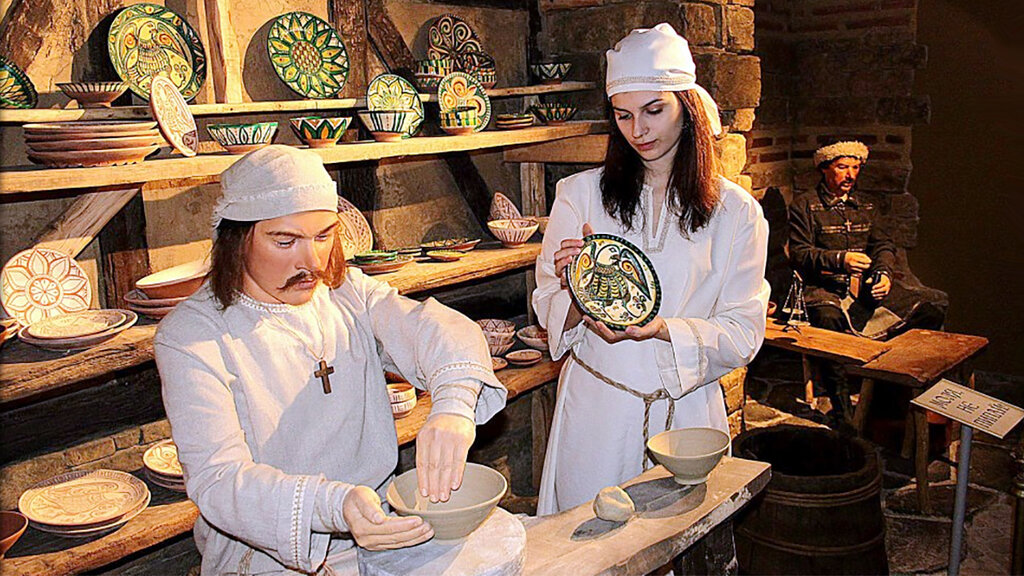
PHOTO Tsarevgrad Tarnov multimedia visitor centre
But the journey through the 'Tsarevgrad Tarnov' Visitor Centre does not end there. Guests can also explore a vibrant recreation of a medieval market street, complete with the colourful attire of nobles and merchants. In another hall, they can hear chants composed by the celebrated Yoan Kukuzel, known as 'the Angel-Voiced'. The exhibition also takes visitors into a scriptorium, where medieval literature was created, reaching its peak in the 14th and 15th centuries in what became known as the Tarnovo Literary School.
The 'Tsarevgrad Tarnov' Multimedia Visitor Centre brings together a symbolic slice of Bulgaria's past, vividly demonstrating the military strength, spiritual life and cultural and economic prosperity of the Second Bulgarian Empire. This culture, closely intertwined with the Christian tradition, helped the Bulgarian people survive as a nation for five centuries under Ottoman rule.
Further reading:
- The Sound and Light show in Veliko Tarnovo that has been tracing the history of Bulgaria for 4 decades
- Mini Bulgaria Park in Veliko Tarnovo - a walk among the Bulgarian architectural pearls
- March 22 is a holiday in Veliko Tarnovo – a day to honor the glorious past of Bulgaria's medieval capital
Editor: Ivo Ivanov
Posted in English by E. Radkova
This publication was created by: Elizabeth Radkova