


Author
Yoan Kolev
News
Symphony of time…National Palace of Culture in Sofia celebrates 45th anniversary
Sunday 29 March 2026 09:27
Sunday, 29 March 2026, 09:27
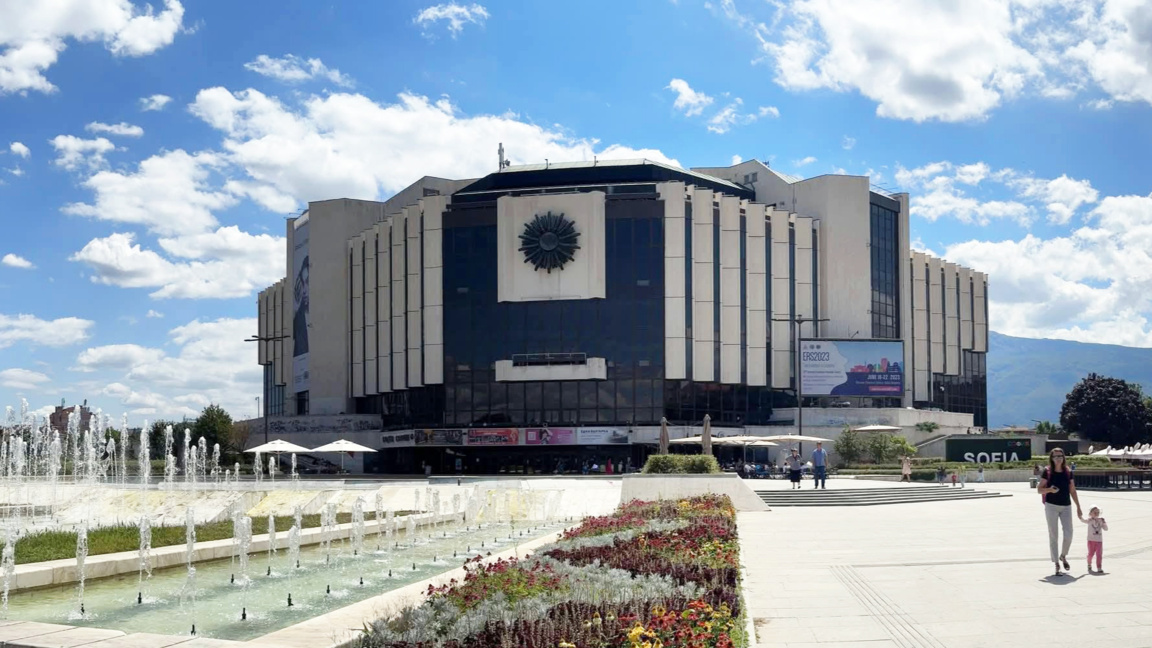
PHOTO Facebook/NationalPalaceOfCulture
Font size
One of the symbols of the Bulgarian capital – the National Palace
of Culture is turning 45. During this time, the building and the park
around it have become a favourite place for Sofia residents and
guests, who gather there both to attend some of the cultural events
and to meet close friends, or even just to admire the impressive
building and the space around it. Its construction took just three
years – from 1978 to 1981, when it was opened in honour of the
1300th anniversary of the establishment of the First Bulgarian State.
It
is no coincidence that one of the events that will commemorate this
important anniversary is a photographic exhibition called "The
Building of Sofia Residents".
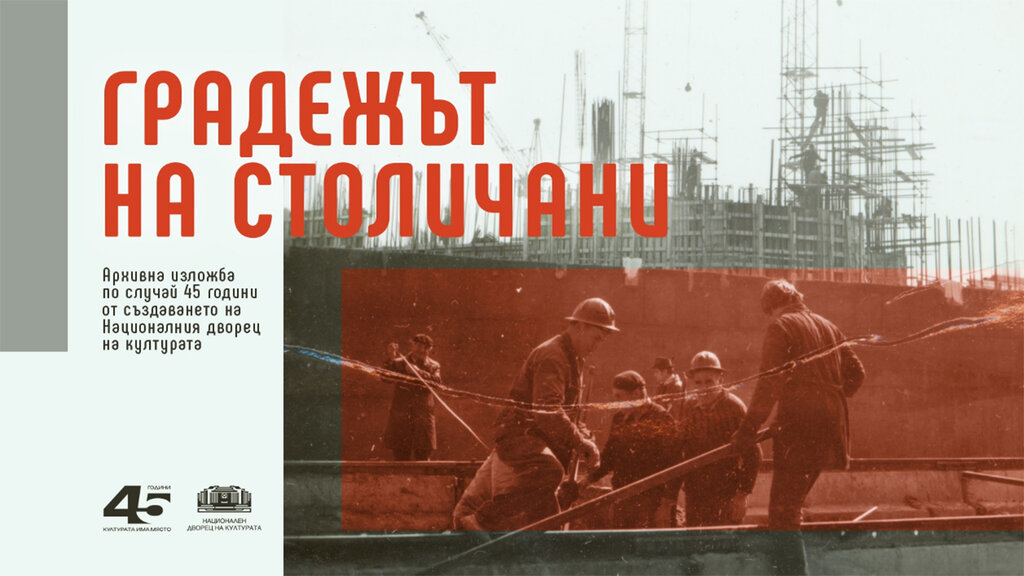
PHOTO Facebook/NationalPalaceOfCulture
"On April 2, people who remember or have only heard the stories about how such a large-scale building could be completed in just three years will be able to see an exhibition with photos from the construction process of the National Palace of Culture. Sofia residents, but also people from all over Bulgaria, Vietnam, Yugoslavia, Romania and Cyprus participated in it. The name of the exhibition is ‘The Building of Sofia Residents’ because to a large extent Sofia identified with it as a modern capital, at the backdrop of other European capitals that already had their own large cultural and congress centers," the palace's marketing director Ivo Chiflichki says in an interview with Radio Bulgaria and adds:
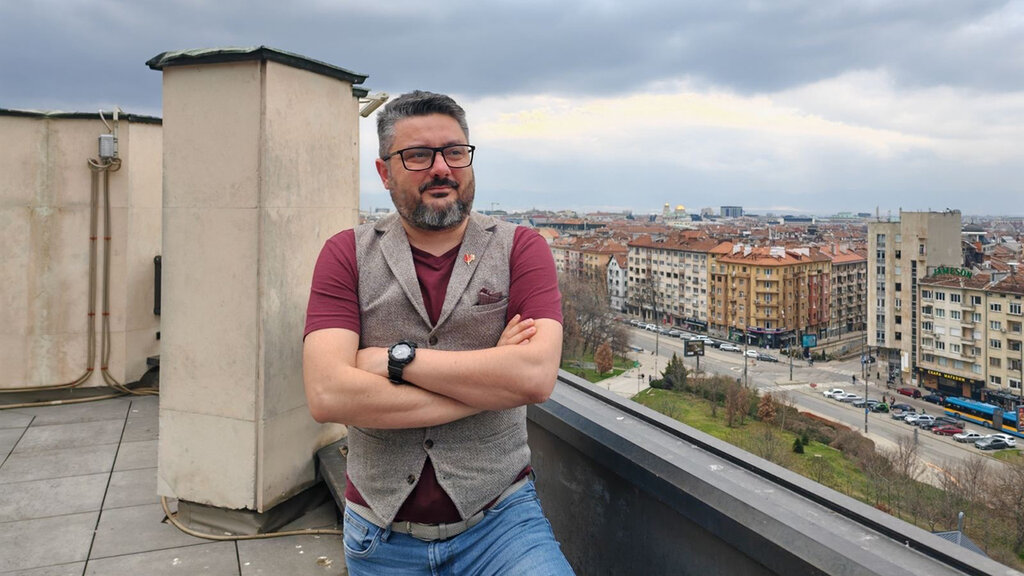
Ivo Chiflichki
PHOTO Yoan Kolev
"Its construction included not only the central building, but also a huge underground infrastructure, part of which is a metro station. Even before the metro was planned in its entirety, the construction of the station began in 1978. At 6 p.m. on April 2, those intrigued by the exhibition can also see Albena Alexandrova's documentary, which presents all the artwork in the palace."
The
idea of the National Palace of Culture is to symbolize the
contribution and role of the Bulgarian cultural heritage in European
civilization, to which our attention is also drawn by the other
events that the palace will host in the coming days:
"We
are starting the celebration of the 45th anniversary of the National
Palace of Culture with an exhibition that shows a very small but
significant part of the renowned names who have been on the stage of
Hall 1 - conductor Herbert von Karajan, opera singer Montserrat
Caballé, pop stars Sting and Michael Bolton, as well as all the big
names from Bulgarian pop and opera music. It will remain at least
until the summer in the foyers of Hall 6.
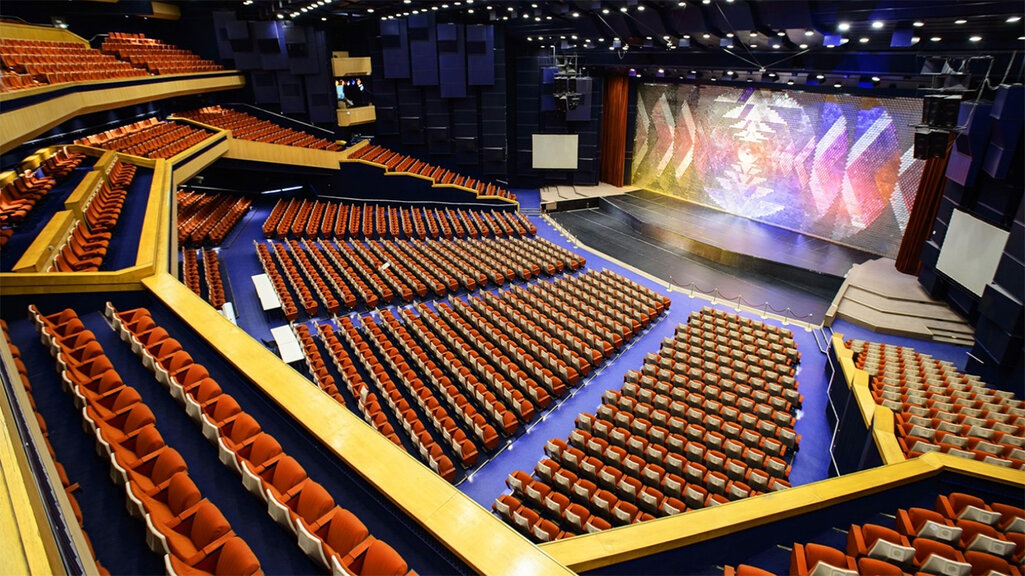
Hall 1 of the National Palace of Culture
PHOTO ndk.bg
On March 30, we continue with the presentation of an anniversary edition of BTA's ‘LIK’ magazine, which makes a journalistic-documentary chronology of the period from 1981 to 2026, presenting the three periods of history through which the palace has passed from its construction to the present day - the communist regime, that very harsh transition in the 1990s and the present time."
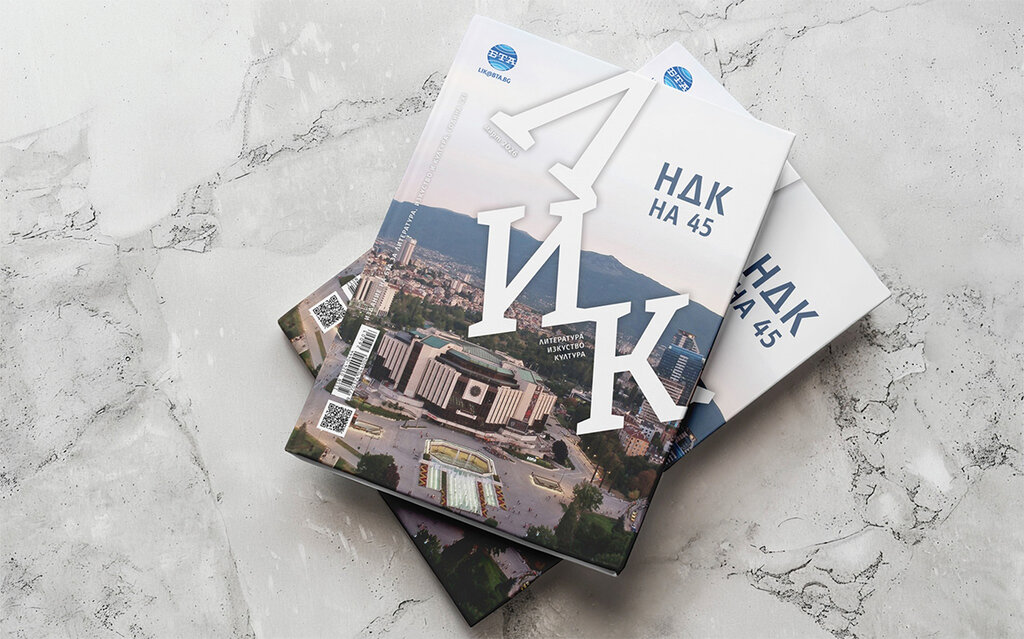
PHOTO Facebook/NationalPalaceOfCulture
The
National Palace of Culture was officially opened on March 31, 1981,
which is why this date is considered the institution's birthday. A
special concert is planned for that day, to which people who
contributed to the construction of this space of the spirit and
culture of Bulgaria have been invited:
"On
March 31, we begin with the presentation of the exhibition ‘The
Boyana Church at the Dawn of the Renaissance’. It displays 30 of
the best iconographic examples and these images mark the beginning of
the Renaissance aesthetics in Bulgarian fine arts. The festive
concert is entitled ‘Symphony of Time’ and features the Sofia
Philharmonic Orchestra, conducted by Nayden Todorov, and the prima of
Bulgarian pop music Lili Ivanova."
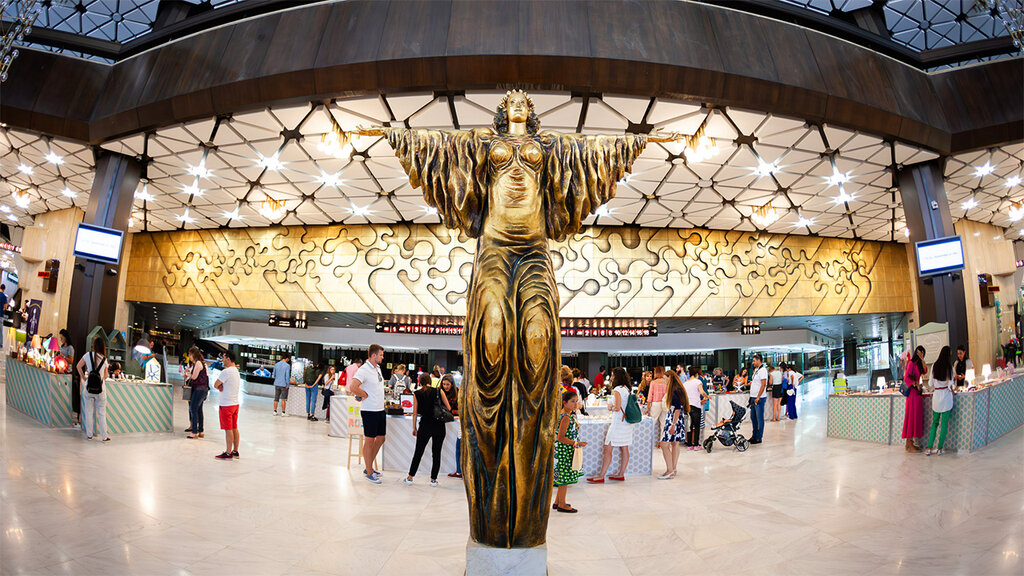
PHOTO Facebook/NationalPalaceOfCulture
Especially for its 45th anniversary, the impressive Palace of Culture has opened its secrets for tourist tours. "There are many large congress centers in the world, but those dedicated to national culture, with such a brilliant artistic and architectural synthesis, cannot be seen anywhere," Ivo Chiflichki says. And although exploring the vast building may require days, they manage to fit the tourist tour into 3 and a half hours: "We are considering the thematic divisions of these tours, because the National Palace of Culture is interesting in three aspects – architectural, engineering and creative, with nearly a hundred works of art by some of the best masters of the Bulgarian art school of the 20th century. The third extremely curious thing is that in the entire complex there is not a single symbol that would refer to the past regime," he says.
"Even today, foreign specialists come to the National Palace of Culture to see this approach to building diverse spaces, intended for large cultural and even larger congress events of global importance, combined with all genres of visual arts, such as huge mosaics, murals, woodcarving, metalwork, sculptures and textile panels such as ‘1300 Years Bulgaria’ by world-famous Marin Varbanov.
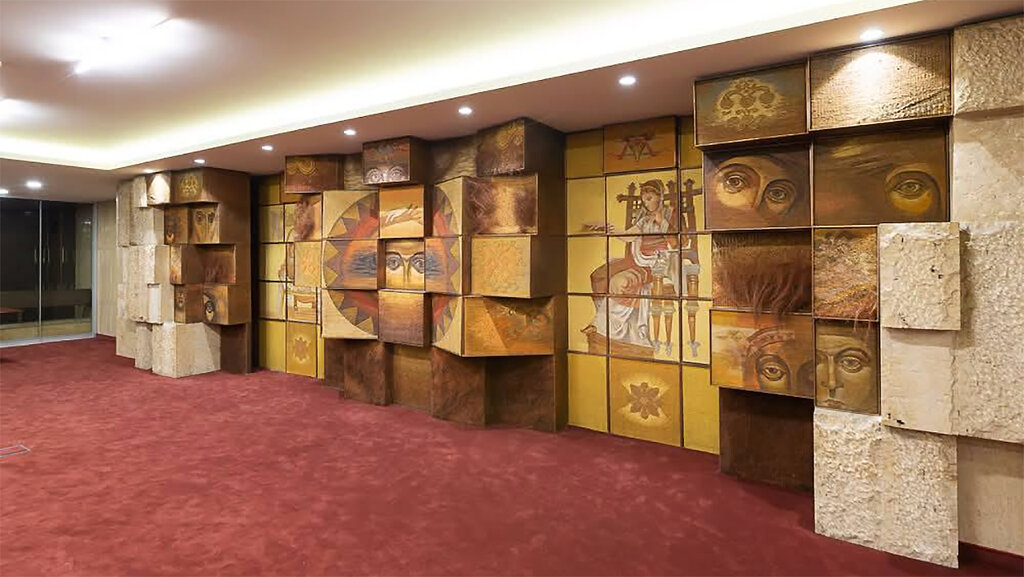
PHOTO ndk.bg
The scale of the cultural significance that the palace has gained for 45 years is something remarkable," summarizes Ivo Chiflichki, who has been working for ten years as part of the invisible machine that maintains this emblematic Bulgarian cultural center.
This publication was created by: Alexander Markov