


Author
Tsvetana Toncheva
News
“Lale li si, zyumbyul li si?” and Verka Siderova, the golden voice of Dobrudzha
Friday 3 April 2026 07:15
Friday, 3 April 2026, 07:15
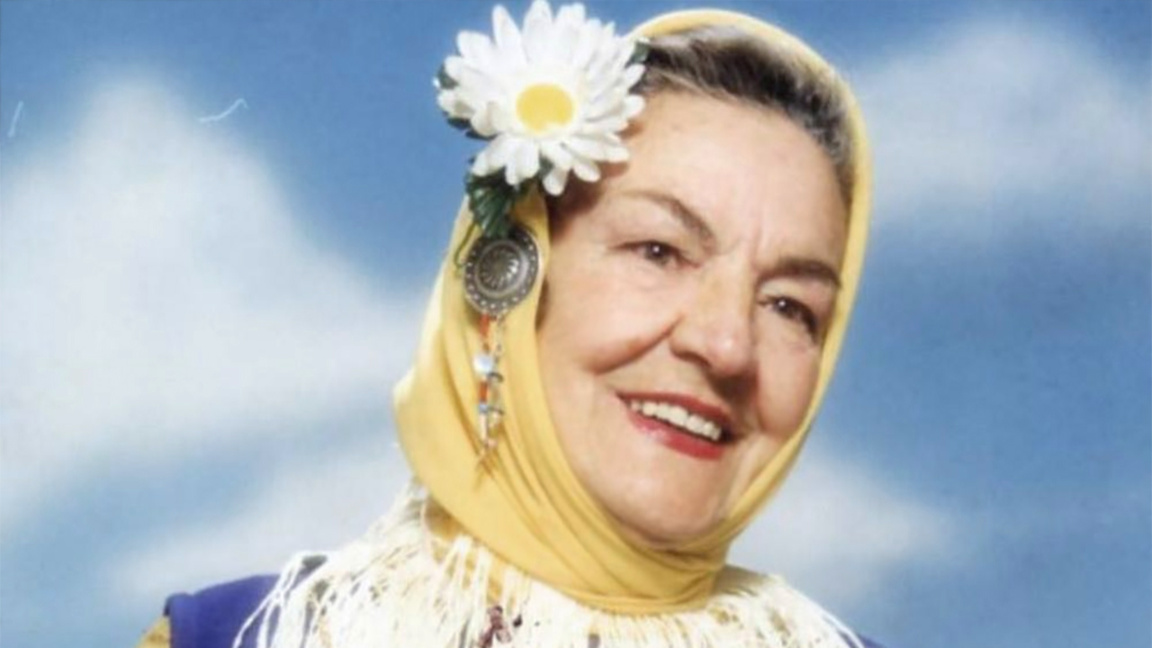
PHOTO dobrich.bg
Font size
The lands of the geographical region known as Dobrudzha have always been rich and fertile. It is no coincidence that its Bulgarian part is known as the “Breadbasket of Bulgaria”. This abundance is also evident in the region’s rich and diverse folk heritage.
The great variety of melodies and lyrics can be explained by migrations from other regions, particularly Thrace. Some specialists regard the song “Milo mi e, mamo” (“I feel such joy, mother”) as the region’s anthem, with the line: “Beautiful it is, mother, in the flat land of Dobrudzha.”
But the true symbol of Dobrudzha folklore across Bulgaria is a lyrical miniature in which a young nobleman (çelebi) falls asleep and misses the preparations for a major village gathering (sedyanka). First come three shepherds carrying a lamb, wine, and a kaval flute to feed, refresh, and entertain the guests. They are followed by three beautiful maidens carrying silk, a spindle and an embroidery frame — because women never forget their work during the lively gatherings known as sedyanki.
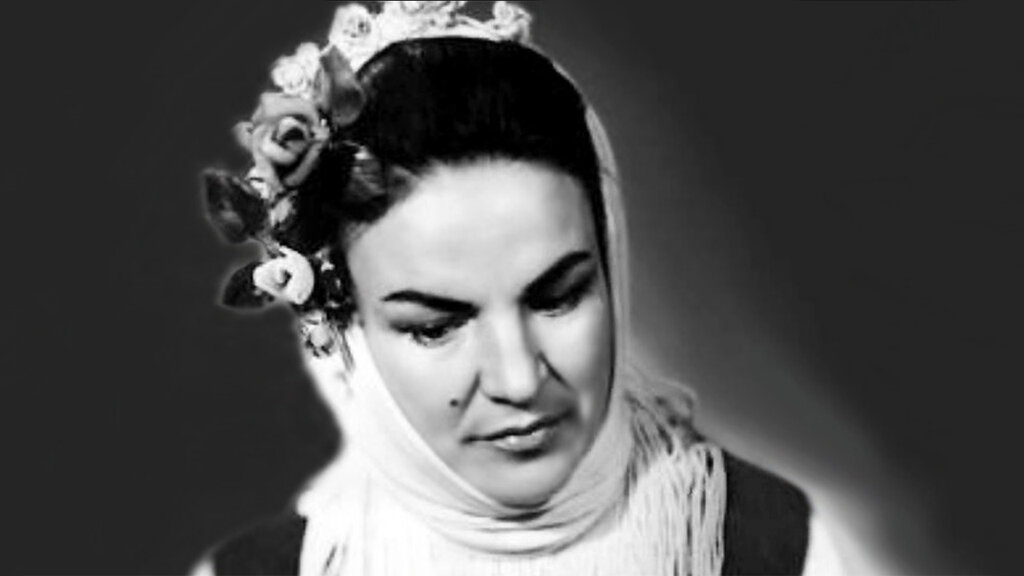
Verka Siderova
PHOTO Archive
The enchanting refrain, 'Lale li si, zyumbyul li si, gyul li si' ('Are you a tulip, a hyacinth, or a rose'), gives the song its title. Through the unforgettable performance of folk singer Verka Siderova, it has become an enduring Bulgarian classic.
“Everyone loves their native land, and that is only natural,” Verka Siderova told her audiences. She added: “Folk song has accompanied me throughout my life — my mother blessed me with it from the cradle. I have drunk deeply from its pure spring. I wish the same for you. But anyone who wishes to drink from it must kneel, for one drinks from a spring on one’s knees...”
Siderova’s presence in Bulgarian culture is still deeply felt today. The aristocrat of Bulgaria's folk singers, who impressed audiences with her dignity and warmth, passed away on 2 July 2025, aged 99.
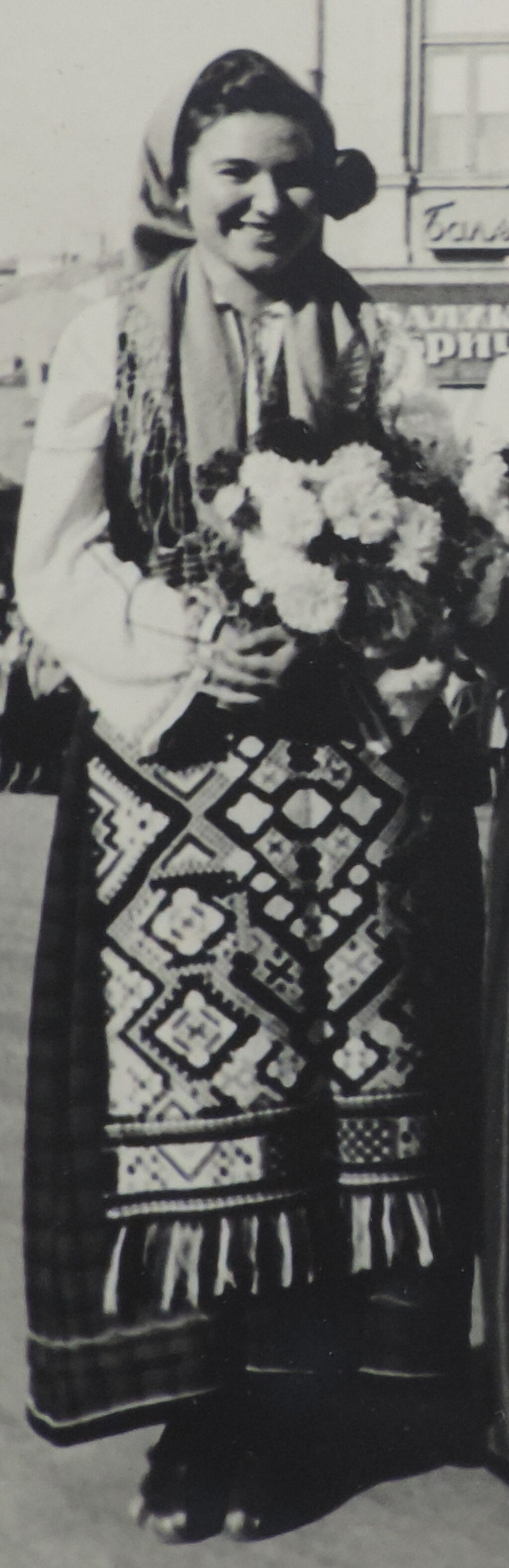
Verka Siderova in 1940.
PHOTO Wikipedia
Born in Dobrich and devoted to her native region, she was the singer who brought refinement and brilliance to Dobrudzha folklore.
'Dobrudzha — the scent of warm bread. Dobrudzha — my homeland. I grew up on its land, experiencing its hardships and joys, traditions, games, and songs,” she writes in her autobiography.
She recalls the colourful neighbourhood of her childhood:
“It was a mixed neighbourhood, with Bulgarians and Turks living together. We lived together without division... We shared holidays, circumcisions and weddings. Oh, how much pilaf and baklava we ate! Down the street, at the corner, we would dance and sing. It's those songs that are still played on the radio today that make up my repertoire. We learnt them from our mothers and grandmothers. Although I was kept busy with chores, I didn’t mind missing out on games because I loved singing the most. I wanted to sing loudly so that people could hear me. Whether I was sitting on the attic hatch with my legs dangling or in Uncle Zhendov’s walnut tree in the vineyards, I sang freely. And I kept singing. I sang as I grew up, as I became a mother to a son and as I worked. It was only at the 1952 army amateur arts competitions that I met Filip Koutev. He discovered and shaped me as a singer in the State Ensemble. I say 'shaped' because performing on stage and singing in a way that touches people's hearts requires great effort. It was in the ensemble that I realised that folk songs reflect Bulgarian identity.”
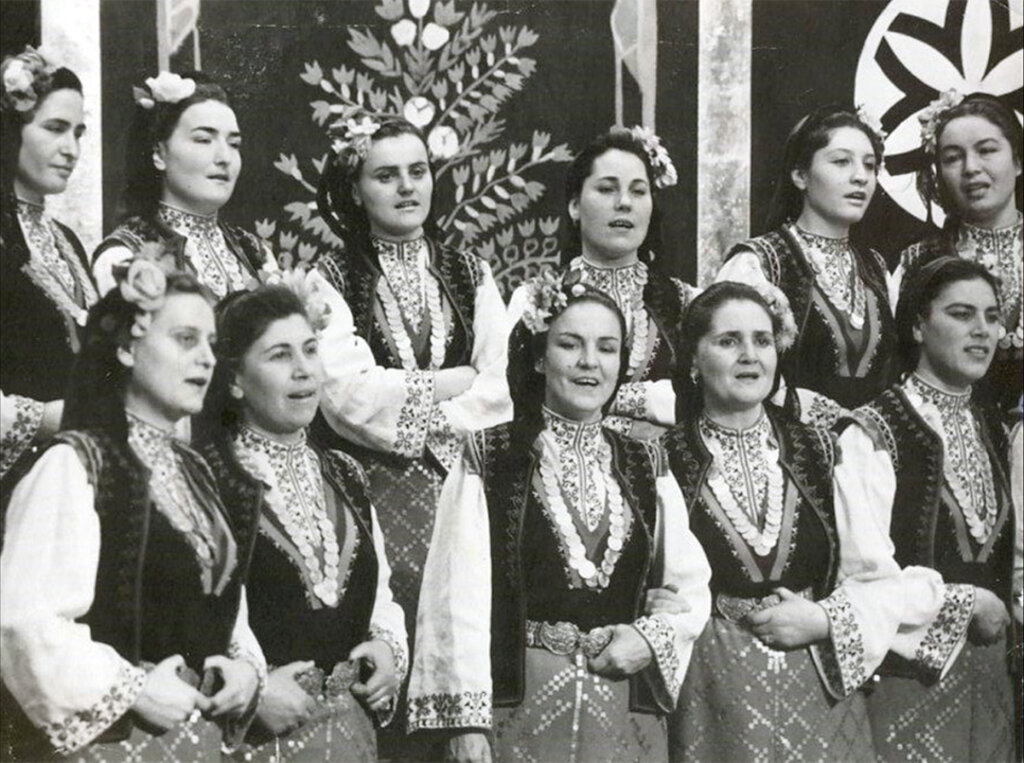
Verka Siderova (front row, centre) with some of the singers of the State Ensemble, 1968.
PHOTO Personal archive of Liliana Ganevska
Siderova often said that she first heard all the songs in her remarkable repertoire at home, from her grandmother, mother, and aunts. Her personal favourite was 'Godini, godini, usilni godini' ('Years, years, strenuous years'), but she acknowledged in several interviews that the song regarded as her signature song was “Lale Li Si”.
"When they say 'Laleto' (The Tullip), they mean Verka Siderova; when they say Verka Siderova, they mean 'Laleto'... I learned this song from my grandmother Elena."
It was precisely this song, passed down through generations in her family, that Filip Koutev first heard her perform, leaving him deeply impressed. This opened the way for her to join the State Folk Ensemble and appear on major international stages. Kutev’s choral arrangement remains one of the genre's masterpieces.
However, Siderova's solo interpretation of "Lale li si, zyumbyul li si", arranged by Krasimir Kyurkchiyski, has become one of Bulgaria's defining musical emblems.
Editor: Elena Karkalanova
This publication was created by: Elizabeth Radkova