


Author
Vesela Krasteva
Interview
Militsa Tekelieva on the path of identity from the village of Zmeyovo to Berlin
The podcast “Der Heimweg” sparks curiosity about Bulgaria and Eastern Europe through the personal story of a Bulgarian woman
Wednesday 1 April 2026 13:27
Wednesday, 1 April 2026, 13:27
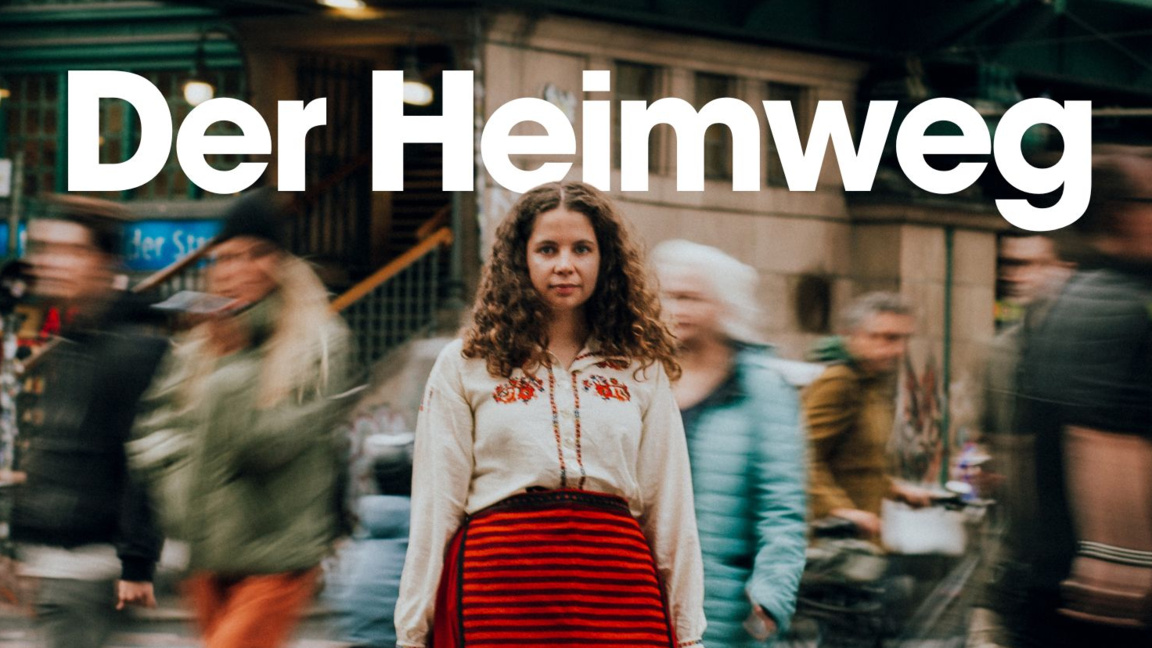
PHOTO Photo credit
Font size
What does our national identity mean today? To what extent does the place we come from determine who we are? Do we change with time spent in another country and within a different culture? These are just some of the many questions that arose during a journey in 2023 by train from the village of Zmeyovo near Stara Zagora (Southern Bulgaria) to the German capital Berlin. Five days filled with reflections and emotions about Eastern Europe - its history, people, and culture. And its untamed beauty. About the place of a small country like Bulgaria on the vast map of the Old Continent and all the emotions stirred by the cosmopolitan world we live in. The result of this journey is the German-language audio podcast “Der Heimweg” (“The Way Home”) by Bulgaria’s Militsa Tekelieva.
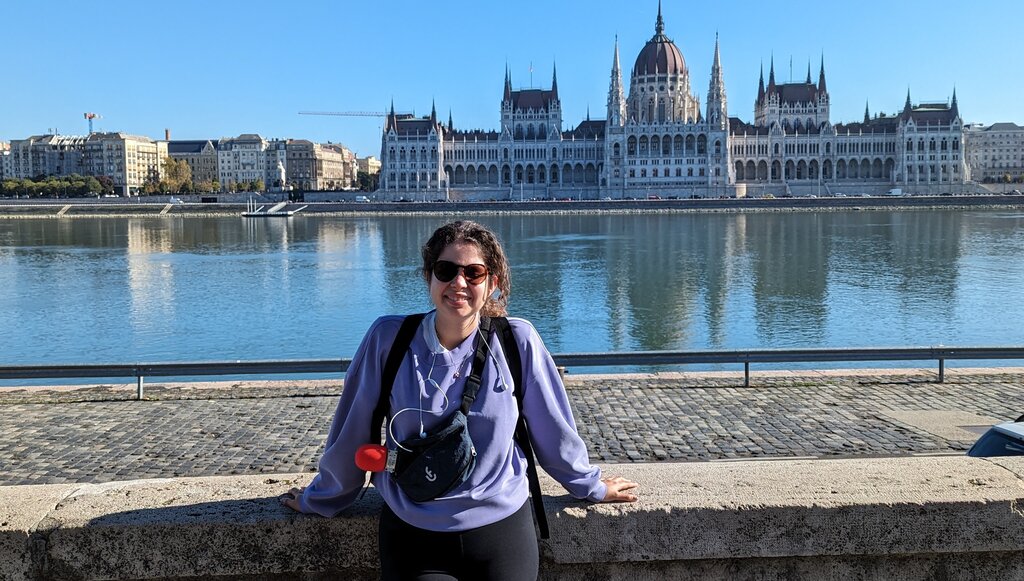
PHOTO Private archive
“I was born in Stara Zagora, but I have been living in Berlin for 13 years, and for the last five of them I have been working as a podcast producer at a production company. The village of Zmeyovo is the place where I spent a large part of my youth, where my parents currently live, and where I return when I come to Bulgaria.”
Mili, as her loved ones call her, is a child of the new era, dividing her sense of home between two countries and hundreds of kilometers. Along the way are all those questions we ask ourselves in search of the answer - who am I? Including Militsa, who tells her personal story to a German-speaking audience. A story in five episodes titled “The Way Home.”
The presentation of an episode at the Goethe-Institut in Sofia brought Militsa Tekelieva back to her native Bulgaria, where she met the audience and spoke about her idea to explore her national identity in motion - a journey many who have left home can relate to.
She herself decided to move to Germany at just 19, driven by love. “I was a young girl in love, for whom things happened without a plan,” she said in a special interview for Radio Bulgaria. Thus, 13 years ago, she enrolled in Journalism studies with the idea that after completing her higher education in Germany, she would return to her homeland.
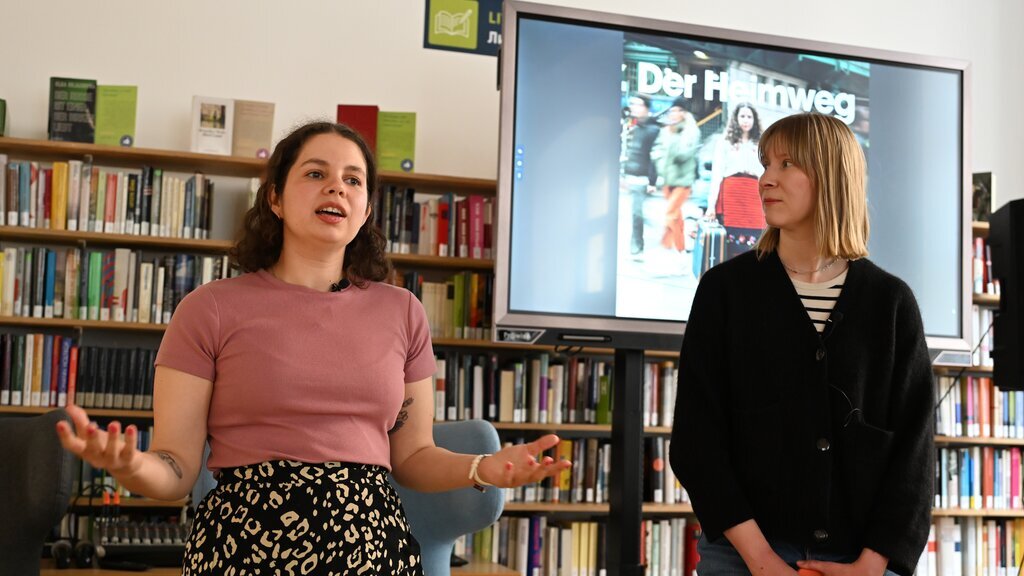
Militsa Tekelieva presents the podcast “Der Heimweg” at the Goethe-Institut in Sofia
PHOTO Dimitar Tekeliev
“In the first years, I couldn’t connect with Berlin at all. The relationship that had taken me there ended quite quickly, and I found myself alone at the end of the world - or at least that’s how it felt then. I didn’t have many friends; my longtime friends were not there. My family, which is very important to me, was not there, and I kept wondering what I was doing in that place. I had decided to finish my studies and then go back. And then, unexpectedly, another love appeared - the second one - which made me stay in Germany, and more than 10 years have passed since then.”
Militsa admits that in those early years as an emigrant, her main problem was loneliness. “Berlin is such a huge city that you can easily feel very alone there,” she says. The hardest part was finding her environment - people who shared her worldview and feelings. Today, many years later, that has changed, and she notes with a smile that she finally sees Berlin differently - as a place full of culture, interesting characters, and great freedom. This raises the question: how important is identity in adapting to a different culture, and does it define the differences between us?
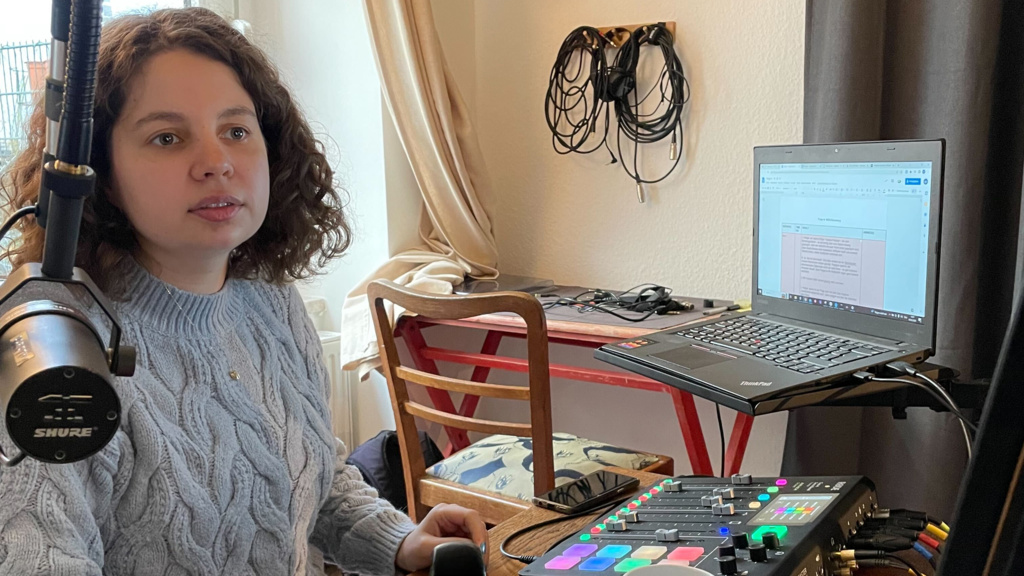
PHOTO Private archive
“We are different, but in the end, we are not that different. There are things I will never be able to explain to my German friends. It’s more of a feeling - the way I feel when I’m surrounded by Bulgarians or people from Eastern Europe, when there is an understanding between us on another level that you simply cannot translate, no matter how well you speak German or any other language. Because we are shaped by the environment we grew up in, and for me it feels much more natural to sit at a table with Bulgarians and drink rakia until morning. The feeling that arises in your soul when you do that - whether in Berlin or in Bulgaria - is different from going out for a beer with colleagues after work. Both are nice, but in different ways,” Militsa explains.
Today, Berlin is already her home - a fact that came gradually and almost unnoticed. But she admits that for a long time, the question of identity has been particularly important - to explain who she is. And perhaps it was precisely this question that “led” her on that journey nearly three years ago - from her native home to the one she is building abroad.
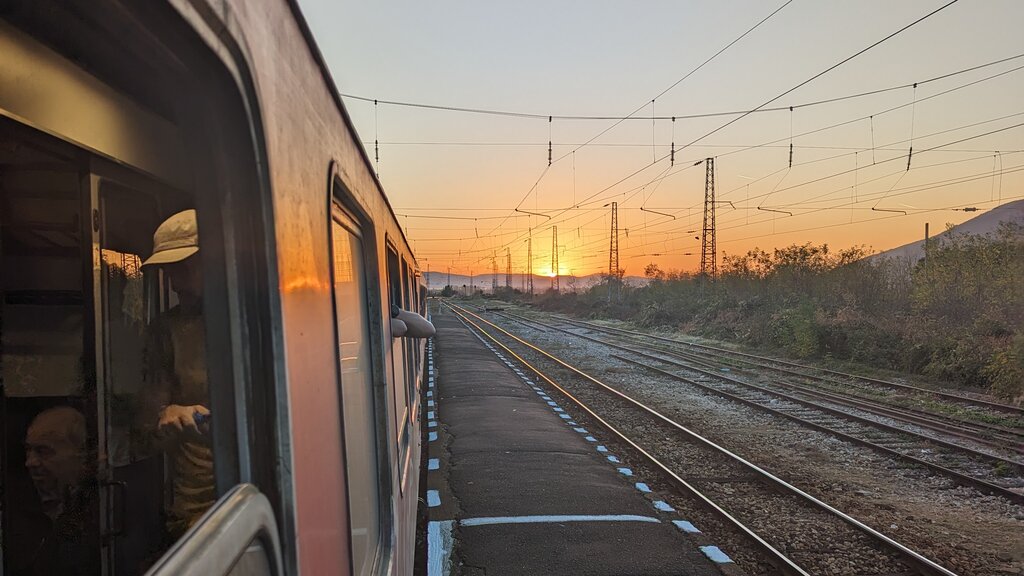
PHOTO Private archive
“At the end of the journey, I found myself with over 200 recordings from various places. During the trip, I passed through Ruse, Bucharest, Budapest, Prague, and then Berlin, and from all these places I had recordings - sounds of trains or of the cities I passed through. I had recordings of conversations with random people. And if I wanted it to become a narrative, I had to organize all these recordings and find the story within them - one that would be more than a tourist guide. It had to be more personal; it had to be a reflection on my own identity. What does this journey mean as an analogy between the history and specifics of the places I passed through and my own personal journey? What does it mean to have two places you call home? It was a long and difficult process.”
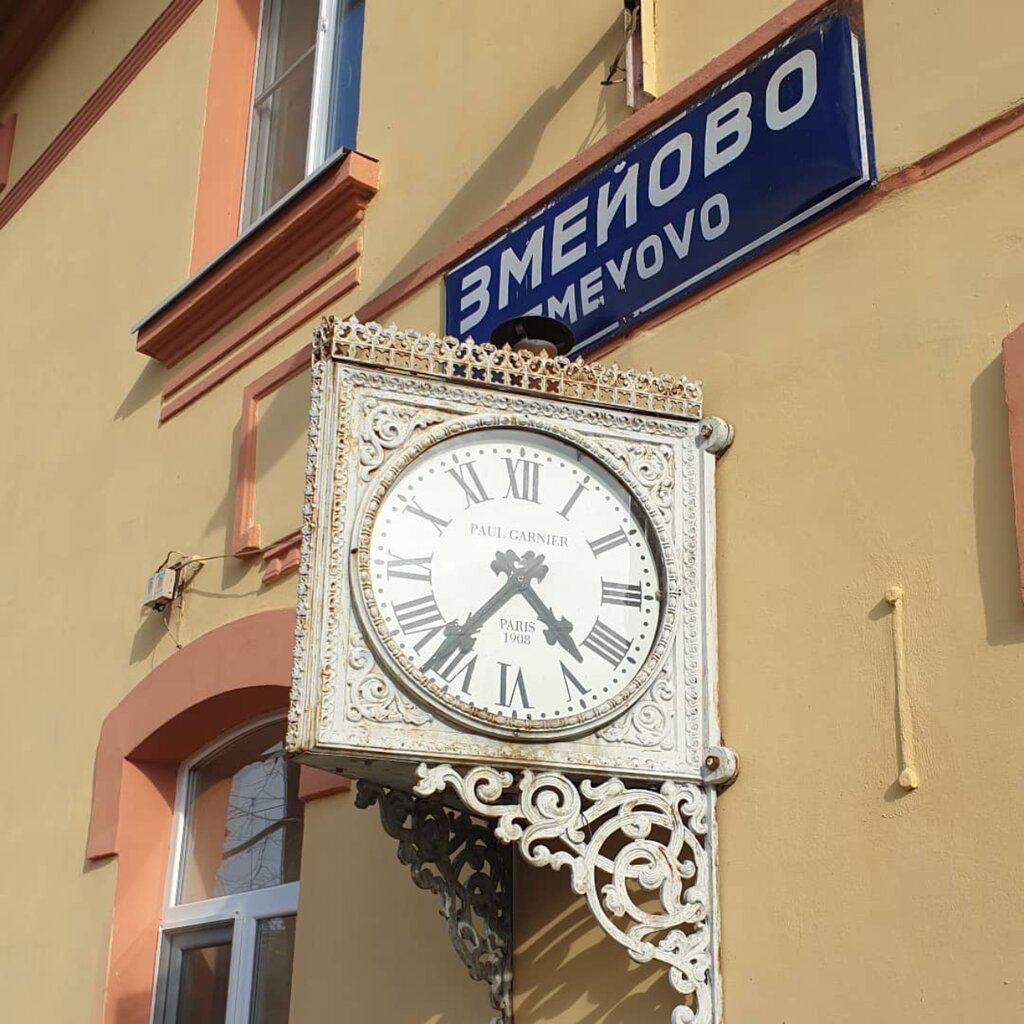
PHOTO Private archive
Mili believes it is much easier to understand a person when you see where they come from. “It’s easier to understand the Bulgarian mentality when you’ve been to Bulgaria, and naturally, it’s easier for me to understand the German one after living there for so long. The fact that we can travel and move freely in Europe is very valuable - it helps us understand each other better and become more united,” she says. And that is what she tries to convey in each of the five episodes of her podcast.
In the first episode, she travels from Berlin via Sofia Airport to the village of Zmeyovo, where she talks about herself and walks with her father around the village known for its large Pelin Wine Festival on the eve of Christmas.
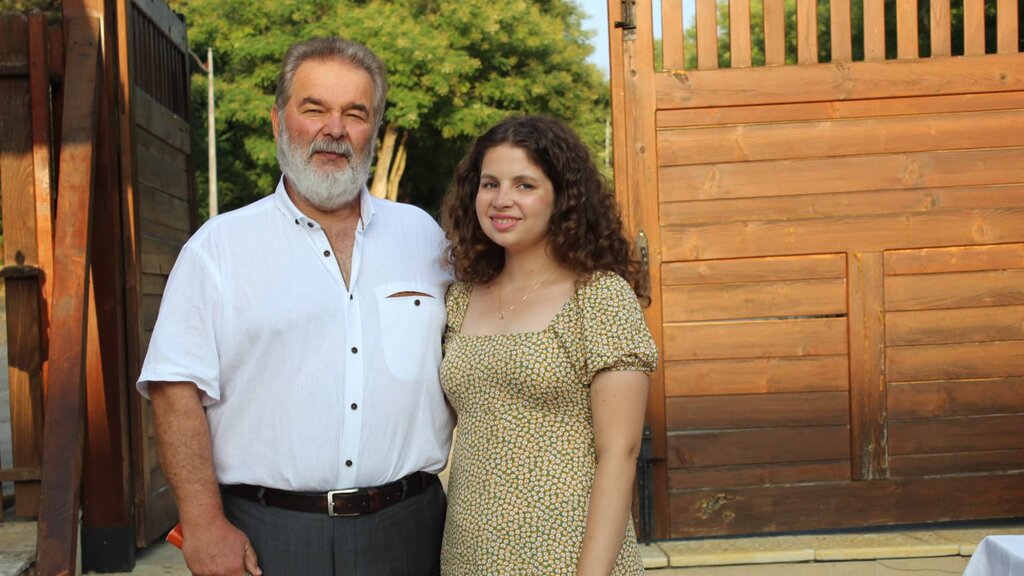
Militsa with her father Dimitar Tekeliev
PHOTO Private archive
“In the episode with my father, we talk about the journey, but also about why I left in the first place and how he feels about me not being with my family. The second episode, which we also presented in Sofia with the Goethe-Institut, focuses on my feelings toward my homeland after so many years in Germany and the sense of guilt for leaving Bulgaria and not contributing to its development.
The third episode is set in Romania and features my meeting with a Romanian friend who also lives and works in Berlin. It discusses communism and the legacy it has left in people’s minds. What does that legacy mean for us? How does a country’s history influence our personal lives and the lives of those around us?
The fourth episode takes place in Budapest and is about a spontaneous friendship with two girls - one from Australia and one from France - whom I met on a cycling tour. It’s about the people we meet by chance and how such friendships can arise in a single day and then end forever. In this episode, I sit on the banks of the Danube - on a different shore of the same river I had been on just days earlier in Ruse - and everything looks completely different. That made me think about what Eastern Europe means and why we in Bulgaria sometimes see ourselves as not quite European, as somewhat different, even though we are part of Europe.
The fifth and final episode is about Prague and my return to Berlin - it explores what it means to arrive somewhere, both literally and metaphorically. In Berlin, I will always miss Bulgaria, and in Bulgaria, I will always be frustrated by certain things,” Militsa says with a smile.
She admits that the only thing she can do in her situation is to maintain her connection with both places as much as possible. “It is very important for me to return to Bulgaria as often as my work allows,” she notes, not hiding her happiness that her work brought her back this time.
One of the most important answers she found through her podcast “The Way Home” is that she doesn’t need to explain who she is to anyone.
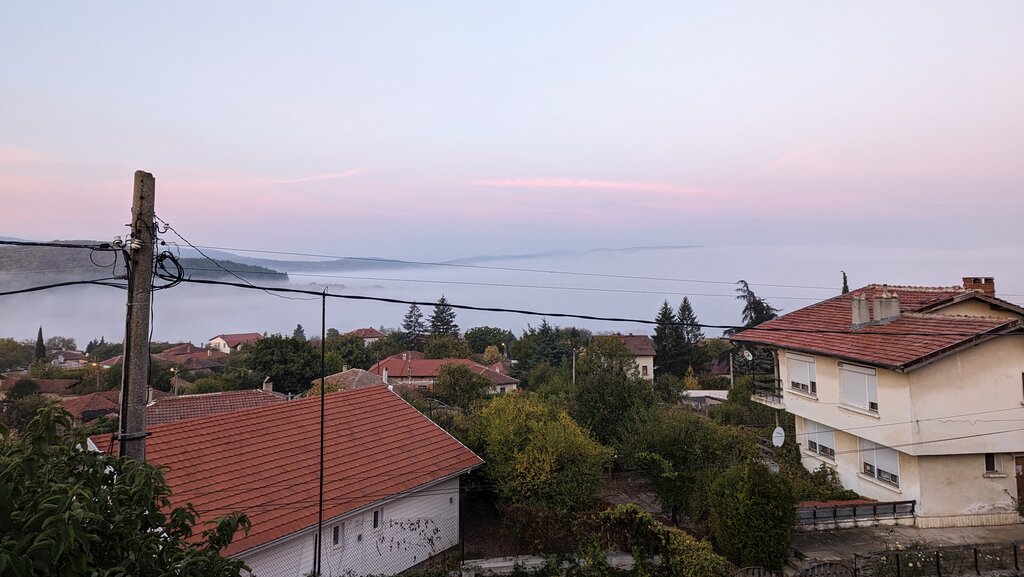
The village of Zmeyovo
PHOTO Private archive
“In fact, I am who I am. Whether I am a Bulgarian in Berlin or a Bulgarian who has returned from Germany to the village of Zmeyovo - I am the same person, and that is enough. That feeling of guilt for moving to Germany, which I mentioned, is not necessary. Leaving Bulgaria is not a betrayal, and the fact that I return and maintain my connection with my homeland is enough.”
Militsa has not only maintained her connection with her homeland, but through her work and the stories in “Der Heimweg”, she aims more than ever to spark interest in Bulgaria and in the lesser-known stories of Eastern Europe. “I hope to motivate Germans, before they go to Bali, to pass through Bulgaria - and eat a Shopska salad,” she says with her Balkan sense of humor.
But that’s not all.
“It was also very important to me that while creating the podcast, I was writing about a past version of myself - the one who was confused, lonely, and unsure of what she was doing in Berlin. I hope it reaches people who are just arriving somewhere new and wondering what to do with their lives, and shows them that things will fall into place. Everything will be fine in the end. But that doesn’t mean this is the only right path. I don’t think there is a single right path. The fact that I stayed in Germany doesn’t mean my life would have been worse in Bulgaria, setting aside political or social factors. Your personal path is something you must choose yourself - and it can be just as fulfilling in Bulgaria as it is in Germany,” Militsa Tekelieva says to anyone standing at a crossroads on their own “way home.”
Edited by E. Karkalanova
English: R. Petkova
This publication was created by: Rositsa Petkova