


Author
Ivo Ivanov
News
Rhetoric and Manipulation – a read for public speakers and ordinary voters
Friday 3 April 2026 08:05
Friday, 3 April 2026, 08:05
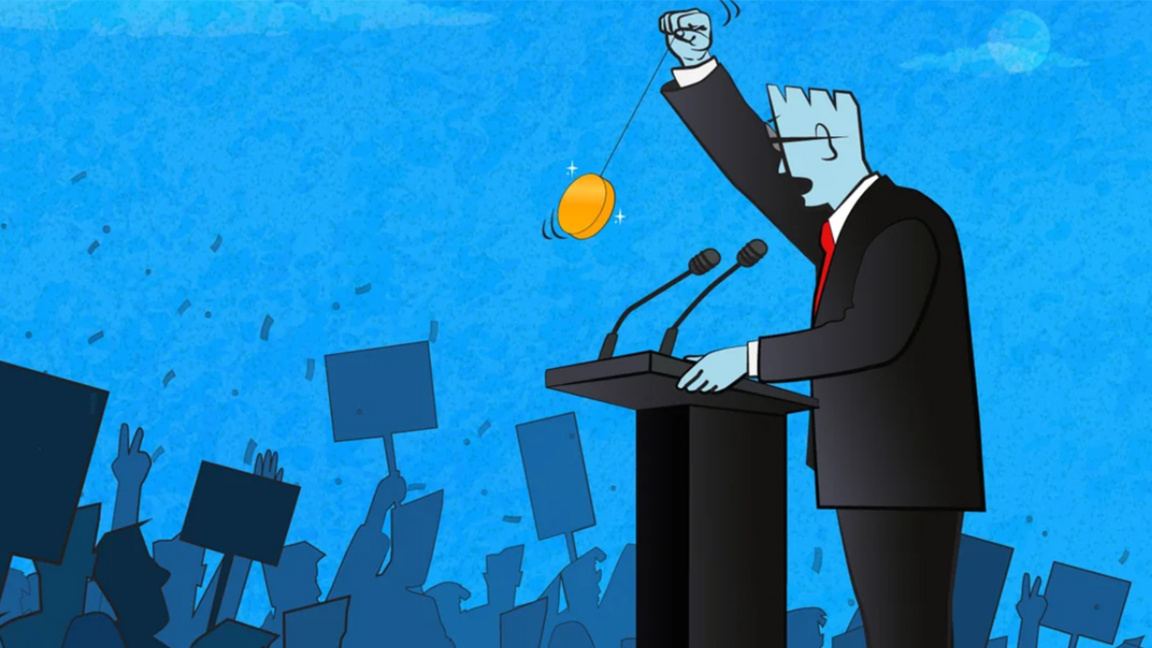
PHOTO yourdictionary.com
Font size
In a time of heightened pre-election rhetoric, when politicians are doing everything possible to attract attention and win voters, it is important to know where the line lies between argumentation and manipulation.
“Rhetoric has long been viewed as manipulation, but that is not necessarily the case,” reminds Prof. Velichko Rumenchev from Sofia University St. Kliment Ohridski, who recently presented a special dictionary of rhetoric and manipulative techniques. With it, the expert aims to show people “not how to manipulate, but how not to be manipulated - to recognize when rhetorical techniques are being used.”
Since ancient rhetoric, such techniques have been one way to win, explains Prof. Rumenchev in an interview for Radio Bulgaria. Starting from the maxim “If you think you are right, manipulate!”, he adds:
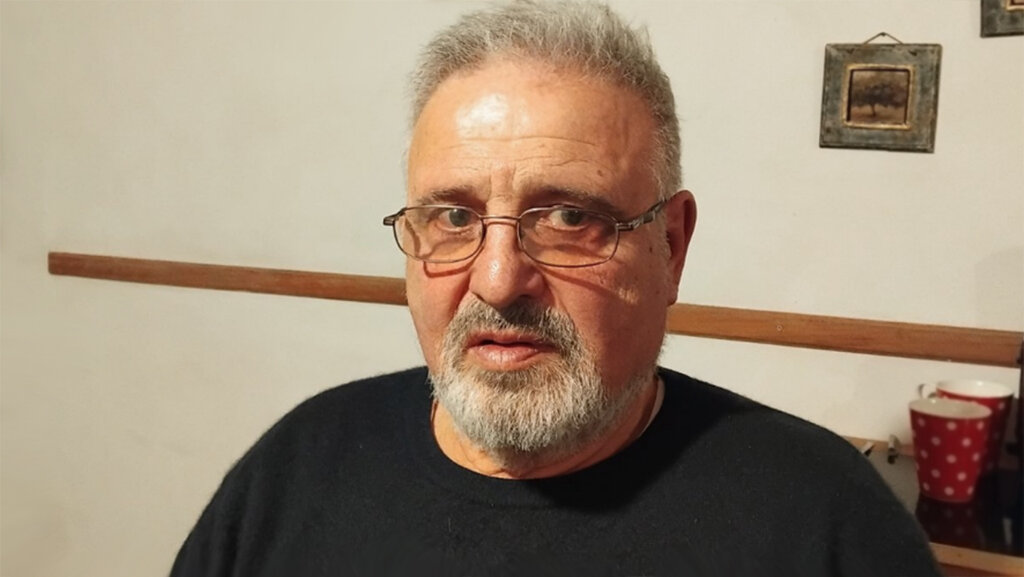
Prof. Velichko Rumenchev
PHOTO Ivo Ivanov
“Manipulation is not necessarily something harmful. For example, I could manipulate you not to commit suicide - not to jump, not to drink poison, not to take drugs. Is that bad? In other words, manipulation can be something very good; it depends on the intention. Of course, another question is that the road to hell is paved with good intentions. But it is better to manipulate someone and save their life than to leave them to exercise their free will.”
The classical postulates of rhetoric fully align with modern communication technologies and the so-called “TikTok rhetoric,” the expert believes. He notes that nowadays traditional public-square rhetoric is succumbing to technologies that allow speakers to address individuals directly - “while a person is listening to music on their headphones, they can also be listening to propaganda.”

PHOTO in-mind.org
To manipulate means to guide, says the professor, and the true mastery of an orator becomes evident when the audience does not realize it is being manipulated. This raises the question of whether politicians, who aim to lead people, society, and the state, are inevitably bound to manipulate audiences and promise things they know are unachievable.
“They mimic non-manipulators, but in fact they are manipulators,” explains the rhetoric expert. “Even in the positive sense of the word, they are still manipulators. But you will not find a politician who operates only in the positive sense - you will find both the good and the bad… One definition of propaganda, which reflects its manipulative aspect, is ‘an activity that makes people behave in ways they would not in its absence.’

PHOTO Pixabay
Persuasion is also defined as a form of manipulation,” the university lecturer explains, drawing attention to the difference between belief and trust:
“Faith is in God, where there is no need for arguments, while trust is when you have won me over through argumentation that has proven in practice to be useful and effective. Then I trust you, and I can much more easily be manipulated. What happens then? They convince you, work with you, act correctly, and you begin to believe. And when the moment comes ‘to cut off your head,’ they do it with heavy manipulation, to which you do not build communicative barriers. You lack selective perception - you open the floodgates of trust, accept everything at face value, and fall into the trap. This happens very often.”
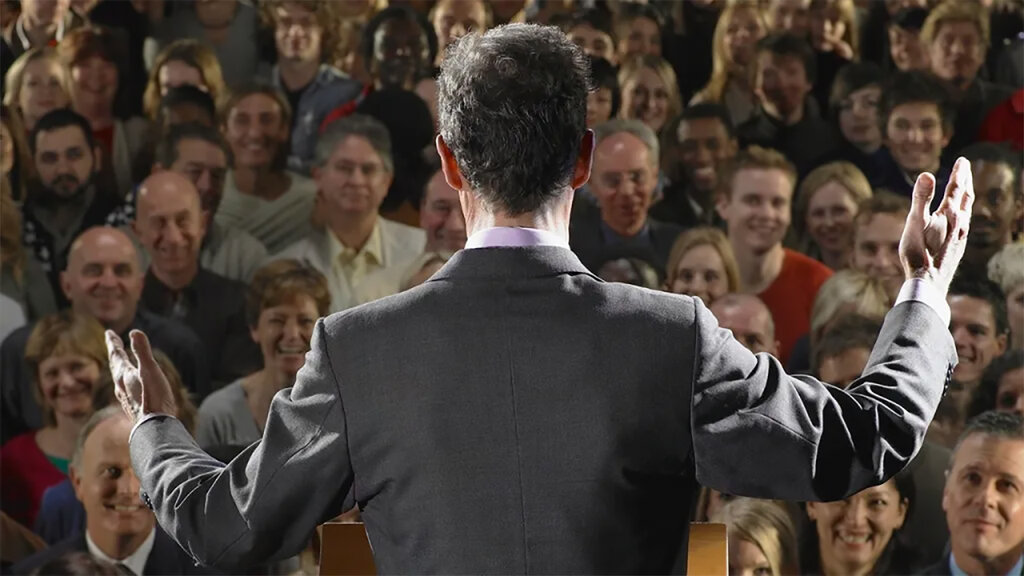
PHOTO Pixabay
To help people avoid being easily manipulated by words and techniques, and to recognize and resist propaganda, Prof. Velichko Rumenchev has spent 15 years working on the dictionary “Rhetoric: Manipulative Techniques”, which includes 505 terms from the art of speech.
An example is the best illustration of a manipulative technique. How exactly did Demosthenes, Cicero, Winston Churchill, or someone else manipulate their audience? Let it be in the positive sense of the word.
Take, for example, Iron Curtain speech. The metaphor of the “Iron Curtain” was so powerful that many Westerners who later traveled to Eastern Europe wondered where this “iron curtain” actually was, since they could not see it. That is truly impressive work,” the author says with a smile.
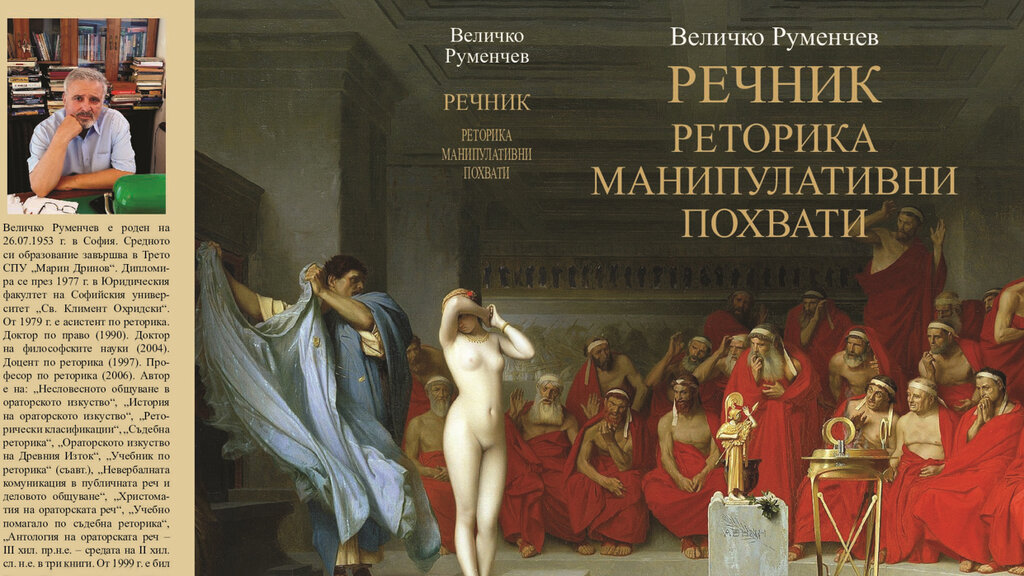
PHOTO Ivo Ivanov
Examples of manipulative rhetoric begin right from the cover of the dictionary. It features the painting “Phryne” by the French artist Jean-Léon Gérôme.
Phryne was the most famous Hellenistic courtesan in Athens. She was brought before the Areopagus, accused of impious debauchery. When her defender, Hypereides, realized he was losing the case, he tore off Phryne’s garment in front of the elders. He showed them the naked truth and asked: could God create such beauty if it were impious? The orator won over the astonished judges, and Phryne was acquitted.
Edited by E. Karkalanova
This publication was created by: Rositsa Petkova