


Author
Desislava Semkovska
Tuesday 7 April 2026 12:46
Tuesday, 7 April 2026, 12:46
Ще сложим ли български продукти на великденската си трапеза
PHOTO Facebook/ In Snezhi's Kitchen
Font size
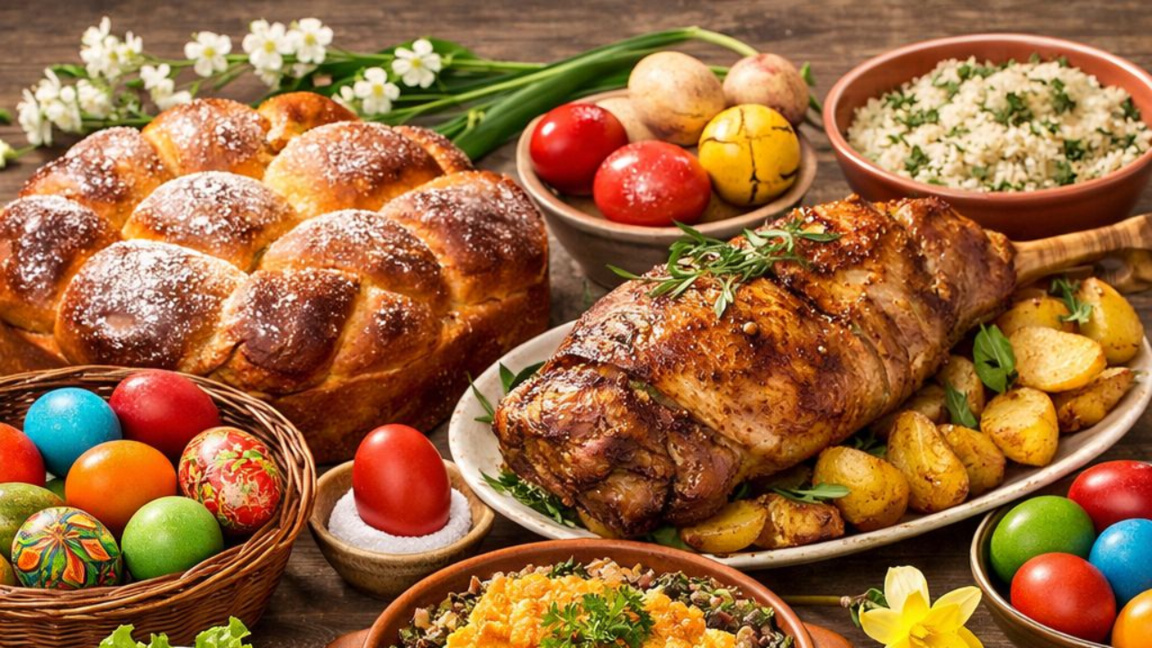
The traditional Bulgarian Easter table is rich in symbolism and marks the end of the Lenten fast. Eggs, lamb and fresh spring salads - symbols of resurrection and new life - are essential. But is domestic production sufficient, and will people be able to afford quality Bulgarian products for the holiday?
Lamb – Limited Supply and Rising Retail Prices
The sharpest price increases are seen in lamb. While farmgate prices per kilogram of live weight remain close to last year’s levels, retail prices have almost doubled.
'On farms, prices range between 5 and 7 euros per kilogram of live weight,' said Simeon Karakolev, co-chair of the National Sheep and Goat Breeding Association. 'In retail, however, we are seeing a very wide gap — between 13 and 18 euros per kilogram, with prices reaching 20 euros in some places, which is speculative.' Compared with last year, prices have risen by almost 30%, especially in recent days due to the sharp increase in fuel costs. This is causing public dissatisfaction and dampening consumption.'
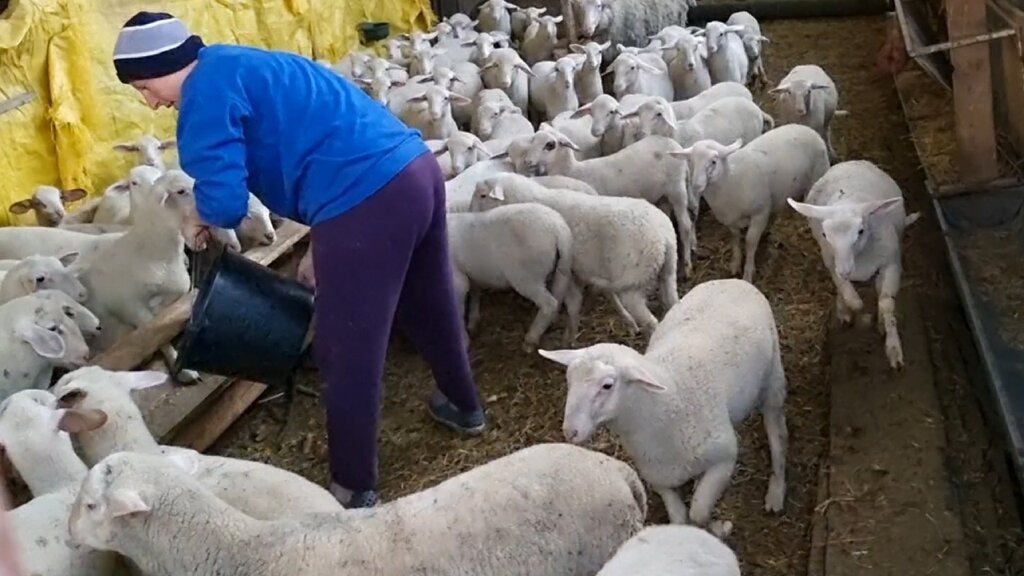
PHOTO BTA
Following last year's outbreak of foot-and-mouth disease among small ruminants and the subsequent culling, farmers now expect to meet only around 40% of domestic demand.
'There is strong demand for Bulgarian lamb, which is why the shortage this year is expected to be around 70,000 animals,' said Karakolev. ‘So we expect significant imports of around 800 tonnes.’ Imported meat will be cheaper, depending on type: chilled imports from North Macedonia and Romania will cost about 10–20% less than Bulgarian lamb, while frozen meat from New Zealand that is later thawed will be about 30% cheaper. People are increasingly shocked by rising prices in all areas and will certainly look for cheaper options.”
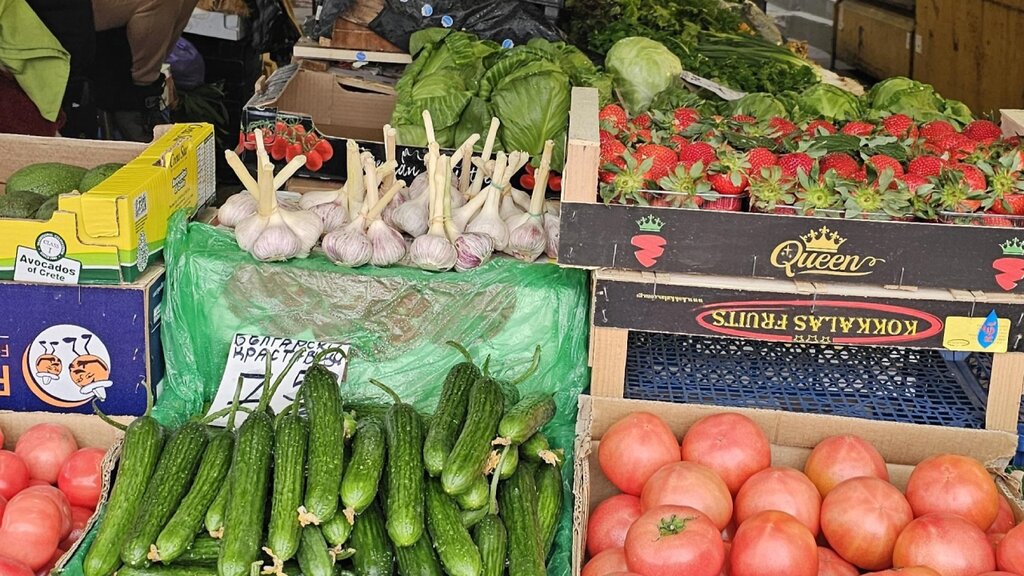
PHOTO BGNES
With a minimum monthly wage of around €620 and a minimum pension of €322, many Bulgarians are unlikely to be able to afford lamb for Easter. A similar situation applies to locally grown vegetables.
Vegetables – Unfair Practices and Policy Gaps
'It is very difficult to say what proportion of the vegetables on the market will be Bulgarian, but I hope that more local produce will be available, at least for Easter,' said Mark Tsekov, secretary general of the National Chamber of Fruit and Vegetable Growers. 'Even though it is not yet the season for most greenhouse produce, apart from cucumbers, I see many goods labelled as "Bulgarian", which I find questionable.'
He noted that the price of greenhouse vegetables had increased due to higher energy costs, including fuel and electricity. At the same time, he expects the first domestic greenhouse produce to reach the market around Easter, which should push down the price of imported fruit and vegetables.
He said that a more serious issue is unfair market practices.
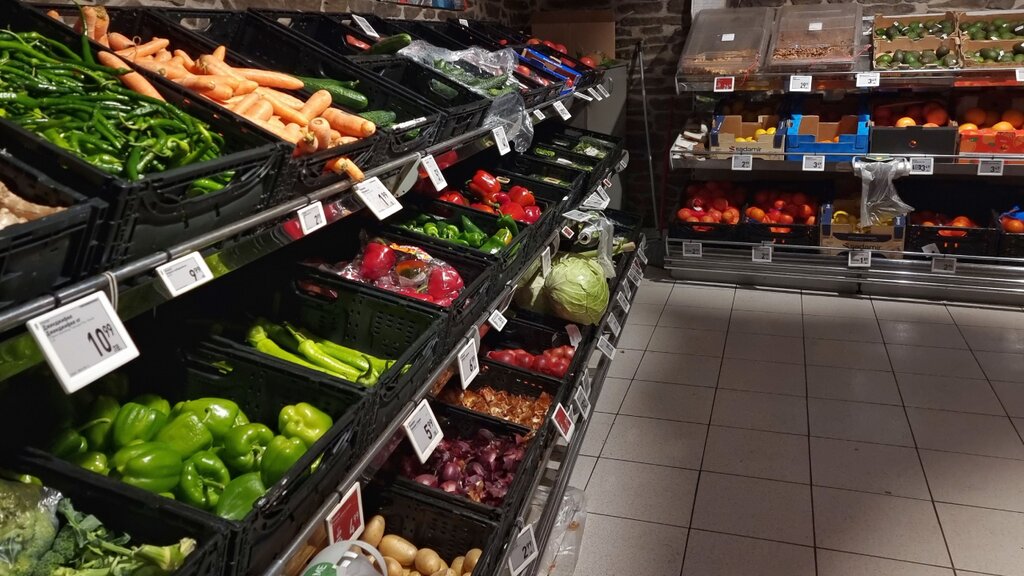
PHOTO BTA
“These include misleading labelling, changing the stated origin and repackaging imported fruit and vegetables as Bulgarian,” said Tsekov. 'In reality, all goods — regardless of packaging — must meet certain criteria, which are often missing from store labels. This will continue as long as policies for the fruit and vegetable sector are compromised. We need legislation that sheds light on the supply chain and identifies the sources of speculative pricing, as well as a unified law for industry organisations that encourages producers to collaborate, as this is a successful model.”
Eggs – Stable Prices and Sufficient Supply
The outlook for eggs is more positive. Ivaylo Galabov, chairman of the Union of Poultry Breeders in Bulgaria, said that domestic production will be sufficient to meet demand over Easter.
'I would not say we should expect price increases,' he said. 'In recent weeks, egg prices in Bulgaria and across the EU have remained stable. According to Eurostat, the annual increase across the EU is around 19%, and prices in Bulgaria are close to that level.'
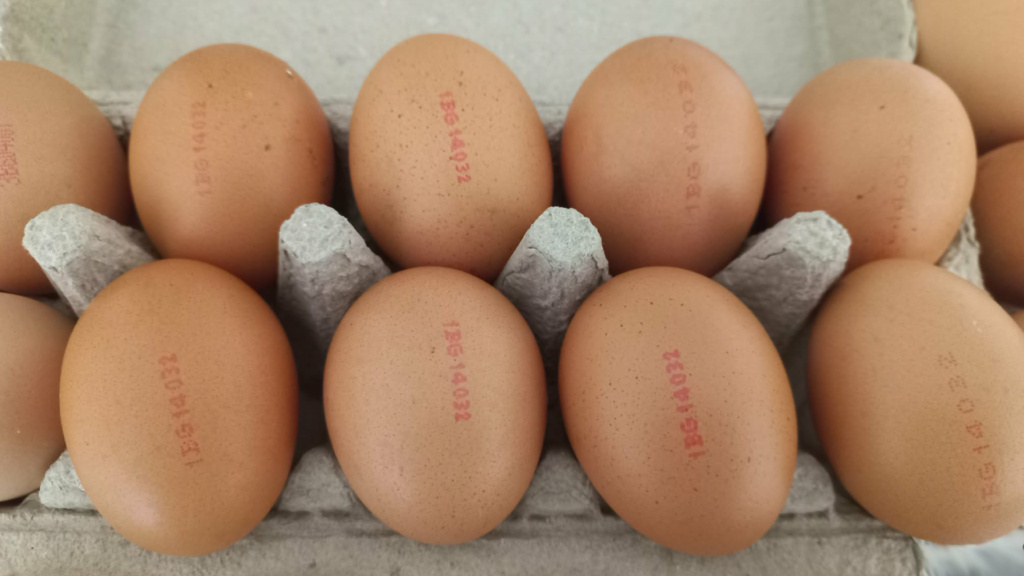
PHOTO Ergul Bairaktarova
He added that Bulgarian eggs are among the cheapest in the EU and that there are no imports from third countries except Ukraine, which has access to the EU market.
'We do have eggs from other EU member states, such as Poland or Romania, but these will be in limited quantities — most likely white eggs, which are less popular in Bulgaria outside the Easter period,' Galabov said. ‘I can confidently say that, thanks to the measures taken by the Bulgarian Food Safety Agency, imported eggs of European origin will also be of high quality.’
Editor: Elena Karkalanova
This publication was created by: Elizabeth Radkova