


Author
Gergana Mancheva
News
Easter egg tradition lives on in Ihtiman
Artisans turn a symbol of the Resurrection into works of art
Thursday 9 April 2026 06:30
Thursday, 9 April 2026, 06:30
Рисуваните великденски яйца – традицията е жива в Ихтиман
PHOTO Facebook/ Velina Lyubomirova Mineva
Font size
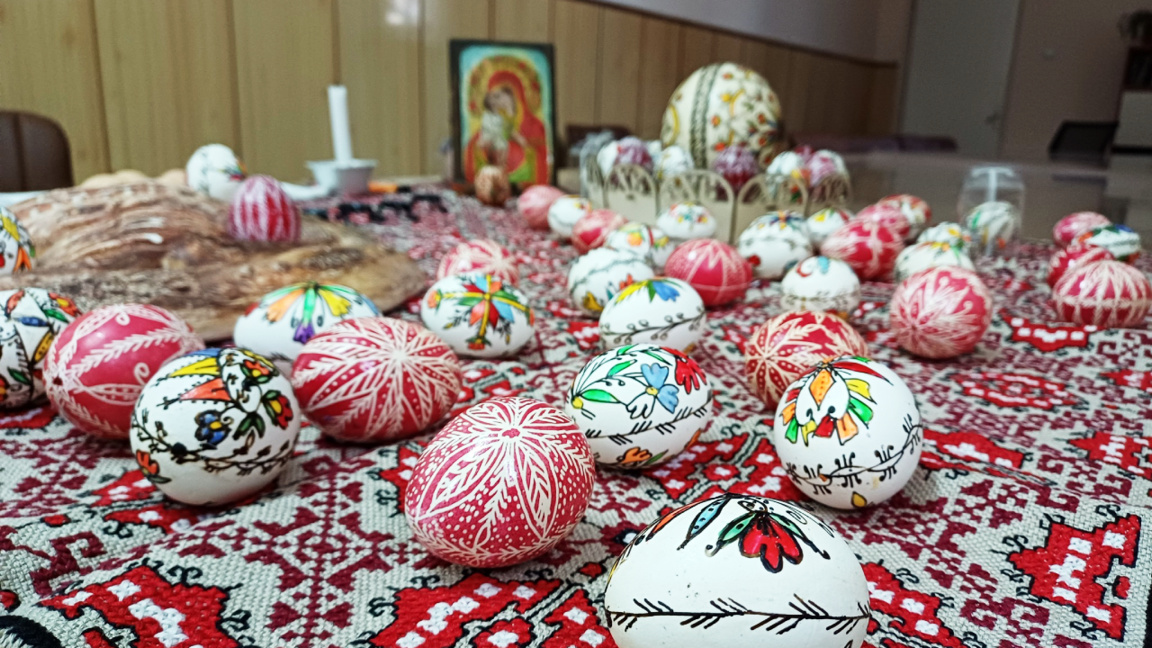
The tradition of decorating Easter eggs with coloured wax is still alive today, passed down from generation to generation. Visitors to Ihtiman, a town near Sofia, can watch the how these distinctive Bulgarian symbols of the Resurrection are made.
The centuries-old craft of Ihtiman’s decorated eggs is carefully preserved, with the local History Museum playing a key role in passing it on. As part of its ethnography and crafts programmes, the museum organises workshops for children aged between five and 17. The museum's collection of decorated eggs also attracts considerable interest from visitors.
In Ihtiman, egg decoration using traditional techniques begins as early as January each year and continues until Easter. A single artisan can produce around 600 eggs. The museum later presents these works in exhibitions across Bulgaria and abroad.
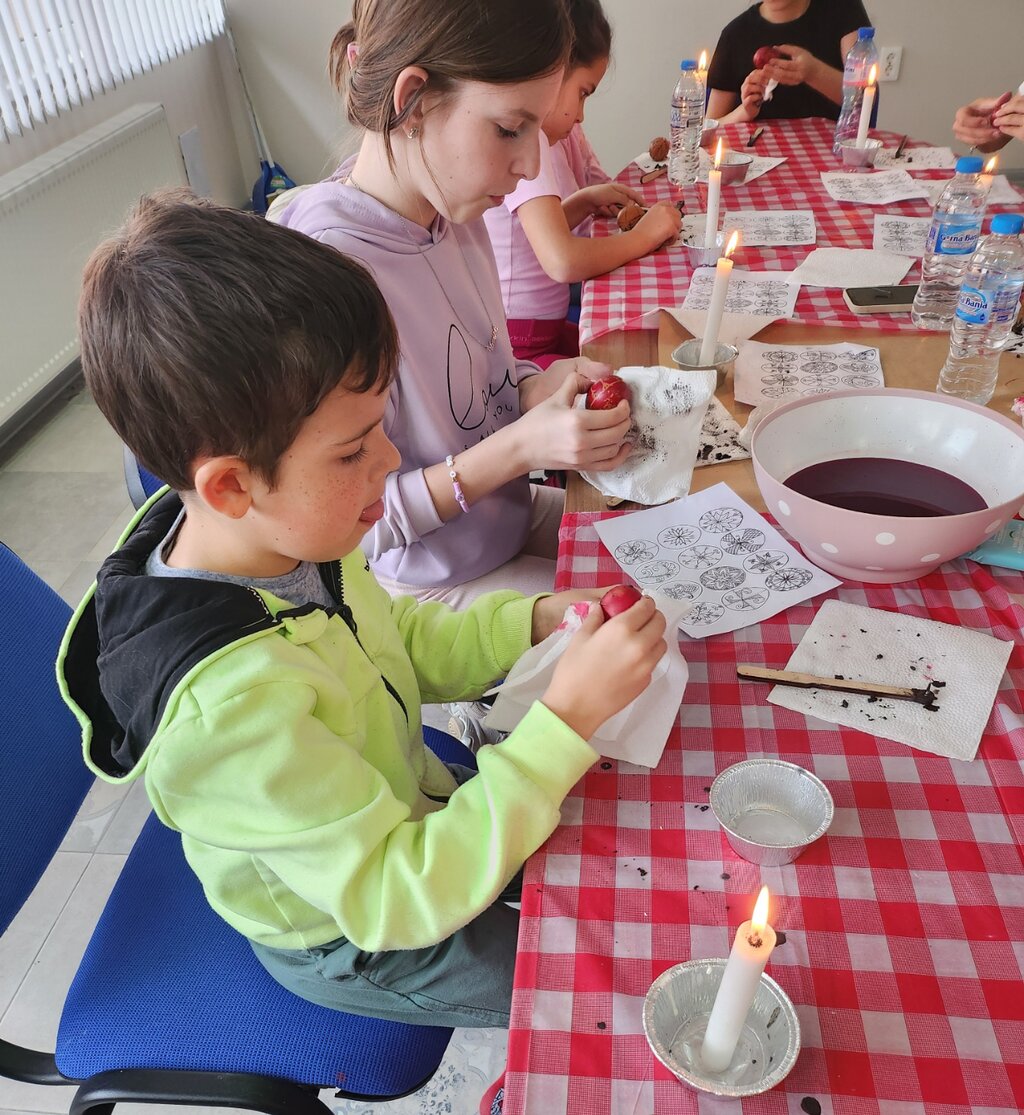
PHOTO Ihtiman municipality
“The tradition of decorating Easter eggs with beeswax is very characteristic of our region. It also exists in a few other parts of Bulgaria, such as Velingrad, Etropole, Dolna Banya, and the village of Kostenets," said Velina Mineva, the museum's director and head of a local ethnography and folklore group.
"Eggs have been decorated in Ihtiman since the 19th century. We use two main styles: geometric and floral motifs. Geometric designs are applied to a raw egg using wax, after which the egg is dipped in alum or vinegar. Our great-grandmothers used sauerkraut juice and boiled the egg in and then boiled the egg in a red textile dye. The egg is coloured red, and then the wax is removed.
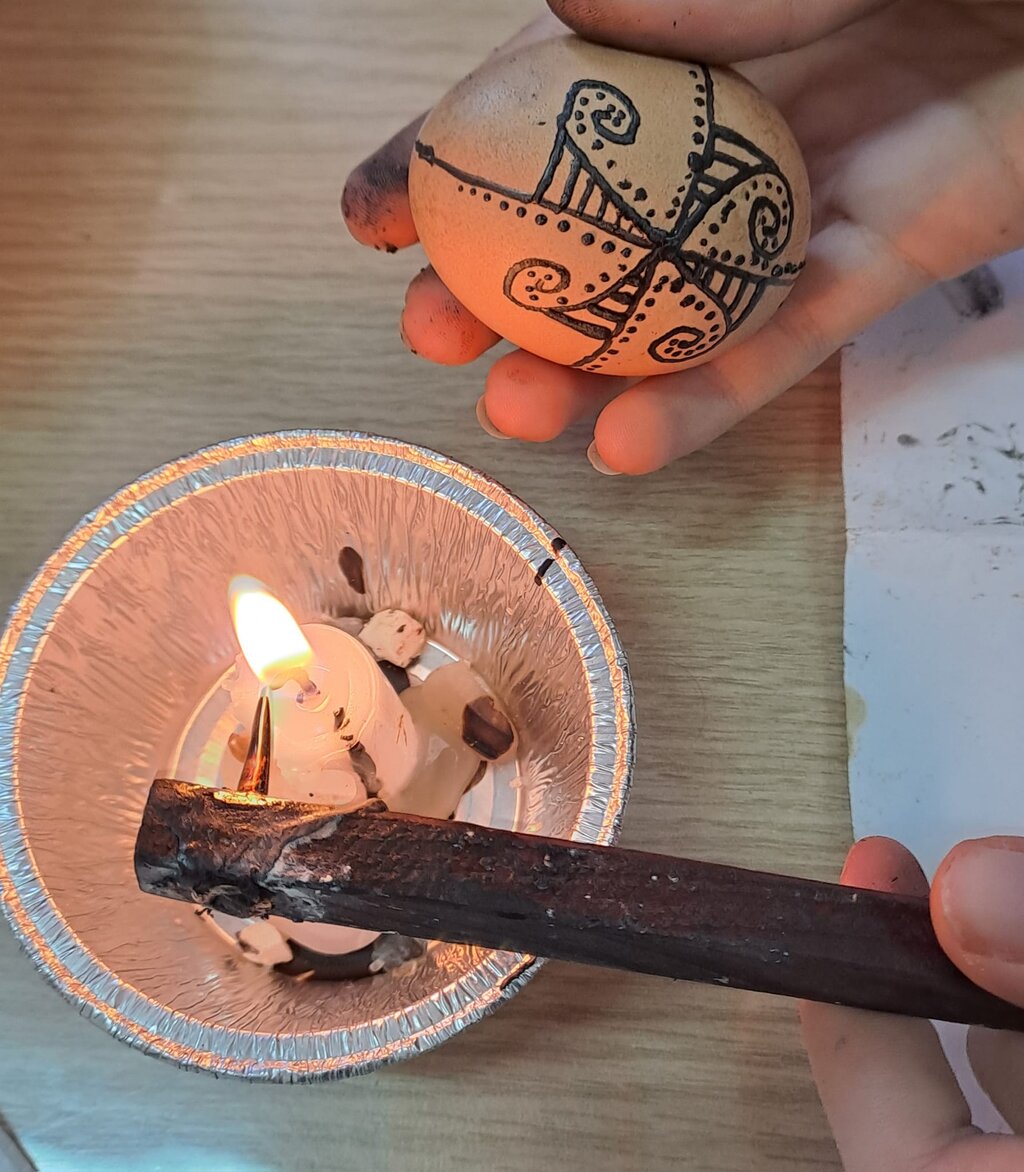
PHOTO The municipal children’s centre in Ihtiman
Later, our grandmothers began using darkened beeswax to draw directly on the egg, rather than dyeing it. This led to the development of floral designs and gave rise to a second, distinct style.
We always start with the cross, which may appear as a church cross or as a flower, and only then add the other elements,” she told Radio Bulgaria.
Decorating an egg invests it with positive meaning and symbolism, say ethnographers who study the tradition of adorning eggs with Christian motifs. As a symbol of life, the egg becomes an expression of wishes for fertility, good fortune, growth, and abundance. At the same time, the decorated egg is a ritual gift for family and loved ones — a tradition that continues today.
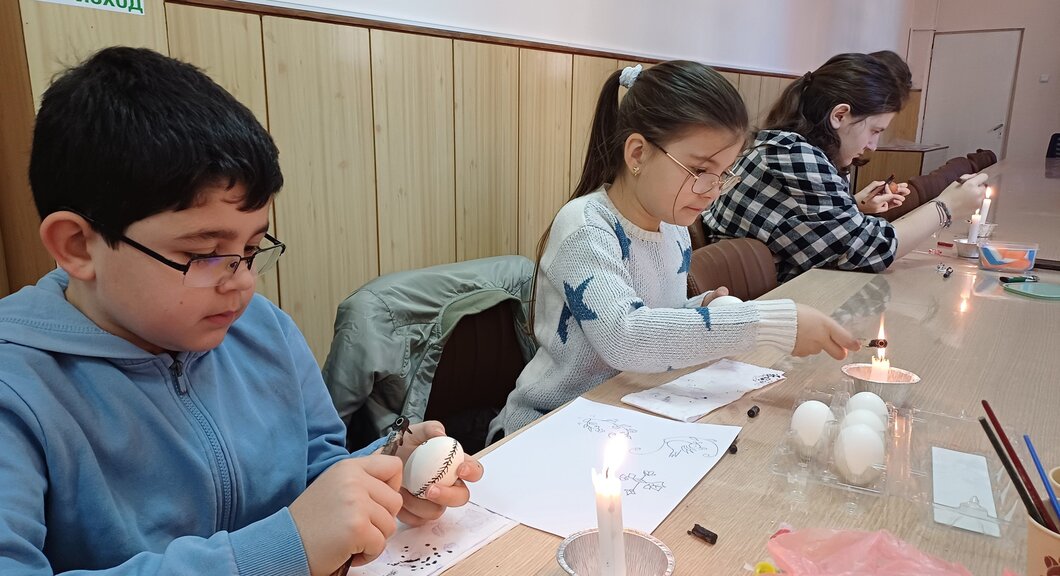
PHOTO Facebook/ Velina Lyubomirova Mineva
"In Ihtiman, many local women still decorate Easter eggs using smoked beeswax, which is applied to the white egg with a special stylus," Ms Mineva added.
"We heat the beeswax to around 200 degrees, which creates a soot effect. When decorating an egg, it is important to be calm and think only of good wishes — that is what our elders taught us. This knowledge has been passed down through generations, and we are trying to continue that tradition through the museum’s workshops. We want this craft to remain in Ihtiman, and the children are helping to carry it forward. Many of them are highly skilled and take pride in the fact that this technique originates from our region. We use a a wool dye mixed with egg yolk. The first egg, decorated with a cross, is placed before an icon of the Virgin Mary, and only then do we begin decorating the others.”
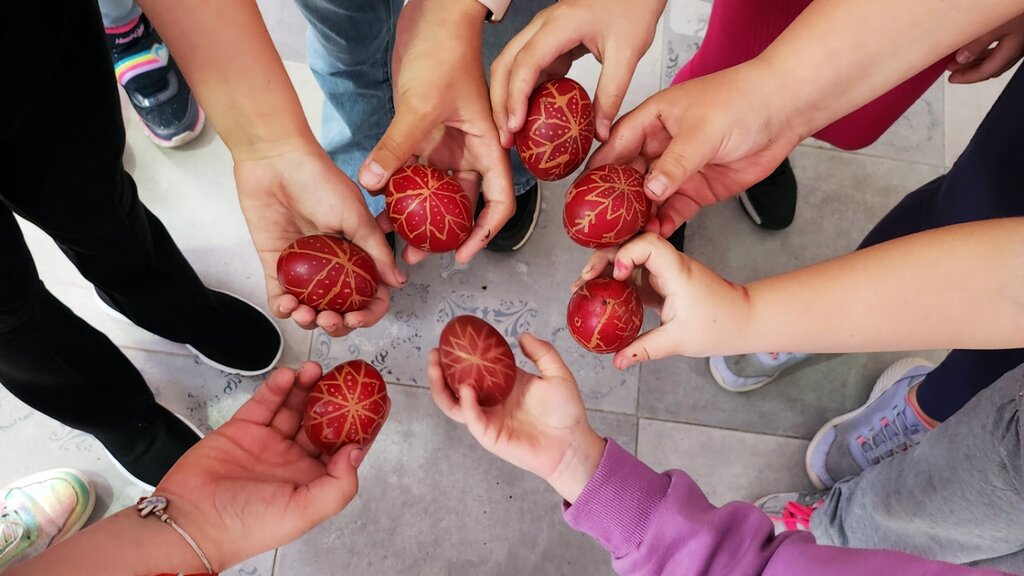
PHOTO Ihtiman municipality
Around Easter each year, this traditional craft is revived, with artisans in Ihtiman turning hundreds of eggs into small works of art. Their work lives on as family heirlooms or exhibits in museum collections.
- Maria Malcheva and the cornucopia of painted Easter eggs from Velingrad
- Bulgarians in Bessarabia keep the tradition of a special game with Easter eggs
Editor: Elena Karkalanova
This publication was created by: Elizabeth Radkova