


News
From Radio Bulgaria's treasure trove
The egg: symbolic meanings and rituals
Thursday 9 April 2026 06:10
Thursday, 9 April 2026, 06:10
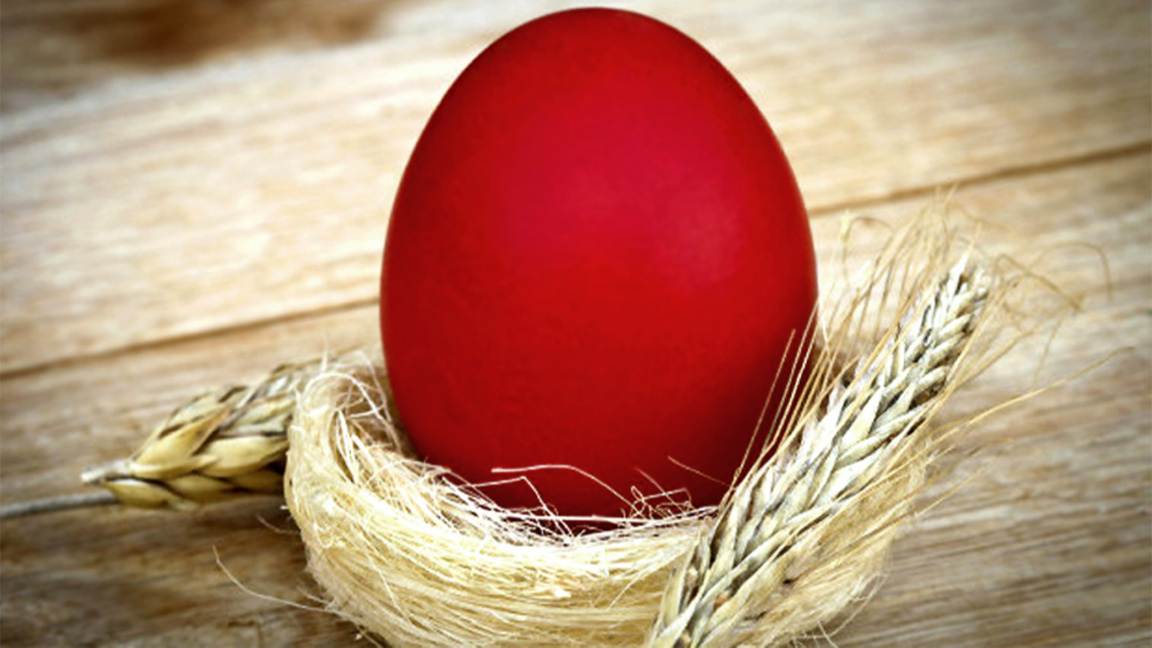
PHOTO archive
Font size
For most Bulgarians the colorfully painted
eggs, along with roast lamb and the sweet bread kozunak, are the foremost
emblems of Easter. Why so? Why has the red egg emerged as a symbol of the
Resurrection of Christ?
According to the Orthodox Church the red color is associated with Christ’s
blood and the suffering of the Savior on the Cross, and the egg symbolizes His
resurrection. And indeed, the egg appears to be dead and still, but in fact it
carries life. In this sense, it is an apt symbol of victory over death and of
the seasonal transition from winter to spring. A brief look into ancient
traditions suggests that for many peoples across the world the egg is a symbol
of the beginning and a source of life. In the myths of Egyptians, Babylonians,
Indians, Greeks and Chinese, the Universe or at least some of its parts, such
as the earth, the heaven and the heavenly luminaries, emerge from an egg. The
bird-totems of a tribe, the first humans and even God who created the world,
come out of an egg too.
The Bulgarian folklore, too, displays a few cosmogonic notions linked to the
egg. In children’s folk songs sung at the beginning of the spring, the sun is
presented as a divine egg. Here is an excerpt from the lyrics of such a song:
Sun, dear Sun, a divine egg! Man is a chicken brooded from you and shown to the
world!
Another similar text goes that time is a hen and the stars are the eggs brooded
by it. The Earth too, is compared to an egg, red and colorful, and life is the
chicken that broods from it.
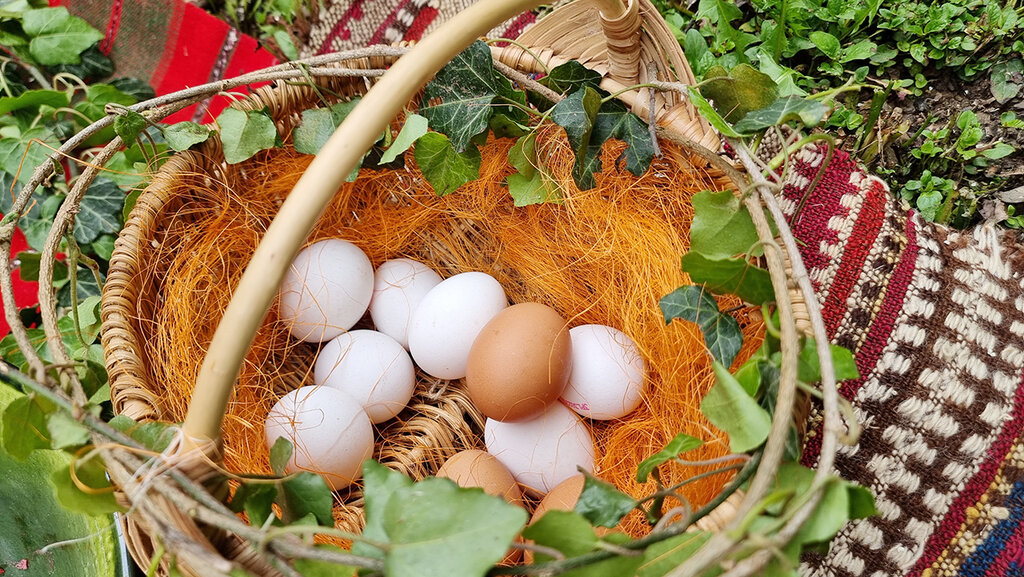
PHOTO BTA
There are riddles in which the stars are
described as heavenly eggs such as:
A full sieve of eggs, with a duck in the middle: what is it? Answer: The sky
with the stars and the Moon.
And here is another one:
A horse was stepping on eggs but did not break a single egg. What is it?
Answer: The Moon and the stars.
In another riddle the egg is presented as a house, another symbolic image of
the Universe:
Walled over, plastered with lime, with no holes anywhere.
In traditional notions the egg had magic powers and was therefore used in a
range of rituals. It was used to practice exorcism or to check whether someone
has suffered from the curse of evil eyes. The exorcist held the egg above the
head of the sick man, and in case he had been cursed the egg began to sweat. It
was believed that in case a woman was a witch she could hatch a magical egg. An
egg with two yolks had to be taken and kept in the armpit for 40 days. This
would result into the hatching of a bicephalous chicken able to steal away the
fertility of other people’s fields and then bring it to its mistress. In folk
tales the magic powers of sorcerers or monsters are hidden in an egg. When the
hero finds the egg and breaks it, those powers disappear.
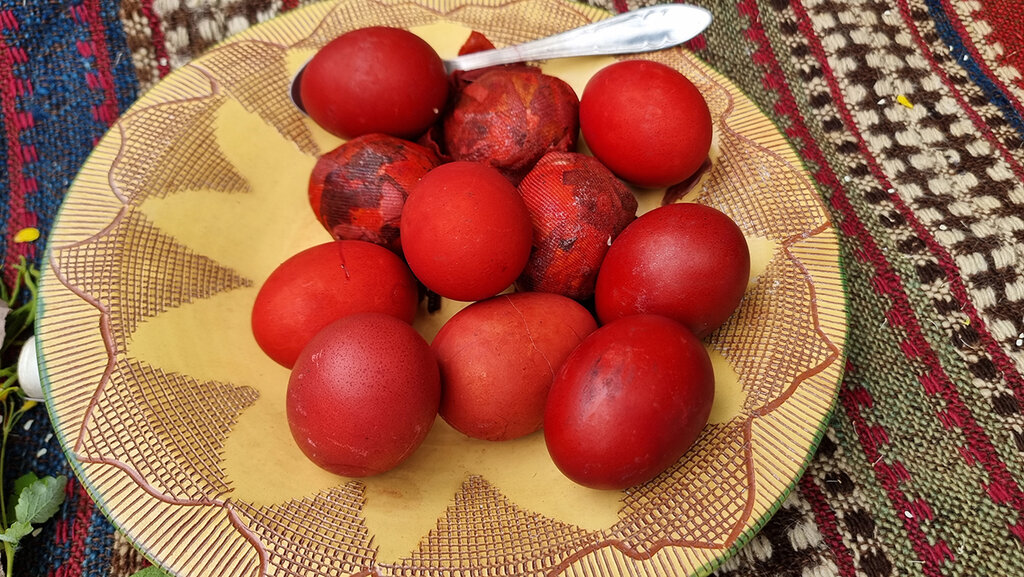
PHOTO BTA
However, the greatest powers were traditionally ascribed to the red Easter egg. It was used for healing practices, white magic and exorcism. By tradition, Easter eggs are dyed on Maundy Thursday by the oldest woman in the household. In the past, 500 to 600 eggs were dyed and painted for Easter in large, affluent households. Some of them were given out to relatives, friends and to the needy people in the community. Natural dyes were used to dye eggs in the traditional community. The red was achieved by using oregano, the green came from nettle, the orange, from sumac and the yellow from either walnut leaves or apple peels. Before starting the ritual of dyeing eggs, the housewife made the sign of the cross with the words, “God forbid, we welcome the red egg again next year!”
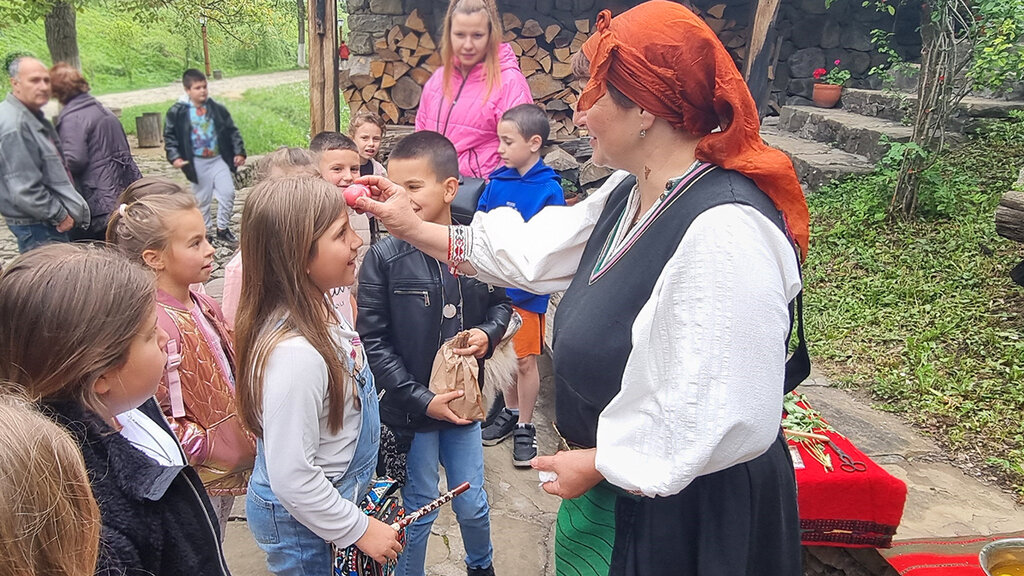
PHOTO BTA
The first egg was necessarily dyed in red and was rubbed to the cheeks of children, teenage girls and young brides for the sake of beauty, health and protection from evil spells. In some parts of the country the first red egg was placed below the house’s icon meant to bring health and prosperity to its inhabitants. In other regions it was buried in the farming fields to protect them from hails, or was added to the sowing seeds, so as to bring fertility and a good harvest. When a new house was to be built, a red egg was placed at its foundations to make the house strong and the household healthy and lucky. On Easter red eggs were taken to church and are left by icons. The Easter eggs are the first food that is consumed after the Great Lent for Easter.
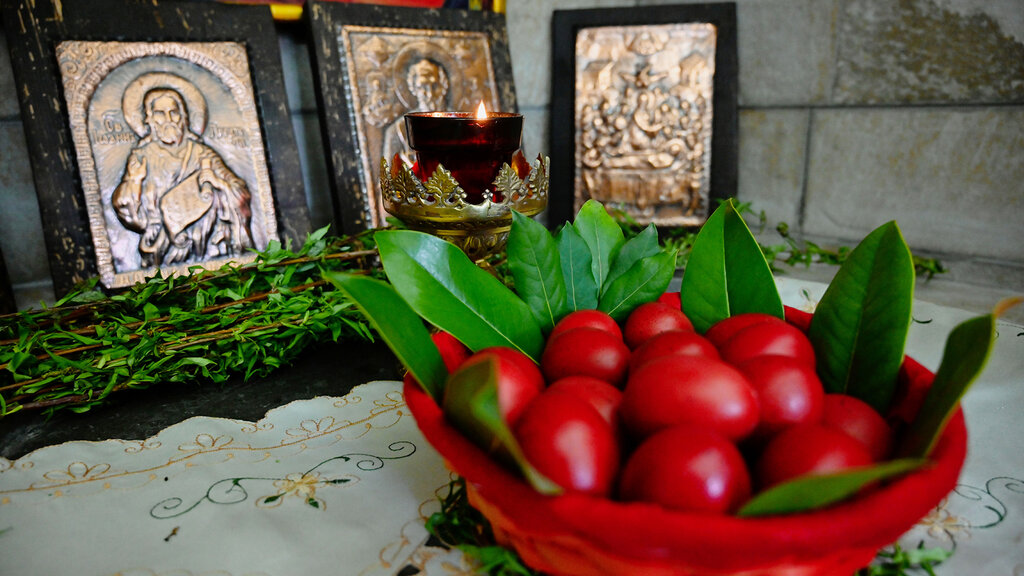
PHOTO BTA
The decorated eggs had a specific meaning. They were not meant for consumption but were instead given to close relatives and friends as a token of love and respect. This is where the famous proverb comes from: He is being cared of like a decorated egg. Eggs were decorated on Good Friday by girls and young brides. Girls would give them to their sweethearts and the brides – to their husbands, parents and in-laws. Usually the content of the egg was drained through two tiny holes and the egg was then decorated with a strictly defined technique.
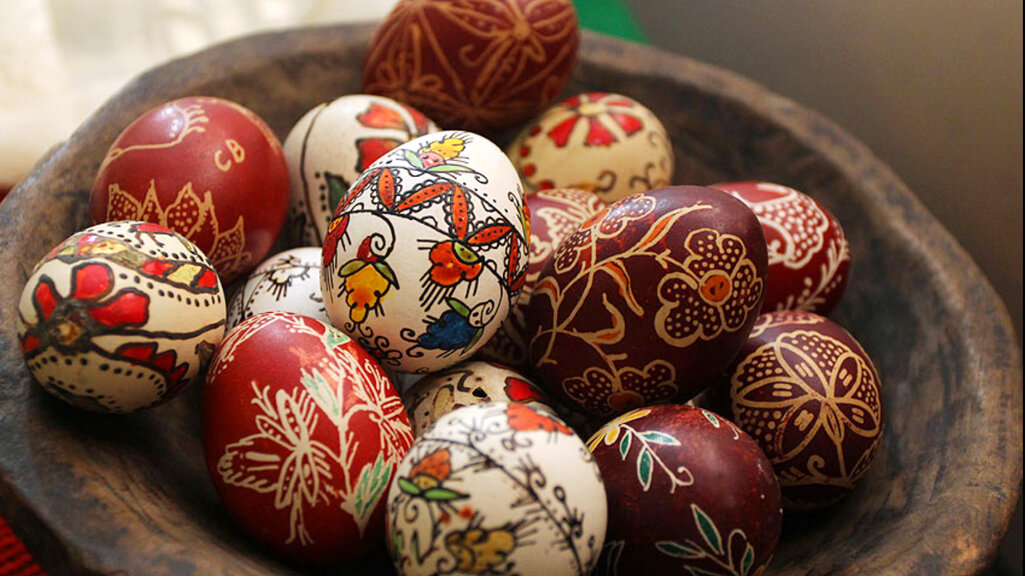
PHOTO BGNES
Most often, melted wax was used to draw various shapes on eggs that remain white after dyeing. In some parts of Bulgaria small woolen tassels were attached to them stuck with wax. In monasteries a different kind of decoration was used. Using tiny knives monks carved on the egg shells scenes from the Gospel or lovely ornaments borrowed from church books.
This publication was created by: Kostadin Atanasov