


Tuesday 14 April 2026 13:47
Tuesday, 14 April 2026, 13:47
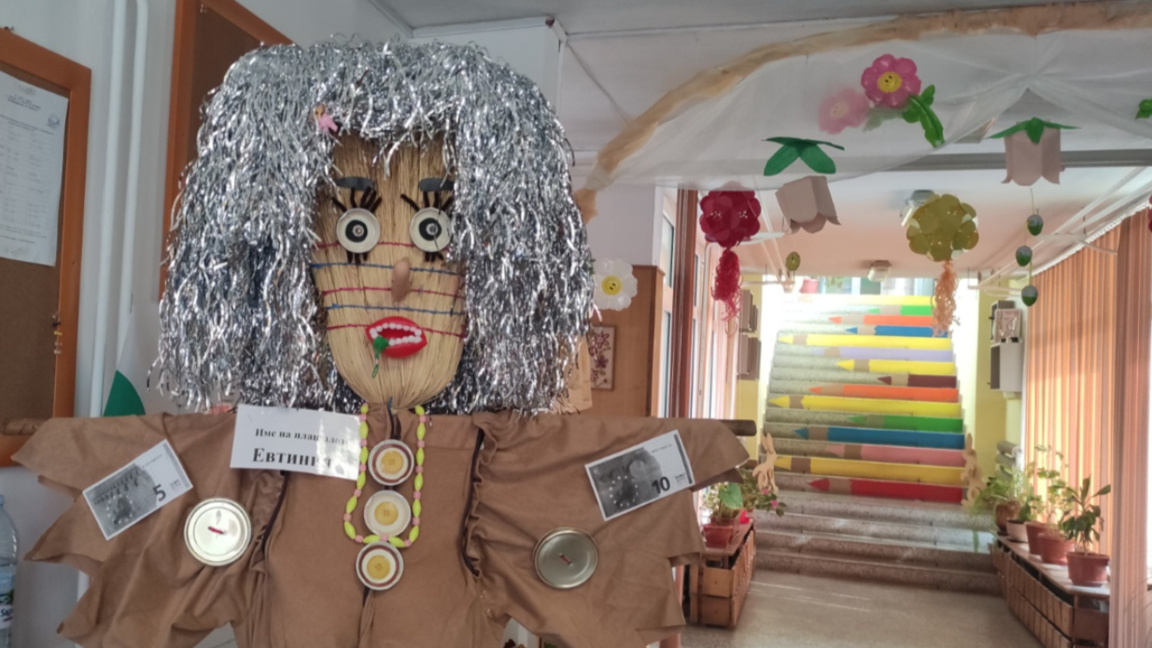
PHOTO BNR
Font size
Inflation is worrying Bulgarians - the currency change, combined with rising fuel prices, is putting holes in family budgets. That is why the people of Gabrovo, known for their sharp sense of humor and frugality in everyday life, half-jokingly say they don’t go out so they won’t run into it. In the Bulgarian capital of humor, rising prices have become a trigger for jokes, and this year the national children’s competition for making garden scarecrows is under the motto: “I scare prices, not crows.”
“Besides chasing away crows to protect crops, people in Gabrovo use scarecrows for other purposes too - years ago, resourceful residents placed a dummy policeman by the road near their homes as a scarecrow for reckless drivers,” says Bulgarian National Radio correspondent Velina Mahlebashieva. “Now, however, the topic that strongly concerns many is rising prices. That’s why the organizers from the Ethnographic Museum ‘Etar’ decided to test the sense of humor of children and young people by inviting them to create scarecrows that frighten not crows, but prices. The competition is ongoing, but several creations have already been submitted. One of them is by the ‘Daga’ kindergarten in Gabrovo.”
Of all the materials used for the scarecrow, which is taller than a person, only the broom is new, explains teacher Petya Kerekova.
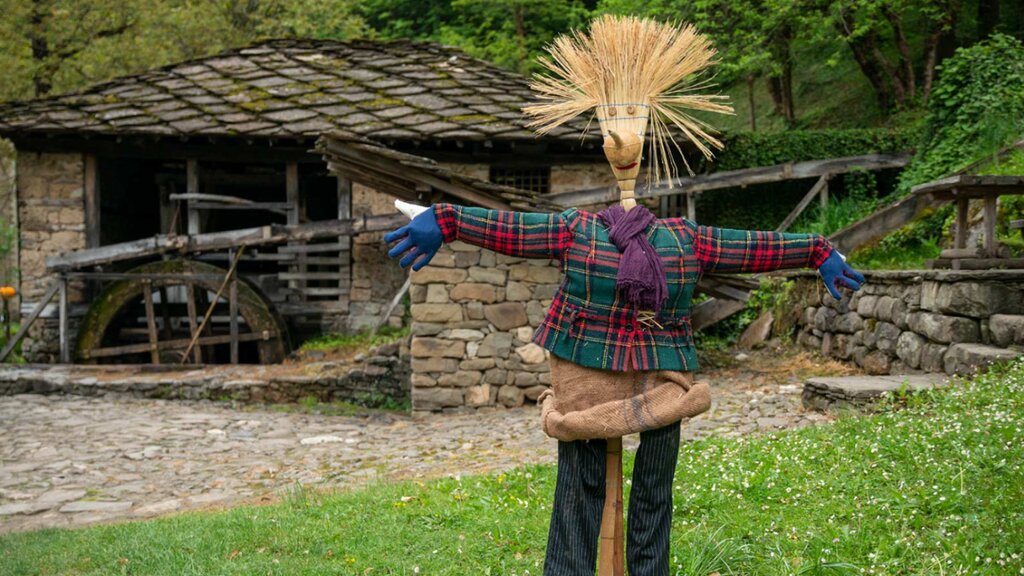
PHOTO Etar Regional Open-air Ethnographic Museum
“The children said it should have a broom to chase away the high prices of toys, because since prices switched to euros, their parents haven’t been buying them many toys. So with this scarecrow, they hope prices will go down. We named it ‘Cheapness’ because it’s made of very inexpensive things - bottle caps, a second-hand suit, a mouth made from a burst ball, a broken umbrella for a skirt… we also added a red thread to ward off evil. The children even put a whistle in its mouth ‘so it can blow loudly in people’s ears about lower prices.’”
In this typically Gabrovo way, with lots of humor, young children “comment” on the big issue of rising prices and the anxiety in Bulgarian society. “Money is saved when there is money,” remarks an elderly resident, while another adds: “A person from Gabrovo can survive anything - he simply stays inside and waits for the worst to pass, then comes out. It will be hard to wipe us out!” she says firmly.
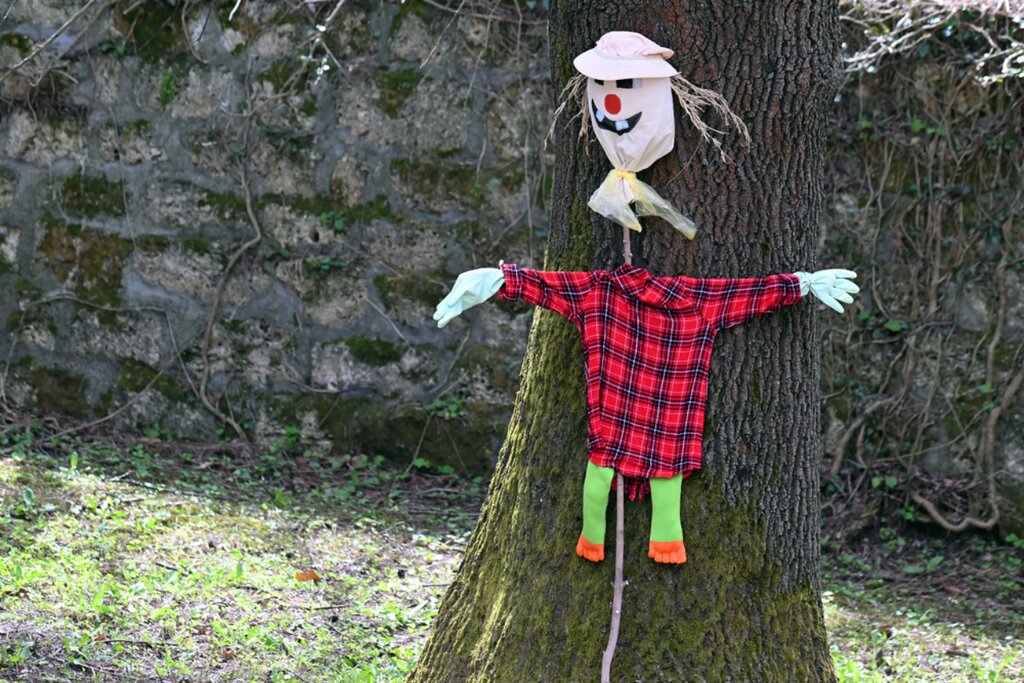
PHOTO Etar Regional Open-air Ethnographic Museum
It turns out that humor is an important part of a healthy approach to coping with difficult situations and crises. Psychologist Prof. Margarita Bakracheva commented on the Bulgarian National Radio that when we lose our sense of humor, passive adaptation and waiting have an even more negative effect on what inflation and financial uncertainty can lead to. All of this affects our basic sense of security and control over life. No matter how much adults try to balance things, the situation in recent weeks is also affecting children, the expert says.
“In practice, we are living in an escalating situation of uncertainty that began during the COVID pandemic, continued with military conflicts, and is now intensifying. We are currently talking about a broader global crisis which, especially against a background of national instability, creates an environment of unpredictability in which it is difficult to plan.”
There is no way to fully protect anyone - the question is how to adapt in an optimal way to mitigate negative effects, she says. Her advice is to focus on things that give us a sense of security and control - these are mainly related to interpersonal relationships and everyday activities that we can do regardless of external circumstances.
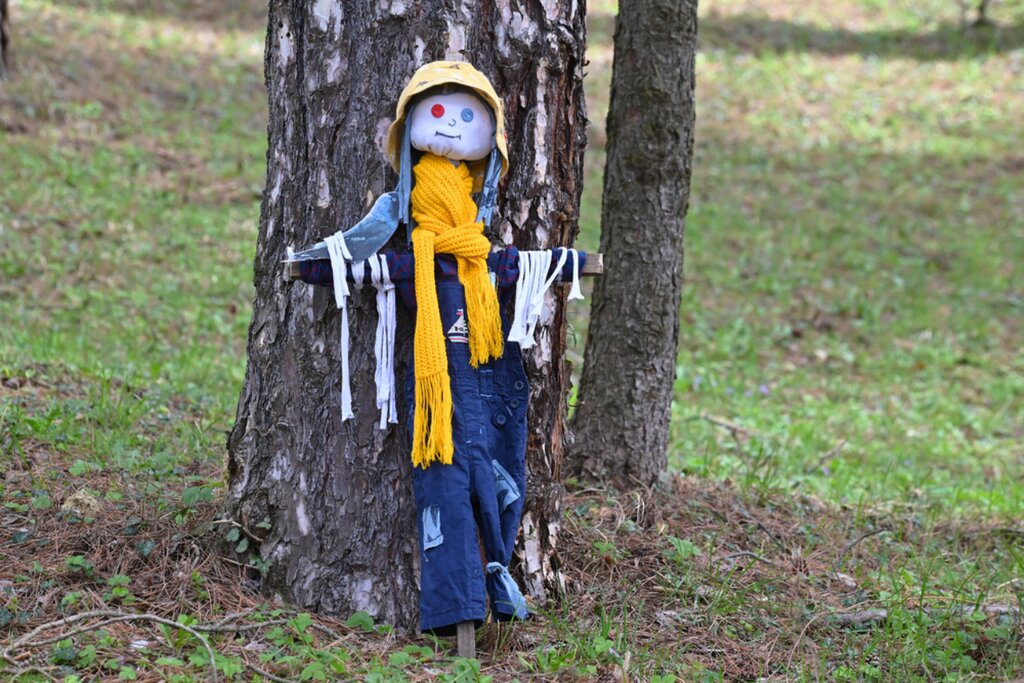
PHOTO Etar Regional Open-air Ethnographic Museum
“Distrust, growing social tension, upcoming elections - these are topics that can strongly affect our communication with others. That’s why I would separate this type of communication from interactions with people with whom we can do something together - watch a movie, play a game, go for a walk. The main reason we feel unwell and experience this anxiety, which also affects survival, planning, and all other concerns we traditionally have, including climate change and migration processes, is that part of the information we perceive consciously through traditional media, social networks, and conversations. But there is also a larger portion of information that we perceive as a sense of security or insecurity in our environment - and this is processed through our nervous system: the lack of smiles on people’s faces, the overall atmosphere around us, which we usually don’t consciously notice.”
That is why small things within our control are very important - setting aside special time to organize something for the family or children, without trying to distort reality or escape everyday life. This won’t solve the overall anxiety problem, but it will help balance and calm the body, the specialist says:
“When we take time to regulate our experiences, we move toward maintaining the balance that supports both physical and mental health,” Prof. Margarita Bakracheva explains.
Photos: BNR, Etar Regional Open-air Ethnographic Museum
Interviews: Velina Mahlebashieva and Yuliana Kornazheva
Еdited by E. Karkalanova
English: R. Petkova
This publication was created by: Rositsa Petkova