


Author
Diana Tsankova
News
Bulgaria is working to establish itself as a year-round tourist destination
The Ministry of Tourism has declared 2026 the Year of Cultural Tourism
Thursday 16 April 2026 13:15
Thursday, 16 April 2026, 13:15
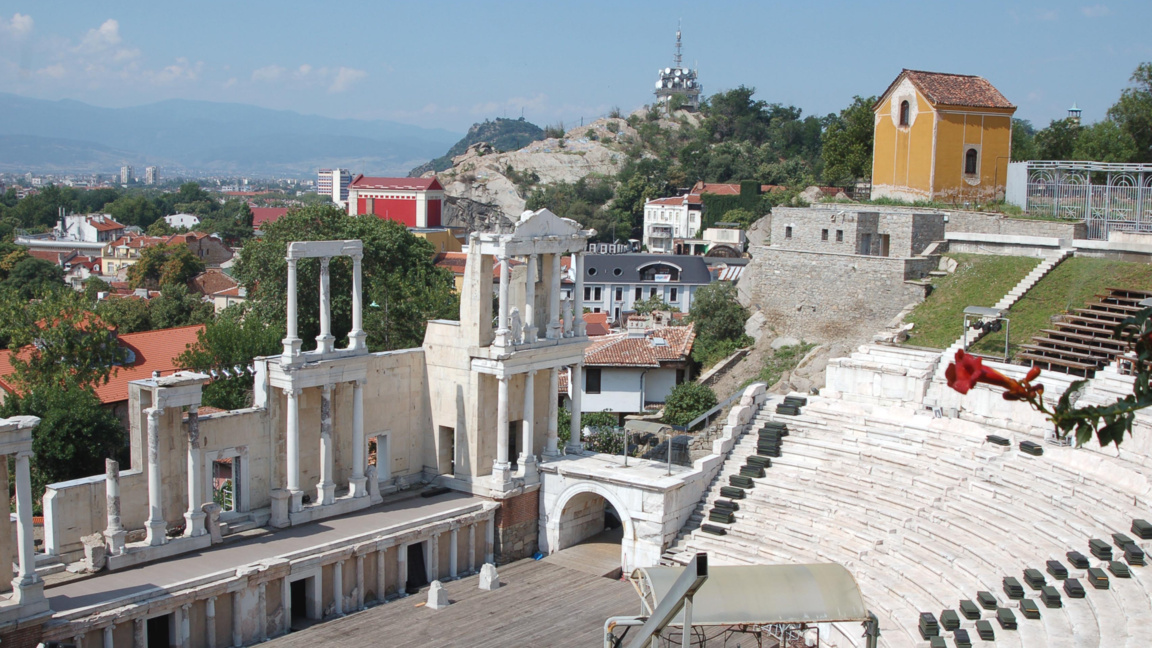
PHOTO Bulgarian Ministry of Tourism
Font size
With breathtaking nature, centuries-old traditions, and a rich historical legacy, Bulgaria has all the qualities needed to attract visitors from around the world. This is especially true in 2026, which has been declared the Year of Cultural Tourism.
One of the main priorities of the Ministry of Tourism this year is the development and promotion of Bulgaria’s cultural and historical heritage.
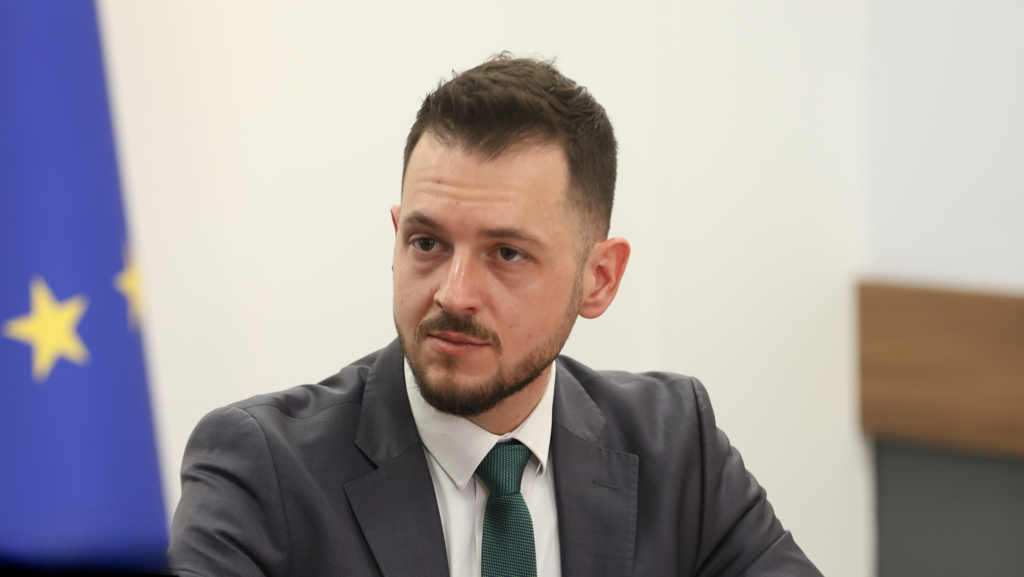
Svetoslav Stoynev, Director of Tourism Policy at the Ministry of Tourism
PHOTO BTA
“When a destination does not expand its tourism portfolio, it inevitably reaches saturation in what it offers. That is why in 2026 we have placed a strategic focus on cultural tourism as a natural continuation of last year’s successful wine tourism initiative,” said Svetoslav Stoynev, Director of Tourism Policy at the Ministry of Tourism. “We approach cultural tourism in three main directions: tangible heritage such as archaeology and architecture, living heritage such as folklore and crafts, and contemporary arts such as festivals, concerts, and cultural events. Our goal is to position Bulgaria as a year-round destination, ensuring a more balanced flow of tourists, extending activity beyond the summer and winter seasons, and increasing the added value of the tourism product.”
The war in the Middle East presents a serious challenge to the tourism sector, affecting transport, prices, and traveler behavior.
“On the one hand, we see longer flight routes, higher fuel costs, and some uncertainty in the aviation sector, which may put pressure on prices and lead to more cautious travel planning,” Stoynev added. “On the other hand, we are observing the opposite trend - some tourists are seeking safe European destinations, which places Bulgaria in a favorable position to attract more visitors. This is both a risk and an opportunity, and our task is to minimize negative effects while leveraging the positive ones through active communication and a well-organized season.”
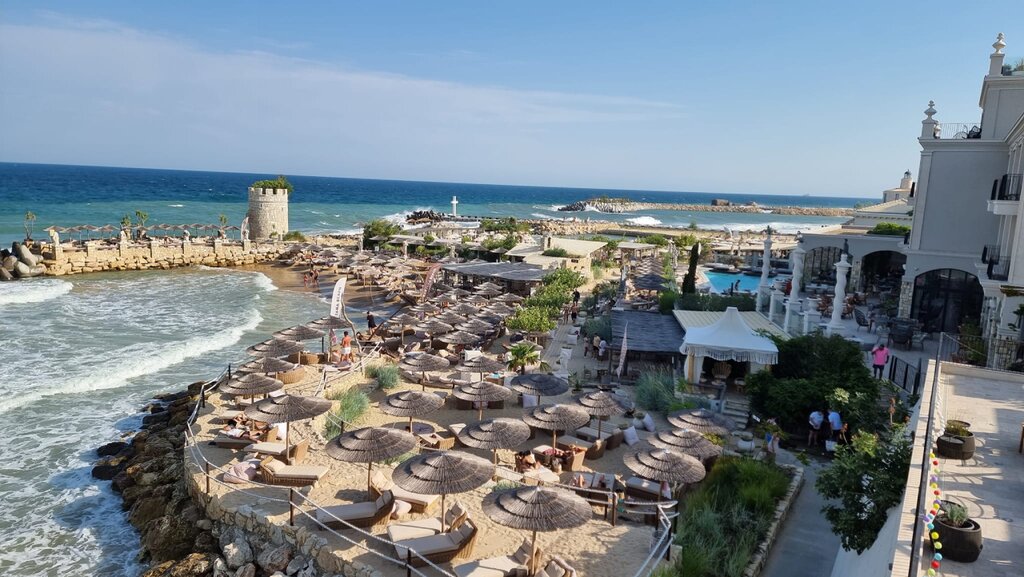
PHOTO Ministry of Tourism
Efforts to promote Bulgaria as a safe destination are currently focused on key markets such as the United Kingdom, Germany, the Czech Republic, and Poland. Quality infrastructure, charter flight connections, and the recruitment of workers from third countries are also essential factors for a successful tourism season.
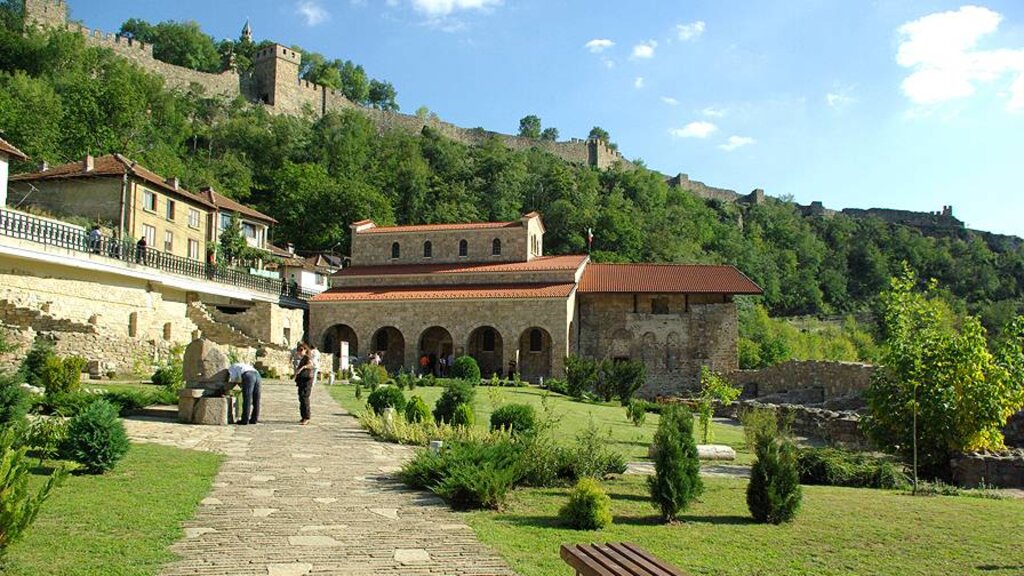
PHOTO bulgariatravel.org
“Infrastructure remains a key factor for competitiveness in tourism,” Stoynev emphasized. “We have made progress, but challenges remain, particularly in accessibility to certain regions and connectivity between tourist sites. As for charter flights, airports already have confirmed schedules, so there are no concerns there. Regarding workers from third countries, we are holding meetings with relevant institutions to speed up procedures and ensure staff are available for the upcoming season. Tourism cannot develop in isolation - it depends on transport, regional development, and the overall economic environment, which is why we are working closely with other institutions and municipalities.”
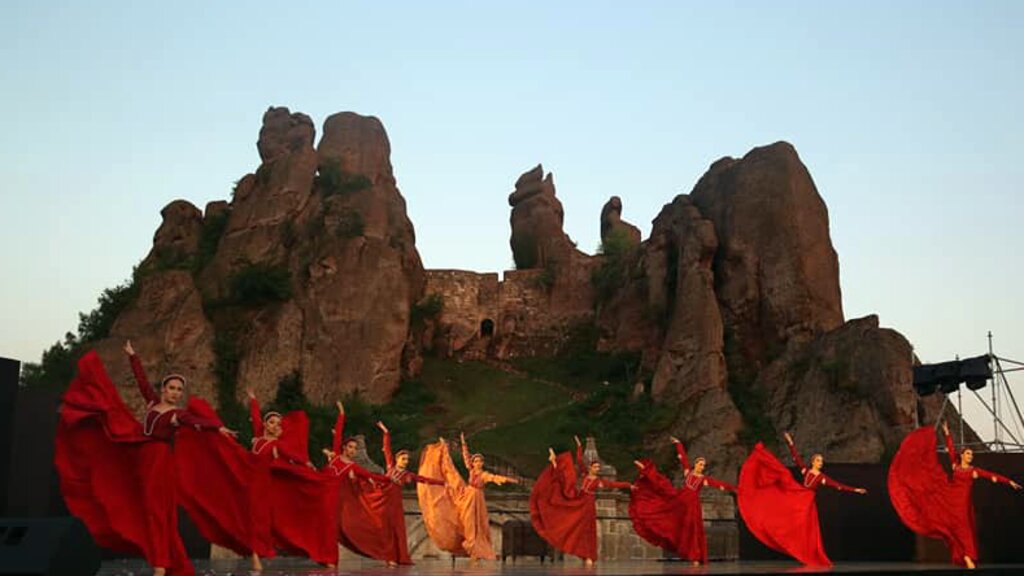
PHOTO Ministry of Tourism
Events dedicated to Bulgaria’s cultural and historical heritage, cultural routes, and festivals within the Year of Cultural Tourism will soon be published in a dedicated section on the Ministry’s website, Stoynev told Radio Bulgaria. Visitors will have the opportunity to explore a rich variety of prehistoric sites, Thracian treasures, ancient and medieval cities, living traditions, crafts, and cultural diversity.
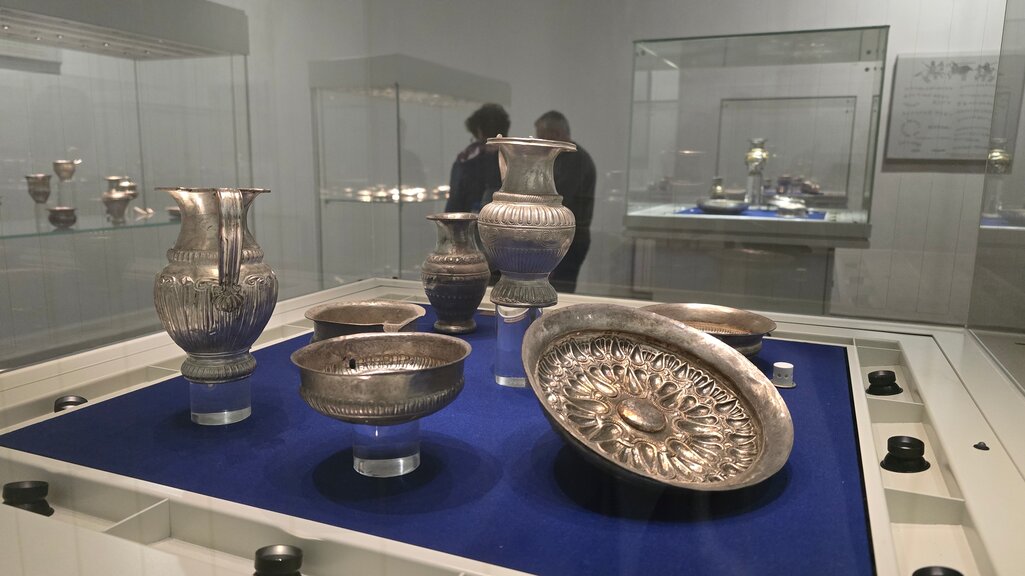
PHOTO BTA
“Our approach is to present Bulgaria through experiences rather than isolated events,” Stoynev also noted. “We will highlight cultural events, culinary routes, and thematic programs that show the country as a more vibrant and diverse destination. We also aim to attract high-value tourists who stay longer, spend more, and seek culture, authenticity, and meaningful content. The idea is to move from mass tourism toward higher-quality tourism without losing volume.”
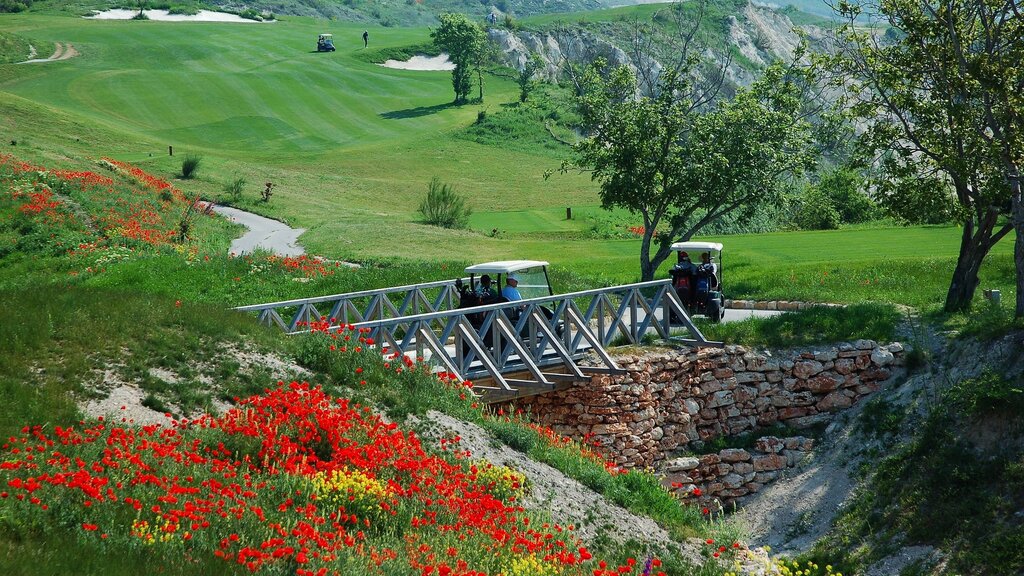
PHOTO Nikolay Vasilev/ Ministry of Tourism
The most numerous and attractive events of the Year of Cultural Tourism are expected during the summer season, when coastal resorts are full of both Bulgarian and international visitors. “We will try to create a unified tourism product so that people coming for a holiday can combine it with cultural and historical tourism,” he added. According to him, Council of Europe-certified cultural routes guarantee high quality, structure, and educational value.
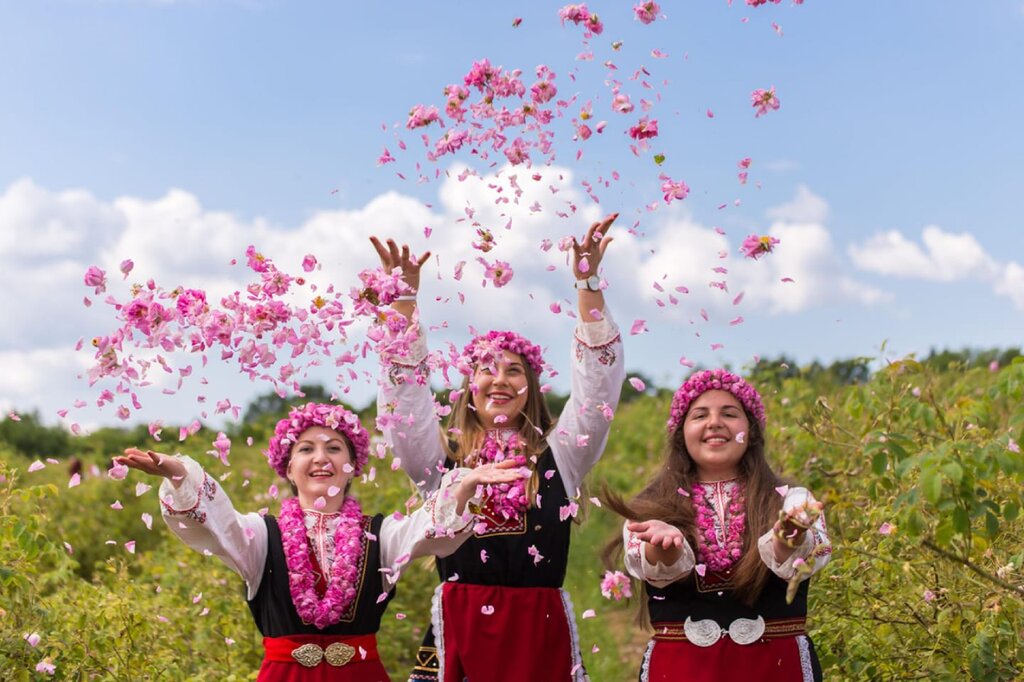
PHOTO Ministry of Tourism
“Cultural routes allow tourists not just to visit, but to understand, experience, and connect different elements of a shared story. We expect visitors to gain knowledge, emotion, and authenticity, while also directing interest toward less popular regions, which is an important part of our sustainable tourism strategy.”
Bulgaria aims to present itself as a safe, diverse, and year-round destination - an image promoted through international media, digital channels, and thematic campaigns focused on cultural tourism.
Read also:
War in the Middle East has tangible impact on the tourism sector
English: R. Petkova
This publication was created by: Rositsa Petkova