


Friday 17 April 2026 12:30
Friday, 17 April 2026, 12:30
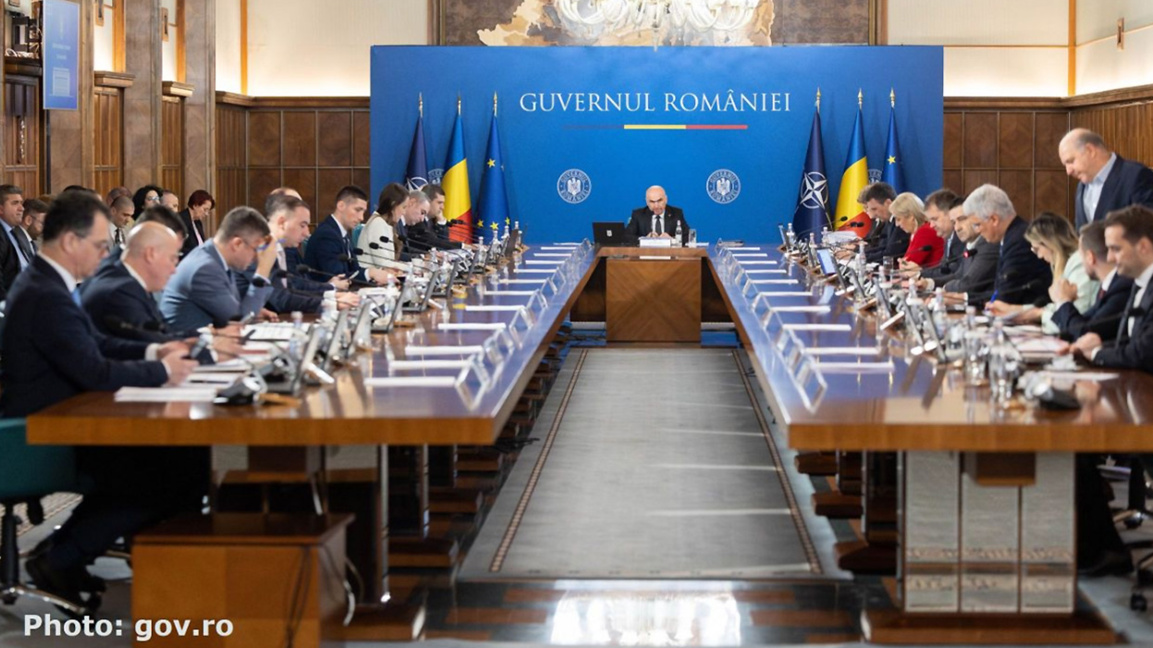
PHOTO gov.ro
Font size
Romania on the brink of political crisis?
The ruling coalition
in Romania is becoming increasingly fragile, Radio Romania
International writes. The Social Democratic Party (SDP) has
threatened to leave the government if Prime Minister Ilie Bolojan
does not resign by April 23. If the condition is not met, the SDP
ministers will submit their resignations, BGNES reported. Due to the
situation, Bolojan had a two-hour conversation with the
country's President Nicușor Dan. On April 20, the SDP will hold an
internal vote with a mobile application among its approximately 5,000
members to withdraw political support for Bolojan (from the National
Liberal Party). In the event of a negative outcome for Bolojan, he
can request a vote of confidence in parliament within 45 days and
govern with a minority government. However, the SDP intends to
support the vote of no confidence, which the Alliance for the Union
of Romanians and Peace – Romania First announced they would submit.
The leader of the third partner in the government, the Democratic
Alliance of Hungarians in Romania, Hunor Kelemen, says that there are
real chances for reconciliation within the coalition.
According to Sorin Grindeanu, head of the Social Democrats, Romania needs a "political recharge" that would change the direction of the country's development. On Facebook, he listed three negative signals for an accelerating economic decline, for which, in his opinion, Bolojan was responsible: inflation of 10%, a drop in consumption since the beginning of February and a revised IMF forecast that halves the country's expected economic growth for 2026 - from 1.4% to 0.7%.

Nikola Gruevski
PHOTO AP
Magyar's
victory in Hungary raises the question
of Nikola Gruevski's extradition
The
outcome of the parliamentary elections in Hungary has raised the
question
of the possible extradition of former North Macedonian Prime Minister
Nikola Gruevski. The leader of the victorious Tisza party, Péter
Magyar, said that Hungary would no longer grant asylum to wanted
persons, citing Gruevski as an example. He
was granted asylum in 2018 after being sentenced to two years in
prison in his homeland for illegally purchasing an armoured car for
600,000 euros.
The opposition in North Macedonia, led by the chairman
of the Social Democratic Union of Macedonia, Venko Filipče, demanded
clarity on whether the government would file a new extradition
request. Prime Minister Hristijan Mickoski recalled that such a
request had already been rejected in 2019, as Gruevski had been
granted political asylum, and pointed
out
that if Gruevski returned,
he would serve his sentence.
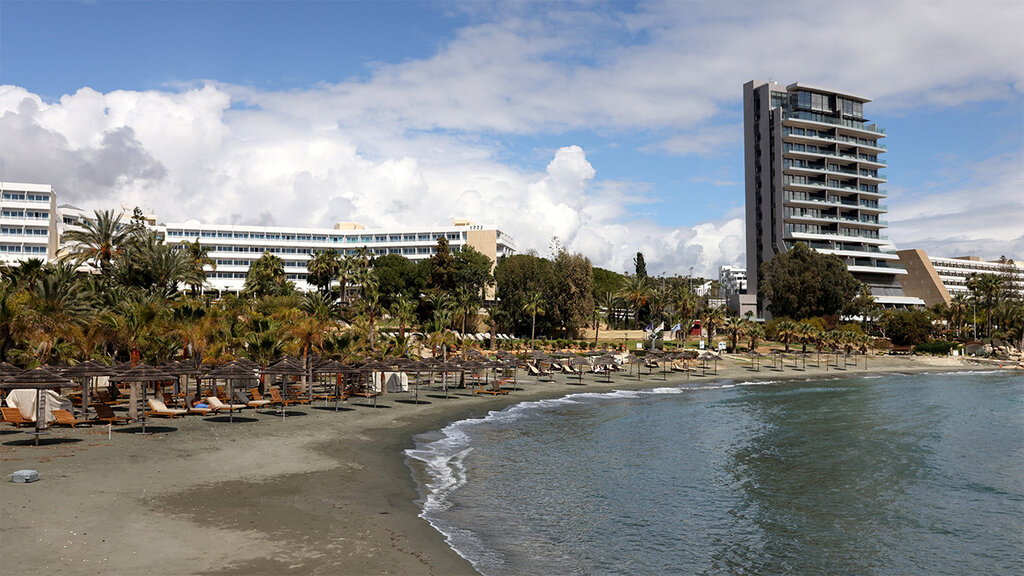
PHOTO REUTERS
Tourism
in Cyprus marks
decline amid war in
the Middle East
The
past Easter holidays this year did not give the usual boost to the
tourist season, the Cyprus Hotel Association summarized. According to
its data, occupancy in hotels that were open for the holiday was
between 25% and 40%, BNR correspondent on the island Branislava
Bobanac reported. Cancelled reservations for April reached 40%. The
level is lower in comparison
to
March, but new reservations are not increasing to an extent that
would give the sector optimism for the summer tourist season.
The
problems for the industry began in March, when the two international
airports reported a sharp drop in passenger traffic to and from
Cyprus due to the wars in Iran and Lebanon. The airport operator
reported that the flow of passengers had decreased by over 15% after
a very successful January and February.
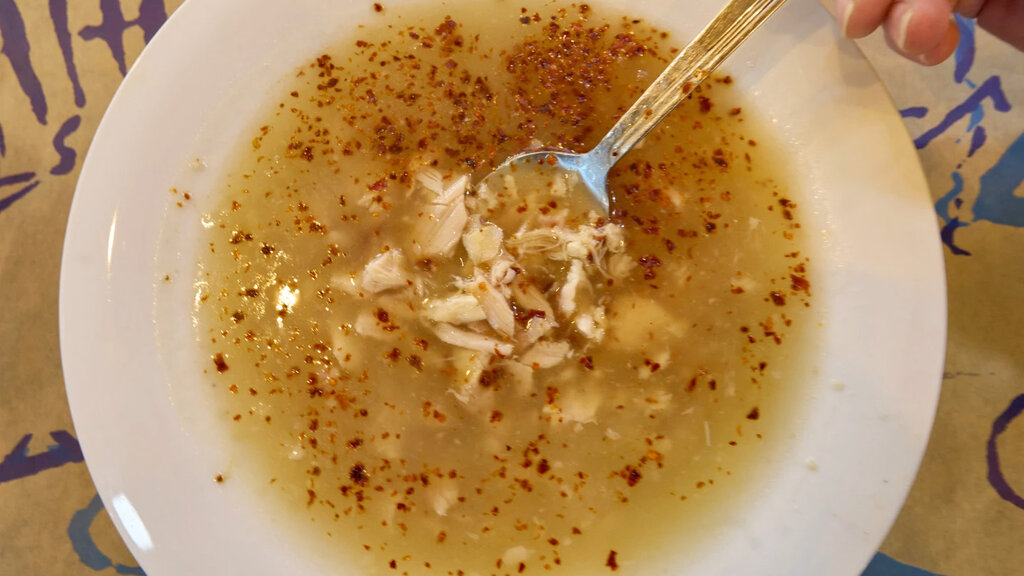
PHOTO AP
Greece
and Turkey in a heated dispute over origin
of
tripe soup
At
the suggestion of Dimitris Tsarouchas, owner of a restaurant in
Thessaloniki serving "patsas" (tripe soup), the Greeks are
demanding that this spicy soup should
be listed by UNESCO as a traditional Greek dish. Tsarouchas has even
prepared a report on the subject, stating that the recipe is
mentioned in the "Odyssey" in a feast given by Penelope.
The
idea has sparked heated discussions in Türkiye, which also claims
that tripe soup, called "iskembe"
there, is its own. Turkish media point out that the 17th-century
traveller Evliya Çelebi, in his "Book of Travels",
described merchants selling tripe soup and emphasize
that this proves that the soup has a 400-year history in Türkiye.
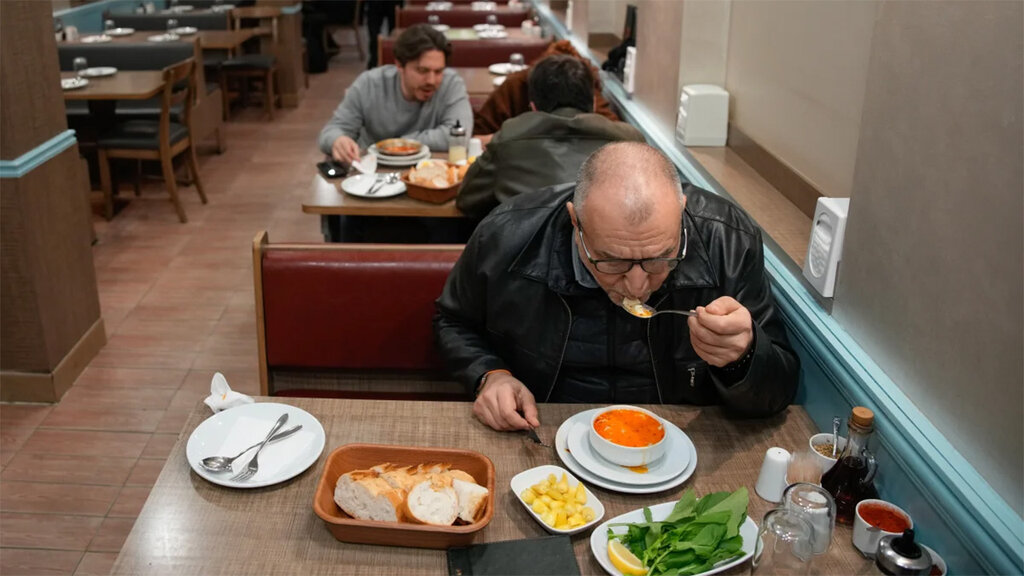
PHOTO AP
In
fact, this type of "neighborly dispute" is nothing new.
When it comes to the cuisine of Turks and Greeks the culinary rivalry
often centers on dishes shared during the Ottoman Empire, the
Associated Press points out.
Compiled by: Miglena Ivanova