


Author
Krasimir Martinov
News
Bulgarians in Ireland keenly engaged in election, Bulgaria’s future
Friday 17 April 2026 14:34
Friday, 17 April 2026, 14:34
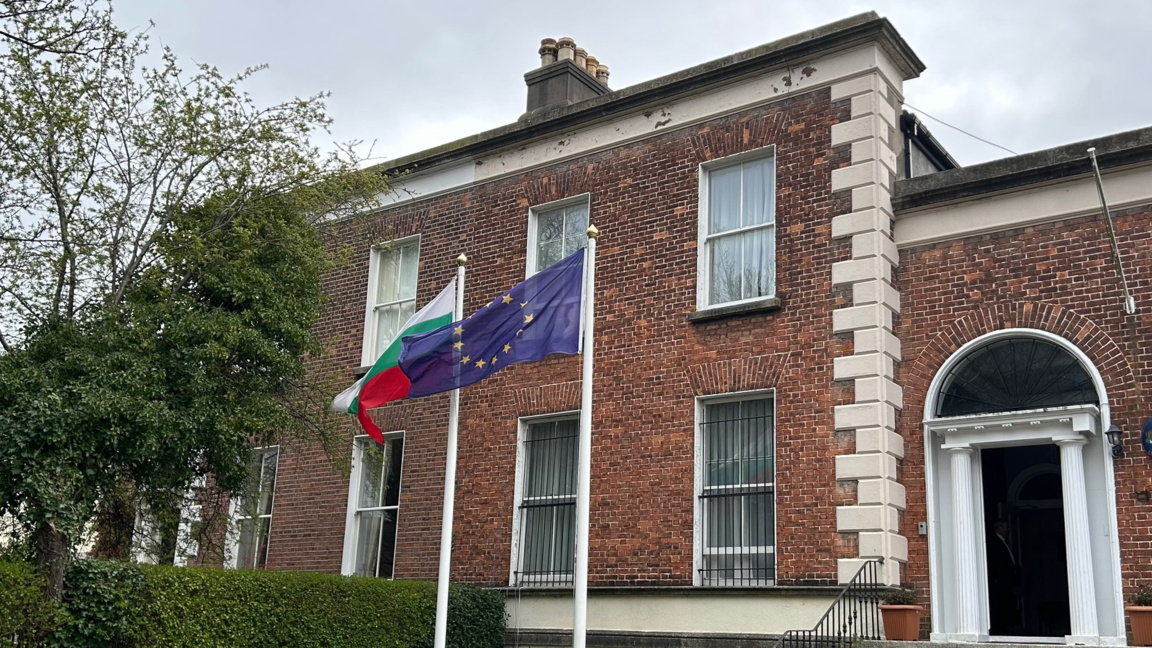
PHOTO Krasimir Martinov
Font size
Bulgarians in Ireland are closely following the upcoming parliamentary elections and what lies ahead for the country.
“We expect an increase in voter turnout,” Venko Stanev, an election volunteer who has lived in Dublin for 14 years, told Radio Bulgaria. He lives there with his wife and their three children.
Bulgarians in Ireland will be able to vote at seven polling stations — two in Dublin and one each in Ballyconnell, Dundalk, Limerick, Cork and Tullamore — under a March 28, 2026 decision by the Central Election Commission.
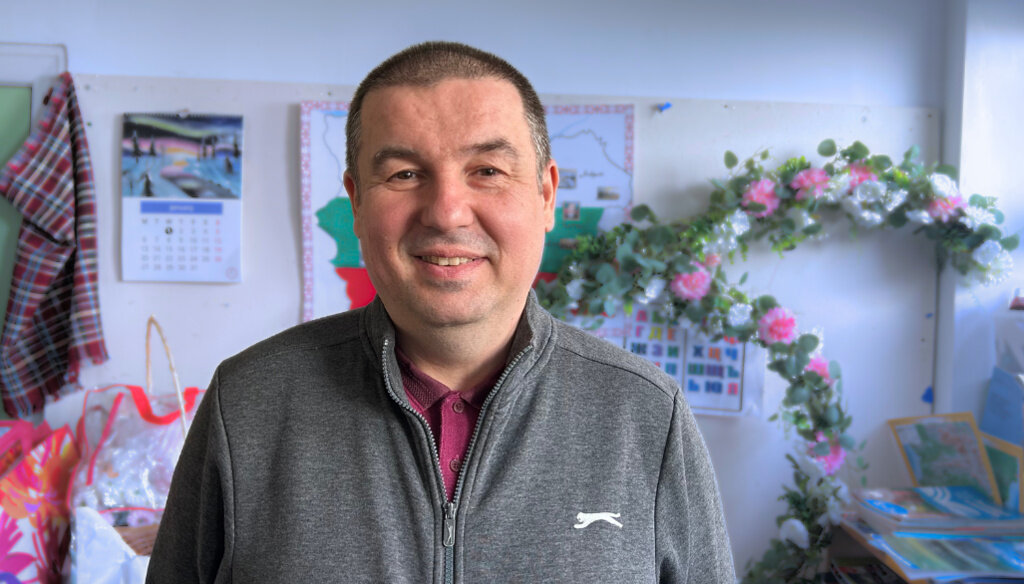
PHOTO Krasimir Martinov
Bulgaria’s ambassador to Ireland, Vanya Andreeva, said preparations were well organised, with strong backing from the community:
“This is a very important moment for Bulgaria and for all of us as citizens. Our focus is on making sure the elections run smoothly. We reached out to Bulgarian organisations and volunteers across the country, and they responded straight away. We are fortunate to have such a community in Ireland — engaged, active and well organised. People know what needs to be done, expect it and are ready to take part.”
Venko Stanev is among the active members of the community Ambassador Andreeva referred to. In addition to his election work, he chairs the parents’ council at the Bulgarian Sunday school “Azbuka”.
Asked whether Bulgarians in Ireland are engaged in the elections and, more broadly, in Bulgaria’s development, he said:
“Of course we are — very much so. My family and I always take part. This year I even applied to open a polling station in one of Dublin’s districts. We already have many registered voters who will cast their ballots there. The whole Bulgarian community follows what’s happening back home closely. And we expect turnout to increase.”
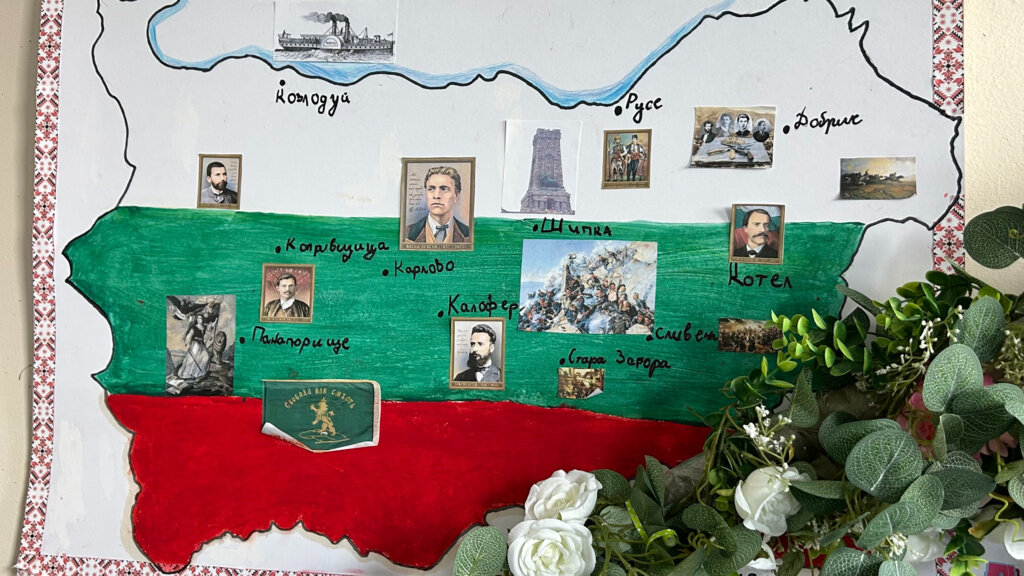
PHOTO Krasimir Martinov
When you return to Bulgaria, do you feel things are improving, or is it the opposite?
“Yes, I do see change for the better. I left Bulgaria a long time ago, and one of the most noticeable differences is driving culture. Ten years ago, it was rare to see a driver give way to a pedestrian. At the same time, there are still many things that could be improved — we all know that. What has really stood out to us in recent years is the rise in prices. When I came to Ireland 14 years ago, prices there were four or five times higher. But over the past year or two, some food products have actually become more expensive in Bulgaria than here. And wages, of course, have not caught up.”
What should the politicians Bulgarians are about to elect be like? What would you ask of them — for Bulgaria, and for Bulgarians abroad?
“As for politicians in Bulgaria, I think the main thing people want is for them to be hard-working — but not just for themselves, at least a little for the common good. As for Bulgarians abroad, I have specific proposals for the Ministry of Education. Curricula should be adapted to the level of Bulgarian language skills among children living outside Bulgaria. At the moment, many programmes are designed for children with a very high level of Bulgarian — the same as those in Bulgaria.
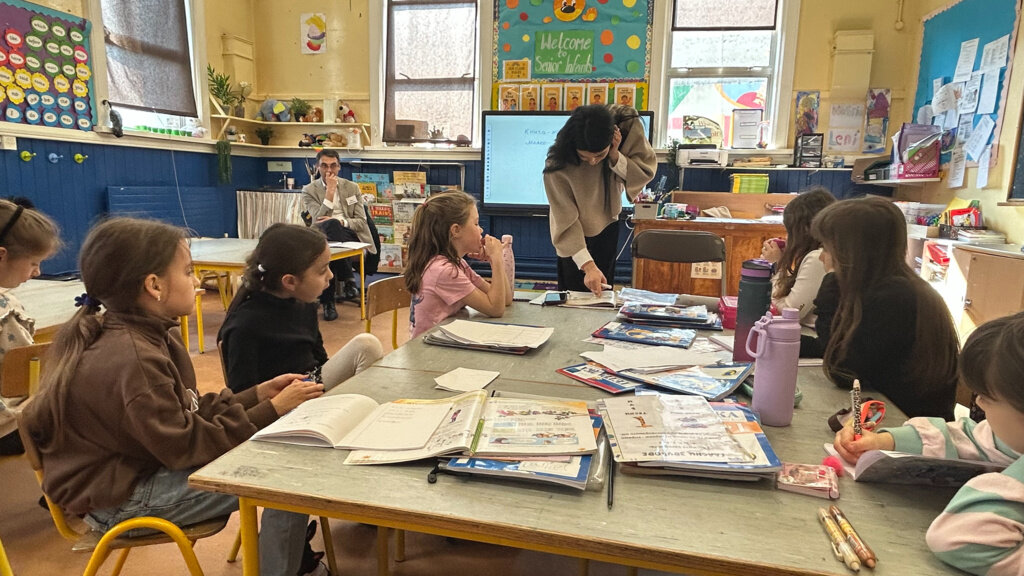
PHOTO Krasimir Martinov
My other proposal is to create an institution where adults can also study Bulgarian and receive certification for completed levels. We have good examples such as the Cervantes Institute for Spanish, the Alliance Française for French and the Goethe Institute for German.”
Bulgarians in Ireland and elsewhere will vote on April 19, 2026 with many of these questions in mind. Whether they will be asked — and, more importantly, heard — remains to be seen.
Editor: Elena Karkalanova
This publication was created by: Elizabeth Radkova