Author
Vesela Krasteva
News
Early parliamentary elections - 19 April 2026
Machine voting preferred among Bulgarians in Geneva
Sunday 19 April 2026 14:45
Sunday, 19 April 2026, 14:45
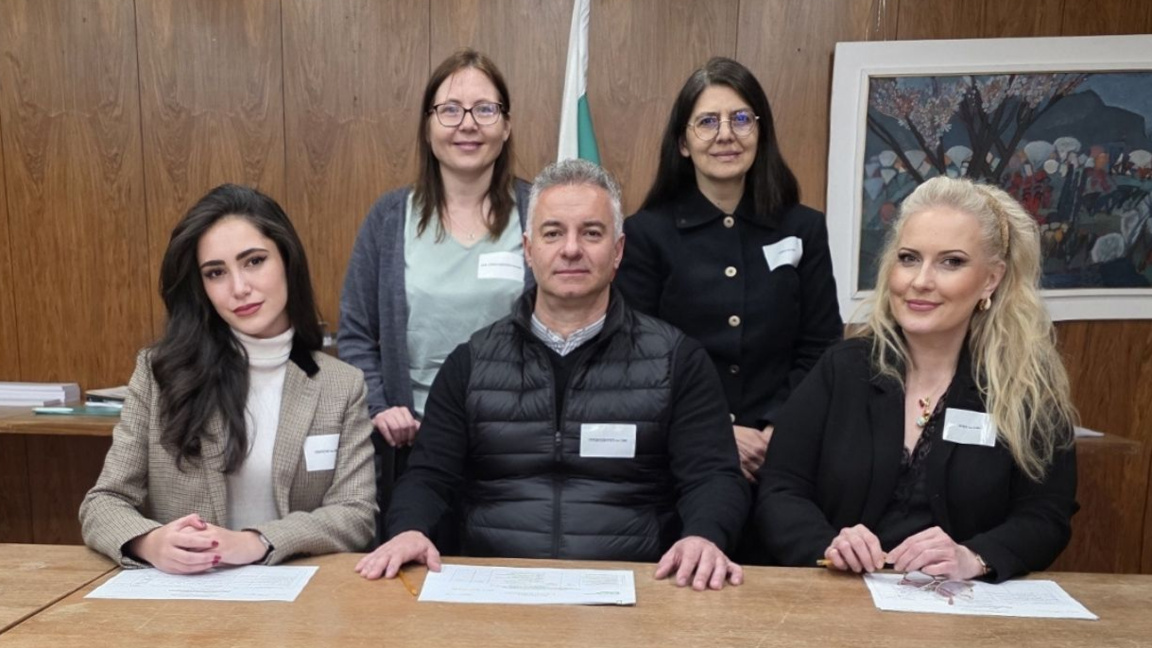
PHOTO Private archive
Font size
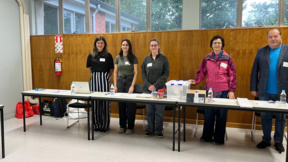
The polling station in Geneva, the main administrative centre of the Swiss canton of the same name, opened for voting exactly at 7:00 a.m. The city, which is home to many European and global organisations and has around 200,000 residents, is the second-largest in the country after Zurich.
Voting abroad: 493 polling stations in 55 countries
According to
unofficial data, Bulgarians in Geneva number from several hundred to nearly
2,000 people, most of them highly qualified professionals working for various
international organisations. One of them is Marin Kachamakov, who for the eighth
consecutive time is involved in the electoral process for Bulgarian MPs and
today serves as chair of the sectional election commission in Geneva.
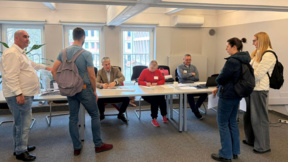
“Voting is proceeding normally so far. We have about 35 people who have voted
(as of 10:30 a.m. local time), but we expect high turnout, comparing with the
last seven times I have personally participated. Between 300 and 500 people
vote in our section. So far, the oldest compatriot who has exercised her right
to vote using machine voting is a 79-year-old lady, and I assume that by the
end of the day we will beat her ‘record’. Elderly people handle the machines
without problems and we have many examples of that.”
The day in Geneva is sunny and pleasant, and people are expected to combine their Sunday walk with voting, Kachamakov told Radio Bulgaria, adding that he expects an active election day until its end at 8:00 p.m. local time.
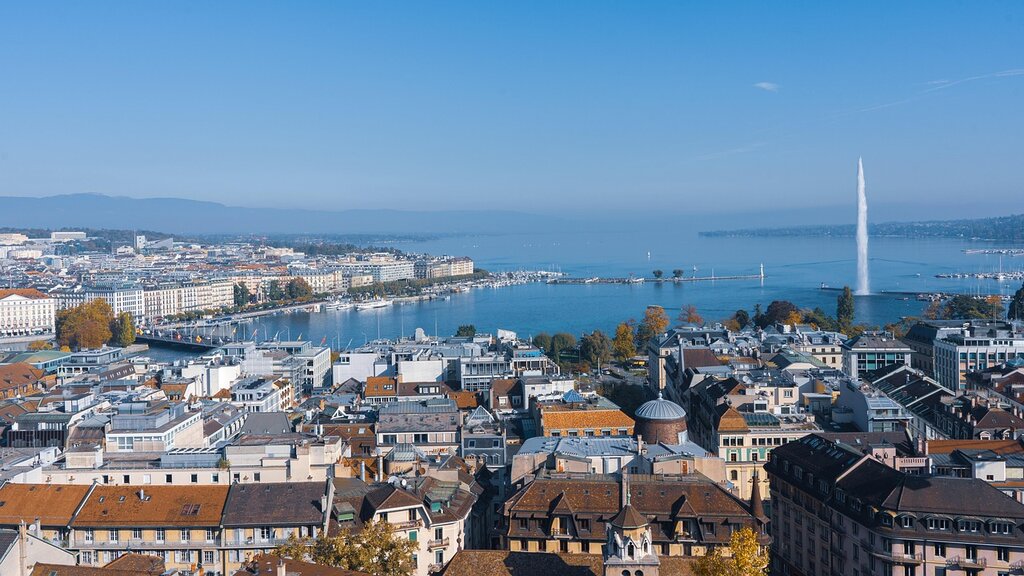
PHOTO pixabay
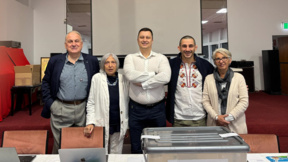
The polling station has one voting machine, and so far voters prefer it to exercise their right to vote. For comparison, in the October 2024 elections, 317 people voted in Geneva, of whom 235 used machine voting and 82 voted with paper ballots.
“People hope that Bulgaria will become better. I will not give a political direction whether it is better west or east, that is a personal opinion, but people really hope for better financial governance of the country with less corruption. That those in power are more accountable to those governed for how their money has been spent.”
Marin Kachamakov is firmcategorical that the professional engagement of Bulgarians in Switzerland, many of whom have careers in European institutions, does not predetermine their vote.
“We cannot make a comparison, because I would say that there are people who work for Europe and receive their salaries from Europe who vote with more east-oriented views. And the opposite is also true - people who have nothing directly related to receiving funds from European institutions or, let’s say, pro-Western institutions, who vote with more Western attitudes. There is no direct link between the two.”
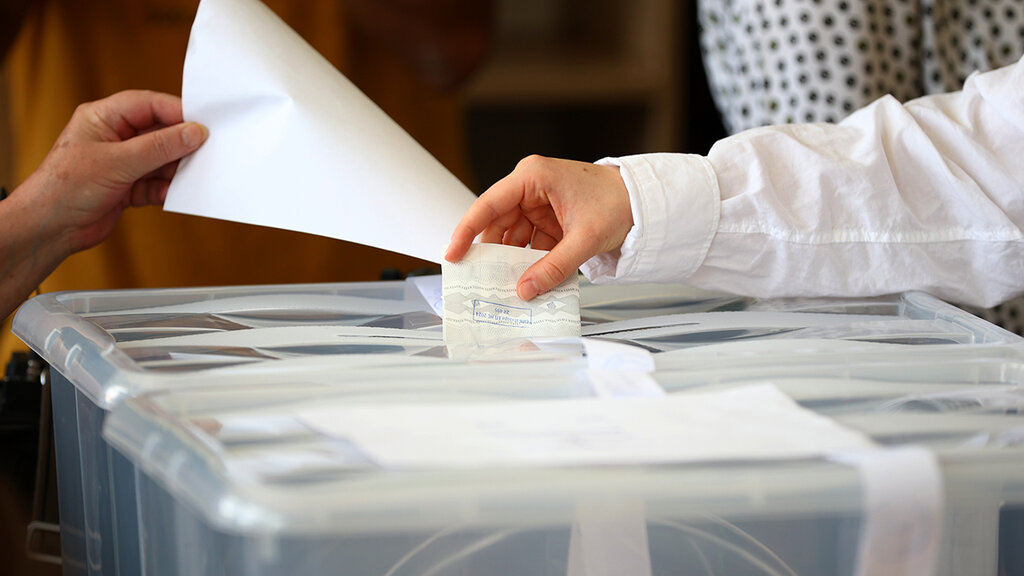
PHOTO BTA
Our compatriot is convinced that people who have shown interest and engagement are well informed about the campaign slogans and platforms of the participating parties and coalitions. “People are watching television less and less, and perhaps rightly so - those who want to be informed, get informed,” says Kachamakov, noting that candidates for the 52nd National Assembly have mainly reached voters abroad through new communication channels and social media.
He sees the reason for the expected higher turnout in hope:
“This is my personal opinion, but it seems that people want to cast a vote that shows they are part of the future of their children, their own future, and the future of Bulgaria. And they also see what happened in Hungary - with 80% turnout things can change. And this is my message to all those who are still hesitating whether to take the time to vote: Do it! This is not only for you, it is also for your children.”
Marin Kachamakov left Bulgaria nearly 34 years ago, spending the last 18 of them in Geneva. His entire professional career has been built outside his homeland, yet he remains strongly engaged in its processes and a firm advocate of free expression through voting.
Read also:
Bulgarians in Ireland vote hoping national interests will become a priority
Edited by E. Karkalanova
English: R. Petkova
This publication was created by: Rositsa Petkova