


News
Clearly outlined political picture after the parliamentary vote in Bulgaria
Monday 20 April 2026 21:28
Monday, 20 April 2026, 21:28
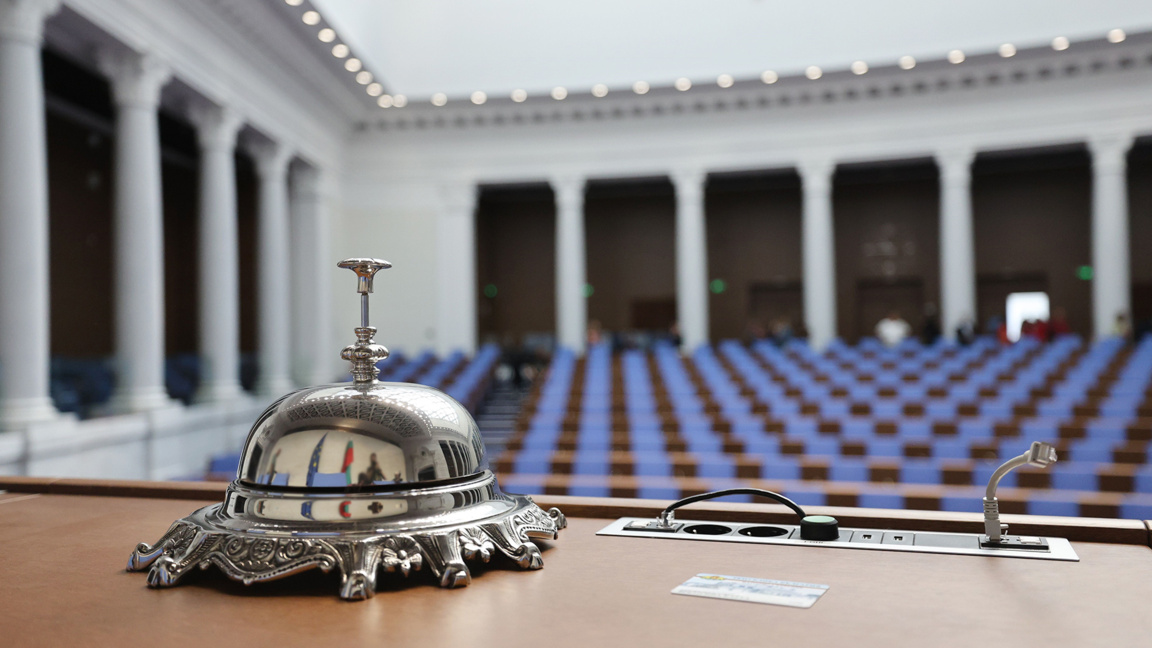
PHOTO BTA
Font size
After
eight parliamentary elections, a stable government seems
to be
emerging in Bulgaria. Pragmatism and a desire for change - this is
what Bulgarians showed with their vote for the composition of the
52nd parliament. The new coalition "Progressive Bulgaria",
headed by the former president Rumen Radev, convincingly came out on
top. In
its messages it
named
the greatest fears of the population, which is at the bottom of the
income queue in the EU - inflation, political oligarchy and nearby
wars.
"We
want change!" was the most common motif on election day and the
results brought the news of a complete shift of forces in the
National Assembly. Although fragile, the majority of "Progressive
Bulgaria" is a fact. After nearly 15 years at the parliamentary
top, in these elections GERB-SDS
entered a painful battle for second place with its traditional
opponent "PP-DB" and registered a serious collapse in
public support (just over 13%). It seems that the autumn protests, in
which hundreds of thousands of Bulgarians took to the squares with
the slogan "Peevski and Borissov
out
of
power", found expression in the election results - Delyan
Peevski's party "DPS-New Beginning", although remaining the
leader in the vote of Bulgarians in Türkiye, won about 7
percent of the votes. Voter turnout in the country and abroad was
nearly 10% higher compared to the autumn of 2024.
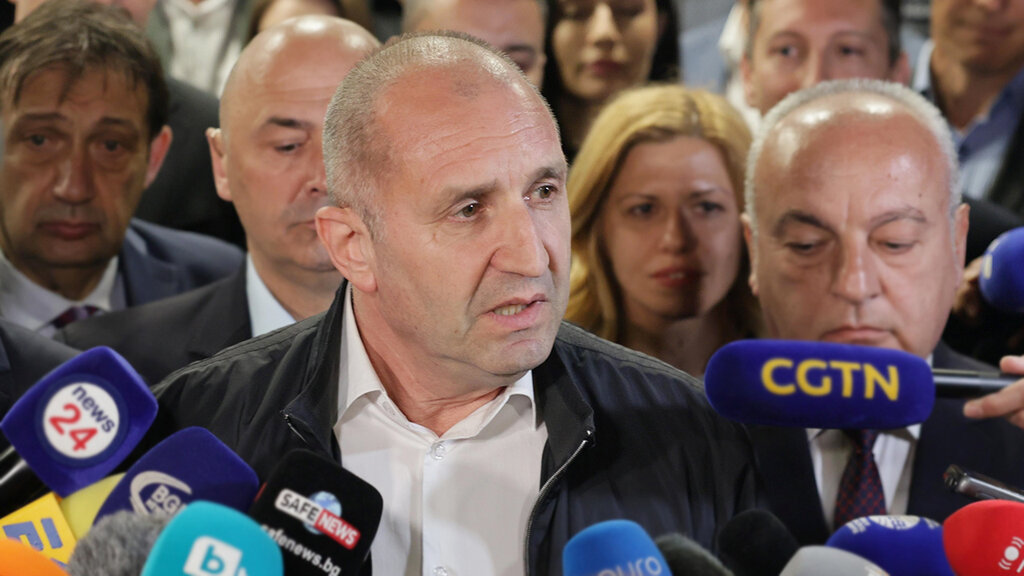
Rumen Radev
PHOTO BGNES
"We
have overcome apathy, but distrust in Bulgarian politics is still
high," Rumen Radev said on election night.
"This
vote shows
that the majority of Bulgarian society expects, cherishes and hopes
for a different type of government - a government without Peevski and
Borisov, a government without an oligarchic model. This was the
reason they chose Progressive Bulgaria.” - Petar Vitanov from
"Progressive Bulgaria", who was the leader of the list in
Pernik, told
the Bulgarian National Radio:
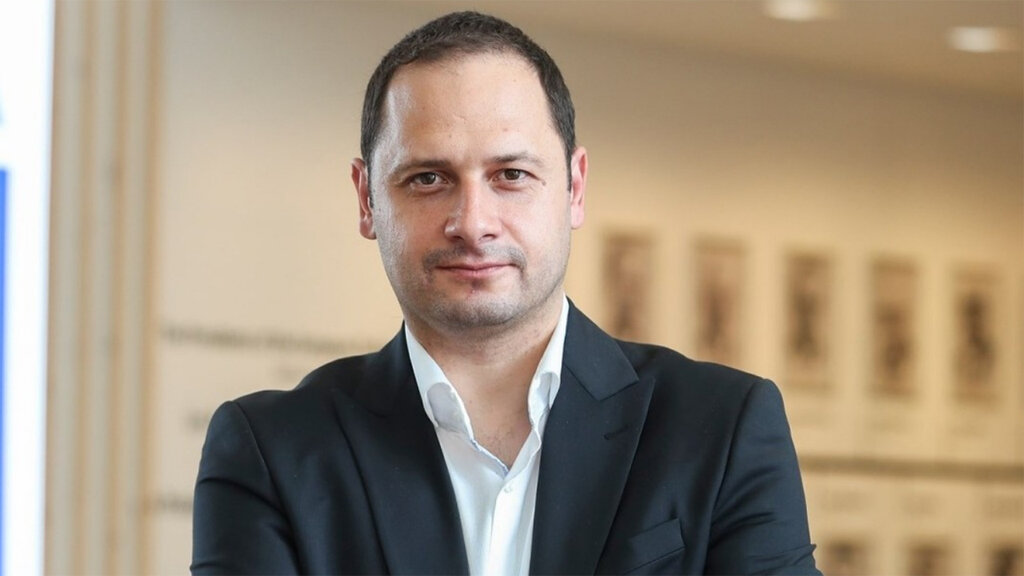
PHOTO Facebook / Petar Vitanov
"The
levels of this energy were on a historic scale. We knew something big
was coming," he said.
He pointed
out
that a
government
formed
of one party is
not some aspiration for authoritarianism, but rather allows for
political compromises and taking responsibility. Vitanov highlighted
the importance of forming a qualified majority on important topics
such as changes in the judicial system and the Constitution, where he
expects having
similar
positions with PP-DB. "We want to return to democracy. Rumen
Radev has a solid position, which is increasingly being joined by
European leaders. He does not have anti-European positions,"
Vitanov said.
According
to him
it is a pity that the Bulgarian Socialist Party (BSP) will not be
part of the next National Assembly.
For
the first time since the beginning of democratic changes 36 years
ago, there will be no representatives of BSP
in parliament – a fact that can be considered a loss for
parliamentarism. "The price is bitter, very salty, very painful,
but sometimes you obviously have to go through such a bloodbath in
order to recover and move forward," commented Alexander Simov
from the National Council of the Bulgarian Socialist Party.
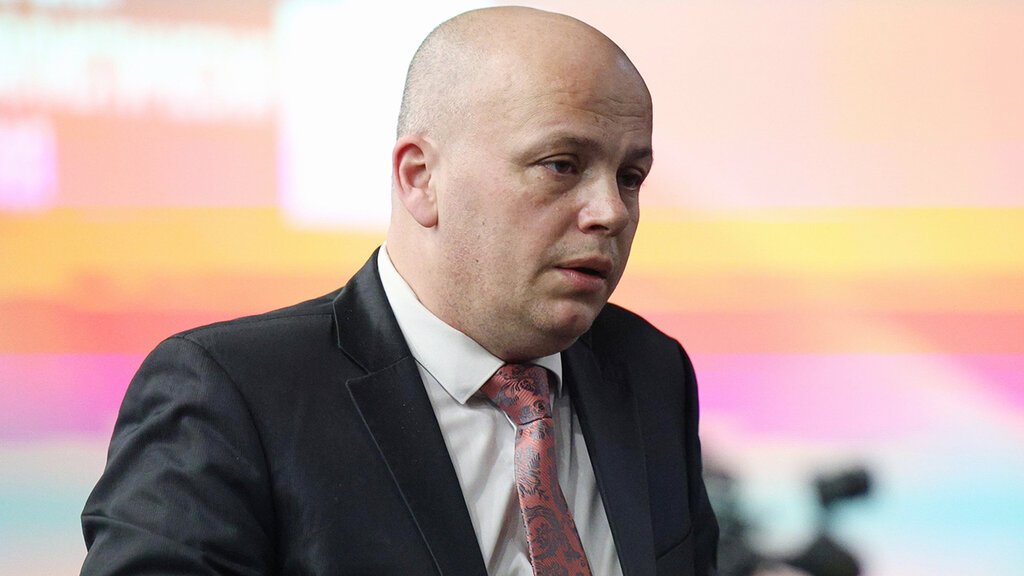
Alexander Simov
PHOTO BGNES
"BSP
is unable to overcome the parliamentary threshold.
However, this does not mean that BSP is dying and
that the left-wing political culture in Bulgaria is disappearing. BSP
is now given the opportunity to work very seriously on itself, so
that it can understand what happened and see where and how it can
change," Simov said in an interview with the
Bulgarian
National Radio.
For
the first time in 29 years in the Bulgarian parliament, the coalition
around Rumen Radev has achieved a majority that will allow it to form
an independent government. It
will be able to determine priority policies, among which the fight
against corruption occupies a central place.
"Progressive
Bulgaria" has "sucked out” the support of all the
previous parliamentary forces. Whether this will lead to dizziness
and revanchism is a question that is hovering in space today. "If
Rumen Radev is a far-sighted and long-term player, he will not go
down the path of revanchism," journalist Diyan Bozhidarov told
the Bulgarian National Radio:
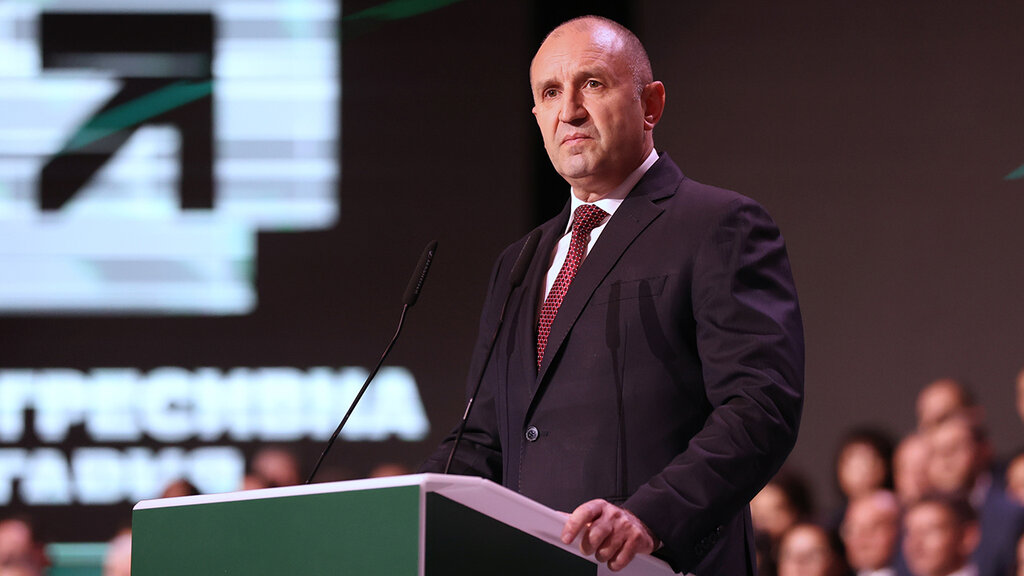
PHOTO BTA
"He has undoubtedly won all the power now, but there will probably be some party or public corrective. And here is the delicate moment – it is more than clear that the Supreme Judicial Council and the Prosecutor General will be replaced, as there will be a majority for this. But the really big problem is what will happen next, because it is very wrong to use a synonym between judicial reform and justice," he commented. The journalist recalls that the Bulgarian has always liked the figure of the man with strong hand, "some image that can solve problems", and this also tipped the scales towards this distinctive election victory. "Now the responsibility falls on Radev. There are hopes, there are expectations. He will pay the price," Bozhidarov said.
Compiled
by: Elena Karkalanova
This publication was created by: Alexander Markov