


Author
Vesela Krasteva
News
A lesson on Bulgaria: Keeping the homeland alive for children in Ukraine
Tuesday 21 April 2026 23:41
Tuesday, 21 April 2026, 23:41
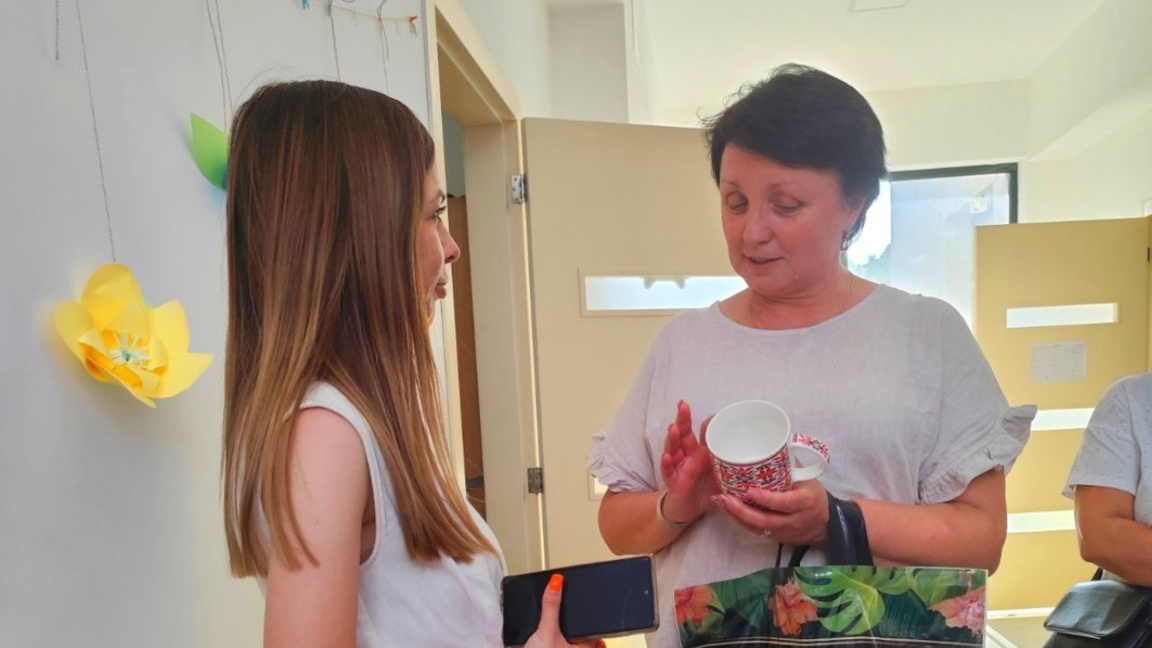
PHOTO "Izvorche" Bulgarian Sunday school in Ukraine
Font size
Nearly 800 km from Sofia, in the southern Ukrainian village of Kubey, the spirit of Bulgaria lives on.
Located in the Odesa region near Bolhrad, a town founded by Bulgarian settlers in the early 19th century, the village is home to a sizeable community of ethnic Bulgarians and Gagauz. Despite the hardships of history and the ongoing war, many here have a strong connection to their ancestral homeland.
For one woman, that connection has become a mission.
Praskovia Ruseva has dedicated her life to passing on the language, culture and memory of Bulgaria to the next generation — even as classes now take place entirely online.
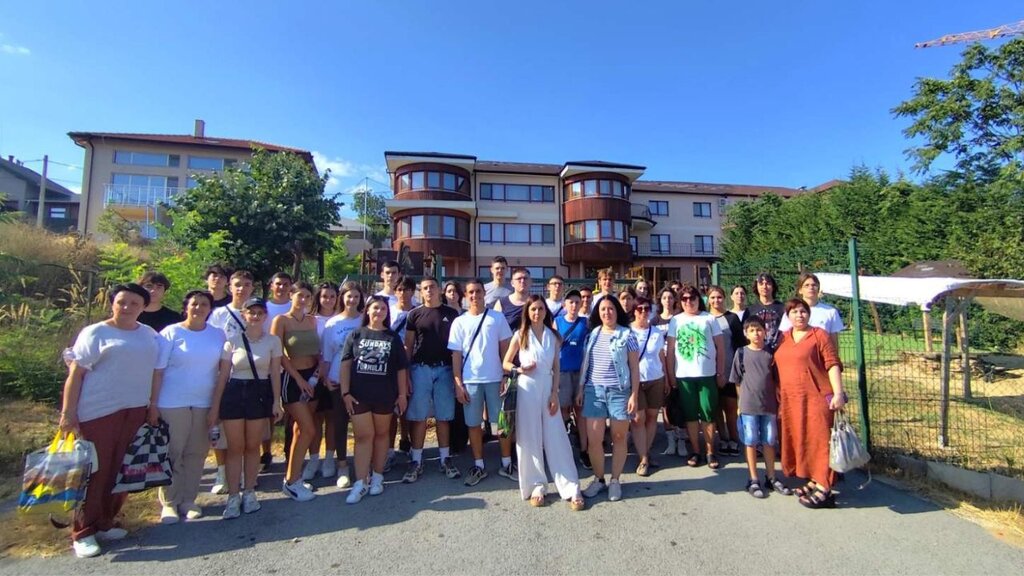
PHOTO "Izvorche" Bulgarian Sunday school in Ukraine
In 2009, with support from Bulgaria’s national programme for language and culture abroad and a group of like-minded people, she helped establish the Bulgarian Sunday school “Izvorche” in her husband’s native Kubey. It was the first Bulgarian educational centre outside a major Ukrainian city.
Despite the war, the school currently has over 270 students and prepares dozens of young people each year for university studies in Bulgaria.
The school operates within the Bulgarian Cultural Centre “Acad. Alexander Teodorov-Balan, which is itself a symbol of the community’s enduring ties to Bulgaria.
'Why is Acad. Teodorov-Balan our patron? Because he was born in Kubey and lived here until he was ten,” Ruseva explains.
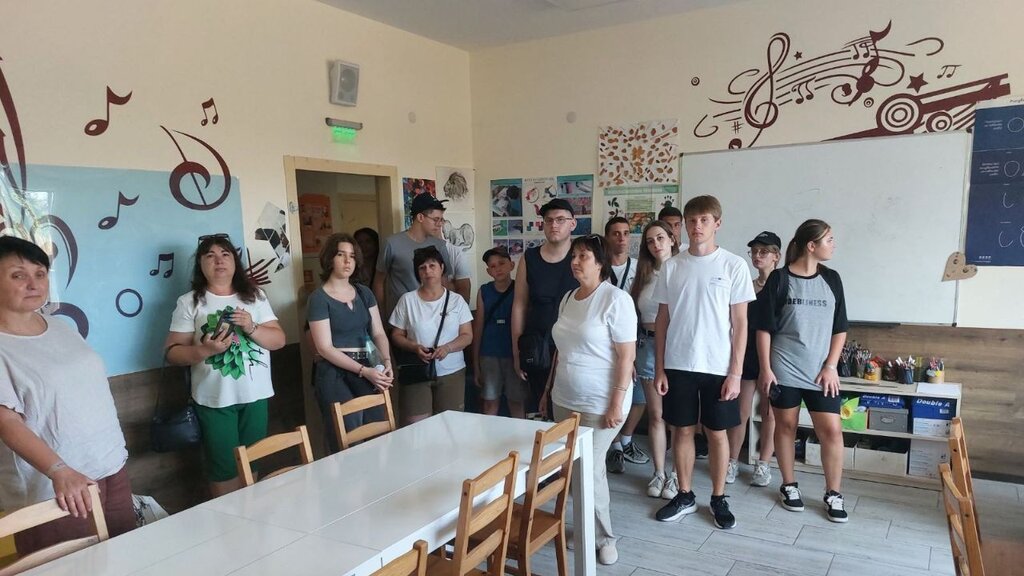
PHOTO "Izvorche" Bulgarian Sunday school in Ukraine
When the pandemic hit in 2019, teaching moved online. The war has kept it that way. However, the crisis also brought an unexpected change.
'We actually expanded our reach,' she says.
'People started contacting us from far beyond our region — from Odesa, and even from abroad. Parents who had left Ukraine for Germany, Finland and Poland, among other places, got in touch. Some of the children were already our students and stayed with us despite everything, but many new ones joined too. Although our students lost extracurricular activities and face-to-face contact, we brought together children from all over the world.”
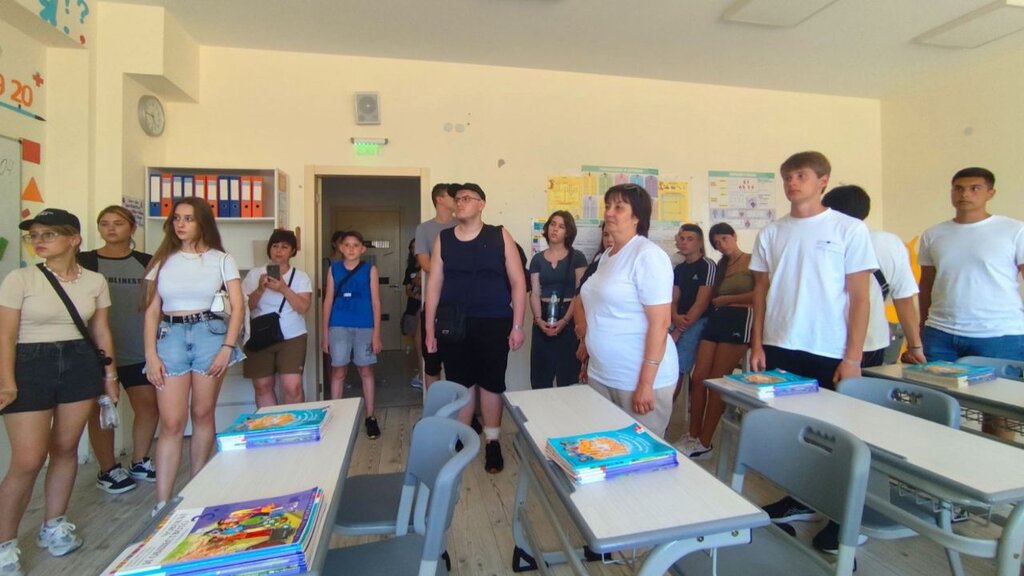
PHOTO "Izvorche" Bulgarian Sunday school in Ukraine
Running a Bulgarian school abroad is never easy, but doing so during a war presents an even greater challenge.
'The most important thing is having a strong, dedicated team — and we have that,' says Ruseva.
'We’ve worked with the same people for many years. They are deeply committed. What we do is not just teaching — it’s a mission. I call the children our heroes because even after a full week at school, they continue learning at the weekend. Of course, each child is motivated in their own way.”
She also speaks of the parents — who, despite everything, keep alive their children’s connection to a country some have never even seen.
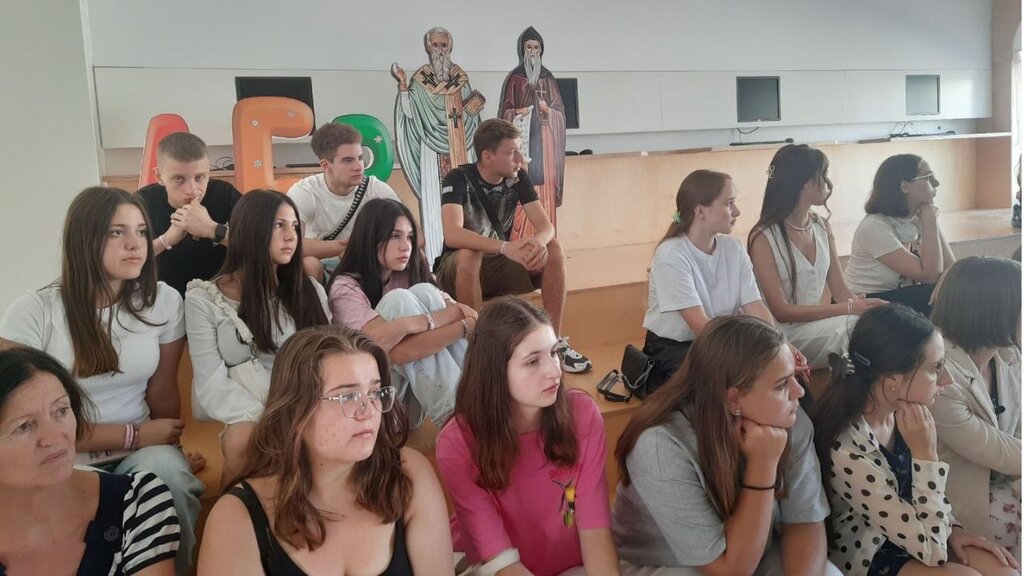
PHOTO "Izvorche" Bulgarian Sunday school in Ukraine
That connection became tangible in the summer of 2025, when students from “Izvorche” travelled to Bulgaria under an education programme. For many of them, it was their first time setting foot in their ancestral homeland.
"We visited Varna, the Sea Garden, the Archaeological Museum, Aladzha Monastery, Balchik, the Botanical Garden and the lighthouse at Cape Shabla," Ruseva recalls.
The experience left a lasting impression.
'I was deeply impressed by Cape Shabla and Aladzha Monastery,' said Valeriya Andrushchenko, a Year 11 student. 'I took some amazing selfies in front of the lighthouse. The white and red stripes, the sound of the sea, and the peaceful atmosphere make it a very special place. This trip to Bulgaria will remain one of the brightest memories of my life.”
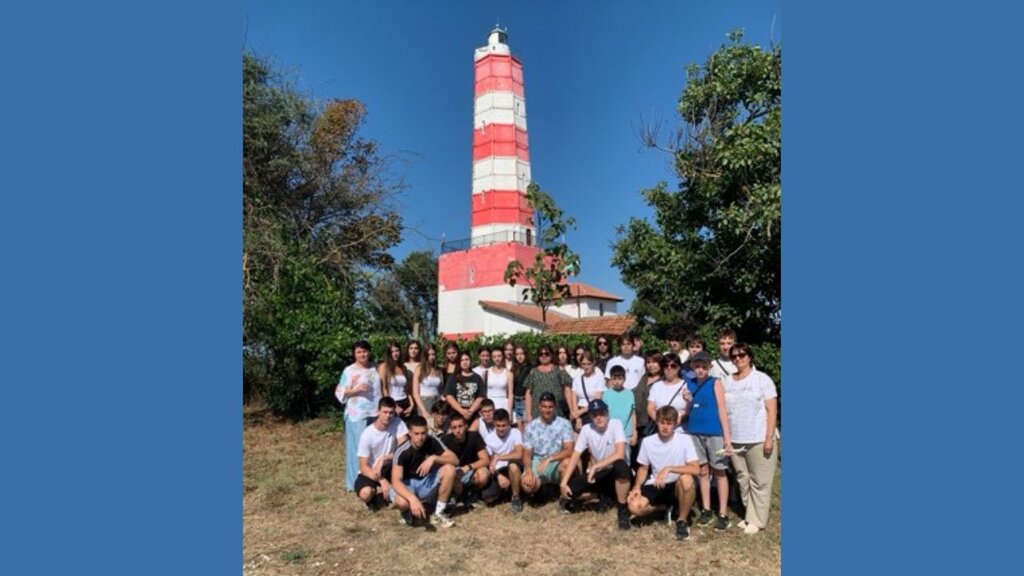
PHOTO "Izvorche" Bulgarian Sunday school in Ukraine
Her classmate, Vyacheslav Konstantinov, added:
'The people in the cities were very kind. We learned how to communicate with them. I also liked that our teachers helped us speak correctly and understand each other. On the last evening, we all gathered around a big table and played games together. It’s a memory that will stay in our hearts for a long time.”
A second trip later that summer took students to Bulgaria’s southern Black Sea coast.
'Bulgaria is an amazingly beautiful country,' said eleventh-grader Anastasia Gaidarji.
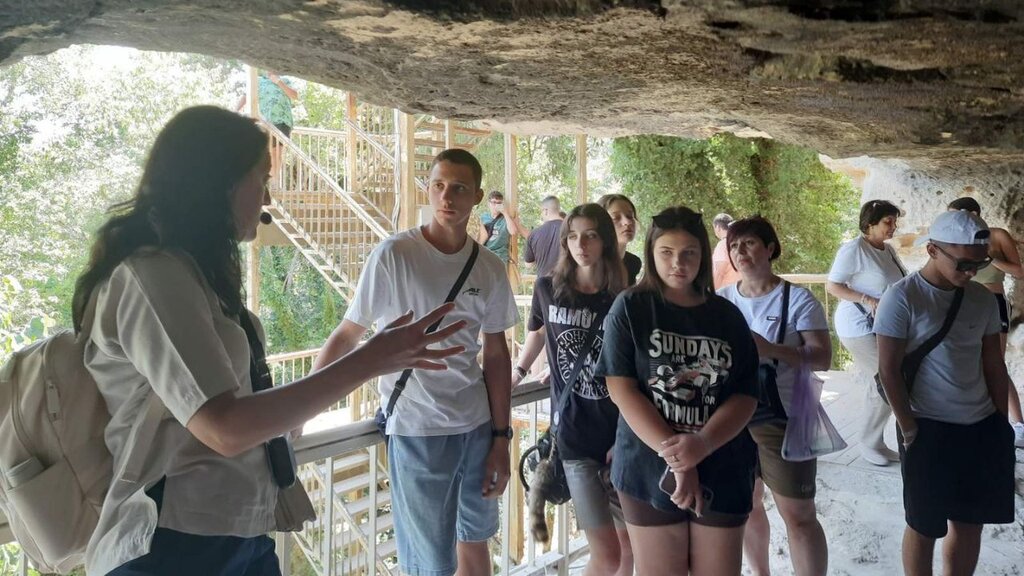
PHOTO "Izvorche" Bulgarian Sunday school in Ukraine
'We visited so many places — the Salt Museum, Old Nessebar and lots of picturesque sites. I especially liked the school in Sveti Vlas — it was modern, spacious, and welcoming. It makes you want to learn.” The Aviation Museum near Burgas was also very impressive — it was like travelling back in time. But what fascinated me most was the ‘Castle in Love with the Wind’ in Ravadinovo. It's so magical — I could live there!"
For others, it was a first encounter with a long-imagined homeland.
'It was my first time in Bulgaria,' said Katerina Zaim, an eighth-grader. 'It was thrilling to see Sunny Beach and stand on its shore. We visited so many interesting places, and I’m very grateful to Bulgaria for giving us the chance to see the homeland of our ancestors.”
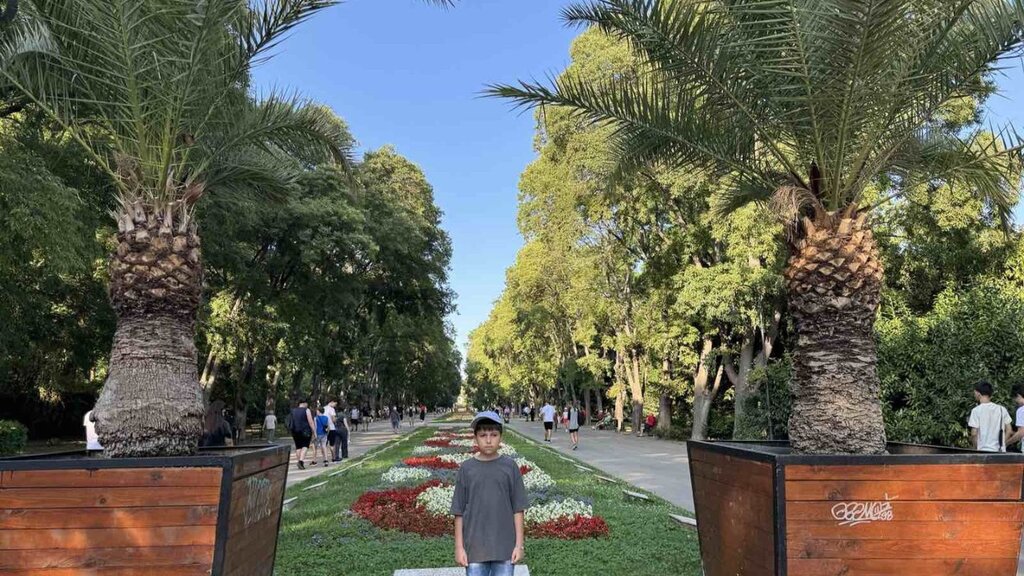
PHOTO "Izvorche" Bulgarian Sunday school in Ukraine
'I had dreamed of visiting Bulgaria for a long time, and that dream finally came true,' added Viktoria Baldzhik, a seventh-grader. 'We spent five unforgettable days at Sunny Beach.'
For Ruseva, these moments matter deeply. They transform an inherited identity, which was previously only formed through stories, into something real and lasting.
Editor: Elena Karkalanova
This publication was created by: Elizabeth Radkova