


Author
Diana Tsankova
Monday 27 April 2026 14:42
Monday, 27 April 2026, 14:42
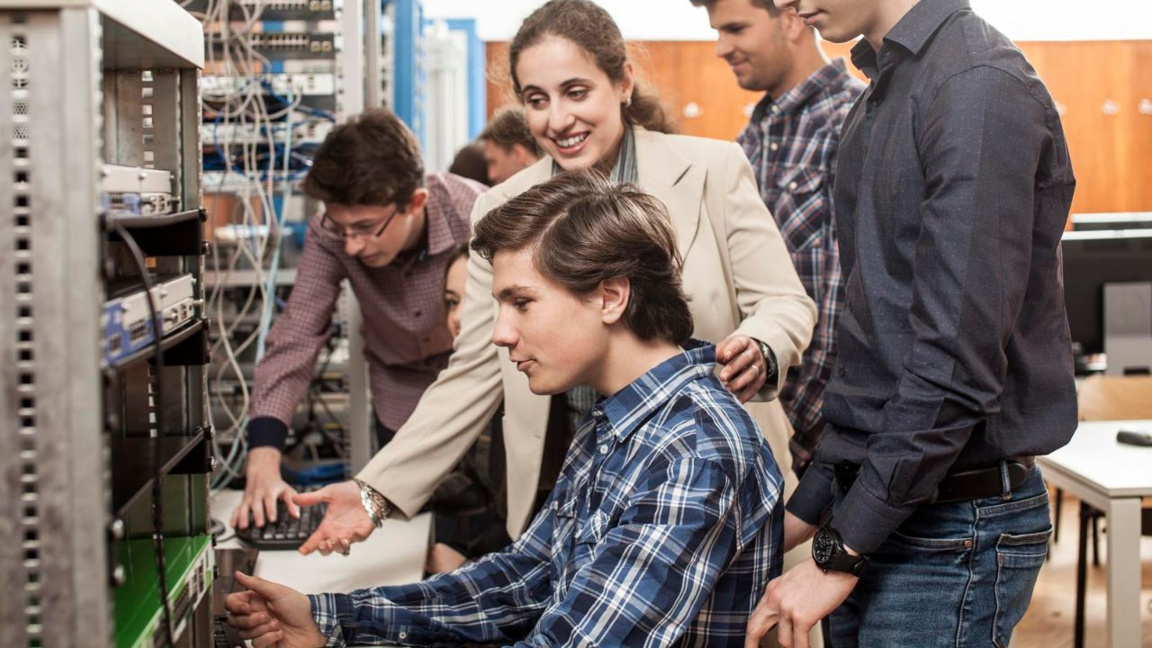
PHOTO TUES
Font size
In a fast-changing technological world, education needs to keep pace, giving young people the knowledge and skills they need for the future. STEM education, which brings together science, technology, engineering and mathematics, is one way of doing this, helping students develop their potential through hands-on problem-solving.
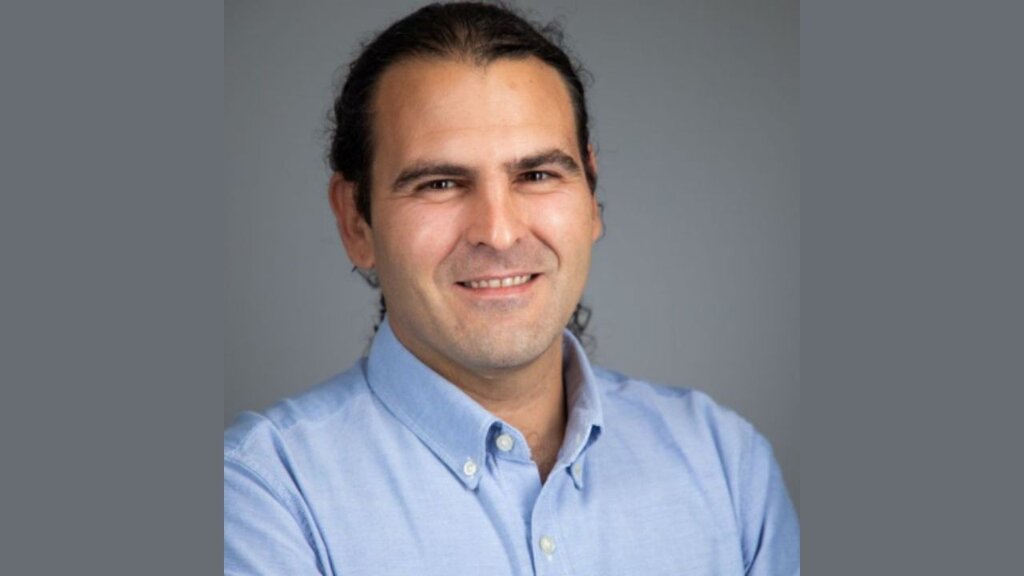
Technology is second nature to today’s generation, but they should not feel threatened by it or worry about being replaced, says Dimitar Nikolov, Associate Professor at the Technical University of Sofia.
Dimitar Nikolov
PHOTO tu-sofia.bg
“Schools with specialised STEM programmes help develop the natural potential that children already have,” he adds. “We need to give that potential room to grow through solid technical training in areas such as programming, computer science, cybersecurity and microelectronics. I’m part of such an institution myself: I teach at the Technological School ‘Electronic Systems’ (TUES), which follows a curriculum developed by our university and encourages students to turn theory into practice.”
Dimitar Nikolov points to the school’s annual hackathon as an example. Teams are required to develop a project from idea to final product. Last year’s winning team created a smart walking stick that uses computer vision to detect obstacles and alert visually impaired users.
“Innovation is no longer something distant, it is here and now, and it is transforming our lives and entire industries,” he says. “We need to teach children as early as possible not only to use these technologies, but to create them. The goal of STEM education is to help them solve problems independently and, when faced with something unfamiliar, to know how to approach it. This is an essential skill and, to me, one of the key lessons schools should pass on - being able to adapt to any environment they find themselves in.”
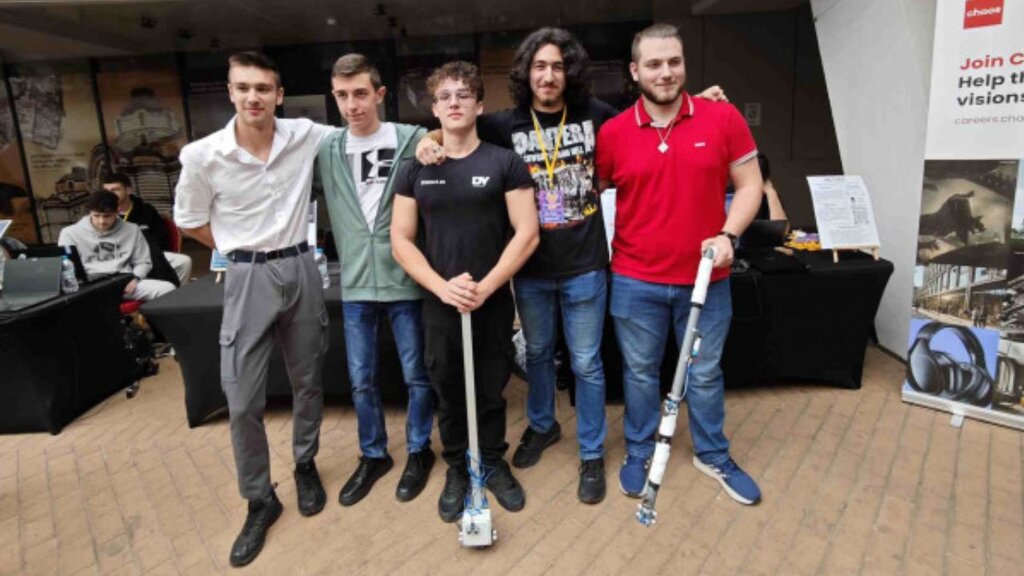
PHOTO Smart Bastoon
The sectors set to shape technological development over the next decade include artificial intelligence, electronics, robotics, automation, cybersecurity and biotechnology.
“Bulgaria has a highly developed IT infrastructure and industry and ranks among the leading countries in Europe in terms of IT specialists per capita,” Nikolov says. “We also have strong traditions in robotics, mechanics and electronics, as well as considerable potential for growth in these fields. What is particularly encouraging is that institutions like ours are working closely with industry. For example, CHIPS of Europe - an EU initiative to train future specialists in microelectronics - is aimed at young people and highlights the vast opportunities in the field. It is important to attract more young people, because over the next four years, according to the European Commission, there will be a shortage of 300,000 specialists. Without progress in this area, we cannot advance robotics, cybersecurity or artificial intelligence.”
According to Nikolov, Bulgaria has invested significant resources in education and science in recent years, while institutions are offering clearer guidance to students on future career paths. He points to the creation of centres of excellence, a national STEM centre, centres of competence and doctoral support programmes as positive developments.
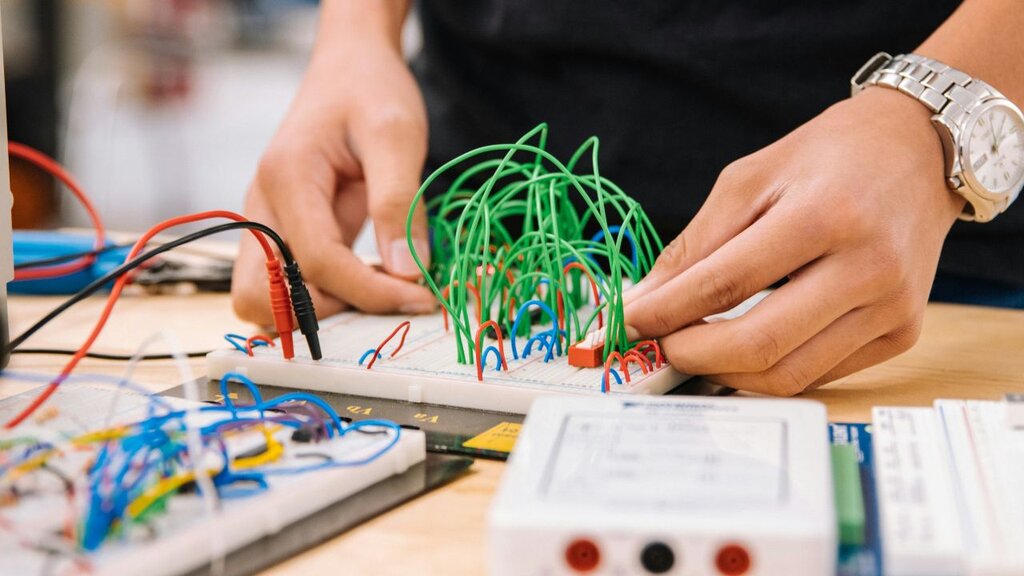
PHOTO Unsplash
“We need to move towards a value-added economy, but that requires strong scientific and technical capacity,” he says. “For the country’s long-term prosperity, developing talent is one of the key challenges. Considerable efforts are being made to provide the necessary infrastructure, as well as technological and financial support. Of course, not everything is perfect, but overall the policies pursued by successive governments aim to give young people a clear path for development in key fields.”
But is there a smooth transition from education to successful careers, and is the business environment open to graduates?
“For many years this has been a challenge, and even now between 30 and 40 per cent of engineering graduates do not go on to work in their field,” Nikolov says. “At the same time, industry is becoming increasingly involved - offering lectures and working to make this transition smoother. The real transition, however, does not begin after graduation. It begins at school and university. Businesses need to be present there, so that young people can understand the opportunities and career paths available to them.”
Editor: Elena Karkalanova
This publication was created by: Elizabeth Radkova