


Author
Yoan Kolev
News
The new National Assembly: Composition, trends and expectations
Where parliamentary parties stand on the eve of the first sitting
Wednesday 29 April 2026 11:32
Wednesday, 29 April 2026, 11:32
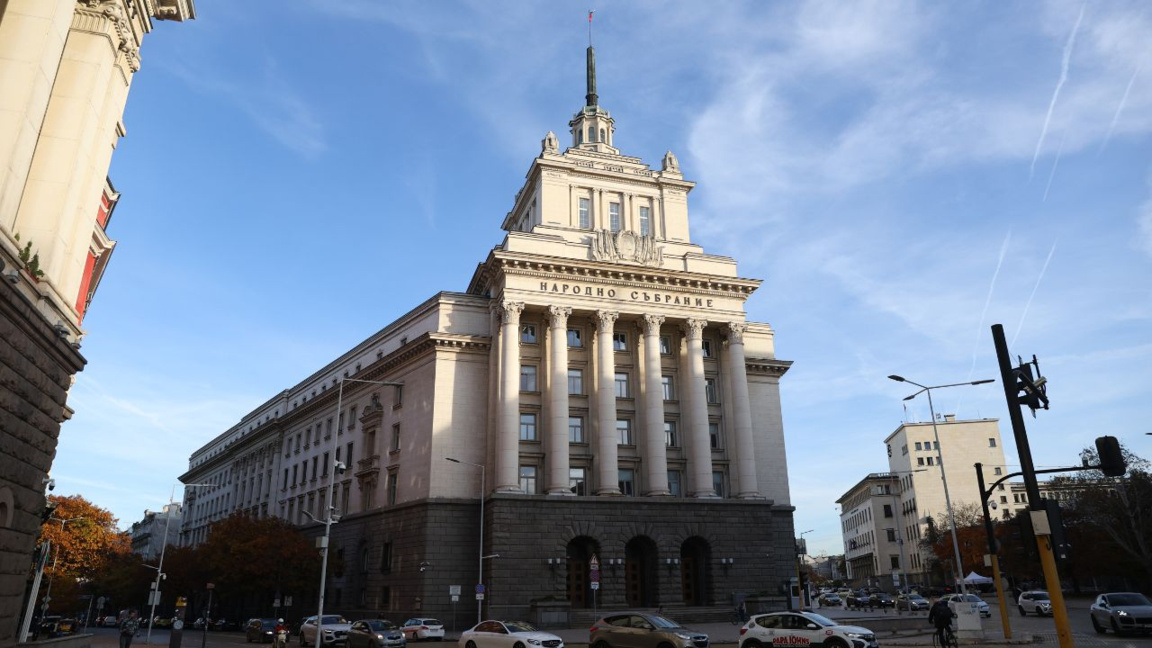
PHOTO BTA
Font size
Vice President Iliana Iotova has set April 30—the last Thursday of the month—as the date for the first sitting of the newly elected 52nd National Assembly.
“I am convinced that we will see a new parliament, a completely different one. For me, the most important thing is to change both the style and the way of work in this parliament, to use language that shows respect not only among members of parliament, but also toward all Bulgarian citizens. We expect many bold and swift decisions,” the head of state told journalists.
What do we know so far about the composition and distribution of parliamentary groups in the plenary hall?
The winners of the April 19 elections, “Progressive Bulgaria,” will hold 131 seats in the 240-seat parliament. GERB-SDS will have 39 MPs, We Continue the Change – Democratic Bulgaria (PP–DB) 37, DPS – New Beginning 21, while the smallest parliamentary group will be “Vazrazhdane,” with 12 deputies.
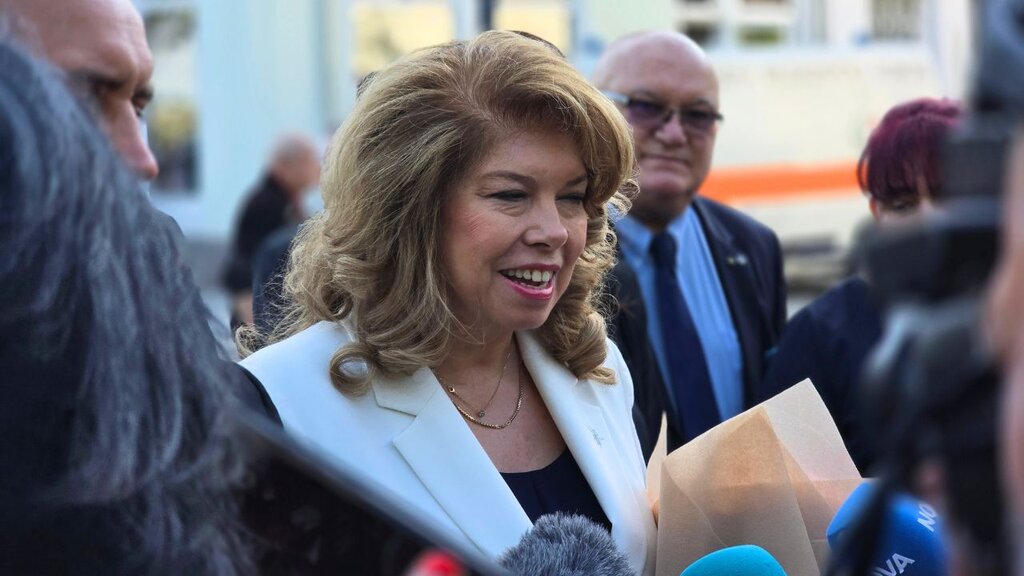
Bulgaria's president Ilana Iotova
PHOTO BTA
Plenary sittings of the newly elected MPs will once again be held in the building on Dondukov Blvd. 1 (the former Communist Party headquarters), as the historic building on National Assembly Square is in need of a full internal and external renovation, expected to take nearly seven years and cost around €30 million.
The ceremonial opening of the 52nd National Assembly will be chaired by the oldest MP, this time from the ranks of “Progressive Bulgaria”—78-year-old General Rumen Milanov, a long-serving figure in the security services.
The youngest MP comes from the “We Continue the Change – Democratic Bulgaria” group. At just 23, Anna Bodakova already has some experience, having worked as a parliamentary assistant to Elisaveta Belobradova from the same coalition.
“I don’t want to be judged just by my age or my ID number, but by my qualifications. I will prove that I can defend the interests and causes not only of my generation, but of all Bulgarian citizens who demand a more honest and functional state,” Bodakova said in an interview with the Bulgarian National Television days before the April 19 elections.

Anna Bodakova
PHOTO BGNES
Public expectations are now firmly focused on the policies to be proposed and implemented by the coalition around former president Rumen Radev. So far, however, it has remained largely silent—heightening interest in the positions it will lay out on the opening day of the 52nd National Assembly.
Once again, the country finds itself in a familiar situation: a party that appeared “out of nowhere” has secured a full parliamentary majority without clearly setting out its priorities, its governing program, or the timeline for delivering it. Political scientist Hristo Panchugov made that point on the Bulgarian National Radio Plovdiv program “Tochno dnes” (“Exactly Today”):
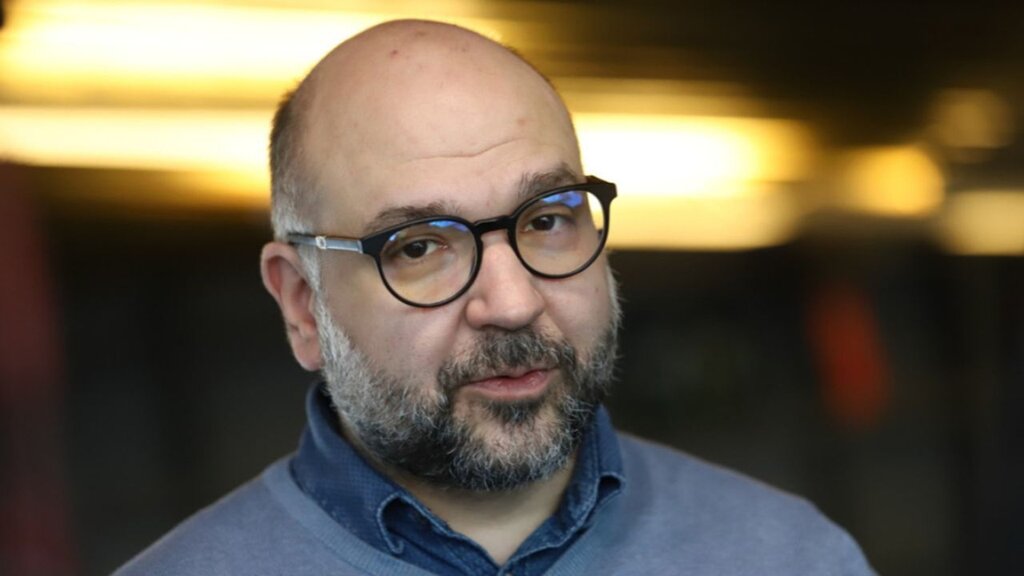
Hristo Panchugov
PHOTO BGNES
“Because of the environment political parties have created for themselves, where essentially only their core voters still turn out, the new formation doesn’t need to do much more than put forward an appealing message and keep its main figures out of the spotlight long enough not to undermine it,” he said. He added that it remains unclear how ministers will be chosen, who they will be, and whether their appointments will rest purely on the leader’s trust or on considerations linked to the campaign and specific policy commitments.
Referring to the pre-election program of “Progressive Bulgaria,” political scientist Milena Stefanova said the party appears to position itself to the left of center.
“What they set out and promised during the campaign will be difficult to deliver. It’s one thing to criticise from the podium of the presidential institution; it’s quite another to sit in the prime minister’s chair and actually get things moving so your policies can be implemented. That broad appeal to different groups in society—which was largely populist during the campaign—could also backfire, because they won’t be able to meet everyone’s expectations. Once they form a government, we’ll see what kind of budget they put forward.”
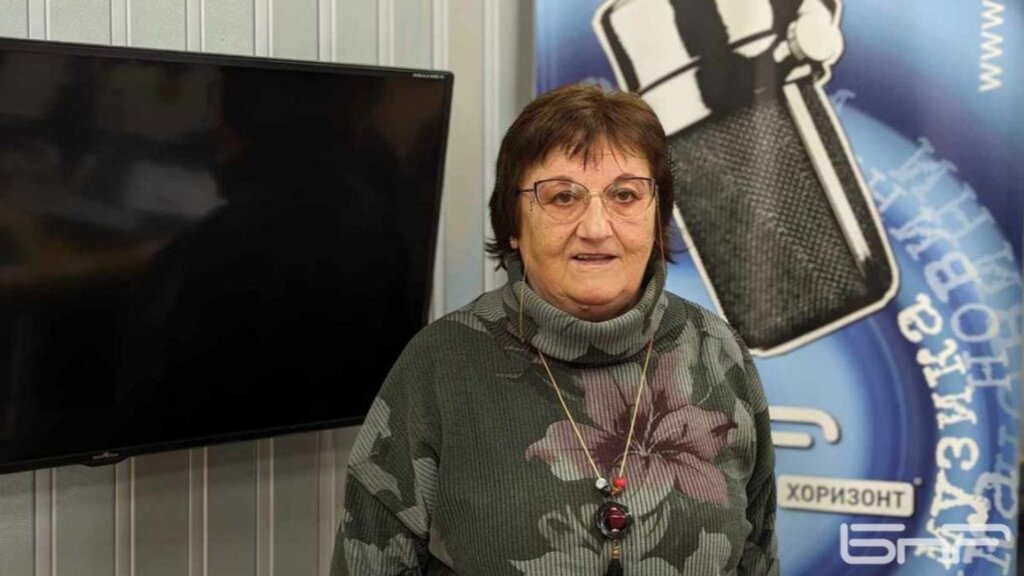
Milena Stefanova
PHOTO Savina Spasova
The 2026 budget is the most pressing task facing the new parliament. The collapse of the government of Rosen Zhelyazkov after protests in late autumn 2025 prevented the adoption of the financial framework for the year. Instead, parliament passed an extension law—a temporary measure that allows the state to continue collecting revenue and spending funds until a regular government is formed and a full budget is approved.
With its 131 MPs, “Progressive Bulgaria” holds a parliamentary majority that should allow for the swift election of a Speaker of the National Assembly and the formation of a regular cabinet—steps that proved a major stumbling block for several previous parliaments.
The political landscape among the other parliamentary forces is no less noteworthy:
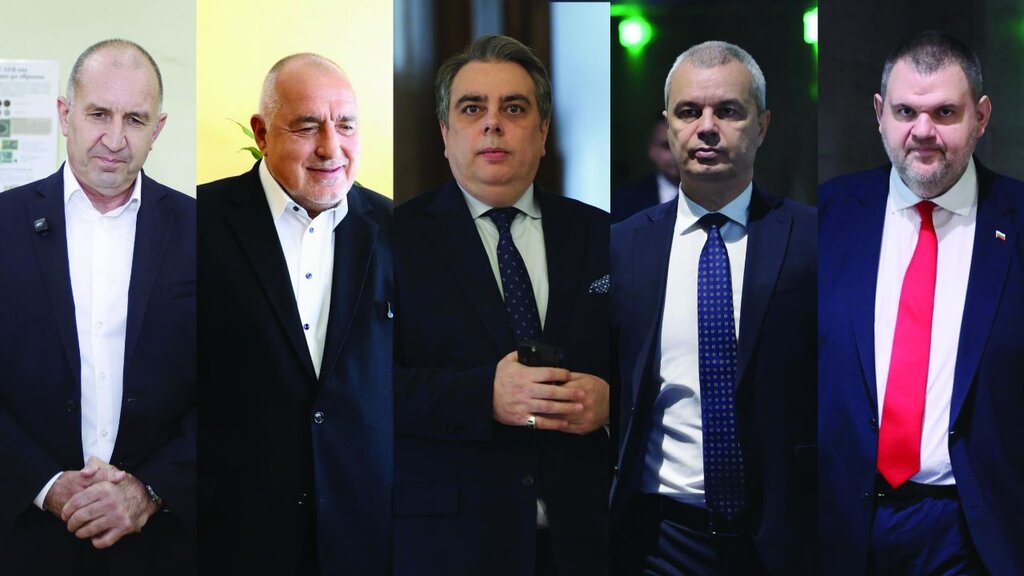
From left to right: Rumen Radev (Progressive Bulgaria), Boyko Borissov (GERB-SDS), Assen Vassilev (PP-DB), Kostadin Kostadinov (Vazrazhdane), Delyan Peevski (DPS).
PHOTO BGNES
“This is the first time a party has moved into GERB’s electoral space and taken a share of its voters,” said sociologist and university lecturer Prof. Rumyana Kolarova. “At the same time, sorting out relations within PP–DB is a matter of survival, but it is also likely to trigger a serious internal crisis. It is no coincidence that they still don’t have an agreement, which is necessary and would clearly define their internal differences.”
In her view, this leaves PP–DB with little room for manoeuvre beyond acting as a clear opposition.
Turning to the third parliamentary force, “DPS–New Beginning”, Kolarova pointed to a separate but equally important shift:
“Delyan Peevski has managed to establish himself as the face of DPS as a regional party. Ahmed Dogan is no longer an alternative for people with that identity, while Rumen Radev has managed to break into the political space – not without the backing of Dogan and part of the DPS elite.”
“The big question now is whether the Bulgarian ethnic model will come to an end – or be preserved.”
These are among the key questions likely to shape the coming months, as a new government is formed and the new majority tackles its main priorities—the adoption of the 2026 budget and changes to the composition of the Supreme Judicial Council.
This publication was created by: Elizabeth Radkova