


Author
Diana Tsankova
The April Uprising comes to life in a virtual story
"Freedom Network" brings together seven cities, revealing different aspects of one of the brightest moments in Bulgarian history
Thursday 30 April 2026 12:36
Thursday, 30 April 2026, 12:36
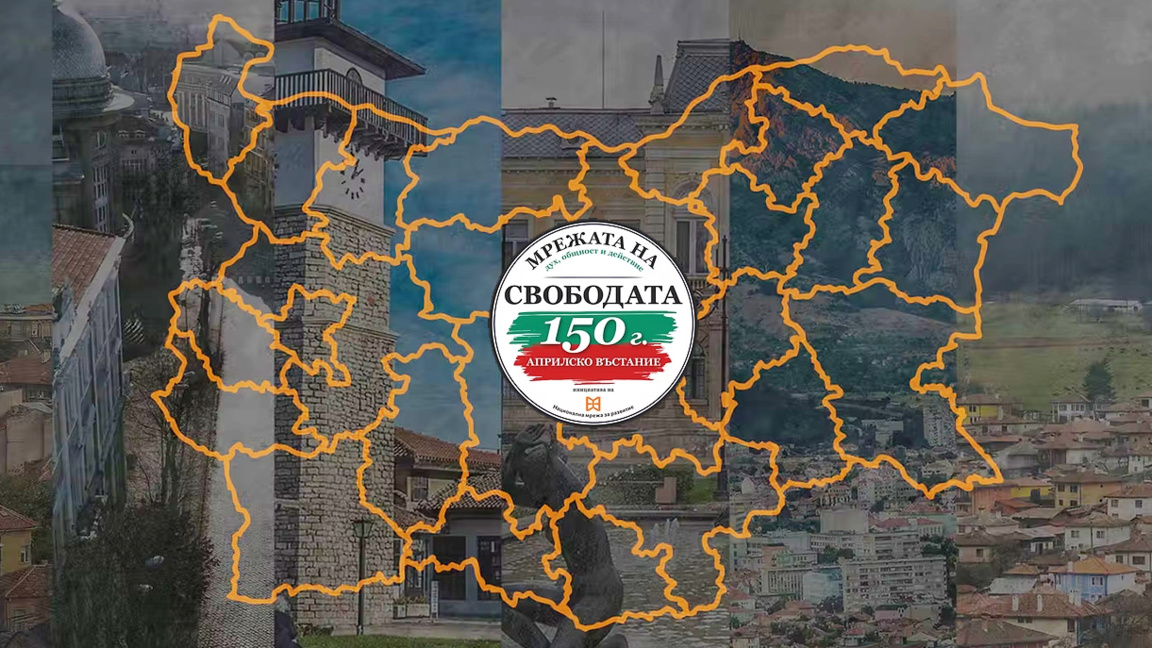
PHOTO nmrbg.org
Font size
Seven Bulgarian cities will simultaneously become a virtual stage on
which the history of the April Uprising, which played an important
role in the Liberation of Bulgaria from Ottoman rule, will be
recreated in a comprehensive story. "Freedom Network" will
present the events that took place in 1876 in the context of the
contemporary Bulgarian society.
"National
Development Network", which is organizer of the initiative,
chooses an innovative educational approach to one of the brightest
moments in Bulgarian history. The fifteen-minute presentations from
the individual cities will be watched on April 30 on screens in front
of a live audience as the Faculty of History of Sofia University
"St. Kliment Ohridski" will also contribute to the
credibility of the historical narrative.
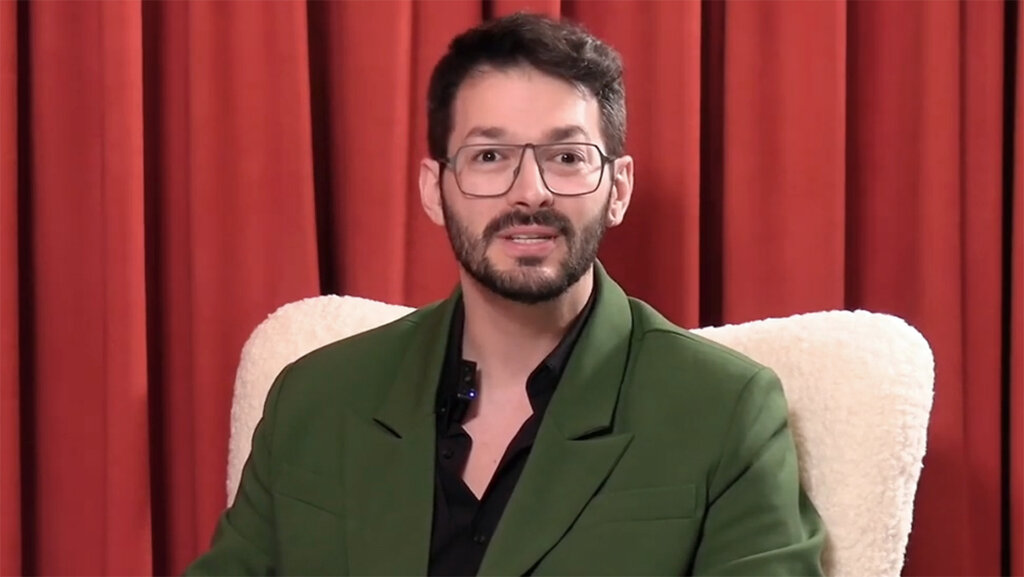
PHOTO YouTube/@nmr_bg
"The
April Uprising is the final moment of a great accumulation in
Bulgarian society – not only of education and religion, but also
economic one,“
says
representative of the non-governmental organization, Chavdar Vlachkov.
„Speaking about the audience abroad, it is important to note that
many of our enlighteners travelled beyond the borders of the
Ottoman
Empire
and by
bringing ideas back they
became
the driving force behind what was happening. The revolutionary
committees in
Giurgiu
were abroad so that the lessons learned elsewhere could be generated
and used in a meaningful way. In this sense, the role of Bulgarians
beyond the
borders as importers of inspiration is very important."
"Freedom
Network"
has a unique dramaturgy that takes us back in time, painting a
picture of the historical event, but also sending messages for today.
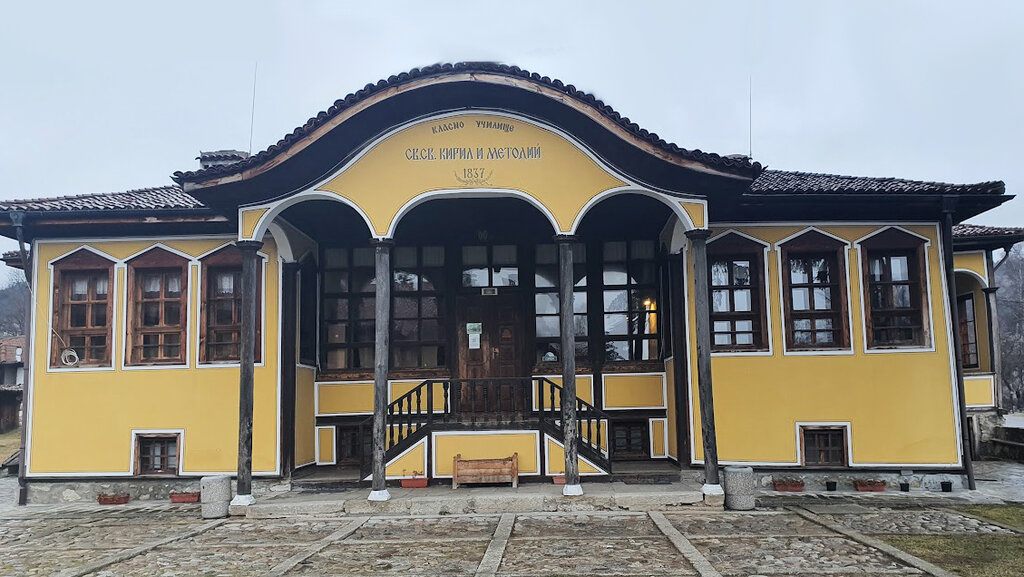
"Sts. Cyril and Methodius" School in Koprivshtitsa
PHOTO facebook.com/bogatakoprivshtitsa
The
story starts
in Koprivshtitsa, where the April Uprising broke out on April 20,
1876. A turn to
Varna
follows
and
to
the decades of cultural development as a spiritual impetus for
freedom.
"In
Sliven, we will draw a parallel between the Stara Zagora Uprising of
the fall of 1875 and the April Uprising,“ Chavdar Vlachkov
continues. „Then we will head to Ruse to talk about the hidden
infrastructure of the Bulgarian revolution - women. They were the
couriers who took daily risks, delivering messages and weapons to the
Bulgarian apostles and organizers of the uprising. One of them -
Todora Bakardzhieva, carried Vasil Levski's sword across the border.
Hristo Botev read his poems to
her and
she organized the last meeting between the revolutionary and his
mother. Weaving notes into her hair and hiding disassembled pistols,
Todora Bakardzhieva constantly put her life at risk to help the
rebels."
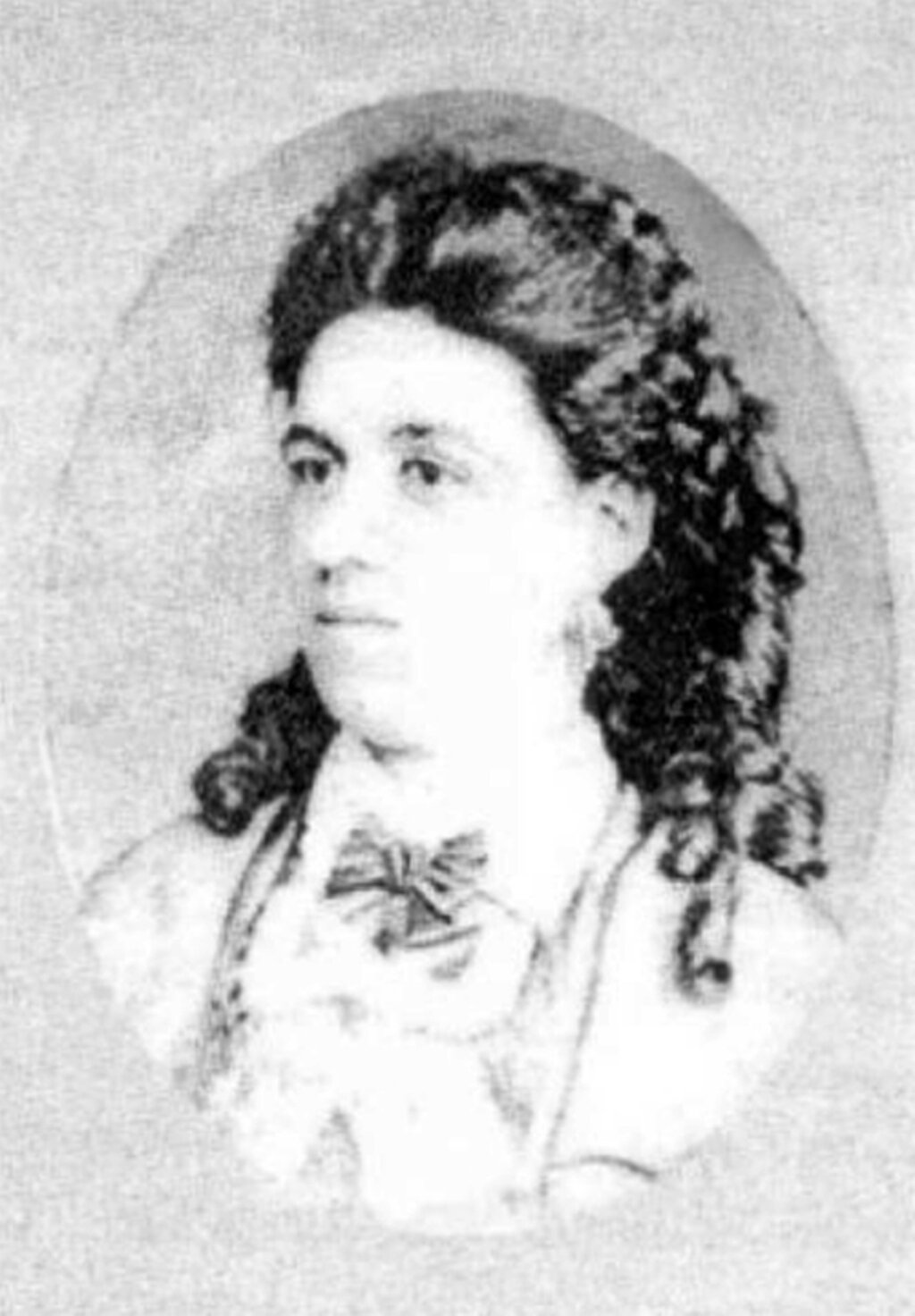
Todora Bakardzhieva (1850 – 1934)
PHOTO bulgarianhistory.org
In
Sofia, historian Alexander Stoyanov will talk about the generational
conflict and youthful energy, so that we can see what kind of bridge
between generations can unite them. Next comes the challenging topic
of the broken thread connected to the communist regime and the
inaccurate historical retelling of the testament of the Awakeners,
which will be discussed in Burgas.
The
last stop is planned for Dobrich – the city that remained outside
the borders of Bulgaria for nearly three decades.
"We will end with a
story about the fact that no matter where we are in the world and
what we do, we are united by one thing and that is our history,"
Chavdar Vlachkov adds.
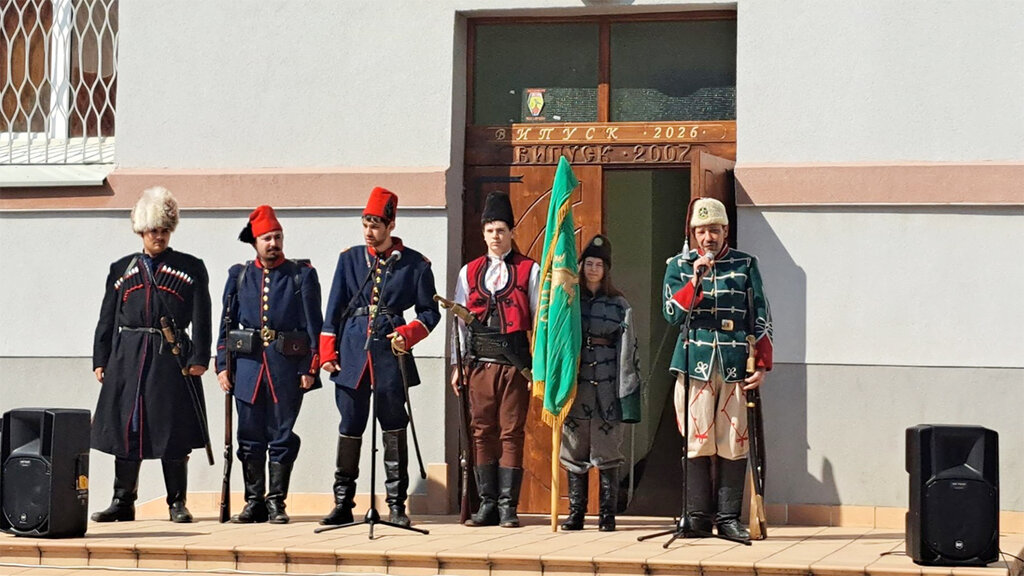
Celebrating the 150th anniversary of the April Uprising at the "Geo Milev" School in Dobrich
PHOTO eg-dobrich.com
He
points out
another aspect of this story – to put the context at the forefront.
Thus, the conversation about the spirit of the times and the values
of our society will be based on facts and not the other way
around. As
young people have their civic responsibility today, what example can
they take from those
who prepared and participated in the April Uprising?
"Perhaps
one of the big lessons we need to learn is how generations can work
together," Chavdar Vlachkov replies. "The responsibility of
the younger generation is as great as that of the previous one, but
we as a society do not invest enough in it, but criticize it
with clichés for its impulsiveness, lack of focus and attention. I
wish young people would seek inspiration from history.
For this to happen, however, we need to develop critical thinking in
the education system. Without it, everything else is just factology
that can be subjected to various
interpretations."
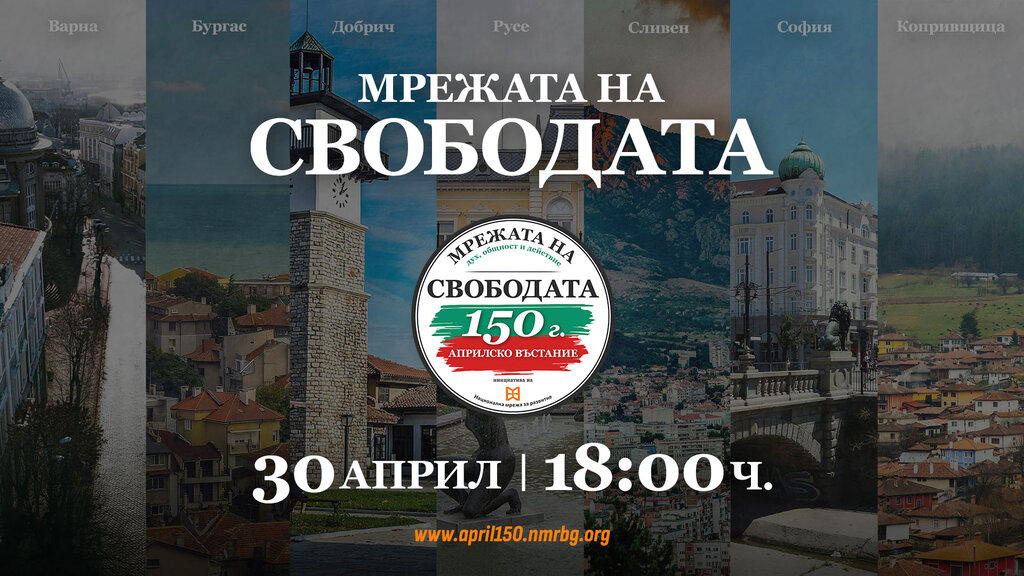
PHOTO april150.nmrbg.org
According
to Chavdar Vlachkov, modern society can draw inspiration from the
Bulgarians in the years before the liberation wars and the April
Uprising, when women had equal rights even in the educational system
and a fundamental role in the family. And when asked what kind of
heroes we are missing today, he recalls the words of Ivan Vazov, who in
his role as a statesman uttered the words: "I can't cope, there
are better people than me. I resign, let them take over."
"This
self-awareness and promoting
leaders with the qualities to change our society, paying a personal
price, is extremely important. Perhaps,
this is what we lack today - there is great selfishness and
narcissism that prevents people with
abilities from
coming forward," Chavdar Vlachkov says.
This publication was created by: Alexander Markov