


Author
Desislava Shapkarova
News
Security or missed benefits – how Bulgarians manage their money
Tuesday 5 May 2026 14:07
Tuesday, 5 May 2026, 14:07

PHOTO Pexels
Font size
"We have a stable banking system, access to European markets and
working financial instruments, but we do not use them enough" –
this is the diagnosis of the current economic situation in Bulgaria,
made by Zhak Semizov, a two-time winner of the Eureka
Award for achievements in the field of economics and auditor of three
of the largest banks in this country, who is currently working in the
field of real estate trading.
"If
we look at BNB data, we will see that the Bulgarian banking
sector is very well positioned in the eurozone
- it has high capital adequacy, strong liquidity and banks
maintaining significant buffers of funds. Bulgaria is definitely
perceived as a disciplined and predictable investment destination
and this is good for the financing of the state, businesses and
households," he said
in an interview with Radio Bulgaria, dedicated to financial literacy,
business in Bulgaria and investment opportunities.
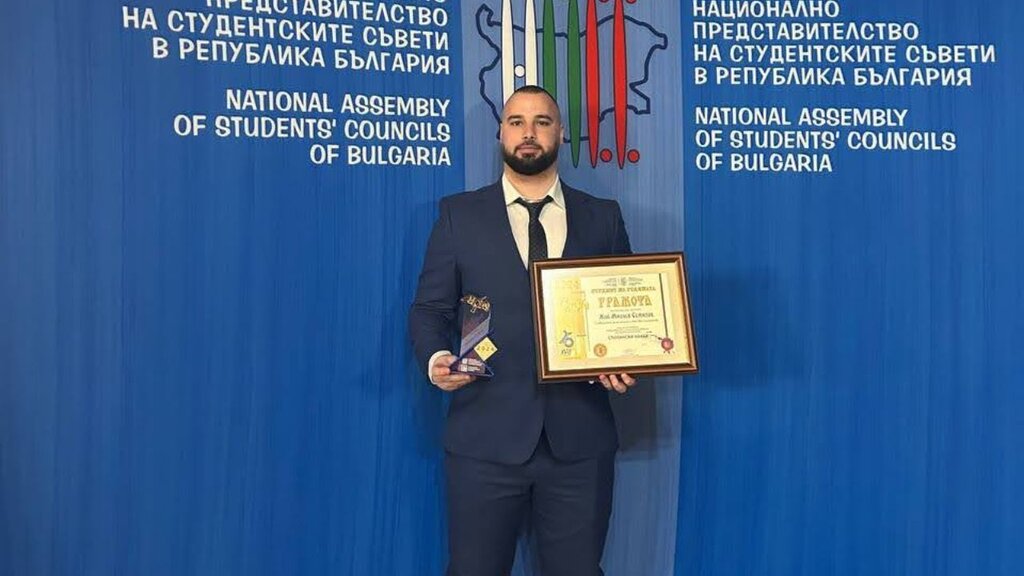
PHOTO personal archive
According to the young analyst, it is a matter of time for investors to focus their attention on this country. As for individual citizens, in the conditions of a pro-inflationary environment provoked by global geopolitical crises, we need to turn to financial markets as a tool for diversifying our own portfolios. "Each of us is part of global trade, even if we don't realize it," says the young specialist and points out that the problem is not in the lack of opportunities, but in the national psychology, which is formed by historical events and determines the investment decisions of the individual. "Our society has suffered many financial shocks and quite a few political crises, so our trust in assets is extremely difficult to build," Semizov says and adds:
PHOTO Pexels
"Bulgarians
are
traditionally more conservative and prefer security. The most
recognizable assets in our country are bank deposits, real estate and
gold
to some extent. However, we observe a very interesting paradox: the
safest solutions, such as investing money in real estate and
deposits, often turn out to be quite risky in the long term,
especially in an environment with high inflation. At such moments,
our money simply loses value! The reason is in the interest rates on
deposits in our country, as
well as
in real estate, which are not risk-free assets - they depend on the
market, interest rates and the
demographic situation in the country. This is precisely where the
role of financial markets manifests itself!"
Mr.
Semizov cited data from the Financial Supervision Commission,
according to which assets in investment funds in Bulgaria are growing
significantly, which is a sign that there is a change in the behaviour
of the Bulgarian investor, albeit slow. But he also drew attention to
the fact that the main percentage of investors are young people, who
often enter the financial markets with enthusiasm, a desire to get
rich quickly and a lack of knowledge, which
leads to serious mistakes. The older generations, unfortunately, also
manage their finances on a gambling principle and the reasons are
somewhere between psychology and a lack of financial literacy, the
young specialist says.
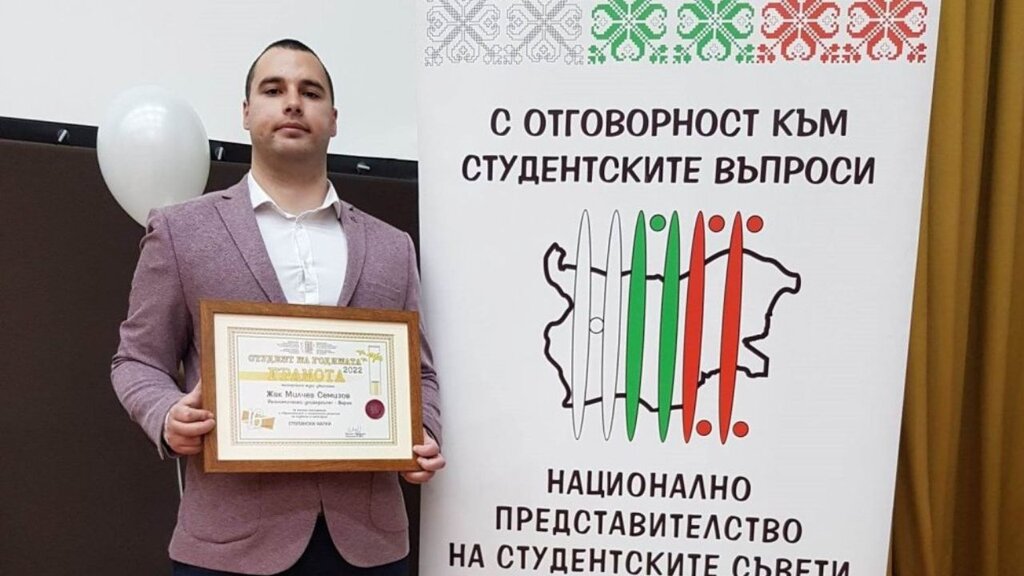
PHOTO personal archive
"Most of us do not spend our money wisely, do not invest, do not make long-term plans and do not use financial instruments - i.e. everything that could improve the lives of each of us"
The lack of financial literacy always leads to a lag in personal profitability and also to dependence on one source of income. Therefore, it is necessary to seek long-term solutions to change the model, starting with education:
PHOTO Pexels
An
example in this direction are countries with developed economies, in
which more and more households participate in capital markets and
receive serious diversification of their income.
"There
is nothing to argue about, as higher financial literacy brings with
it a prominent civic position and this inevitably leads to an
improvement in the standard of living and the social environment in
the country. Bulgaria does not suffer from a lack of opportunities,
but rather from not using the available ones! We have a stable
banking system, access to European markets and diverse financial
mechanisms. The next step is more in the field of culture - to start
thinking more in the long-term, with less thirst for quick riches, to
be more informed, more curious and more confident! And if we have to
summarize: financial freedom does not begin with more money, but with
better decisions and awareness!"
This publication was created by: Alexander Markov