


Author
Joan Kolev
News
Bulgaria's Guards Band – a centuries-old tradition in the state ceremonial life
Military bands stand at the foundation of Bulgaria’s post-Liberation musical culture
Wednesday 6 May 2026 13:47
Wednesday, 6 May 2026, 13:47
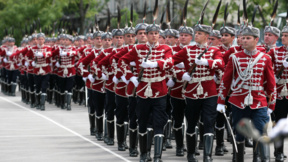
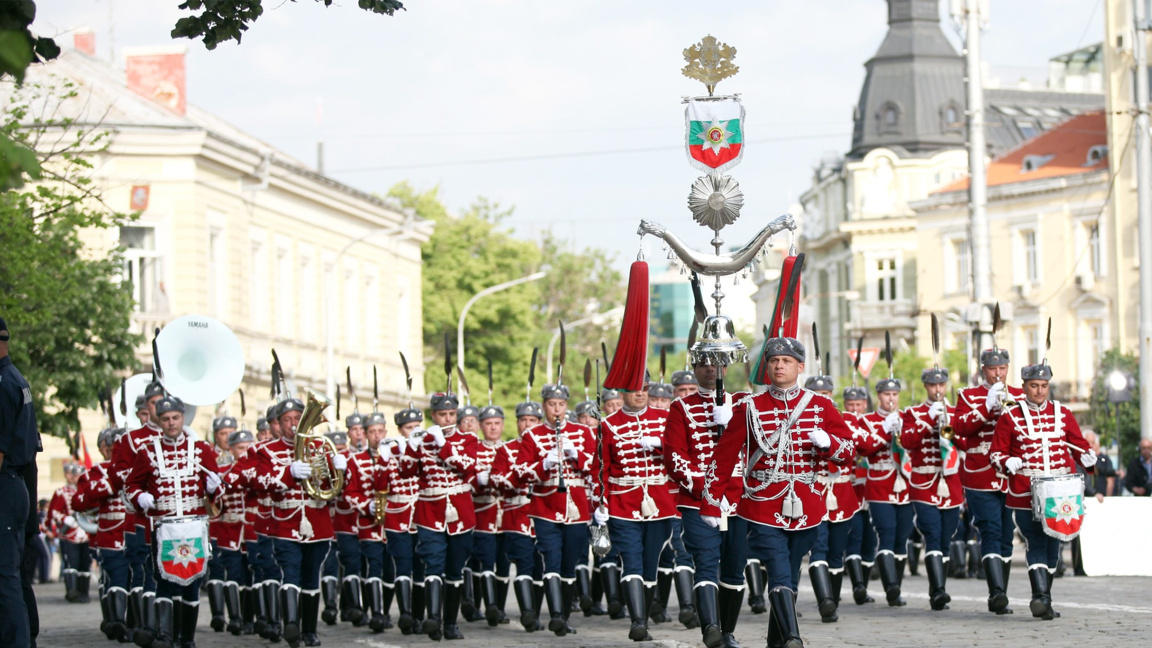
PHOTO Facebook/Guards Representative Brass Band
Font size
The Feast of St. George - 6 May - is observed in Bulgaria as the Day of Valour and of the Bulgarian Army, a date that unites military tradition, national memory, and spiritual symbolism. For many, the image of the soldier is inseparable from that of the guardsman, while the National Guards Unit - with its distinctive uniforms and strict rituals - has become an emblem of Bulgarian statehood.
As a representative military formation, the National Guards Unit plays a central role in the country’s official ceremonial life - from national holidays to diplomatic events of international stature. Yet its mission extends far beyond protocol: it safeguards historical memory and sustains a living sense of national identity within contemporary society.
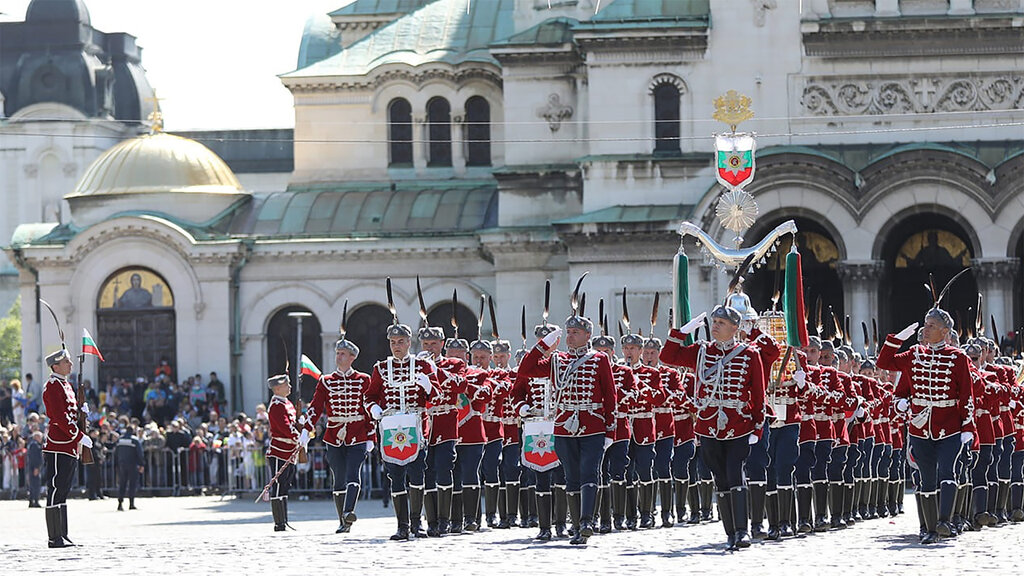
PHOTO Facebook/Guards Representative Brass Band
An essential part of this legacy is the Guards Band, founded by а princely decree in 1892 - one of the earliest professional musical ensembles in Bulgaria, which contributed significantly to the development of the nation’s musical culture. As early as the late 19th century, the orchestra recorded gramophone records for foreign companies, through which Bulgarian music reached European audiences.

D-r Galia Grozdanova-Radeva
PHOTO Joan Kolev
“It is important to note that the composition of the Guards Band, which began its active work in early 1893, was almost entirely Bulgarian - this was a fully functioning military orchestra whose personnel had been transferred from the Sixth Tarnovo Regiment to the Life Guards Squadron (Leib Guard squadron). In other words, it was not a newly formed ensemble, but one with an existing history.
A year earlier, it had come under the direction of Josef Chochola - the most experienced kapellmeister in Bulgaria at the time, the first professional conductor and composer,” explains musicologist Dr. Galya Grozdanova-Radeva, a lecturer at the National School of Music “Lyubomir Pipkov” in Sofia and author of two studies on early professional orchestras in Bulgaria and the history of the National Guards Band.
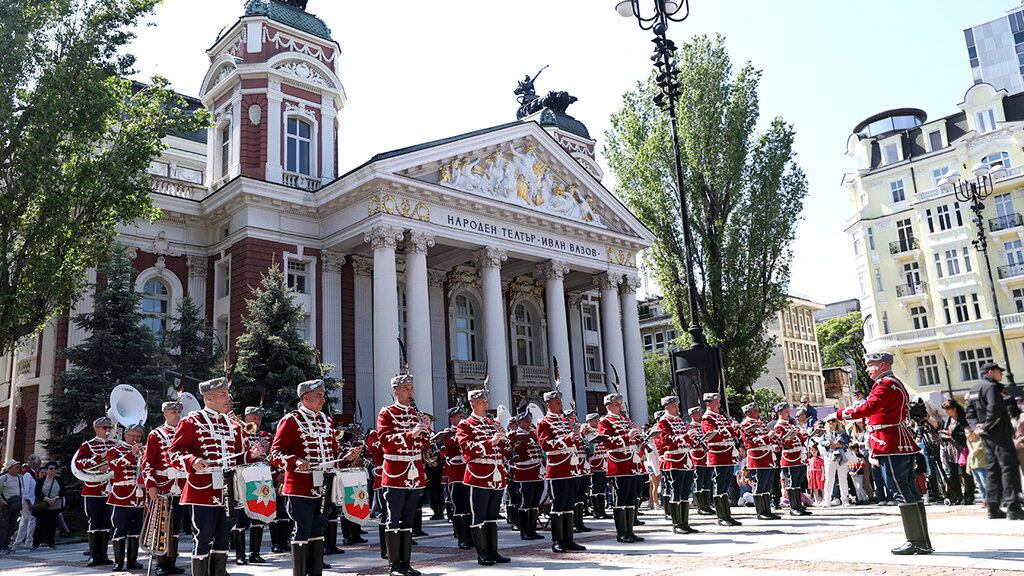
PHOTO BTA
Today, the Representative Brass Band of the National Guards Unit embodies Bulgaria’s military musical tradition, whose origins date back more than a decade before its official establishment - to 1879, the year following Bulgaria’s Liberation after five centuries of Ottoman rule. It was then that the first military orchestra, led by Czech kapellmeister Josef Chochola, arrived in the town of Veliko Tarnovo. Only weeks later, it took part in a historic event of pivotal importance for the newly restored Bulgarian state - the proclamation of Prince Alexander I of Battenberg and the adoption of the first Bulgarian Constitution.
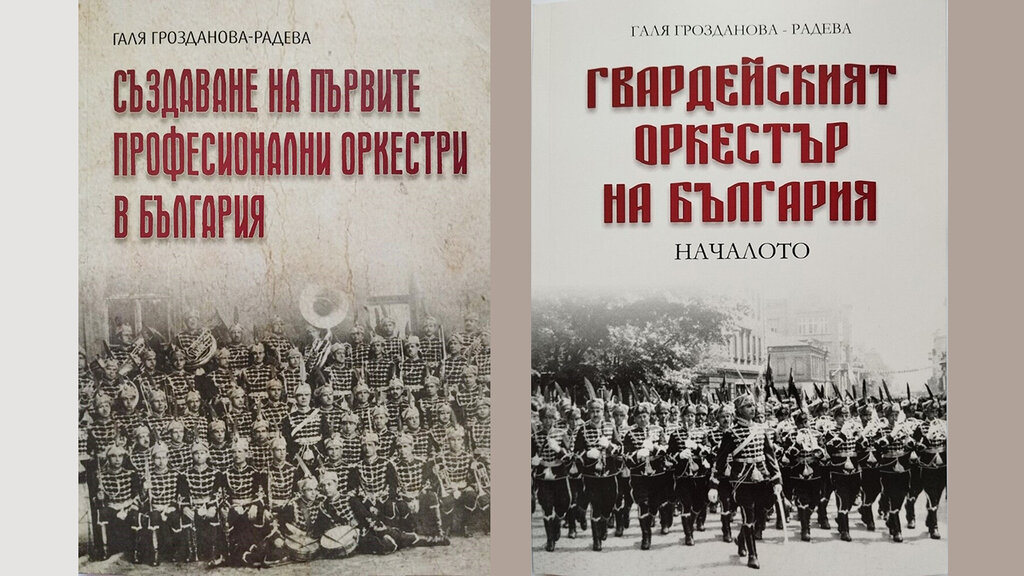
PHOTO Private archive of Dr. Galya Grozdanova-Radeva
“There exists only one monograph dedicated to military brass bands - by Atanas Ivanov, published in 1979. Despite their importance, these ensembles have rarely been the subject of in-depth scholarly research,” notes Dr. Grozdanova-Radeva. In an interview for Radio Bulgaria, she sheds light on lesser-known aspects of the development of military bands - formations that played a crucial role in shaping Bulgaria’s musical life after the Liberation in 1878 and remain a vital cultural bridge between Bulgaria and Europe.
“In the Bulgarian state, the profession of ‘musician’ entered public life through military braass bands in 1879. At that time, it manifested itself in only three forms: military musician, military kapellmeister, and teacher of singing and music. It was considered a free profession, and while musicians as a group did not always enjoy high social prestige, the roles of military musician and conductor were, in fact, highly respected. Perhaps this is where a certain misconception arises - that military musicians are somehow external to Bulgarian musical culture. This, however, is not the case.”
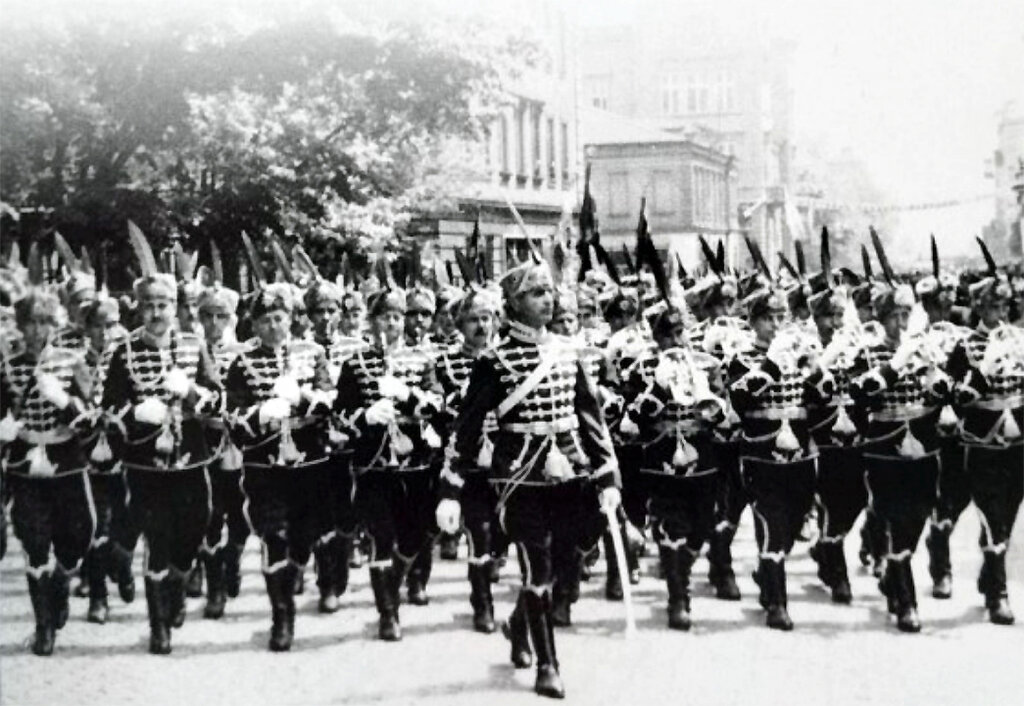
The Guards Brass Band during the St George’s Day military parade in Sofia, 6 May 1942
PHOTO BTA Archive
Military brass bands were the first professional musical ensembles in Bulgaria, explains the researcher. They created a national artistic repertoire, while the so-called kapellmeister schools trained hundreds of young Bulgarians as musicians. This mission was entrusted to them by the Bulgarian state, alongside the task of collecting and documenting Bulgarian musical folklore, as well as introducing the public to works by European composers - thus integrating Bulgarian audiences into the broader European musical tradition.
“It is important to emphasize that the foundations of Bulgaria’s music-pedagogical school were also laid by military kapellmeisters and musicians. This was their primary duty, and even before arriving in Bulgaria, their contracts required each of them to train at least three Bulgarian youths annually on their respective instruments. The scope of this training expanded to such an extent that all orchestras were fully staffed, and new ones continued to be established - until the capacity of the Bulgarian army at the time was filled. Thus, the musicians trained by these kapellmeisters went on to form civilian orchestras, as well,” Dr. Grozdanova-Radeva explains.
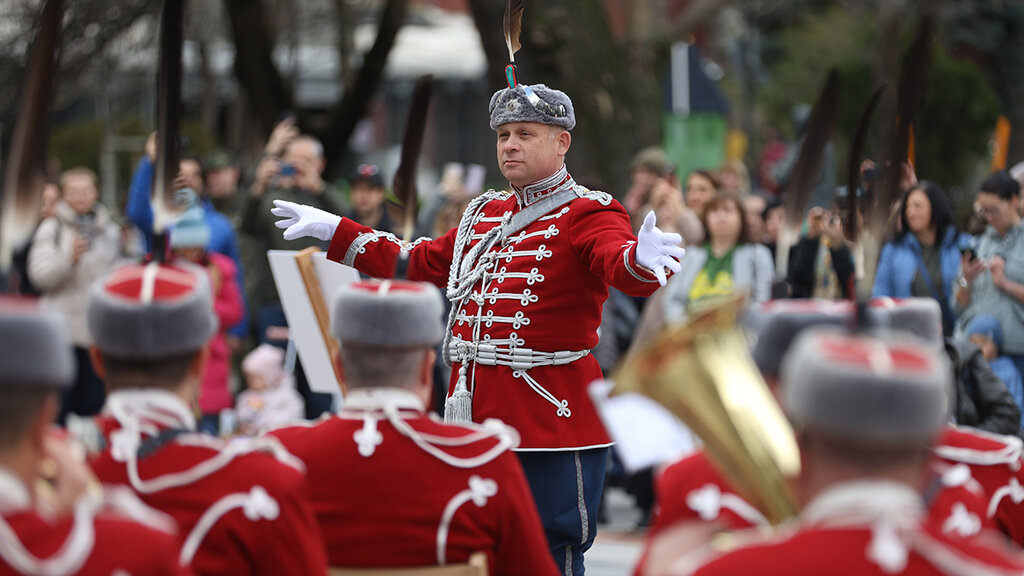
PHOTO BTA
In practice, military kapellmeisters and musicians laid the foundations of Bulgaria’s entire musical life, influencing the development of all subsequent orchestras - string, symphonic, and jazz ensembles alike - and playing a decisive role in shaping the musical taste and knowledge of society. Yet their most profound contribution remains tied to history: military bands stood at the forefront of all wars fought by the young Bulgarian state. Their music led armies into battle - through the Serbo-Bulgarian War, the Balkan Wars, and both World Wars. Even in the gravest moments, immortal military marches uplifted the spirit of the troops, urging them forward toward victory.
“These Bulgarian sons shed their blood and left their bones on many battlefields in defense of our freedom, independence, and territorial integrity. What I would wish for our servicemen - and for all Bulgarians on this day - is, beyond good health, to steadfastly preserve and remember our historical and cultural memory. It is the spiritual pillar of the Bulgarian nation, the guarantee of our independence of spirit and our future as a people. To the military bands and their conductors, I wish that their work be recognized and respected as highly specialized and worthy of esteem, and that they receive due acknowledgment in society for their immense historical and cultural contribution to Bulgaria. Gratitude is also due to the Bulgarian state, which - through the Bulgarian army - has created the greatest patron of Bulgarian culture from the Liberation to the present day.”
Edited by E. Karkalanova
English: R. Petkova
This publication was created by: Rositsa Petkova