


News
DARA's song Bangaranga made it to the top of Eurovision 2026
Bulgaria’s Eurovision journey: from first entry to historic 2026 victory
Bulgaria made its debut at the Eurovision in 2005
Wednesday 20 May 2026 06:05
Wednesday, 20 May 2026, 06:05
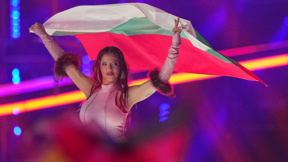
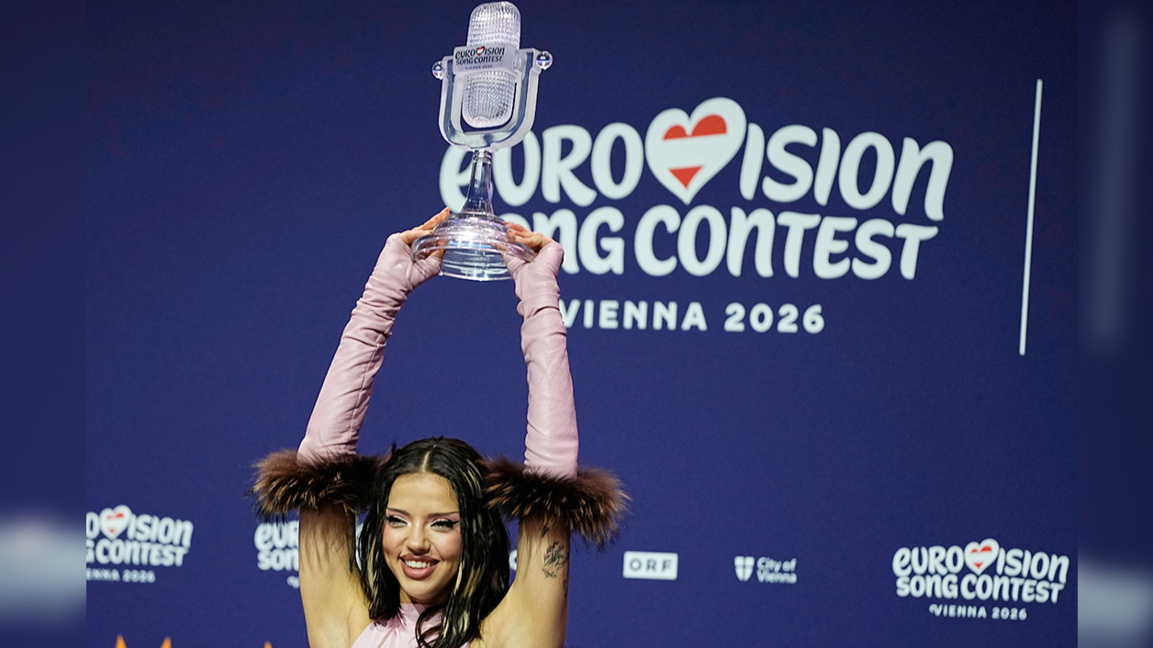
Eurovision 2026 winner DARA
PHOTO AP/BTA
Font size
In a competition with 24 other countries in the grand final of the Eurovision Song Contest 2026, Bulgaria won over both viewers and the jury and became the undisputed leader of this year's edition of the contest.
With a total of 516 points, Bulgaria won its first-ever Eurovision victory after having been represented at the contest for 15 times until now.
Bulgaria's DARA wins a sensational victory at Eurovision Song Contest 2026
Hosting the Eurovision Song Contest in 2027 was secured for Bulgaria by the energetic and avant-garde DARA with the even more unconventional “Bangaranga”.
Hours before the start of the grand final, DARA and the stage team of “Bangaranga” received the award for Best Artistic Performance, according to media commentators from the participating countries, as reported by BNT.
The “Marcel Bezençon Awards,” named after the founder of the Eurovision Song Contest, recognize the achievements of participating performers and are presented every year shortly before the grand final in three categories: the “Press Award,” the “Artistic Award,” and the “Composer Award.” DARA received the award for artistry, the press prize went to Australia, and the composition award went to Denmark.
Thus, the country’s return to the Eurovision stage after a four-year break is staggering and shows that it is worth taking part in this prestigious music forum.
Bulgaria made its first steps in “Eurovision” in 2005 with the group Kaffe and the song “Lorraine” in English.
Although the debut did not lead to qualification for the final, it marked the beginning of Bulgaria’s participation in the contest. The band’s vocalist, Orlin Pavlov, is now a solo artist and one of the popular figures on the contemporary Bulgarian pop scene.
Bulgaria’s big breakthrough came in 2007.
Back then, percussionist duo Elitsa Todorova and Stoyan Yankoulov-Stundzhi electrified the stage in Helsinki with their ethno-pop performance “Voda” (Water), bringing Bulgaria to 5th place.
Another major success for Bulgaria at the European contest came in 2016, when Poli Genova performed the song “If Love Was a Crime”, in English with a chorus in Bulgarian.
This was Poli Genova’s second appearance at Eurovision, and her modern vision, charisma, and strong performance earned Bulgaria a prestigious 4th place.
Bulgaria’s greatest peak in its Eurovision participation was achieved by Kristian Kostov.
At the final of the contest in Kyiv, the then 17-year-old Kristian caused a sensation and secured second place for Bulgaria with the song “Beautiful Mess”, also performed in English.
In 2020, Victoria Georgieva and her song “Tears Getting Sober” were considered one of the favorites, but the music competition was cancelled due to the COVID-19 pandemic.
A year later, Victoria still took to the Eurovision stage, and her English-language song “Growing Up is Getting Old” earned her a respectable 11th place.
Edited by K. Martinov
This publication was created by: Rositsa Petkova