


Author
Yoan Kolev
Saturday 23 May 2026 20:23
Saturday, 23 May 2026, 20:23
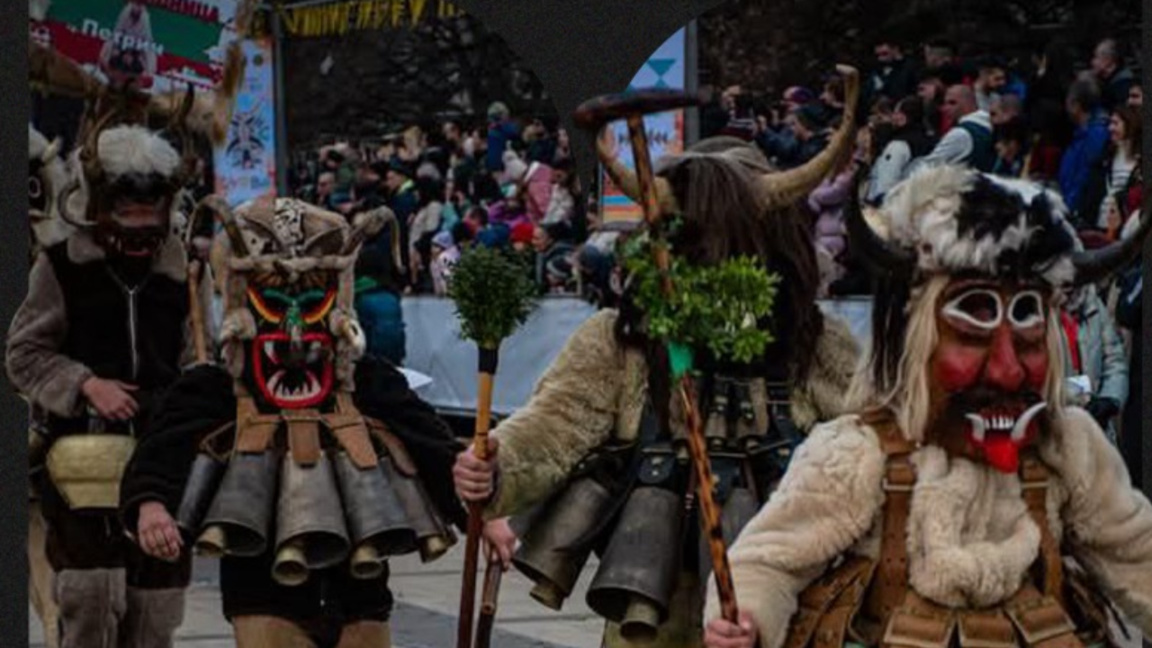
PHOTO Facebook/ Kuker Berlin
Font size
For the first time since the creation of Berlin’s famous Carnival of Cultures, Bulgaria will take part in the multicultural celebration that each year brings together thousands of residents and visitors in the German capital.
This year’s edition is a special one, marking 30 years since the festival was first launched in 1996 in the multicultural district of Kreuzberg. Originally conceived as a way to give visibility to the many ethnic communities shaping life in Berlin, the carnival has since grown from a neighbourhood parade into one of the city’s largest cultural events.
Between May 22 and 25, the festival is expected to feature 73 international groups, around 4,000 dancers and musicians, and more than one million visitors.
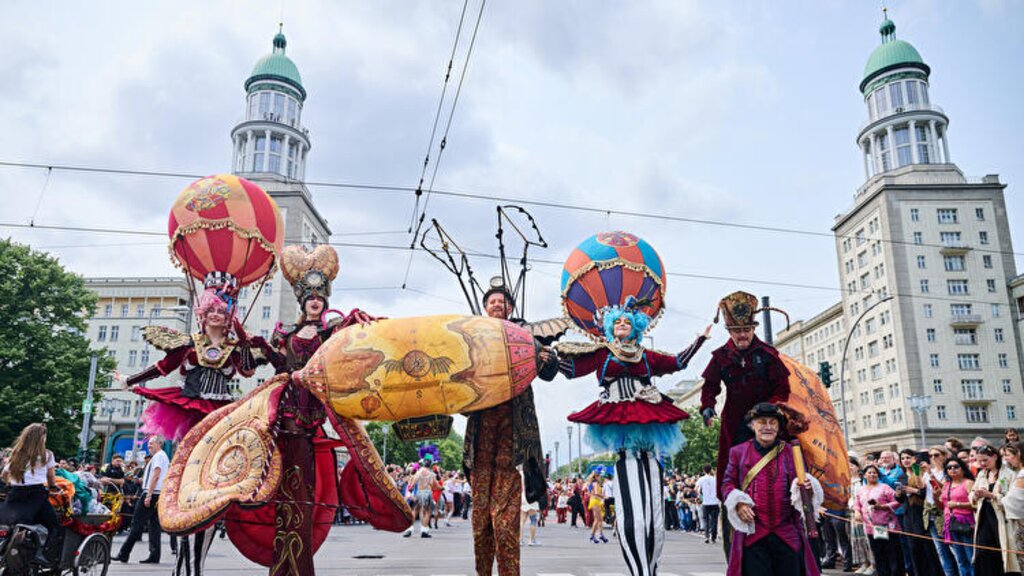
PHOTO berlin.de
“It’s an incredible opportunity to present Bulgaria to the world,” said Dilyana Velichkova, who, together with her husband Valentin, is behind the first-ever Bulgarian participation in the carnival.
“For the past ten years I’ve been among the curious visitors at the festival, which takes place every May or June, and we had never come across Bulgarian participants before,” she told Radio Bulgaria. “So one of our dreams is about to come true this year. Organising something like this is not easy — it takes time and, of course, funding — but we hope this will be the beginning of a lasting Bulgarian tradition at the carnival.”
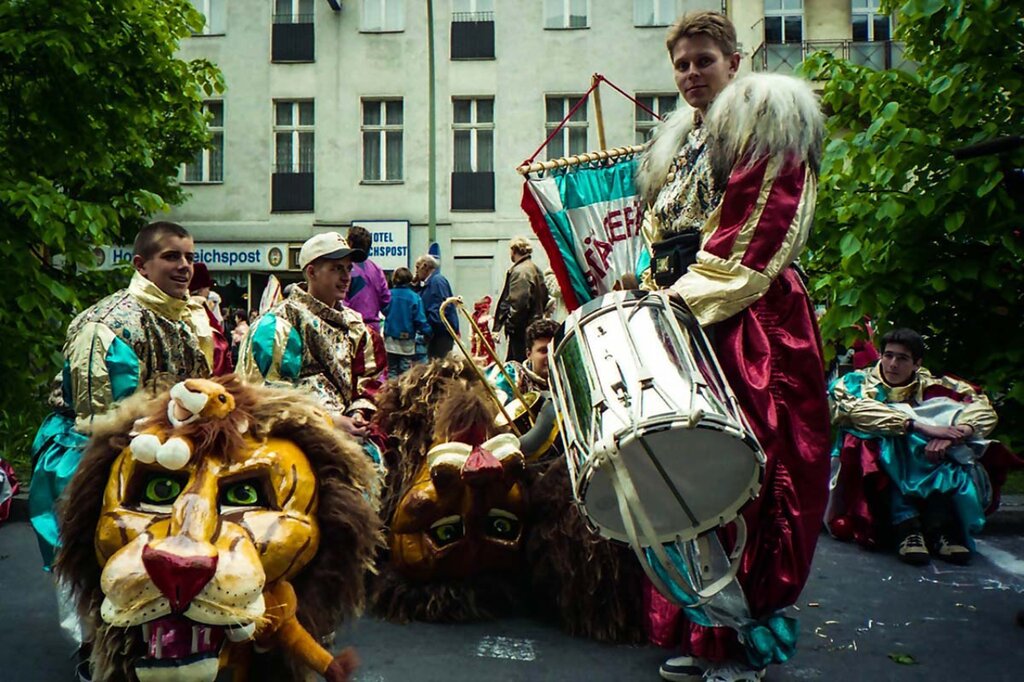
PHOTO umbruch-bildarchiv.org
The organisers have carefully chosen the artists who will represent Bulgaria.
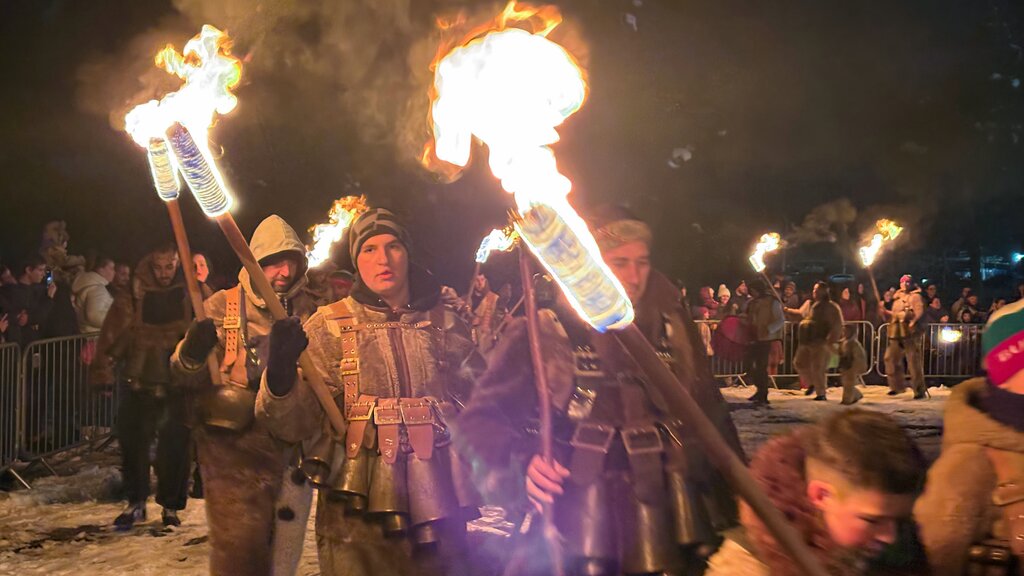
“We invited a survakari group from the town of Batanovtsi near Pernik, and I’d really like to thank them,” Velichkova said. “Five young men are expected to come. I haven’t met them yet, but I’m really looking forward to it. Kukeri costumes are not easy to transport, so I can’t wait to see how they arrive and how they present themselves.”
The kukeri tradition (ritual masquerade performances believed to chase away evil spirits and bring health and prosperity) is one of Bulgaria’s most distinctive folk customs.
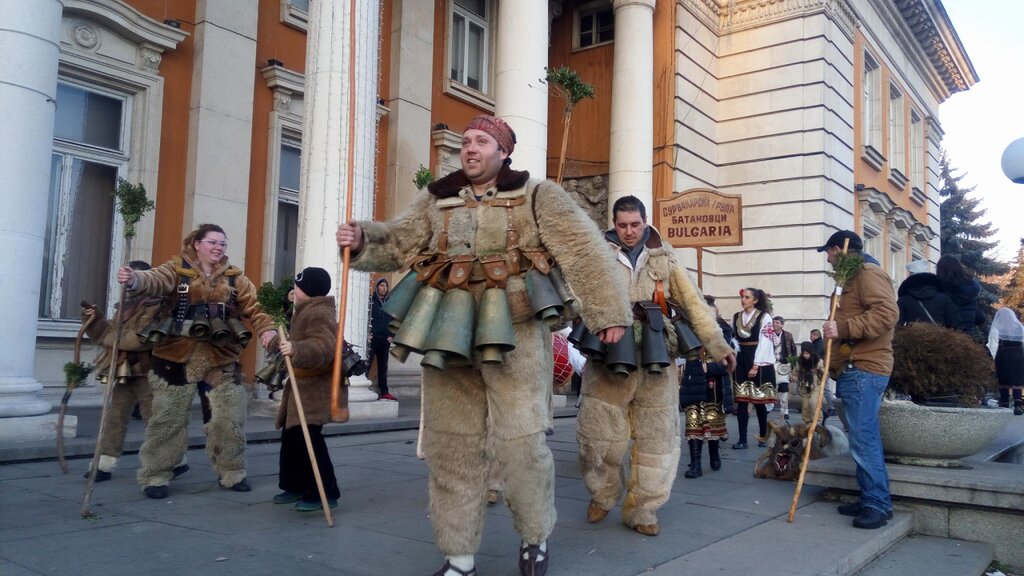
PHOTO Facebook of survakari group - Batanovtsi
Another key part of the Bulgarian participation will be the dancers from the Berlin-based Bulgarian folk dance club “Nestinari”, led by Radoslav Yordanov. During the parade, the kukeri performers and dancers will parade the city on a mobile platform accompanied by Bulgarian music selected by Kottarashky and Sando Sandov.
“I really wanted us to keep the traditional kukeri masks and folk costumes, while combining them with contemporary music inspired by ethnic motifs,” Velichkova said.
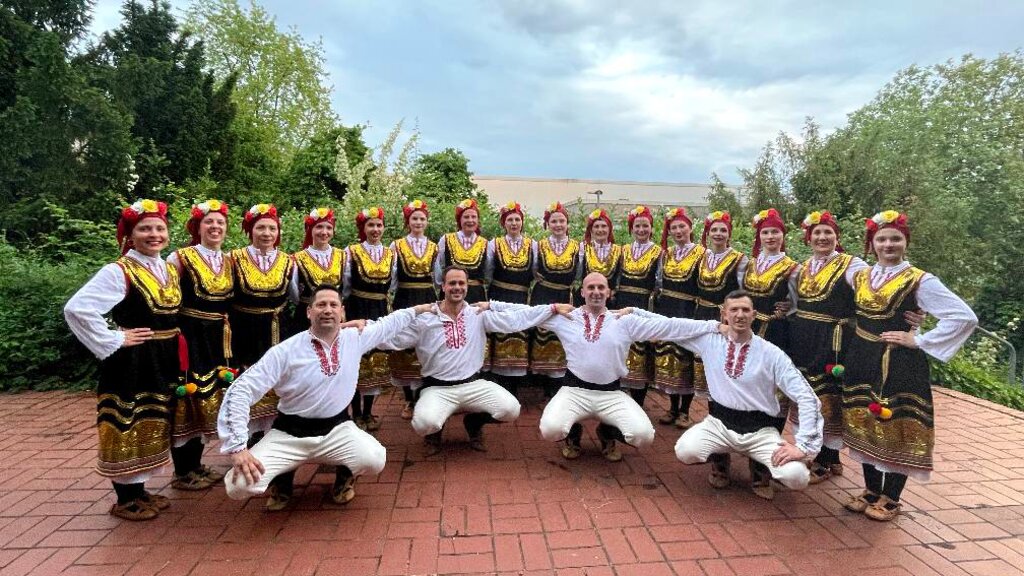
PHOTO Bulgarian folk dance club “Nestinari” - Berlin
This year, the carnival parade, which is the festival’s main event, falls on May 24, the Day of the Bulgarian Alphabet, Education and Culture, one of the most beloved holidays for Bulgarians around the world. Because of that, the organisers have prepared a special surprise.
България участва за първи път на Карнавала на културите в Берлин
PHOTO БТА
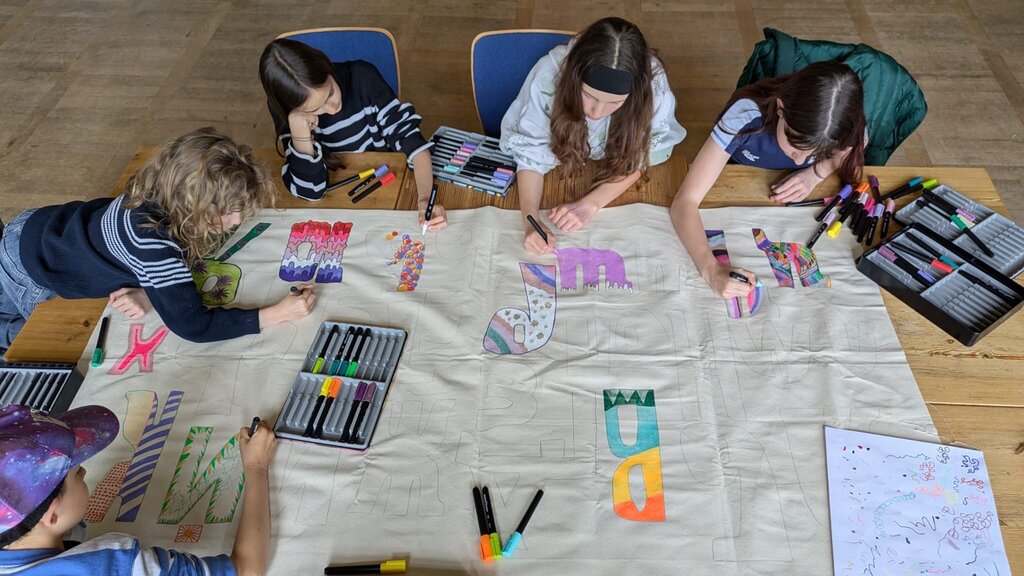
"There was no way we could leave out the Bulgarian letters,” Velichkova said. “So we invited the children from the Bulgarian school ‘Bulgarian Language and Culture’ in Berlin to create a panel featuring the Bulgarian alphabet. We’ll see how it turns out, but the idea is for it to become part of our platform and later remain as a keepsake.”
България участва за първи път на Карнавала на културите в Берлин
PHOTO Facebook/ Български език и култура в Берлин
Editor: Elena Karkalanova
This publication was created by: Elizabeth Radkova