


Author
Yoan Kolev
Tuesday 26 May 2026 19:26
Tuesday, 26 May 2026, 19:26
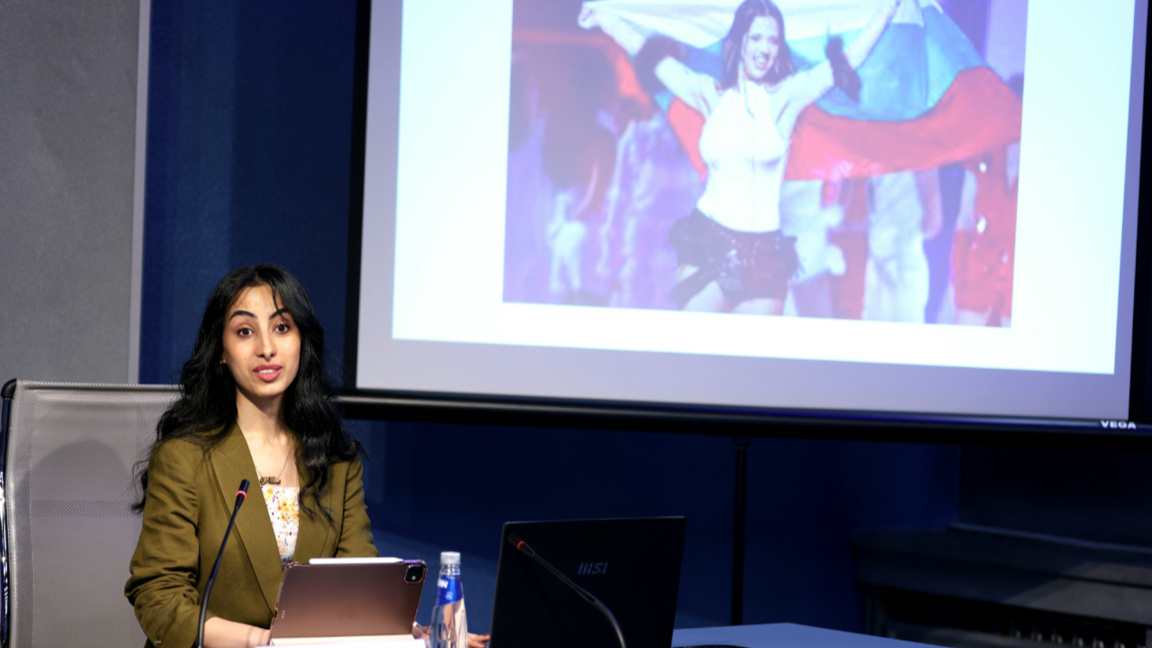
PHOTO BTA
Font size
Biological diplomacy and the bioeconomy were at the centre of a public event organised by the Diplomatic Institute under Bulgaria’s Minister of Foreign Affairs and the Jordanian Association of Graduates of Bulgarian Universities.
The forum focused attention on what participants described as a new chapter in international relations. While hundreds of billions of dollars continue to be invested in armaments and geopolitical conflicts, societies around the world still suffer from epidemics, poverty, hunger and climate change. According to Dr Valentin Katrandzhiev, chief expert at the Bulgarian Diplomatic Institute, it will not be weapons and military power that determine the future of societies and international relations, but rather scientific knowledge, innovation and control over critical technologies, which are increasingly shaping geopolitical influence, economic competitiveness and national resilience.
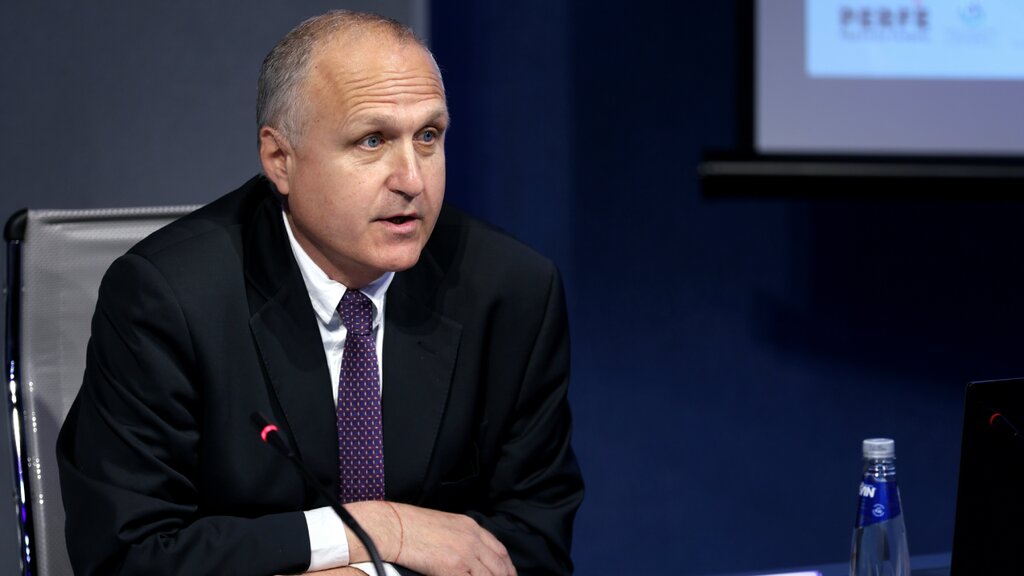
Dr Valentin Katrandzhiev
PHOTO BTA
"Successful foreign policy today is based not only on political judgment, but also on scientifically grounded decision-making. One of the contributions of science diplomacy is to raise awareness of the role of science in shaping informed foreign policy decisions. Scientific evidence is increasingly used in multilateral diplomacy, especially in areas such as climate negotiations, energy security, artificial intelligence, public health and biotechnology. Diplomatic action therefore requires both scientific expertise and its integration into the foreign policy decision-making process."
“Science diplomacy is becoming increasingly important,” said Sara Ali Al-Fayez, a genomics researcher and keynote speaker at the event titled Biological Diplomacy and the Bioeconomy: A Strategic Perspective on Power and Knowledge in the 21st Century.
She recalled the emblematic example of the Covid-19 pandemic, “when we witnessed ‘vaccine diplomacy’ in real time, when access to life-saving doses was used to forge new alliances and strengthen strategic ties around the world”.
"Science possesses unique strategic capabilities in foreign policy. First, it enables states to build mutual trust and exchange vital knowledge in order to address cross-border threats. Second, it helps maintain open channels of communication across otherwise hostile political boundaries.
Science serves as common ground. It functions as a universal language and a safe space for collaboration. History shows that even at the height of the Cold War, Soviet and American scientists worked together to eradicate smallpox through biological diplomacy. This shared vulnerability can help preserve cooperation even during periods of severe geopolitical tension."
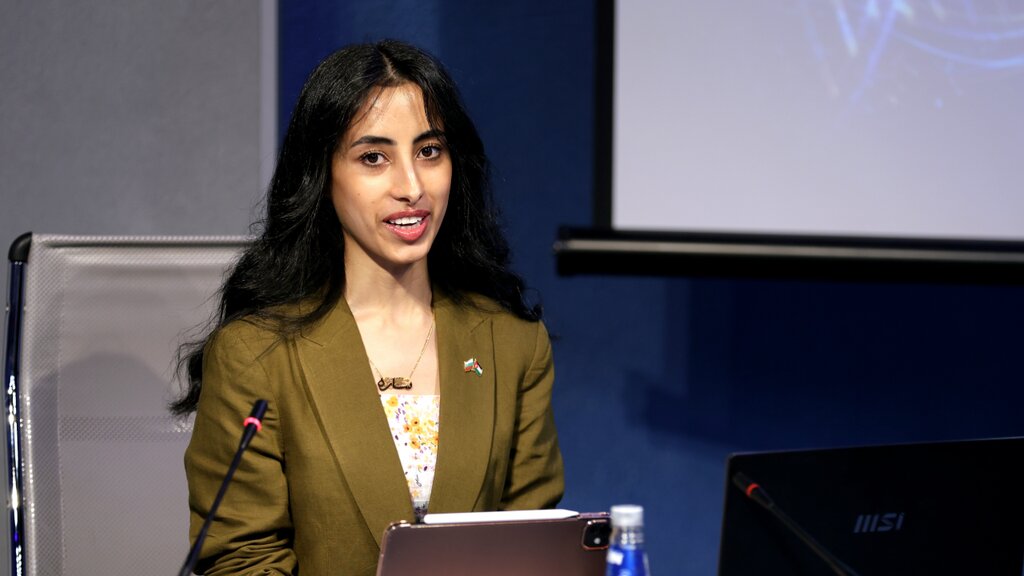
Sara Ali Al-Fayez
PHOTO BTA
Sara Ali Al-Fayez also stressed that biology is becoming increasingly linked to state power and policymaking through the preservation of population genomic data for disease prevention, biometric surveillance and identity. She said the effective management and protection of national genetic repositories had become a core national security interest and an important area for international cooperation.
If an adversary or foreign corporation gains access to a nation’s unique genetic repository, they could hold the key to pharmaceuticals, healthcare systems and intellectual property, she warned.
"In the coming decades, biodata analytics will shape medical dominance, cyberbiological security and economic superiority. If an adversary or a foreign corporation gains access to a nation’s unique genetic repository, they could develop targeted pharmaceuticals, exploit healthcare vulnerabilities or lock others out of intellectual property.
Therefore, biological sovereignty, along with the active management and protection of national genetic repositories, has become a core national security interest. While biology can be an arena of competition, it can also serve as a vital bridge for international cooperation. Which brings us to the core concept of biological diplomacy."
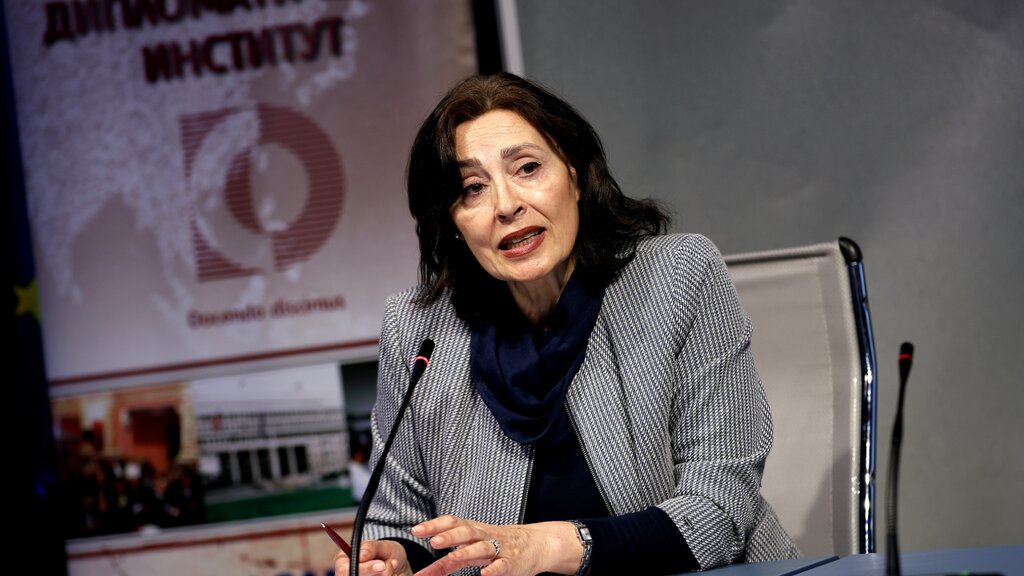
Tanya Mihaylova
PHOTO BTA
“The development of innovation and biology is increasingly shaping not only healthcare, but also the economy, food security and, consequently, the global governance of public and political processes,” said Diplomatic Institute Director Tanya Mihaylova. According to her, science diplomacy can transform and strengthen international relations and build bridges between states. She added that Bulgaria has the intellectual traditions and standing needed to contribute to regional scientific development and transnational cooperation.
Today’s diplomats are faced with the question of how to shape a secure biological future through ethical diplomacy and human-centred leadership. Equally important is the major diplomatic challenge of ensuring that new scientific discoveries serve the collective interests of humanity rather than the interests of individual powers.
Edited by Desislava Semkovska
This publication was created by: Elizabeth Radkova