


Friday 29 May 2026 09:43
Friday, 29 May 2026, 09:43
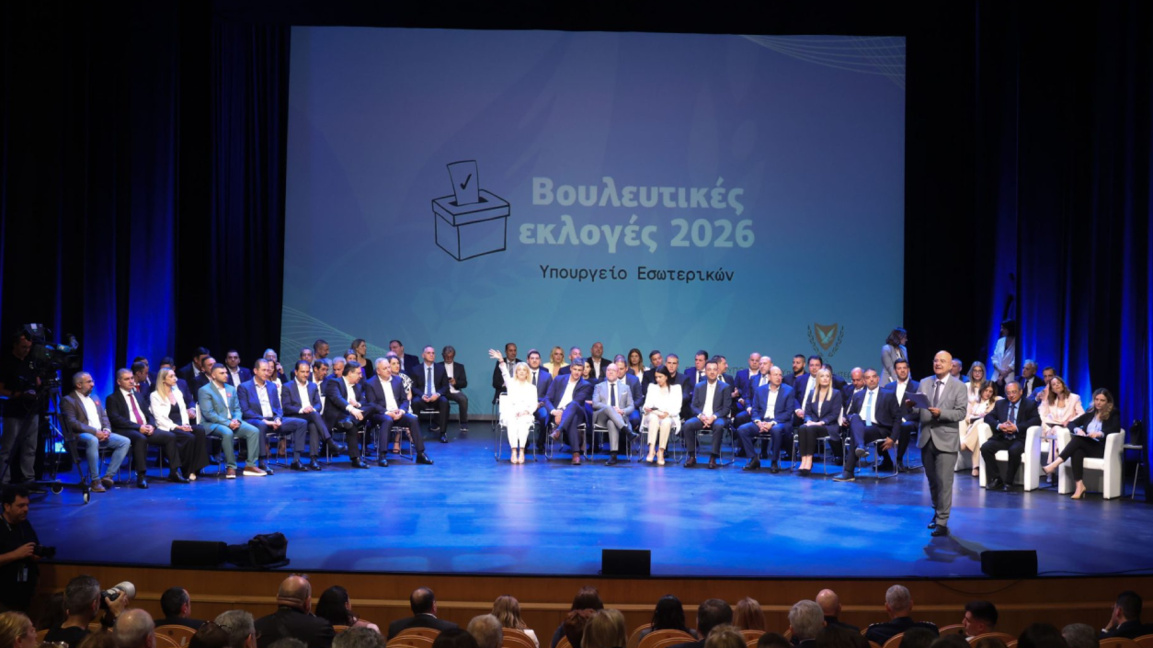
PHOTO gov.cy
Font size
Far-right rise in Cyprus elections
Six parties will enter the Cypriot parliament following Sunday’s elections. The center-right Democratic Rally remains the leading force with 17 out of 56 seats, while the left-wing AKEL retains 15 deputies, BTA reported.
The biggest change is the rise of the far-right National Popular Front (ELAM), which becomes the third political force with 8 deputies - double its previous representation. The centrist Democratic Party remains fourth, also with 8 seats, despite a decline in support.
Two new anti-establishment formations also entered parliament with 4 deputies each – ALMA, led by former Cypriot Auditor General Odysseas Michaelides, which gained voters with an anti-corruption platform, and “Direct Democracy,” founded by MEP and influencer Fidias Panayiotou.
Elections in the Republic of Cyprus are held only in the government-controlled part of the country, after the internationally unrecognized Turkish Republic of Northern Cyprus was proclaimed in the northern third of the island in 1974. Twenty-four seats designated for Turkish Cypriots remain vacant, which is why parliament functions with 56 instead of 80 deputies.
Ilie Bolojan
PHOTO Digi FM
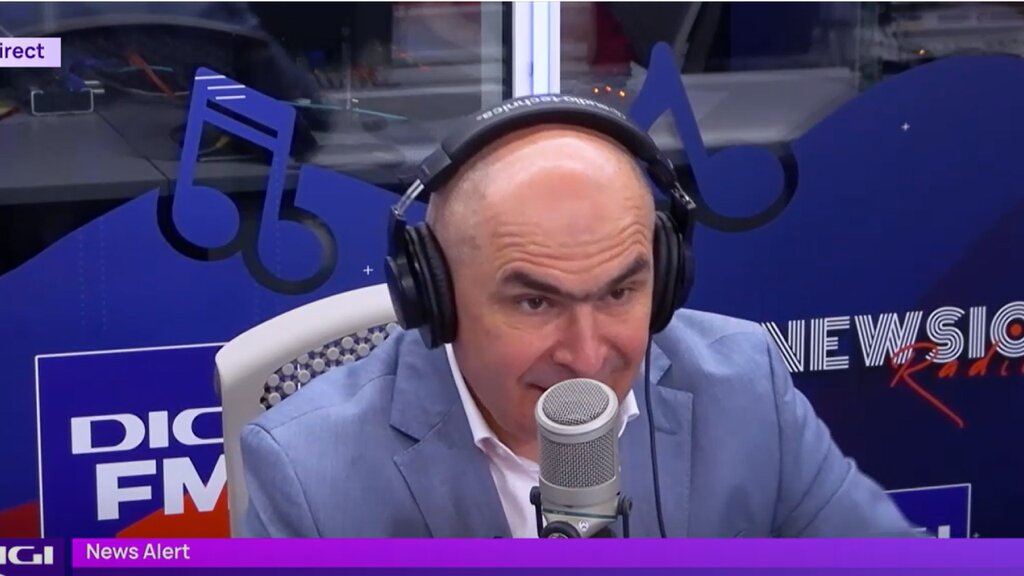
Romania's caretaker PM Ilie Bolojan supports unification between Romania and Moldova
Romania’s caretaker prime minister Ilie Bolojan said in an interview with Digi FM radio that he would support unification between Romania and the Republic of Moldova. He stressed, however, that for Chișinău the most important priority at the moment is to begin negotiations for EU accession.
According to data from the Romanian polling agency INSCOP, 71.9% of Romanians would support such unification in a referendum, while 21.4% oppose it. In Moldova, however, the majority does not approve of the idea - nearly 46% would vote “against” and just over 33% “for,” according to a September 2025 survey, BTA reported.
Last month Romanian President Nicușor Dan stated that the country is ready for unification if Moldova’s citizens support it. Moldovan President Maia Sandu also said in January that she would vote “yes” in a potential referendum.
Part of the territory of present-day Moldova (the region of Bessarabia) was part of Romania during the first half of the 20th century. This occurred after World War I, when Bessarabia joined Romania in 1918 and remained under Romanian administration until 1940, BTA notes.
It is also recalled that in 2023 Moldova’s parliament officially replaced the term “Moldovan language” with “Romanian language” in all laws and in the country’s Constitution.
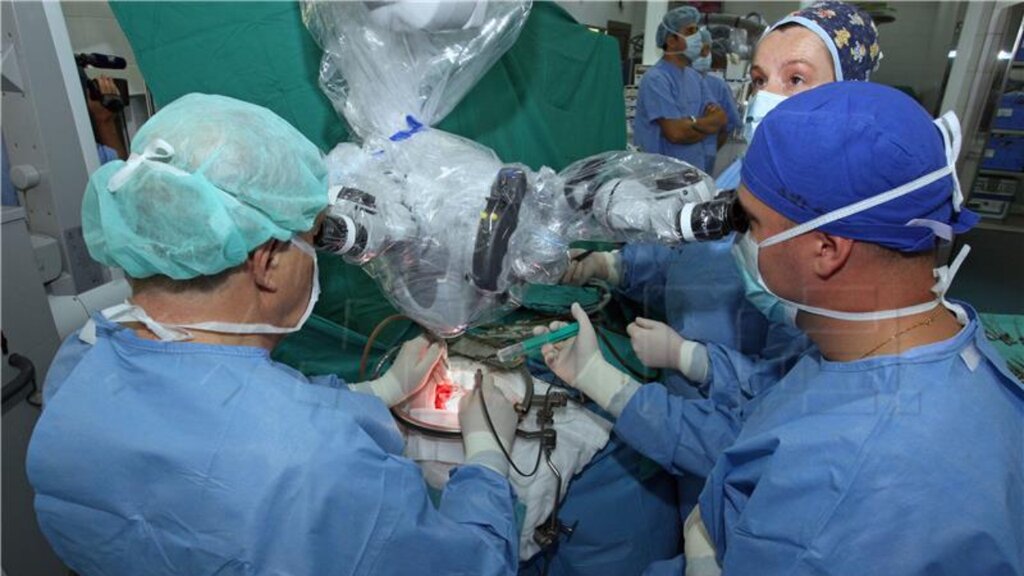
PHOTO hina.hr
Croatia reports nearly 300 organ transplants annually
Around 300 organ transplants are performed annually in Croatia, and the country has for years ranked among the leaders in Eurotransplant in terms of the relative number of donors after brain death, health authorities announced on the occasion of the National Day of Organ and Tissue Donation and Transplantation, cited by HRT television.
According to national transplant coordinator Marina Premužić, Croatia reports about 30 donors per one million inhabitants annually. Health Minister Irena Hrstić emphasized that one donor can save up to eight lives and help dozens more through tissue donation. The country recently adopted a new regulation expanding donation opportunities and further harmonizing the system with European practices.
Kidney, liver, heart, and lung transplants are successfully performed in Croatia. Authorities encourage citizens to sign donor cards and support the national transplant program.
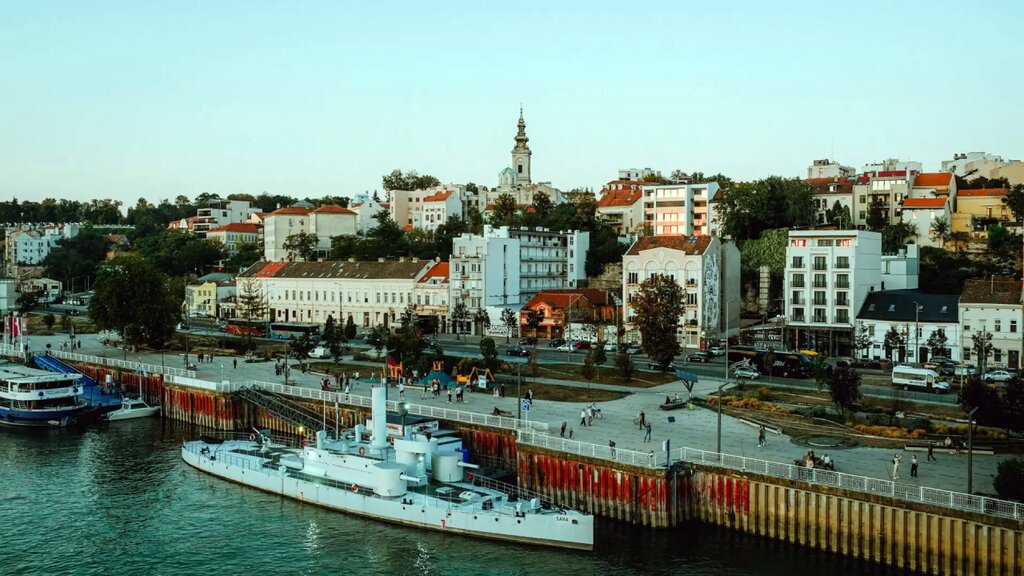
PHOTO digitalnomadhub.com
Serbia becoming increasingly popular among digital nomads
Serbia, and especially Belgrade, is increasingly attracting digital nomads. These are most often IT specialists, freelancers, and employees of foreign companies who can work remotely. They mainly come from North America, Russia, and Europe and remain in Serbia for periods of up to six months, writes politika.rs.
Belgrade is favored by digital nomads because of its good internet, lower costs compared to Western Europe, active nightlife, and the hospitality of local people.
Economists describe digital nomads as an “invisible export,” because they spend in Serbia money earned in other countries. They rent apartments, work from cafés, and travel throughout the country. It must also be acknowledged that alongside the advantages there are downsides – rents are rising, especially in central Belgrade, creating difficulties for Serbians seeking housing.
However, the tourism sector views digital nomadism very optimistically - foreigners promote Serbia through social media and help make the country a more recognizable destination.
Compiled by Miglena Ivanova
Editor: Ivo Ivanov
This publication was created by: Rositsa Petkova