


Author
Diana Tsankova
News
We need rules in school, AI can imitate human expression well
"Students often misuse artificial intelligence", Antoaneta Kalenderova says
Monday 1 June 2026 10:42
Monday, 1 June 2026, 10:42
PHOTO Pixabay
Font size
The Ministry of Education is planning to implement a project for the
digital transformation of school education with a main emphasis on
introducing artificial intelligence tools. The initiative is
accompanied by alarming conclusions made in a study by DigitalEdu-SU
at Sofia University, according to which teachers are not prepared for
innovative teaching and students have deficits in digital literacy.
At this backdrop, a private school in Sofia is taking confident steps
in using this tool.
With Antoaneta Kalenderova, head of one of the private schools in Sofia, we talk about the application of artificial intelligence in the educational process and when it can become a danger.
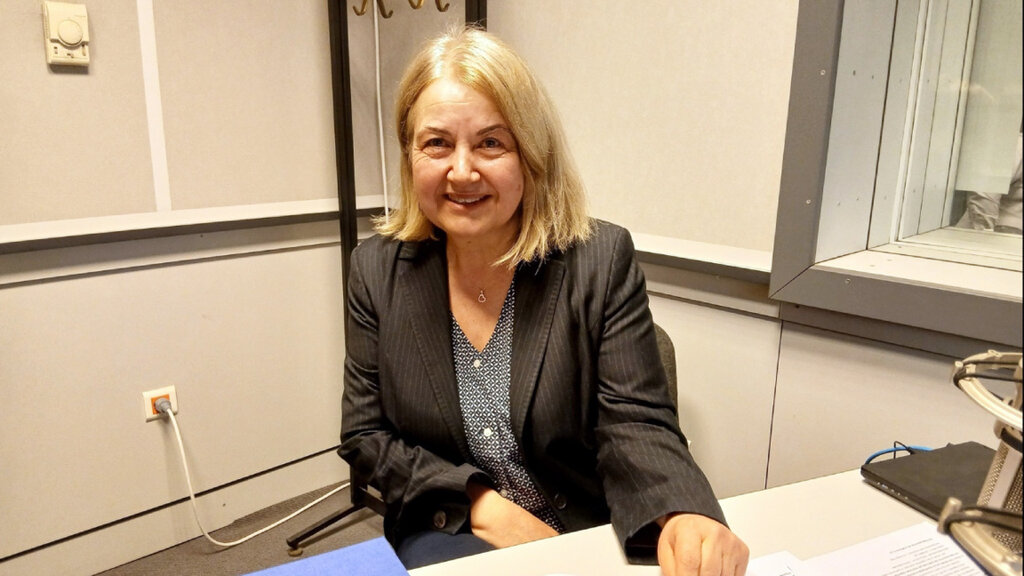
Antoaneta Kalenderova
PHOTO BNR
"Dangerous
or not, it is a reality and what depends on us as
adults is to use it in school as a tool that saves time, but not
replacing
human intelligence,“ she says. „Artificial intelligence is ideal
for adapting educational material for different students, as some
cope faster, while others need a little more practice. In this
regard, it is a wonderful tool, as well as for a student who wants to
write an essay on a given topic and quickly reach different people
and sources that have already discussed this issue. But after the
artificial intelligence provides the information, the students
must write the
essay themselves.
Then it is a tool that helps and saves time."
Artificial
intelligence can be both a helper and an adversary if we neglect our
creative abilities and in the long run lose our ability for critical
thinking and analysis.
PHOTO Pexels
"It becomes an enemy when it takes over our own thinking," Antoaneta Kalenderova adds. "And also when we use it for tasks that save us time, but subsequently lead to us getting used to it and our mind becoming lazy. That is why the teachers have great responsibility. These are the people who should know this tool well - the different variations of artificial intelligence and how to use them. Then they must develop the rules for its use in school and teach students how to use it in the best possible way."
PHOTO Pexels
Another important issue is whose intellectual property is the work created by artificial intelligence – a problem that is increasingly being discussed, Antoaneta Kalenderova points out. At the school she heads, the focus is on "academic integrity" because when you appropriate something as your own intellectual product, it is a blatant lie. "We need to teach children that borrowing an idea from someone else is a great start, if it is your inspiration, but it cannot happen without writing who the author was," she adds.
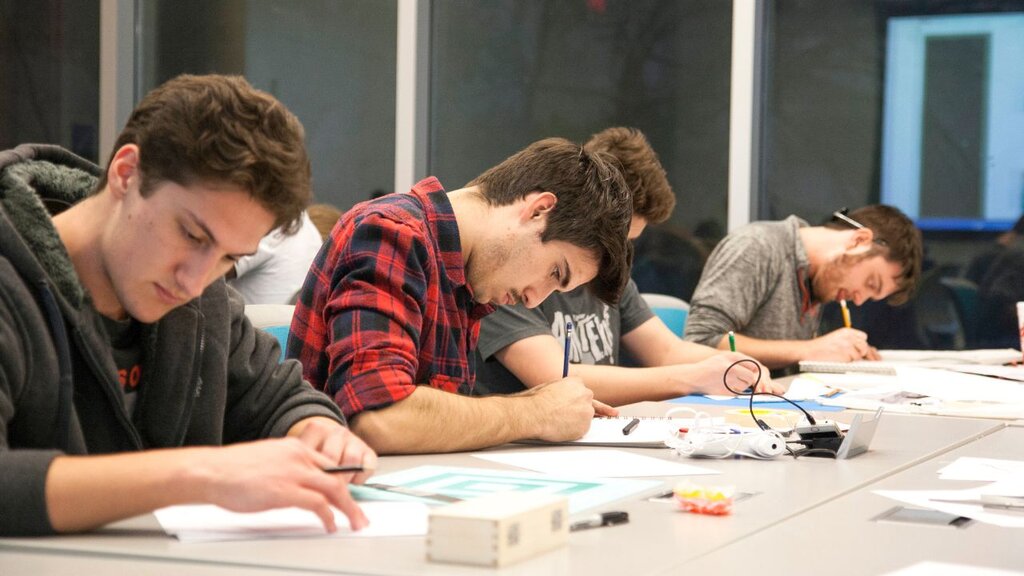
PHOTO Pexels
The
International Baccalaureate program
offers
a fair
solution:
"One
should indicate
the
question they
asked the artificial intelligence," Antoaneta Kalenderova says.
"If
it's ‘Write
me an essay on...’, this is obviously not your work. But if the
question is ‘Tell
me about
at least three different scientists who have written on the
topic,’
this is acceptable because you've saved yourself some time searching, but
the work remains yours in the end."