


Author
Tsvetana Toncheva
News
Highlights of Bulgarian musical culture
The perfection of poetic expression in Dimitar Nenov's Miniatures for Piano
Friday 12 June 2026 20:00
Friday, 12 June 2026, 20:00
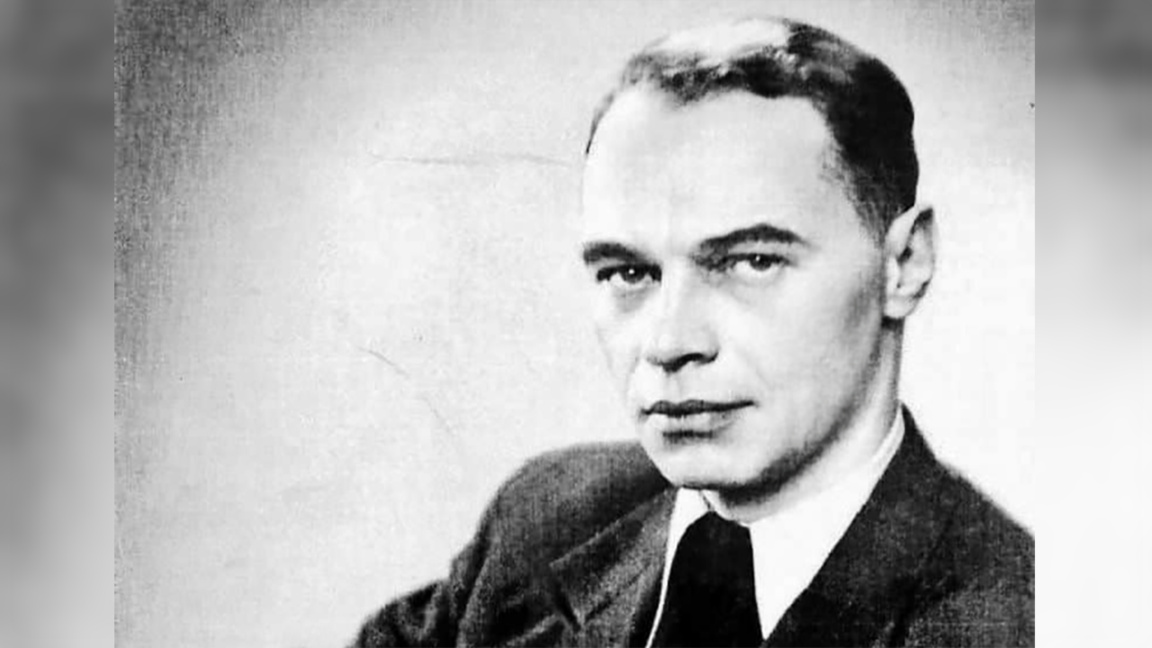
Dimitar Nenov (1901–1953)
PHOTO sofiaphilharmonic.com
Font size
"My pianism has grown from within, the fruit of a feeling for sound that causes the piano always to speak in its noblest and most characteristic sonorities, whether in chords or in passages... I myself can scarcely say whether I seek images in the piano first, or whether the instrument itself imposes them upon me; within me the two have become wholly fused – creativity and the piano are no longer separable."
These words by the great Bulgarian composer Dimitar Nenov offer perhaps the most concise and accurate assessment of the unique legacy he left to his country. While it is well known that Nenov was one of the principal figures in the creation of Bulgaria's professional school of composition, his contribution to Bulgarian piano music was equally profound.
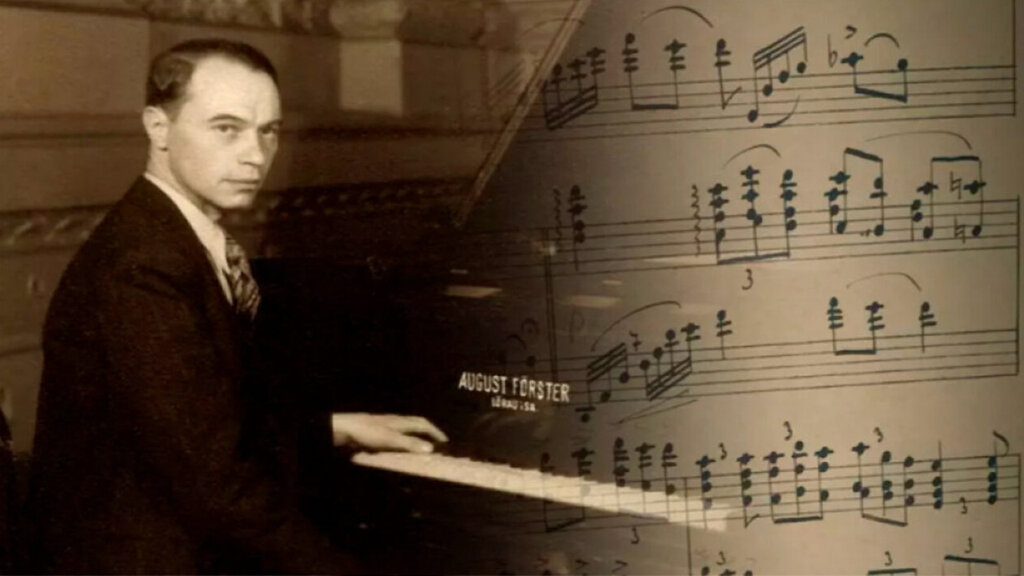
PHOTO sofiaartinstitute.com
A remarkable intellectual and an aristocratic spirit endowed with profound sensitivity, Nenov's interests were strikingly diverse from an early age, encompassing music and literature, art and philosophy, mathematics and physics. In 1920 he left for Dresden where, at his parents' insistence, he enrolled in architecture while at the same time studying piano and composition at the Conservatory. It was in Germany that he composed his first major works, among them the Piano Sonata and Four Sketches for Large Orchestra.
After returning to Bulgaria, he practised architecture, but in the summer of 1931 he travelled to Poland to study with the distinguished Dutch pianist Egon Petri (1881–1962), one of the foremost pianists of the twentieth century. Scholars maintain that Petri, a highly sought-after pedagogue who admitted students with great care, was deeply impressed by Nenov's gifts and even agreed to teach him for a reduced fee. This recognition placed Dimitar Nenov in the distinguished pianistic lineage of Franz Liszt, Ferruccio Busoni and Egon Petri.
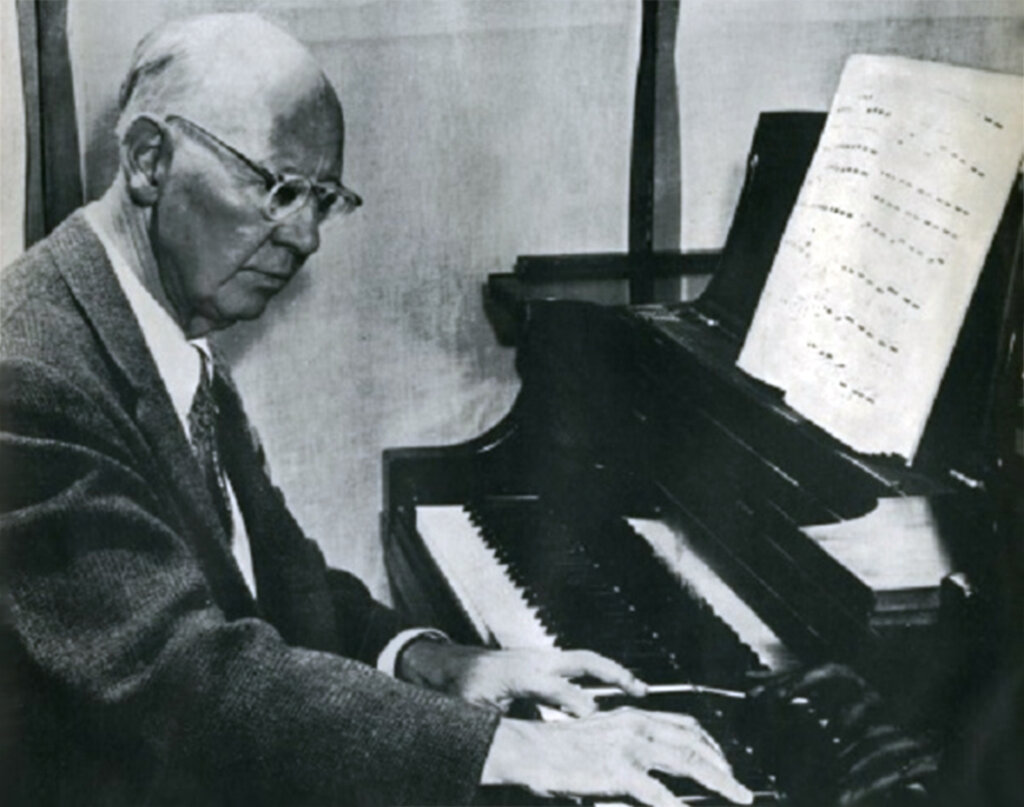
Egon Petri (1881 – 1962)
PHOTO Archive
Thus began Nenov's brilliant musical career. Devoting himself to concentrated creative work, he produced some of his finest compositions: the Concerto for Piano and Orchestra, the Ballades for Piano and Orchestra, the Rhapsodic Fantasy, songs and piano pieces. As a pianist, he performed with success in Germany, Denmark, Italy, Poland, Palestine, Egypt, Syria and Greece. His repertoire was astonishing in scope, comprising more than 250 works and seventeen concertos for piano and orchestra spanning different periods and styles. Contemporary accounts speak of a performing style distinguished by technical precision, a beautiful tone and highly individual interpretations.
He was equally successful as a teacher and, in 1943, was appointed full professor at the State Academy of Music. Among his pupils were such distinguished musicians as Lazar Nikolov, Trifon Silyanovski and Milena Mollova. He was also one of Bulgaria's foremost chamber musicians and an ardent champion of Bulgarian music, both as a pianist and as a critic.
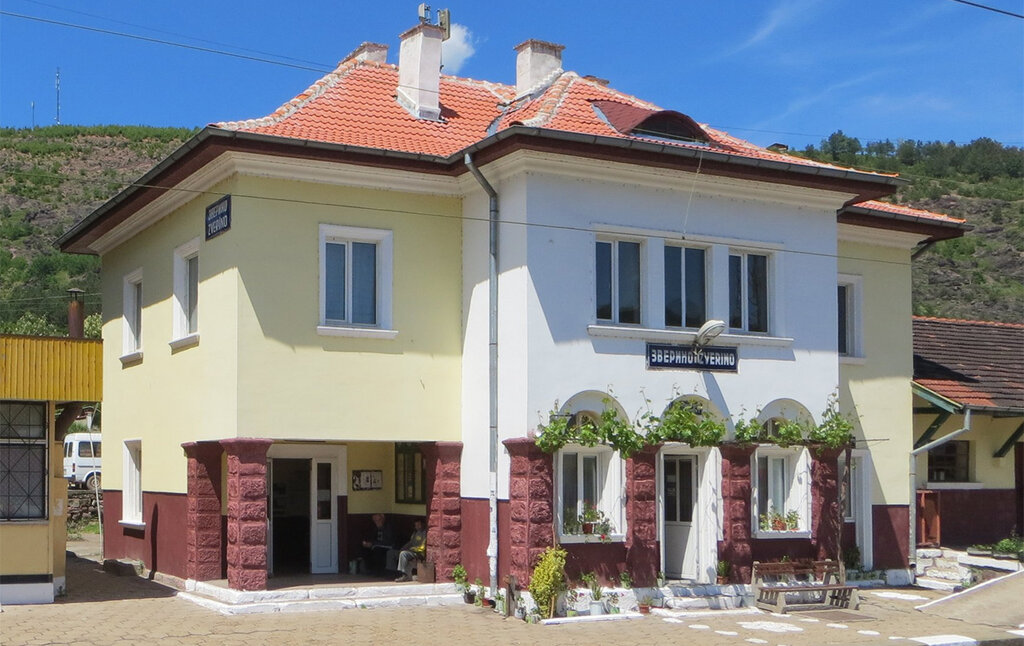
Zverino railway station, built around 1930 to a design by Dimitar Nenov.
PHOTO Facebook/bgmodernist
Although not large in volume, Nenov's piano output is remarkable for its extraordinary imagination, distinctive expressiveness and rich variety of pianistic means. His style, associated with Bulgarian musical modernism, is original, refined and rich in colour. Some scholars have detected the influence of Alexander Scriabin in his piano works, most likely because of Nenov's desire to move beyond the limits of conventional musical language.
The cycle Miniatures for Piano was composed in 1945 and 1946 in connection with Nenov's teaching work. Although written for practical purposes and technically accessible to young pianists, the pieces are far more than simple teaching material. The eminent Bulgarian composer and conductor Konstantin Iliev described them as a true embodiment of perfection in "small form and poetic expression".
The five miniatures – Prelude, Song, Staccato, Pastoral and Bagpipe – are imbued with a distinctly Bulgarian character. The lyrical Prelude, Song and Pastoral stand out for their expressive melodies and transparent harmonic language. Pastoral in particular is especially loved by performers and music lovers because of its striking resemblance to "Footsteps in the Snow" (Des pas sur la neige), the sixth piece in the first book of Claude Debussy's Préludes.
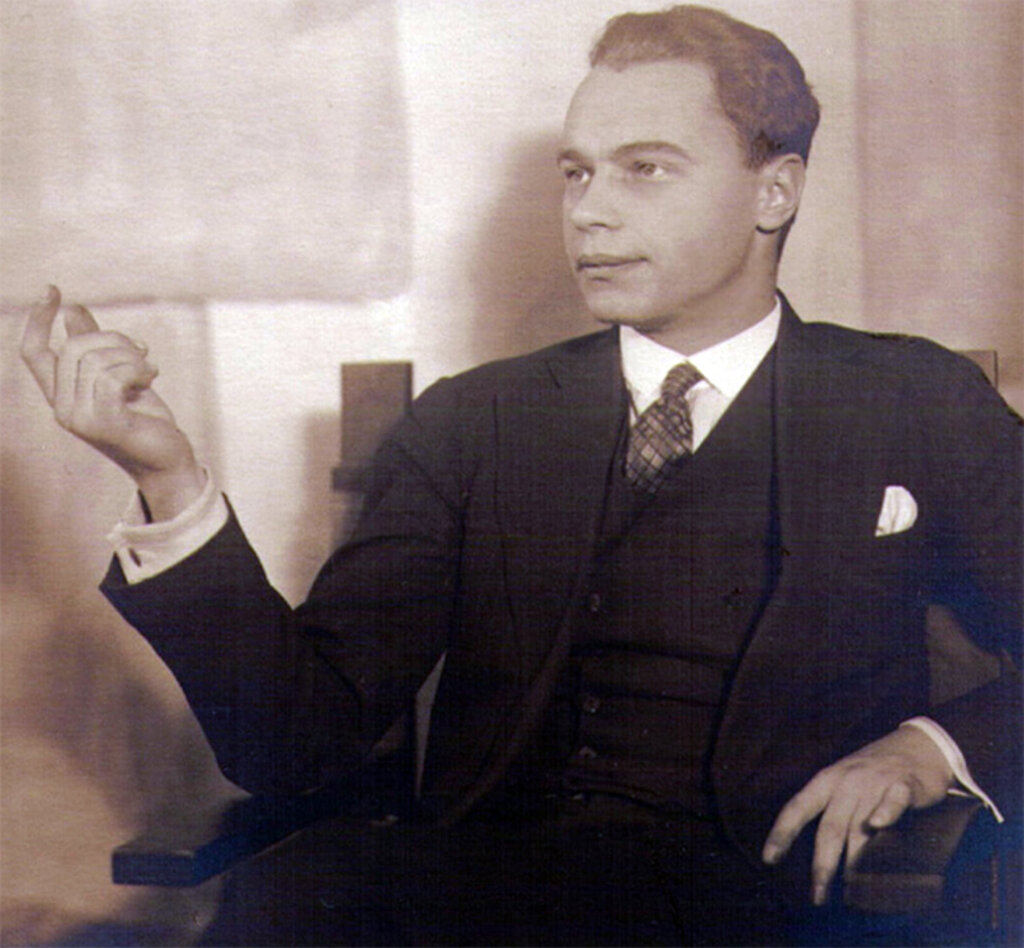
PHOTO archives.bnr.bg
"Dimitar Nenov was a wonderful pianist, a cultivated musician who clearly sensed the most compelling currents in the development of European music. At the same time, he was aware of the poverty of the Bulgarian musical culture to which he belonged and which he wished to serve with all his heart," said his colleague, the great Bulgarian composer Lyubomir Pipkov. Indeed, the search for a distinctly Bulgarian atmosphere runs through everything Nenov wrote. His strong connection with Bulgarian folk traditions can be heard clearly in the Miniatures, above all in the final piece, Bagpipe.
A prominent representative of Bulgarian musical modernism, Dimitar Nenov is often regarded as a composer whose works are demanding to perform. "I am not difficult to understand – quite the contrary, I am very clear, but one must delve a little deeper into my music. People like my works the first time they hear them, but they understand them the tenth," the composer once remarked. He has been described as "the enamoured bearer of the modern style" and "the knight of Bulgaria's spiritual aristocracy".
Editor: Elena Karkalanova
This publication was created by: Elizabeth Radkova