


Author
Diana Tsankova
News
June 14 is designated World Blood Donor Day
World Blood Donor Day: A drop of humanity can save a life
"More and more people are choosing to donate blood voluntarily," says Dr Krasimira Terzieva on the occasion of World Blood Donor Day
Saturday 13 June 2026 12:05
Saturday, 13 June 2026, 12:05
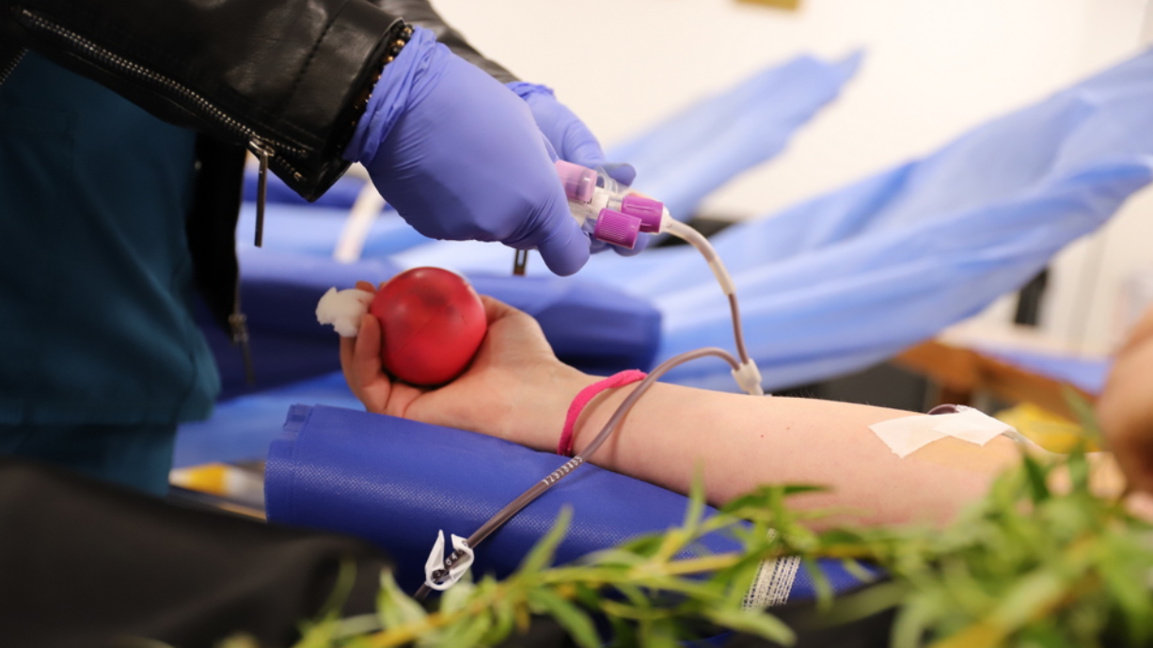
PHOTO BTA
Font size
"To change the world, sometimes all it takes is a helping hand." These are the words of Dr Krasimira Terzieva, Director of the National Centre for Transfusion Hematology, on the eve of the international day dedicated to blood donors. Yet, for our gesture to become more visible and inspiring, it is not enough simply to repeat it ourselves. We should also encourage at least one like-minded person to join us and together weave the threads that pave the way toward doing good.
This year, June 14, World Blood Donor Day, will be marked under the World Health Organization's slogan: "A Drop of Humanity. Donate Blood. Save Lives." On the occasion, the National Centre for Transfusion Hematology is organizing a range of events aimed at promoting voluntary blood donation and reaching new audiences.
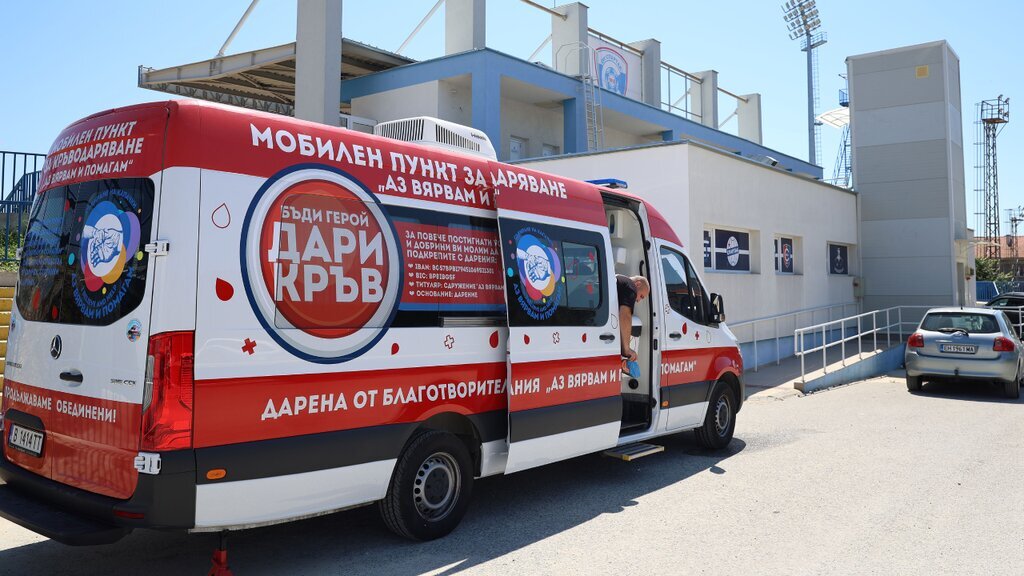
PHOTO BTA
One of the initiatives includes mobile blood donation campaigns, preceded by information drives designed to spread the message that blood has no substitute and that the need for it exists every day. A national conference titled "The Future of Transfusion Hematology: Knowledge, Continuity, Development" is also planned, including an award ceremony for regular voluntary blood donors.
As part of the campaign "Share Life, Donate Blood with Love," which links blood donation with compassion and humanity, the most moving entries from a poetry competition dedicated to the theme will be published.
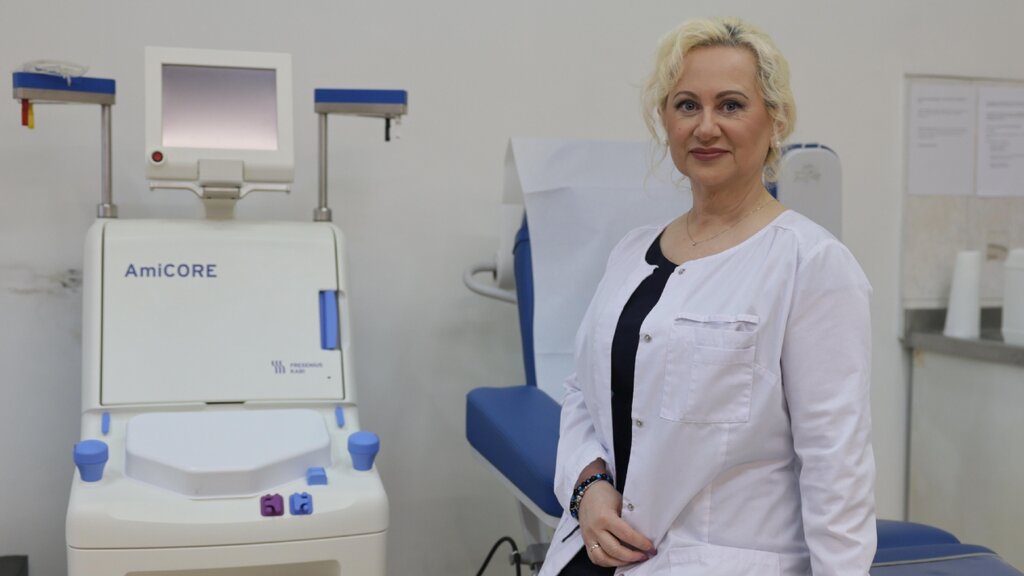
D-r Krasimira Terzieva
PHOTO BGNES
"Our mission in the transfusion system is to ensure safe blood for everyone, and this is not a one-time effort but a constant commitment," says Dr Krasimira Terzieva. "At the heart of our work, however, stand the voluntary, unpaid blood donors, those who, through a simple act of humanity, give a stranger a chance at life. Their contribution is irreplaceable because it makes treatment possible for patients facing emergencies, chronic illnesses and surgical procedures."
At present, Bulgaria's transfusion hematology system is functioning normally, and hospitals are being supplied with the necessary quantities of blood. However, Dr Terzieva points to an important characteristic of the system:
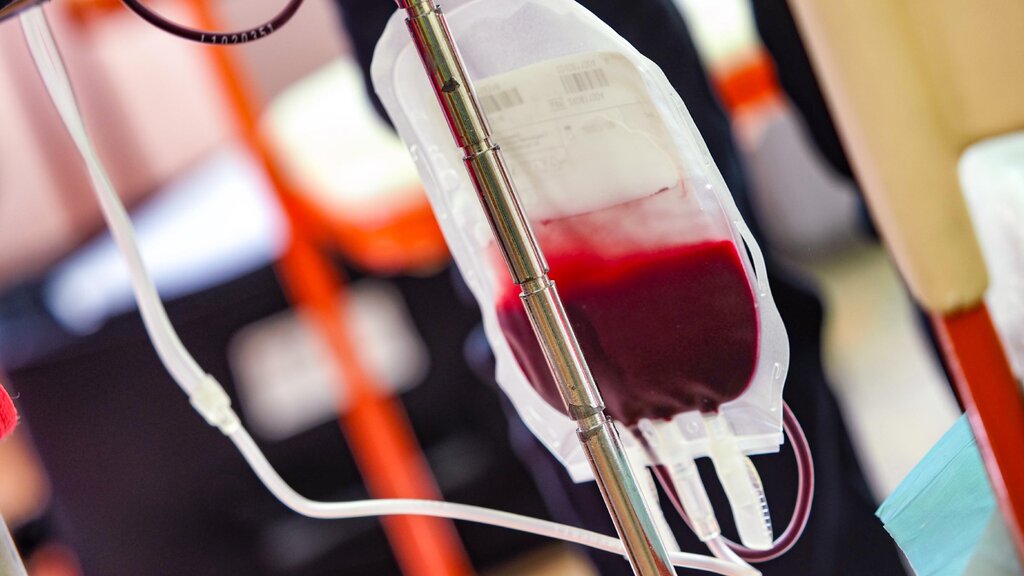
PHOTO BGNES
"Blood supply is an extremely dynamic process. Blood and blood components are biological products with a limited shelf life and cannot be stored for long periods. Hospital needs also change every day depending on the number of emergency cases, surgeries, births and treatments for chronic illnesses. That is why we can never say that there is a moment when the system has an excess of blood.
It is encouraging that over the past year we have seen more and more people choosing to donate blood voluntarily, as well as an increasing number of institutions, universities and companies organizing blood donation campaigns. The number of first-time donors is also growing, many of them young people, which makes me particularly happy."
The active participation of students over the age of 18 has also been encouraged by the campaign "The Power of Youth Gives, Saves, Changes the World," which is set to resume this autumn.
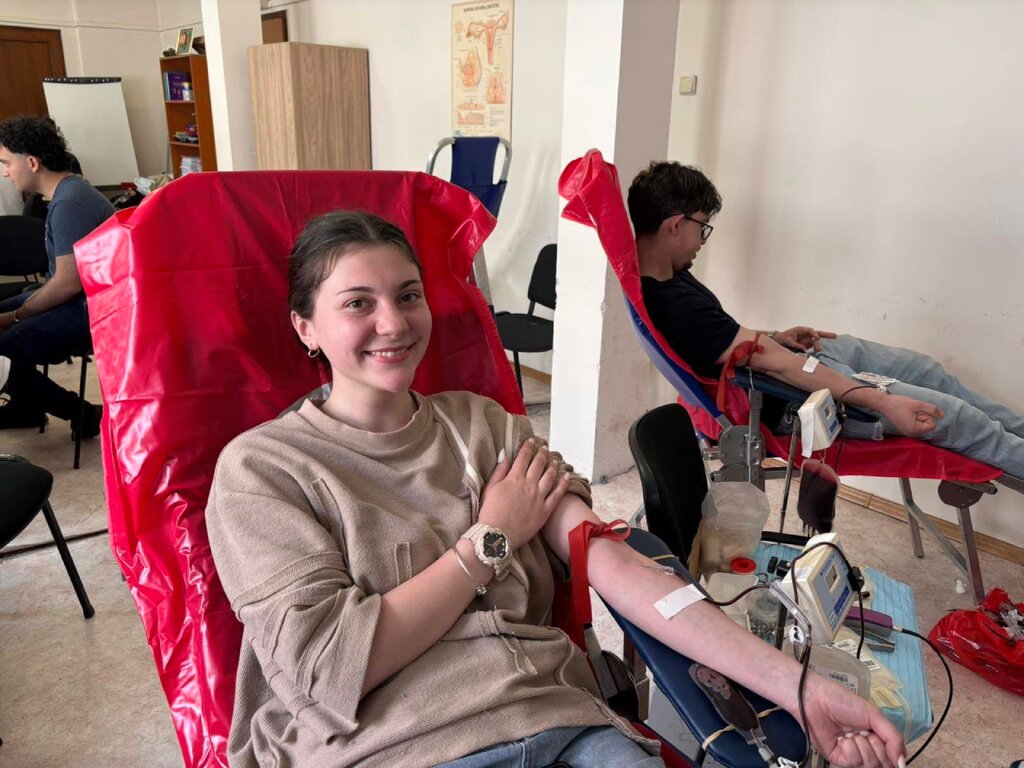
PHOTO National Centre for Transfusion Hematology
Awareness remains one of the key factors motivating people to donate blood. Conspiracy theories circulating on social media, lack of information and widespread misconceptions often discourage potential donors. Many people worry that the procedure may harm their health, expose them to infection, or that they are unsuitable donors because they have recovered from an illness, take medication or have tattoos.
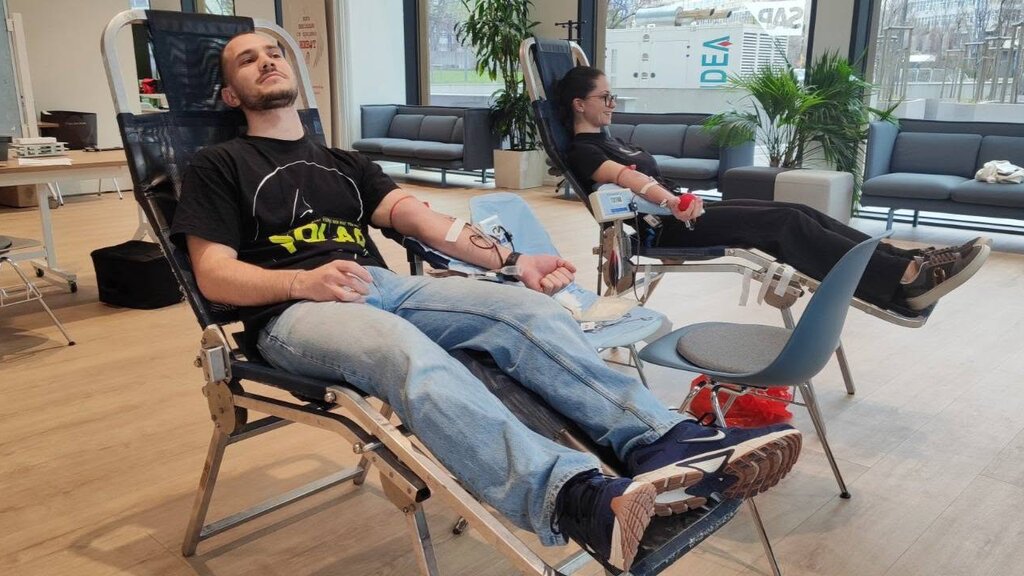
PHOTO National Centre for Transfusion Hematology
"Potential donors should know that blood donation is a safe procedure carried out in strict accordance with medical standards. Only sterile, single-use equipment is used, and the donated amount of blood is restored by the body within a relatively short period of time," explains Dr Terzieva.
"It is also important to know that a single donor can help more than one patient, because donated blood is separated into different components that are used according to patients' needs. Before every donation, a medical examination is conducted, and every donated unit of blood undergoes laboratory testing to guarantee patient safety."
Few people realize that donating blood can also have health benefits, as it stimulates the renewal of blood cells and strengthens the body's natural defenses.
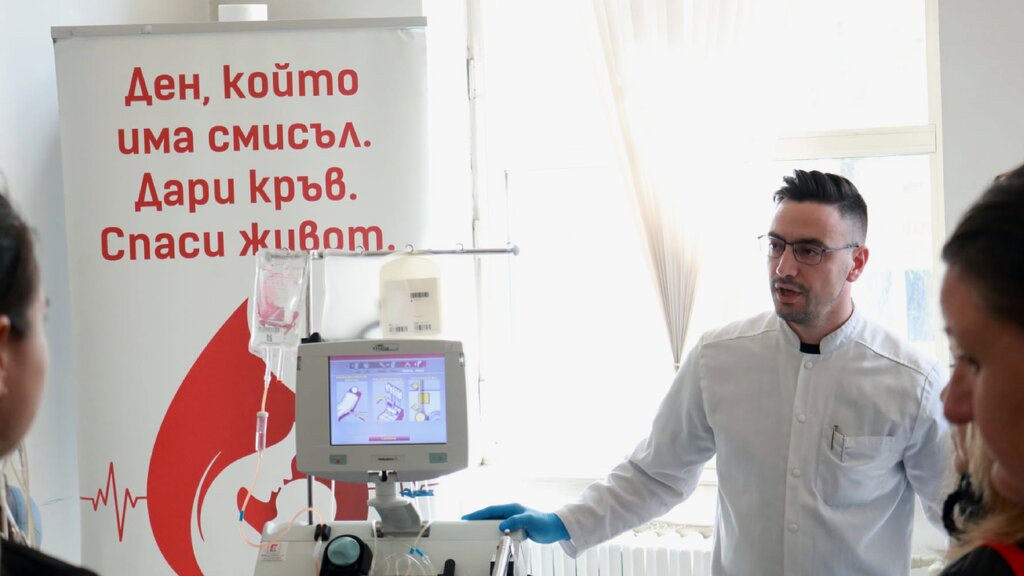
PHOTO National Centre for Transfusion Hematology
"After the loss of approximately 450 millilitres of blood, the bone marrow begins producing new cells. This leads to the natural rejuvenation of the blood and a strengthening of the immune system," the physician adds.
"Blood donation lowers bad cholesterol levels, improves blood circulation and cardiovascular health, helps regulate iron levels and provides psychological satisfaction and a sense of purpose. Donors feel part of a community, develop a stronger sense of social belonging and often experience increased self-esteem from overcoming fear or knowing they have helped save a life."
Last year, 180,000 people donated blood in Bulgaria, representing an increase of 1.4% compared to 2024.
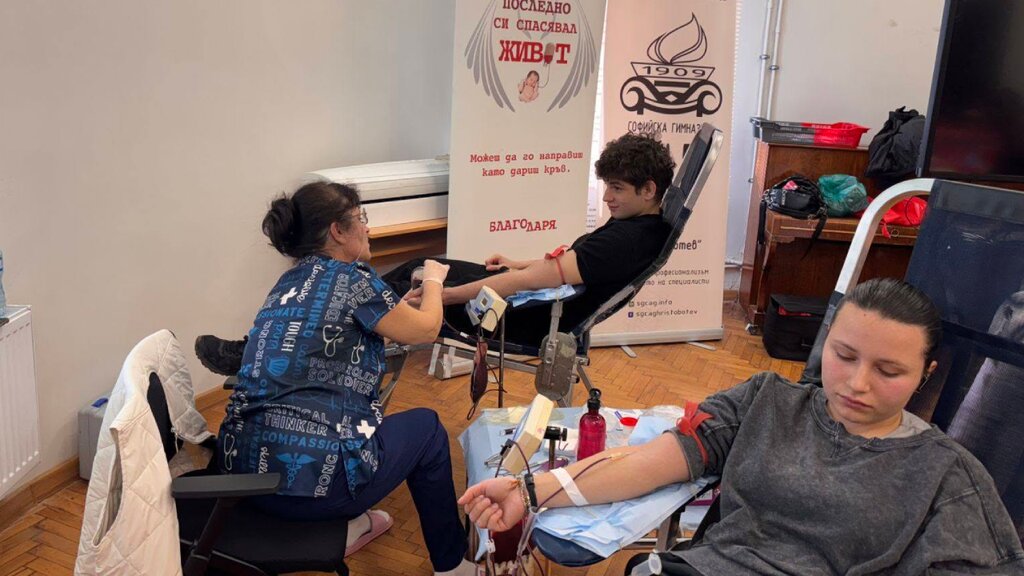
PHOTO National Centre for Transfusion Hematology
"Compared to many European countries, Bulgaria still has room for growth in voluntary unpaid blood donation, but in recent years we have seen a positive trend and increasing public engagement," says Dr Krasimira Terzieva.
On the eve of World Blood Donor Day, she emphasizes that the need for blood exists every day, that it cannot be manufactured artificially, and that human beings remain its only source.
"Donating blood takes about 30 minutes, but its impact can mean a saved human life," concludes the Director of the National Centre for Transfusion Hematology.
Edited by E. Karkalanova
This publication was created by: Rositsa Petkova