


News
Prof. Spas Tashev: Minority rights should not be put to a referendum
Monday 15 June 2026 15:19
Monday, 15 June 2026, 15:19
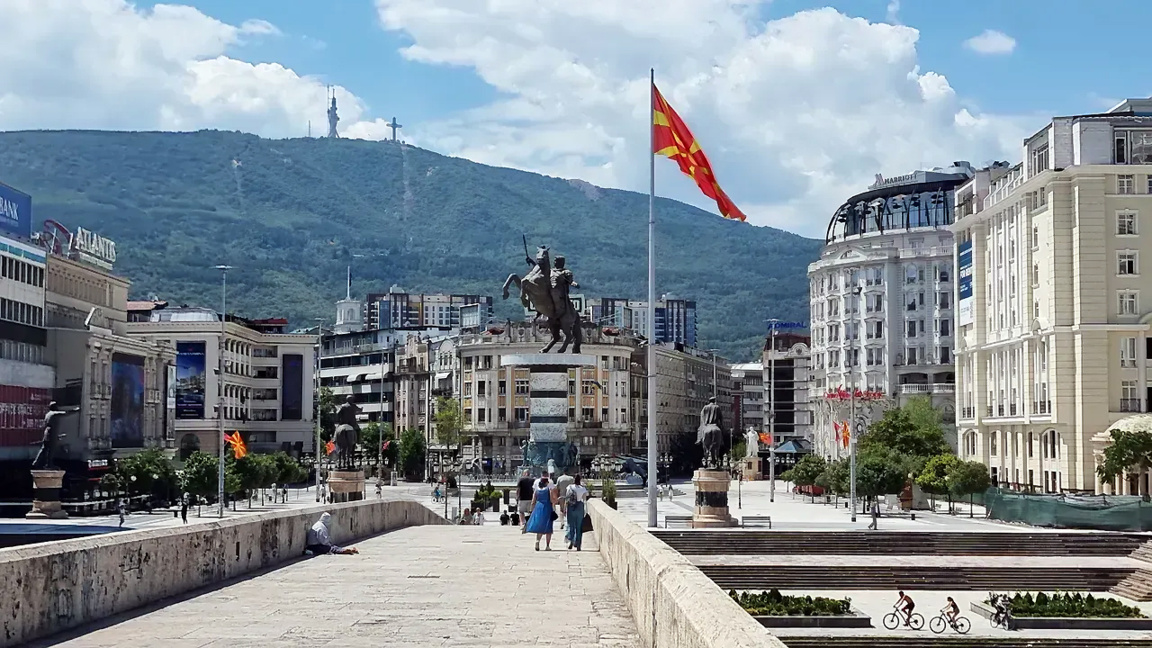
PHOTO BTA
Font size
Sofia and Skopje share a common interest in improving bilateral relations and moving North Macedonia closer to the European Union, Foreign Minister of North Macedonia Timčo Mucunski said ahead of the South-East European Cooperation Process summit held in Sofia on June 10. According to him, developments in recent years have artificially divided the peoples of the two countries, whereas the focus should instead be on their shared European future.
His remarks came some ten days after officials in North Macedonia voiced outrage over Bulgarian Foreign Minister Velislava Petrova's use of the adjective "North Macedonian" following her talks with Mucunski in Helsingborg on May 22. Bulgaria, however, is not a party to the Prespa Agreement between Greece and North Macedonia, under which the use of the term is regulated bilaterally.
To shed light on whether the adjective "North Macedonian" is being used correctly, Radio Bulgaria sought an expert opinion, particularly since its use is fully justified under Bulgarian grammar.
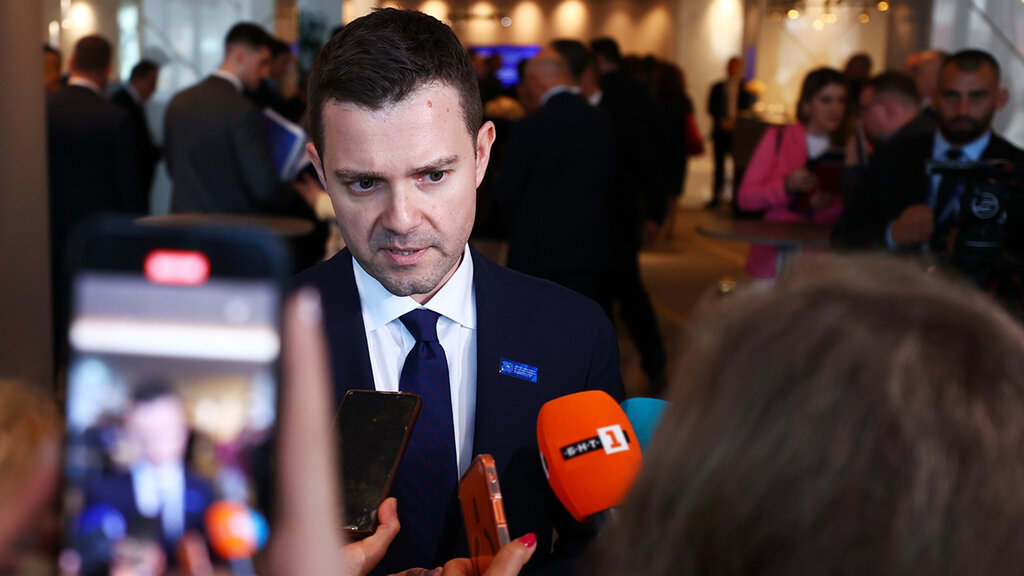
Timčo Mucunski in Sofia, June 10 2026.
PHOTO BTA
"The term 'North Macedonian' is derived from the country's name and is perfectly natural. If we look at visits by foreign politicians to Skopje, including some who are friendly towards North Macedonia, we will see that the term 'North Macedonian' has repeatedly appeared in their statements, and there has been no reaction whatsoever from Skopje," says Prof. Spas Tashev, a specialist on Bulgarian communities abroad. A graduate of the Diplomatic Institute at Bulgaria's Foreign Ministry, he was also the founder and first director of Bulgaria's Cultural and Information Centre in Skopje.
With a touch of irony, Prof. Tashev says he sees something positive in the persistent anti-Bulgarian campaign in North Macedonia. He points to the findings of an American political scientist who has studied the Macedonian question since the Yugoslav era. According to the scholar, anti-Bulgarian campaigns in the former Yugoslav republic have always intensified whenever signs of Bulgarian self-identification have emerged there.
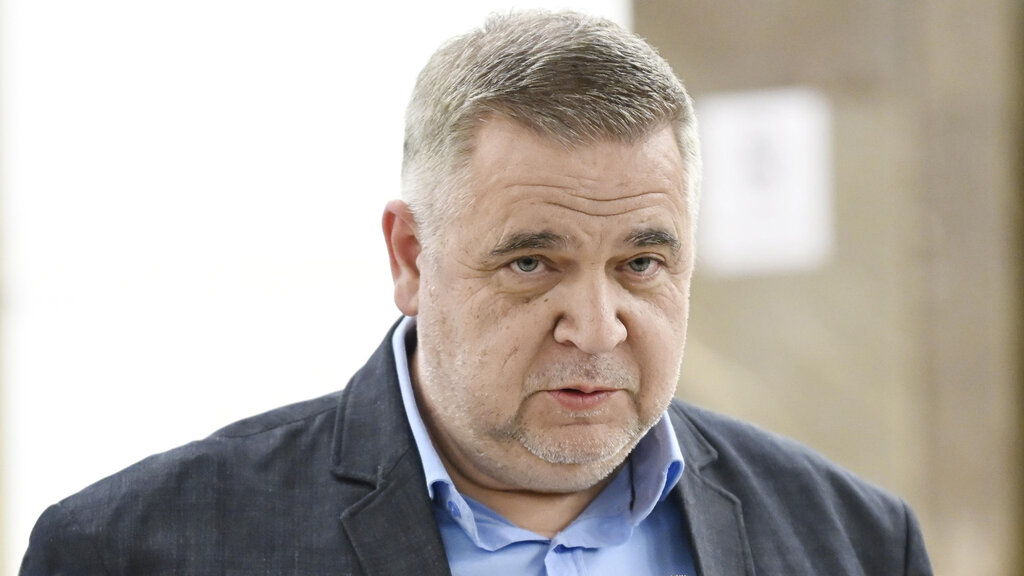
Prof. Spas Tashev
PHOTO BGNES
"Whenever I see such a fierce anti-Bulgarian campaign across the border, I take it as a sign pointing in the opposite direction – that manifestations of Bulgarian identity do exist there and that the authorities are doing everything they can to suppress them," the scholar says.
Tashev argues that the exact number of Bulgarians in North Macedonia should not be the main concern at present. Referring to the country's latest census, he contends that the authorities skewed the figures by classifying around 20,000 Bulgarians simply as holders of dual citizenship, without specifying their second nationality. He also points to a recent case involving what he describes as discrimination against a Macedonian Bulgarian.
"There was a widely reported case involving a dual national born in North Macedonia who had declared his Bulgarian origin in Bulgaria and obtained Bulgarian citizenship. He applied for the post of director of a forestry enterprise in North Macedonia. Under the rules, candidates for such positions are vetted by the security services. The National Security Agency of North Macedonia issued an official document stating that, as a Bulgarian citizen, he posed a threat to the country's national security and therefore could not be appointed. This is a blatant example of collective ethnic guilt being imposed. A person becomes guilty a priori simply because he is Bulgarian," Tashev says.
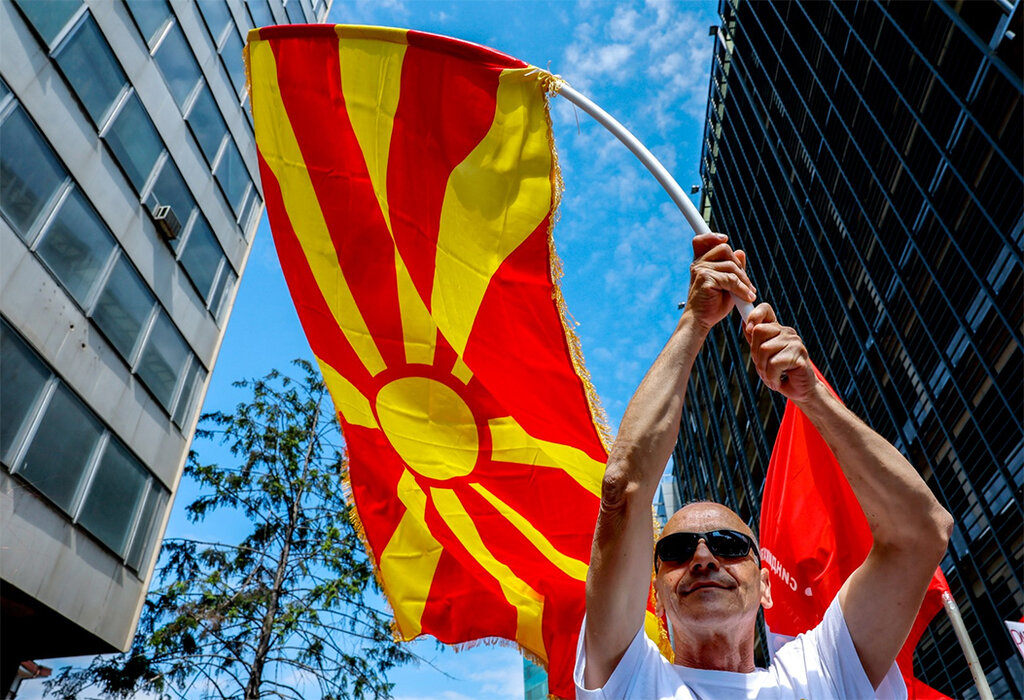
PHOTO EPA / BGNES
According to the researcher, the main mistake of Bulgarian foreign policy towards North Macedonia has been the expectation that the authorities in Skopje would eventually find the strength to change course. Tashev argues that strong Serbian influence over the country's ruling circles has deprived them of the capacity to meet the conditions for EU accession. One of those conditions is the inclusion of Macedonian Bulgarians among the constituent peoples in North Macedonia's constitution.
He is firmly opposed to the referendum proposed by the parliamentary opposition in Skopje. The Social Democratic Union of Macedonia wants citizens to vote on whether Bulgarians should be officially recognised as a constituent people in North Macedonia.
"We should immediately make it clear at the EU level that there is a fundamental principle at stake: minority rights are determined by minorities themselves, not by majorities. A majority has no right to decide on the rights of a minority; such a thing is unacceptable.
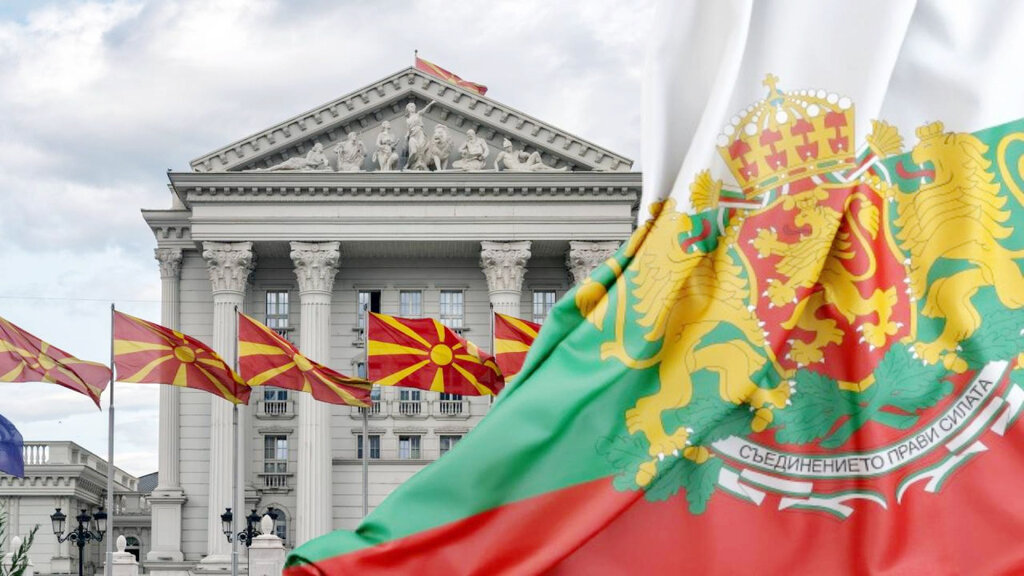
PHOTO BGNES
To put it in diplomatic terms in the context of North Macedonia's constitution, the other communities recognised in the country have no right to determine the rights and fate of the Bulgarian community, regardless of its size. I fear that if such a referendum is allowed to take place and fails – which may well be its intended purpose – the idea of recognising the Bulgarian community and amending the constitution will be completely blocked. In that case, North Macedonia will be condemned to orbit the 'Serbian World'," he says.
Prof. Tashev also called for caution and for active efforts to promote the democratisation of North Macedonia so that it can meet what he described as common European – and indeed universal – standards of humanism and human rights.
Editor: E. Karkalanova
This publication was created by: Elizabeth Radkova