


Friday 19 June 2026 12:21
Friday, 19 June 2026, 12:21
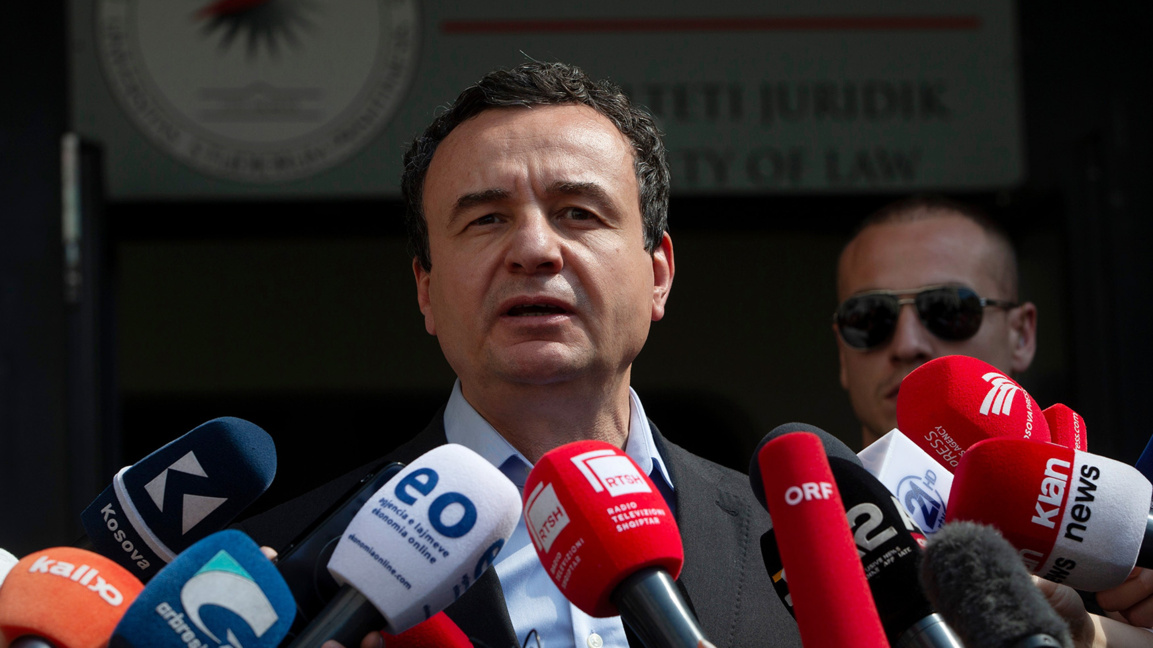
Albin Kurti
PHOTO AP/BTA
Font size
Kosovo again needs coalition government after snap elections
Political parties must act in accordance with the final results of Kosovo’s еarly parliamentary election on June 7, acting Prime Minister Albin Kurti said, quoted by Koha.net.
Kurti’s Vetevendosje (Self-Determination) movement once again won the largest number of seats in Parliament- 53. The Democratic Party of Kosovo won 22 seats, the Democratic League of Kosovo won 18 seats, and the Alliance for the Future of Kosovo secured 7 seats. In the 120-seat parliament, 10 seats are allocated to Serb representatives and another 10 for other ethnic minorities.
Albin Kurti stressed that there was no need for a third consecutive snap election, as the results repeat the previous distribution of parliamentary mandates.
Meanwhile, NATO Secretary General Mark Rutte said that in the future the Alliance’s peacekeeping mission in Kosovo (KFOR) will be reduced from 4,800 to 3,000 personnel.
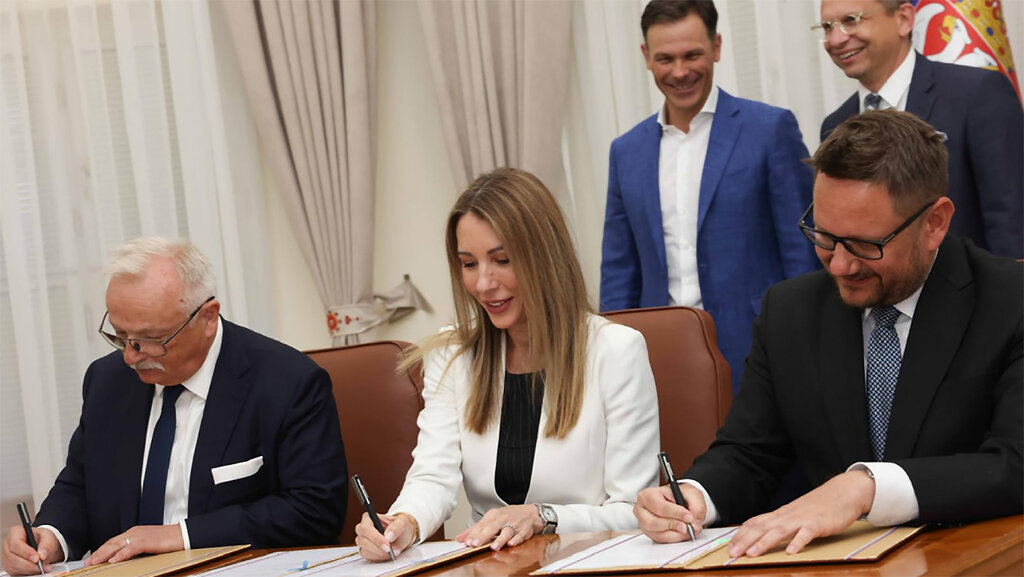
PHOTO srbija.gov.rs
Serbia and MOL sign an agreement on the governance of NIS
Serbia’s Minister of Mining and Energy Dubravka Handanović signed an agreement with Hungarian oil company MOL on the management of Serbia’s oil company Naftna Industrija Srbije NIS.
The document regulates the structure and decision-making process of the company’s governing bodies, according to the Serbian government and the Hungarian company. The Serbian state will acquire an additional 5% stake in the company.
The Hungarian investor is continuing negotiations with Russian company Gazprom Neft to purchase its 56.15% stake in NIS, Serbia’s public broadcaster RTS reported.
The Pančevo refinery will continue operating for at least the next 10 years at the capacity in which it operated for four years before the introduction of US sanctions. The Hungarian side will work to secure an extension of the operating license due to US sanctions imposed on Russian ownership.
The agreement will enter into force only if MOL and Gazprom Neft reach a deal on the transaction.
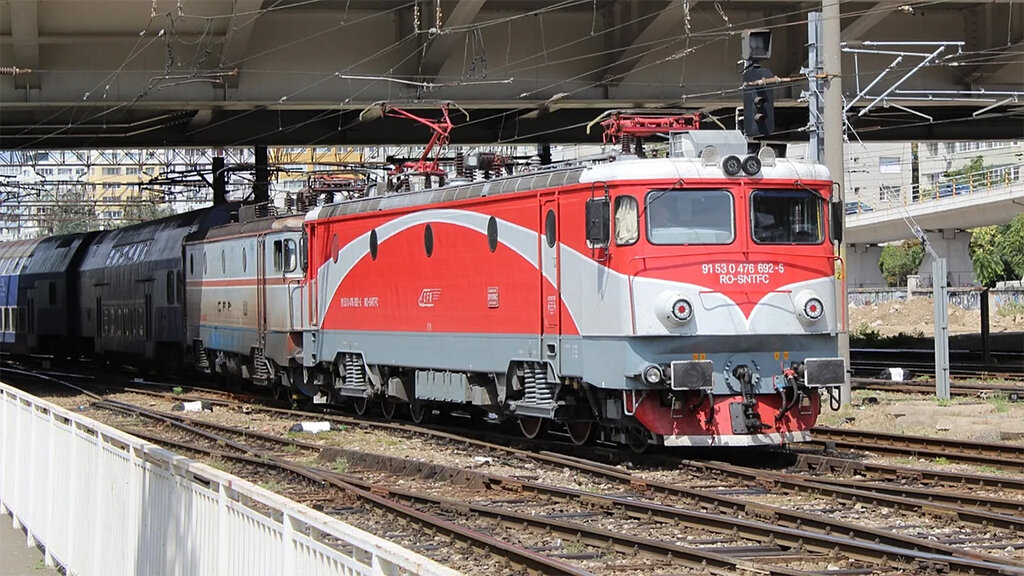
PHOTO euronews.com
Romanian train to connect Bucharest, Sofia, Varna and Istanbul this summer
The international “Romania” train will provide a direct daily connection from Bucharest to Sofia, Varna and Istanbul and back until mid-October, Romania’s railway operator CFR announced.
A one-way second-class ticket from the Romainan capital to Varna this summer will cost 140 lei (27 euros). The train will depart Bucharest at 10:46 a.m. and arrive in Varna at 7:56 p.m. A second-class ticket to Sofia will cost 177 lei, or 34 euros.
The journey to Istanbul takes longer. The train departs at 10:46 a.m. and arrives at 9:56 a.m. the following morning. A sleeping berth in a four-person couchette compartment starts at 303 lei (58 euros) one way, BTA reported.
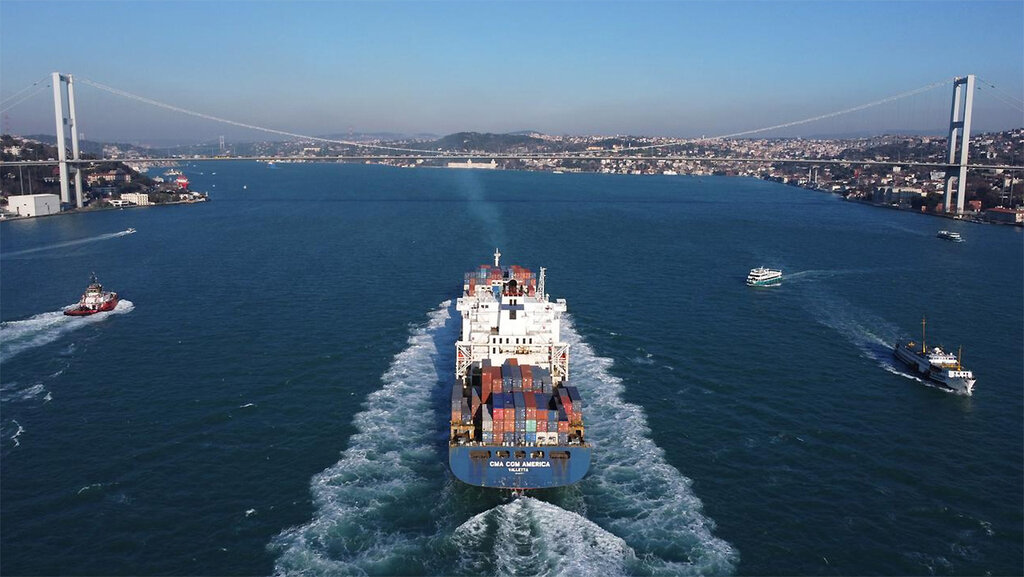
PHOTO turkiyetoday.com
Türkiye raises fees for ships transiting its straits
The fees charged to ships transiting through Türkiye’s Bosphorus and Çanakkale (Dardanelles) straits without docking at ports will be updated from July 1, the Turkish portal Milliyet.com.tr reported.
The fee will increase to USD 6.70 (EUR 5.77) and will remain in effect until June 30, 2027. This means that a vessel with a net tonnage of 10,000 is expected to pay approximately USD 25,000 (EUR 21,541).
Transit fees for ships passing through the Turkish straits are grouped into three categories: health inspection services, lighthouse services, and salvage services. The calculation is based on the vessel’s net tonnage (NRT). Annual fee updates have been applied since 2022.
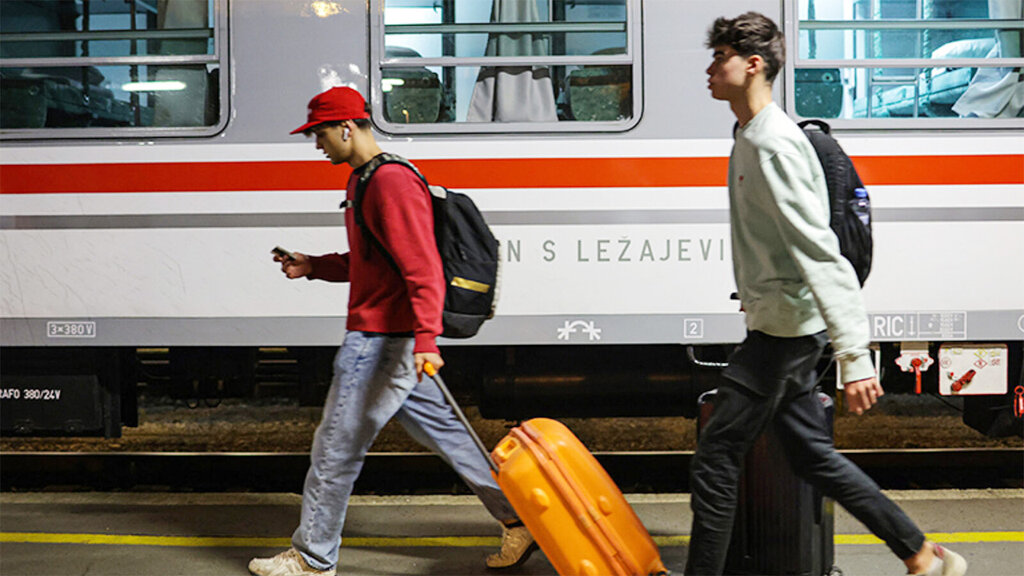
PHOTO poslovni.hr
Forum to discuss the future of young Croatian returnees
Afirst-of-its-kind meeting bringing together young Croatians who have returned from living, studying and working abroad will be held in Zagreb on June 25, aiming to strengthen networking and highlight the challenges of reintegration, Hina.hr reported.
Organized by the “Youth for the Homeland” association, the event will bring together returnees, civil society representatives and government officials for a panel discussion titled “Here I Am — Is There Still Room? From Personal Stories to Joint Solutions for the Future of Croatian Returnees.”
Participants are expected to share their personal experiences of returning to Croatia and discuss ways institutions can facilitate the process, while also presenting entrepreneurial and professional initiatives launched by returnees. The event is co-financed by the Ministry of Demography and Immigration.
Edited by Ivo Ivanov
Translated by Kostadin Atanasov
This publication was created by: Kostadin Atanasov