


Author
Desislava Shapkarova
News
From family memory to personal identity – exhibition at Goethe-Institut in Sofia
Tuesday 23 June 2026 14:56
Tuesday, 23 June 2026, 14:56
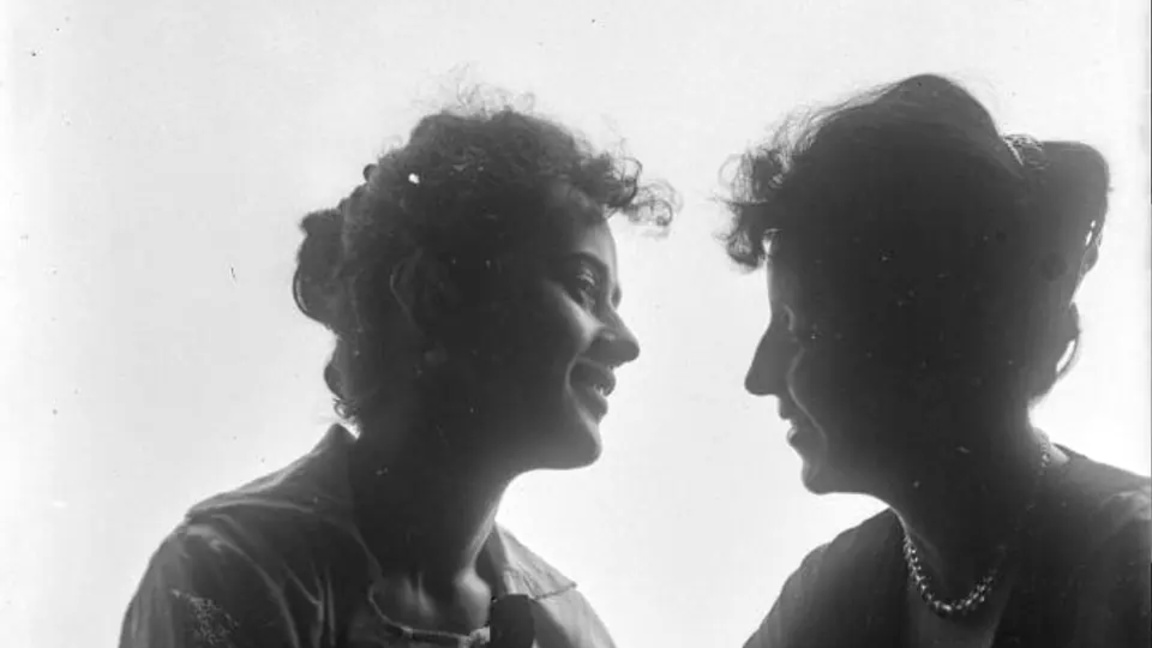
PHOTO goethe.de
Font size
How photography can be used for communication or philosophical discussion about the factors that shape each person’s identity is the theme through which two Bulgarian artists will represent their country at the photo exhibition “Reframing Family: Feminist Perspectives Through the Lens'', organized by the Goethe-Institut. The exhibition, which opens on June 25 at the institute’s building in Sofia, brings together nine artists from India, Germany, Hungary and Bulgaria — Agnes Bihari, Anabelle Moghadam, Arthi Duraisamy, Betül Aydin, Blagovesta Semkova, Gabriella Vincze-Baba, Dhivya Ravishankar, Sina Niemeyer and Helia Jafarzadeh — who examine the family not as a structure in which everyone chooses their own role, but as a space shaped by power, ancestral memory and cultural belonging, where patterns of perception are passed down from generation to generation.
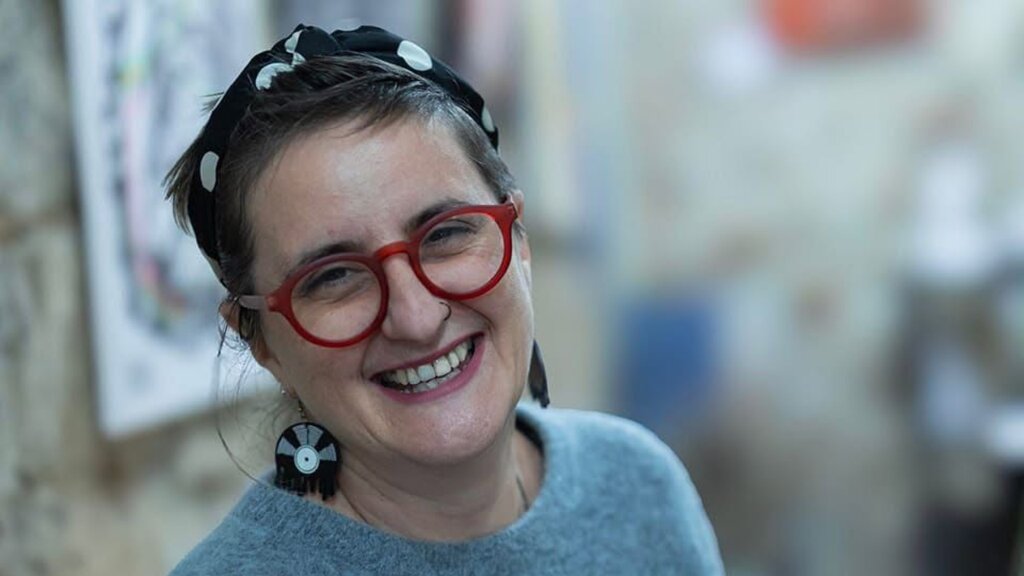
Kallina Brailsford
PHOTO personal archive of Kallina Brailsford
“We very often seek a black-and-white perspective and define one thing as right and another as wrong”, says exhibition curator Kallina Brailsford, adding:
“The family is a space of love and togetherness, but it is also a place where we define ourselves and draw on learned patterns of behavior and understandings of life. These are precisely the two aspects we present as a tension in this exhibition, because they exist simultaneously. On the other hand, photography is a significant factor in reinforcing gender roles, and in this exhibition we use it as a tool to offer a new perspective on themes that photography itself has played a major role in sustaining and perpetuating.”
“Women’s issues are shaped by the cultural context in which they emerge, but there are also those that recur around the world. They are, however, expressed to varying degrees and take different forms in their interaction with a particular culture”, Kallina Brailsford explains.
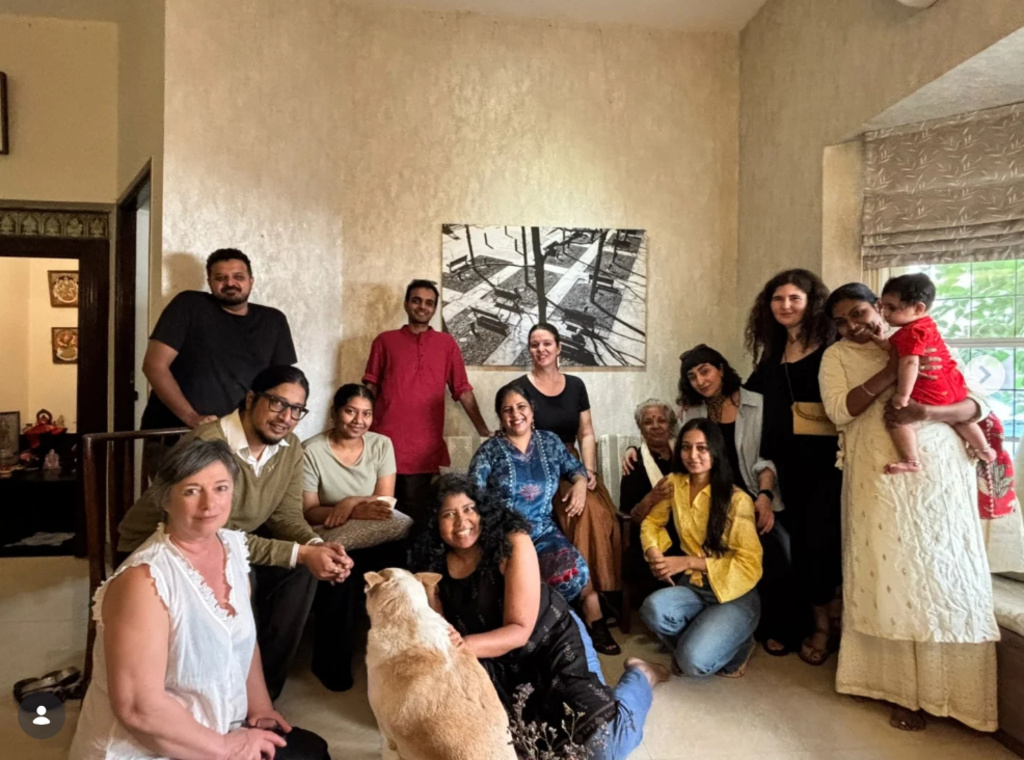
PHOTO İnsagram/ goetheinstitut_chennai
“For example, one of the two artists from India explores the pressure placed on women and their bodies through expectations related to children and family. In their culture, the flower is a symbol of female maturity, and there are special rituals associated with preparation for marriage and motherhood. What is particularly interesting is that if a woman does not fit within the normative frameworks that define the events in her life, she faces condemnation from both society and her family. The other Indian artist explores identity through hair — a symbol of femininity, but also a message to others, as in certain circumstances it is expected to be worn loose or tied back, while cutting it is seen as a radical form of resistance to societal expectations- a theme that also exists in other cultures, though expressed differently.”
“Kallina Brailsford also points out that some of the installations in the exhibition explore the issue of symbiosis between cultures, which is increasingly evident in today’s globalized world, and explains:
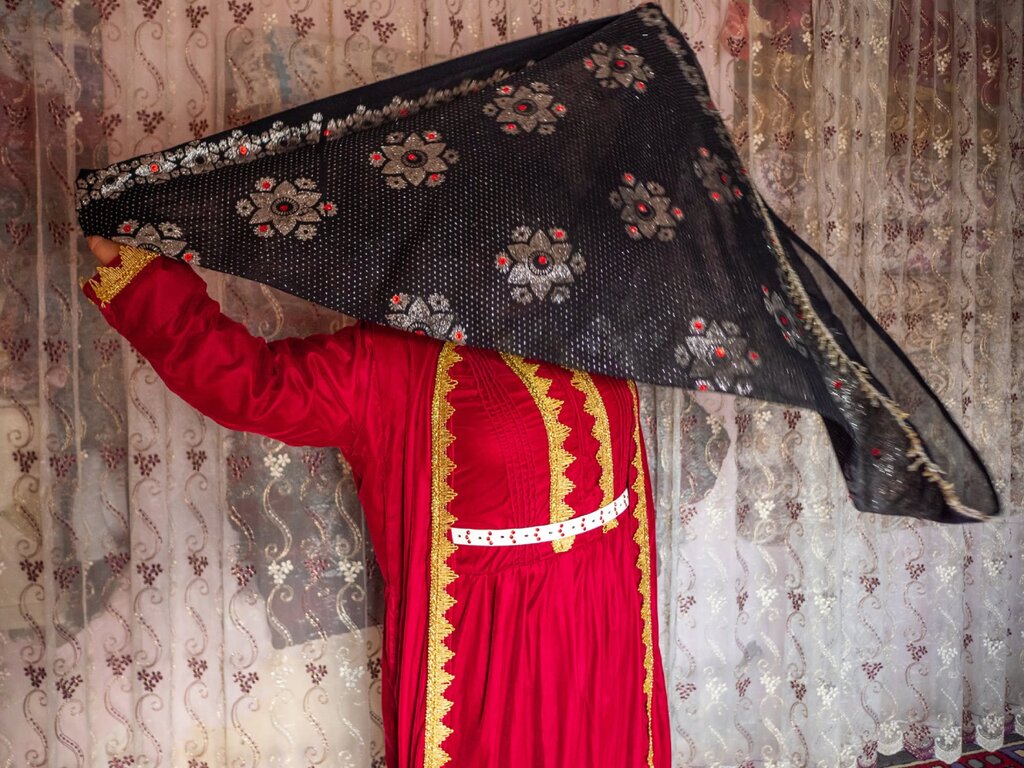
PHOTO Facebook/ Betul Aydın
“This is clearly reflected in the themes explored by the women artists from Germany, where migration is widespread. One of them is of Turkish descent and shows how she has succeeded in bringing together the culture of the country in which she lives and that of her own heritage.”
The themes in the exhibition explore the issues from different angles, but perhaps some of the most thought-provoking are the works of the Bulgarian women, who through their projects present the possibility of using photography as a means to reach the inner world of one’s own child. They also pose philosophical questions to visitors, such as: What determines our identity — personal choice, the cultural environment, or the genes we are born with? ''One of the Bulgarian artists explores what it means to be the mother of four children'', Kallina Brailsford says and adds:
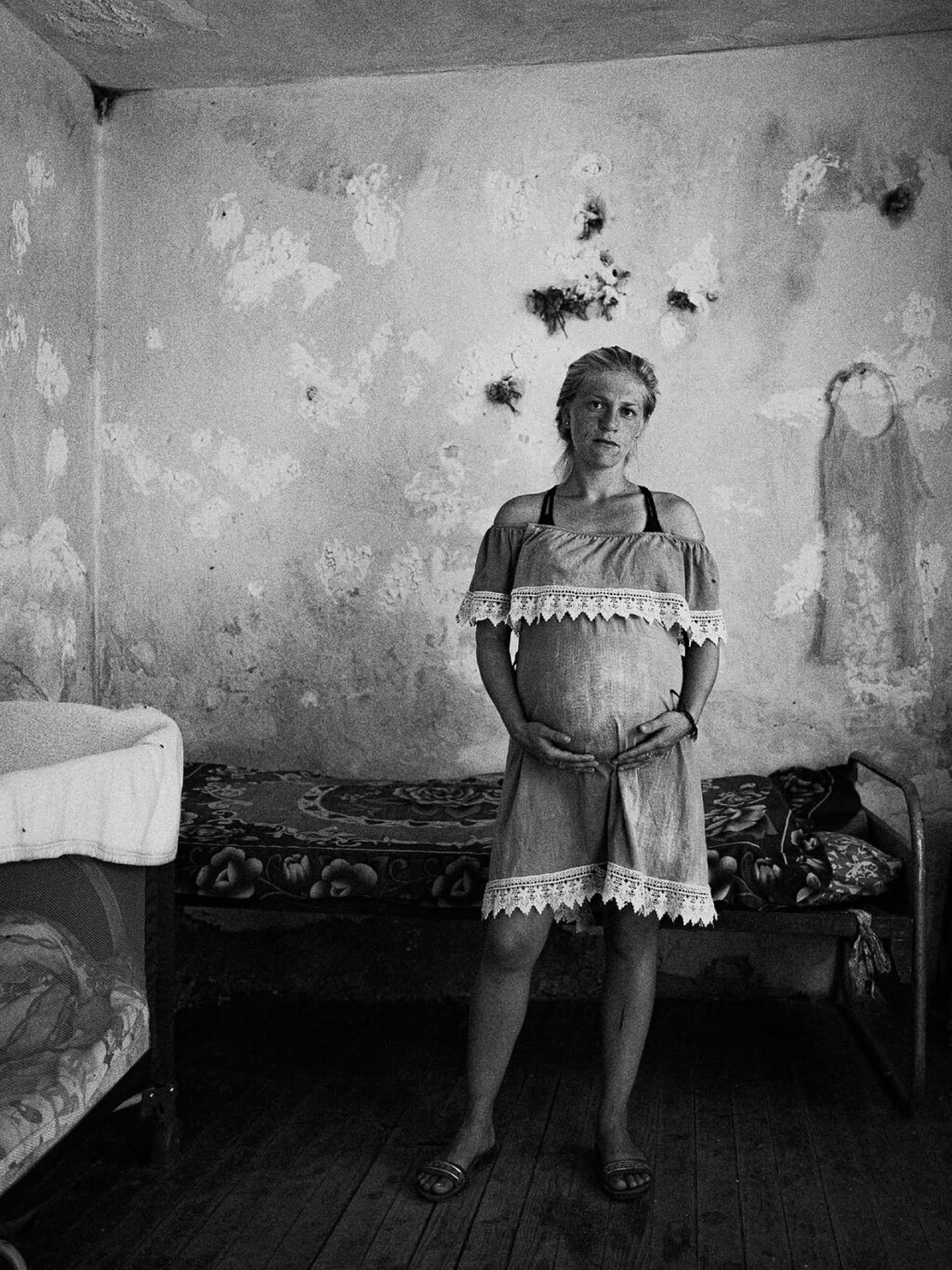
PHOTO Facebook/ Blagovesta Semkova
“This care falls on her, and one of her children is neurodivergent and on the autism spectrum. This requires a special bond and even more specific care. Her photographic project is extremely interesting, as it explores how, as a mother, she uses photography to connect with her child. The other woman was born in Bulgaria, but her father is of Iranian descent. Only recently did she visit Iran for the first time and discover that what she had heard, read or imagined was completely different from what she experienced when she met her relatives there in person.”
The installation will open on June 25 at the gallery of the Goethe-Institut in Sofia and will be on view until the end of August.
This publication was created by: Kostadin Atanasov