


News
Village of Zheglitsa – life by the Danube between problems and hope
Thursday 25 June 2026 09:09
Thursday, 25 June 2026, 09:09
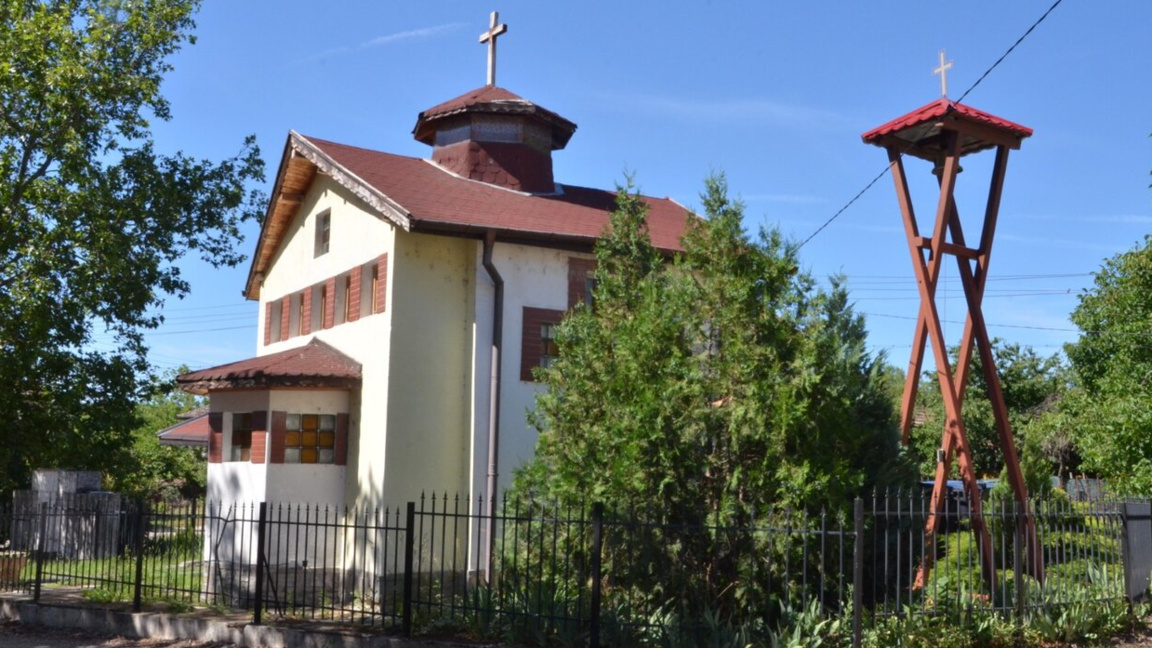
PHOTO Radio Vidin
Font size
Zheglitsa is a small village located about 20 kilometers southwest of the city of Vidin in the Bulgarian Northwest. It is located 4 kilometers away from the great European river – the Danube, and is proud of its beautiful forest. The Mezdra-Vidin railway line passes by it, as well as the Vidin-Sofia-Kulata national road, but despite its location, it bears the marks of the demographic crisis like many small settlements in the region. The permanent residents are less than 100 and the population is ageing.
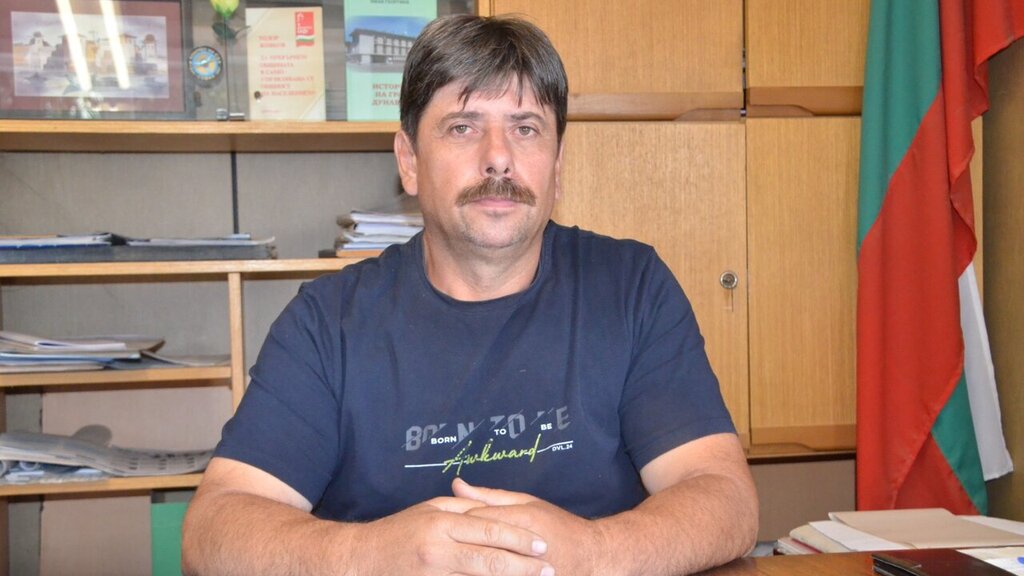
Georgi Georgiev
PHOTO Radio Vidin
"There
are also young families, but the children study in nearby towns –
Dunavtsi or Vidin,” the long-time mayor of the village, Georgi
Georgiev, says and continues: “There are almost no farm animals
left. Years ago we had horses and donkeys but now there is only a small
number of sheep and goats. There has been no bus in Zheglitsa for
maybe 5 years and we only rely on rail transport... A doctor comes
from Dunavtsi twice a week – Tuesday and Thursday, so from that
point of view we cannot complain... We have two shops, which are
regularly stocked…"
A
serious problem in the village, as in many others across the country,
is the poorly maintained infrastructure and the breakdowns in the water
and electricity networks, the mayor says.
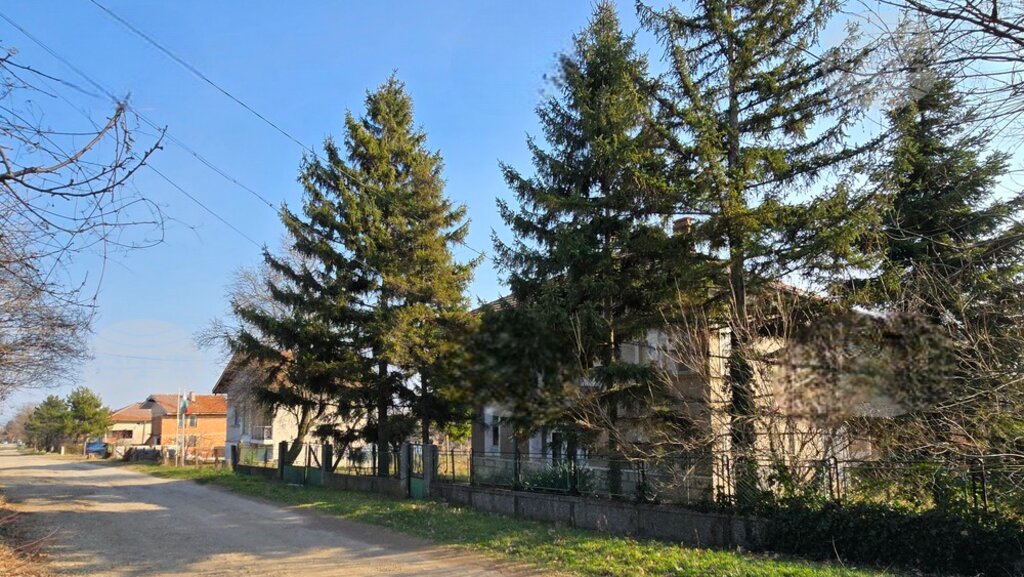
PHOTO BTA
"Our
main street is the only one asphalt-paved, while the others are
cobblestone streets. Periodically, when possible, we are provided
with crushed stone for repairs. The bad thing is that this is
a temporary solution."
The
infrastructure is a challenge for the small business of Ivayla
Lozanova, who has opened a guest house in Zheglitsa:
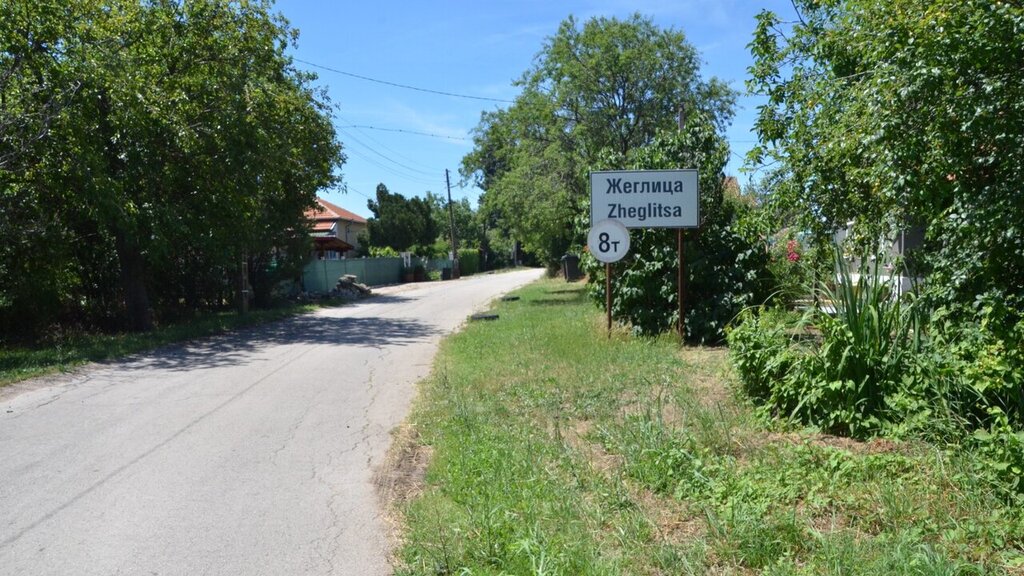
PHOTO Radio Vidin
"I
was told that a guest house needs three years to develop and then it
starts working for you. It's true. I've had it for nine years now and
when I built it I wasn't even sure that anyone would come in here,
but because I'm next to the republican road, I welcome people from
many countries. The problem is that the water is of very poor
quality. Rust flows from the taps, as the pipes haven't been replaced
for a long time. The asphalt street reaches the house, but the other
streets are in poor condition. The electricity is constantly going
out because the transformer stations are very old and when it rains,
or there is strong wind, there is no electricity. The monopolists do
nothing but we pay the bills," Ivayla Lozanova says.
However,
there is no lack of interest in purchasing houses in the village.
Even an English family has chosen the village as their new home, the
mayor says. He does not deny that due to inflation in recent years,
the process has been at a standstill for two or three years, but
there is hope that better times will come. Georgi Georgiev makes a
comparison between the village today and the situation in 2008, when
he first became mayor:
"The
residents were over 200 and there were many farm animals.
Unfortunately, we are decreasing with each passing year. Last year,
under a program, we managed to build a new playground. In the summer
there are children in the village who come to visit their
grandparents. Of course, we also hope that young people will return,
not only to Zheglitsa, but also to all the deserted villages,
otherwise what future will there be for them?"
The
first sod was turned for a church in the village in 2011. The church,
built for 5 years with donations, has as its patrons Sts. Constantine
and Helena.
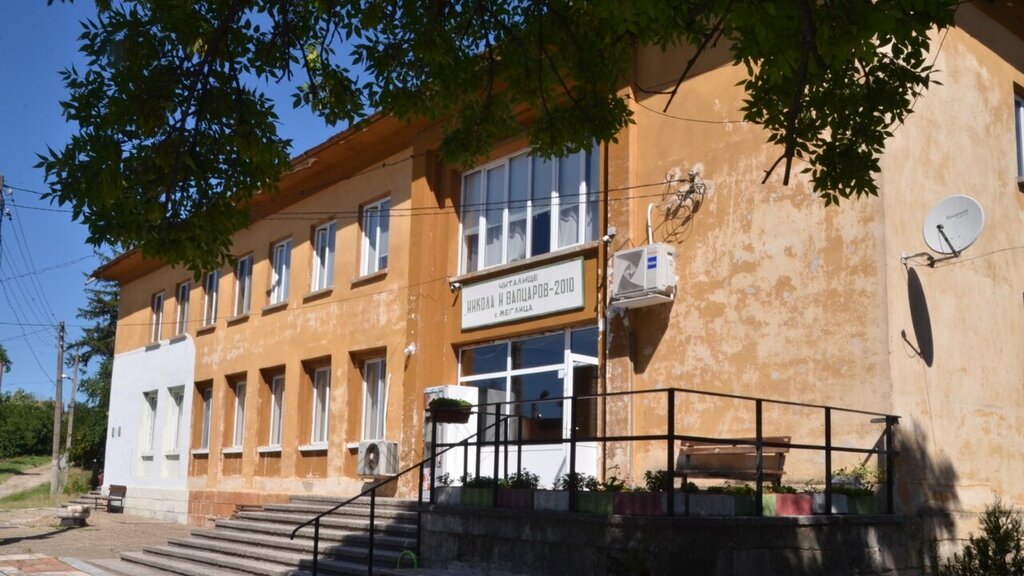
PHOTO Radio Vidin
The village also has an active community center named after Bulgarian poet Nikola Vaptsarov. Its chairman, Stefan Georgiev, says that people gather there for every holiday:
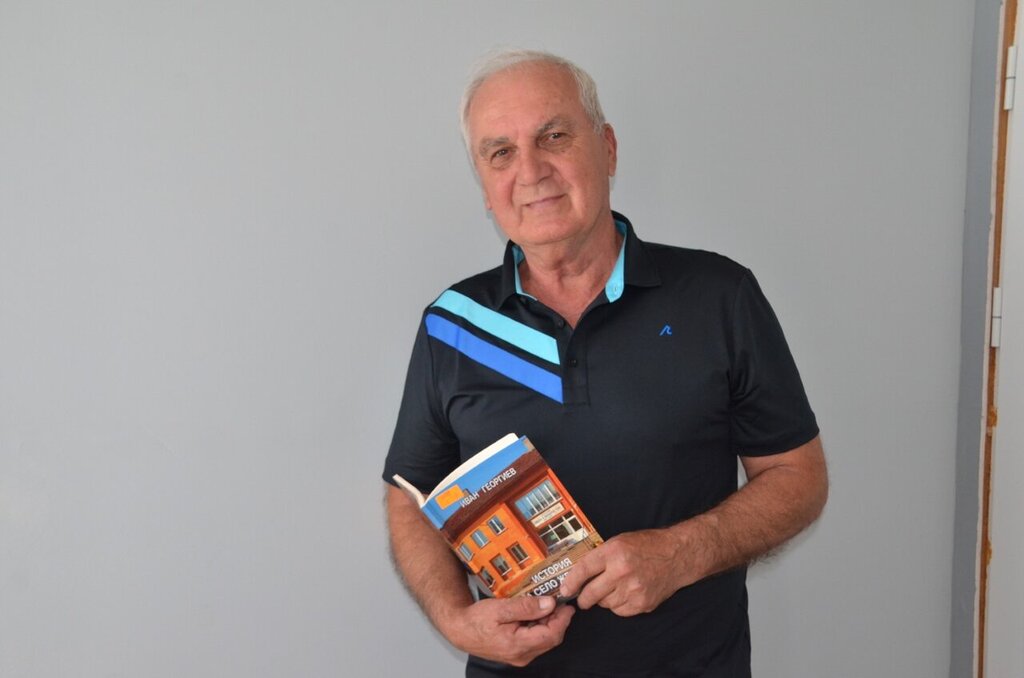
Stefan Georgiev
PHOTO Radio Vidin
"We
start from Midwives' Day, right after New Year. On March 8th, it is
especially exciting because each lady receives a small gift and a pot
with a beautiful flower. The village does not have its own folklore
ensemble, but I have the ambition and I have talked to 4-5 women who
agree to start with a small troupe for folk songs and dances. In
recent years, 2-3 younger families have returned and my hope is in
them. I am sure that what will preserve us as a people is precisely
the folklore, the dances, the folk customs."
The
women of Zheglitsa know how to bake very delicious bread, Stefan
Georgiev says and tells us about his idea for a special bread
festival in the village, which will be another occasion to visit this small Bulgarian village in the Northwest.
Interviews:
Teodora Spasova, BNR- Vidin
Editor: Yoan Kolev
This publication was created by: Alexander Markov