


Author
Diana Tsankova
Bulgarian students follow in the footsteps of Bishop Josip Juraj Strossmayer
Friday 26 June 2026 09:43
Friday, 26 June 2026, 09:43
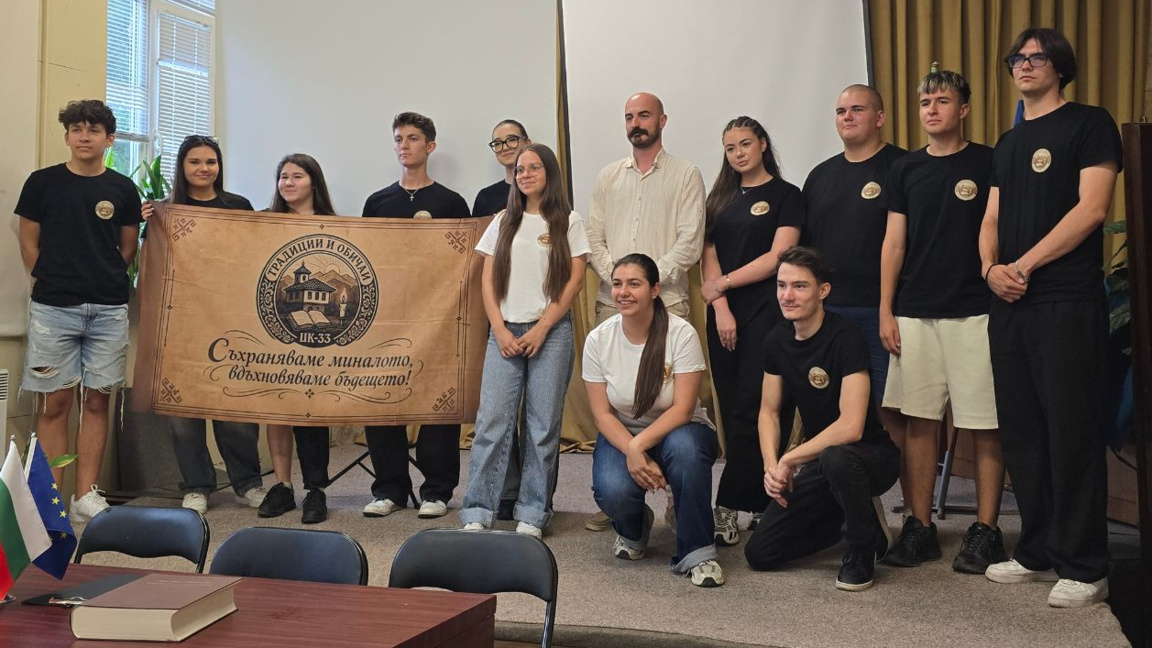
Students who participated in the creation of a multimedia project dedicated to the work of Bishop Josip Juraj Strossmayer
PHOTO BTA
Font size
Students
from the Bulgarian Sunday School "Ivan Vazov" in Zagreb and
from Sofia's 33rd Language High School "St. Sofia" united
their enthusiasm and efforts to enrich the knowledge about a person with
an invaluable contribution to the development of Bulgarian
intelligentsia after the Liberation and who once said: "I have
always loved and honoured the worthy, sound in mind and heart and
especially hardworking and honest Bulgarian people."
At
the "G. S. Rakovski - 1925" community center in Sofia,
young people, together with their mentors from the "Bishop Josip
Juraj Strossmayer" Civic Association, presented a multimedia
project dedicated to the work of the Croatian Catholic bishop.
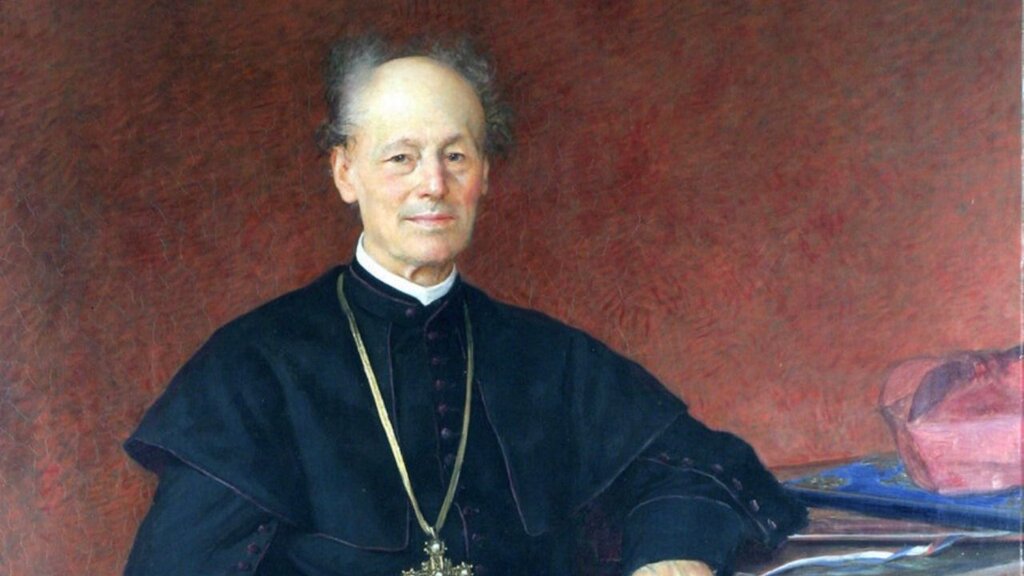
Bishop Josip Juraj Strossmayer
PHOTO Strossmayer Gallery
Strossmayer lived for ninety years. From 1815 to 1905, he managed to earn his place in history as a Catholic bishop and theologian, a public and political activist, a patron and supporter of Bulgarian education and literature.
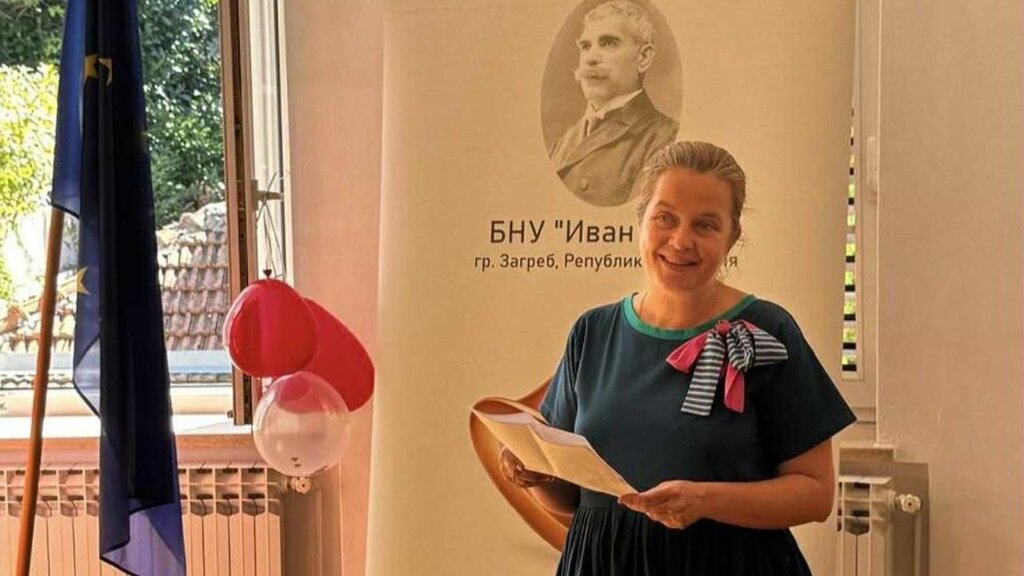
Iglika Kasabova
PHOTO BTA
"We
in Croatia know Josip Juraj Strossmayer as a man who donated all his
personal funds for the construction of the huge cathedral in Đakovo,"
says Iglika Kasabova, head of the Bulgarian school in Zagreb. "Every
year, the Bulgarian community honors his work, recognizing him as one
of our enlighteners, and on November 1, representatives of diplomacy,
public figures and students from our school go there. Our students
know well who Bishop Josip Juraj Strossmayer is."
Tsentserushka
Andreeva, who until recently was secretary of the largest community
center in the capital, where a Croatian-Bulgarian cultural center
named after the bishop has been created, adds an interesting fact
about the activities of Josip Juraj Strossmayer:
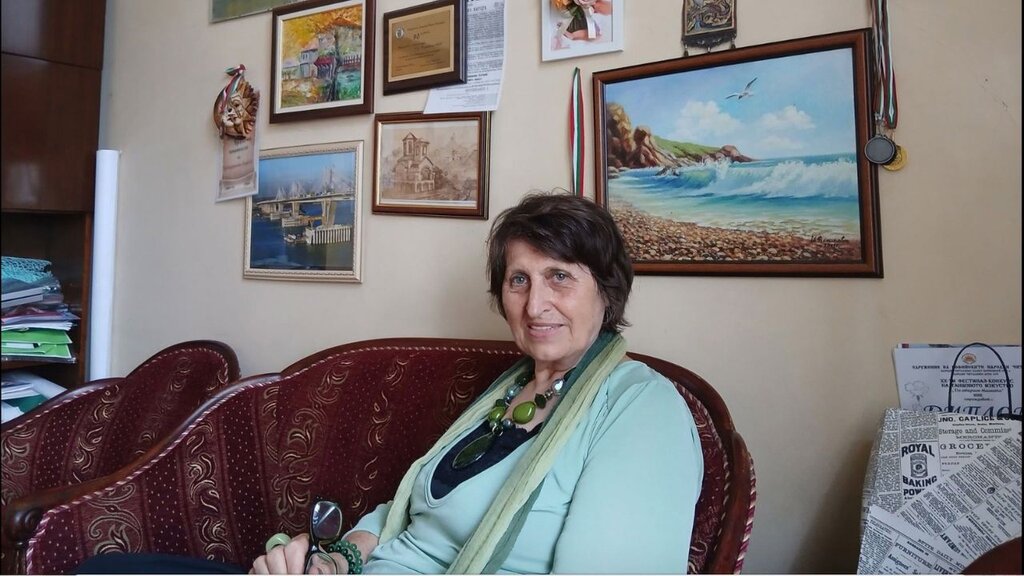
PHOTO Diana Tsankova
"His
greatest merit is helping the Miladinov brothers publish «Bulgarian
Folk Songs». After collecting them for six months, they went to
Bishop Strossmayer and presented him with the accumulated material.
He told them: «Write the texts in Bulgarian, because now they are written with
Greek letters and then I will help you». I would also like to
highlight his help for the education of Bulgarian students in Zagreb,
who subsequently returned to their homeland and played an extremely
large role in the spiritual development of our nation. He has many
more merits, so his work should be popularized among the youth."
The
students' project contains three components - the book "All for Faith and the Fatherland!", a documentary film and a photo
exhibition, and was implemented under the national program "The
Untold Stories of Bulgarians" of the Ministry of Education and
Science.
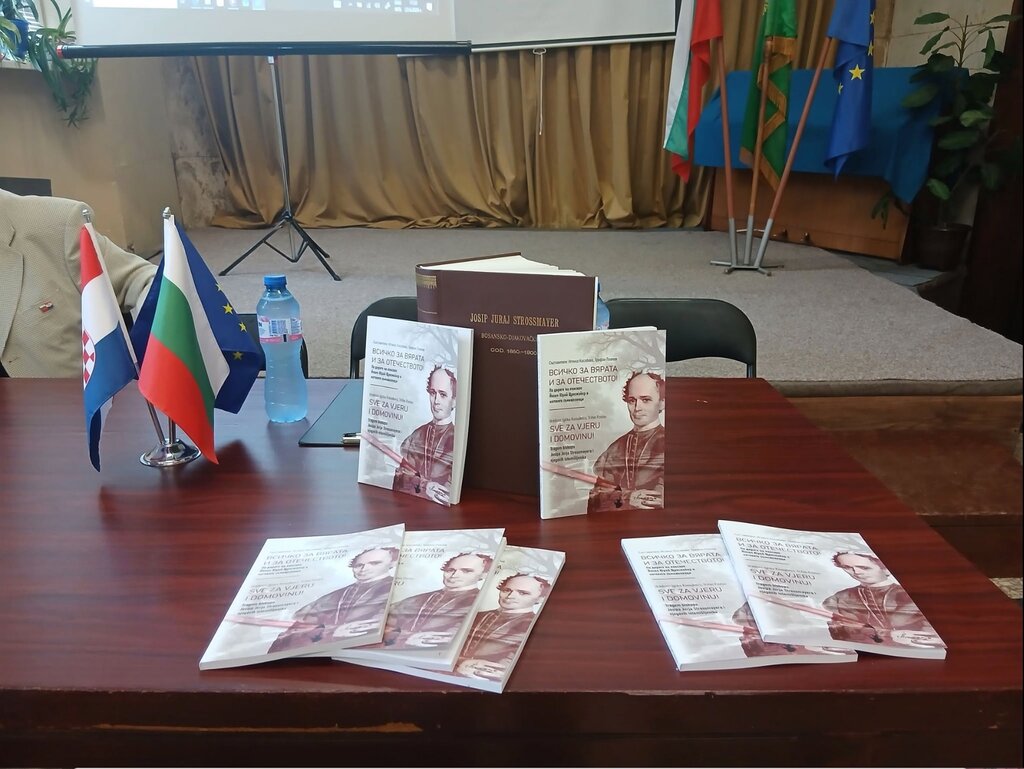
PHOTO Diana Tsankova
In
it, students take on the role of researchers, learning to ask
questions like real reporters. Together with friends from the
Gornjogradska Gymnasium in Zagreb, they create the texts and concept
of the posters with Croats who, encouraged by Josip Juraj
Strossmayer, have done something remarkable for Bulgaria – teacher
Clotilda Cvetisic, rector of the Sofia University "St.
Kliment Ohridski" Stepan Jurinić, writer and Catholic priest
Franjo Rački. The collected information is summarized in a book by
the students' teachers and mentors.
"What
excites our children the most is that Bulgarian children studied in
Zagreb," Iglika Kasabova says. "They had never imagined
that so far back in time there were Bulgarians who received their
high school and university education there and then returned to
Bulgaria. The other thing that surprised them was that Josip Juraj
Strossmayer communicated with small high schools in our country very
warmly."
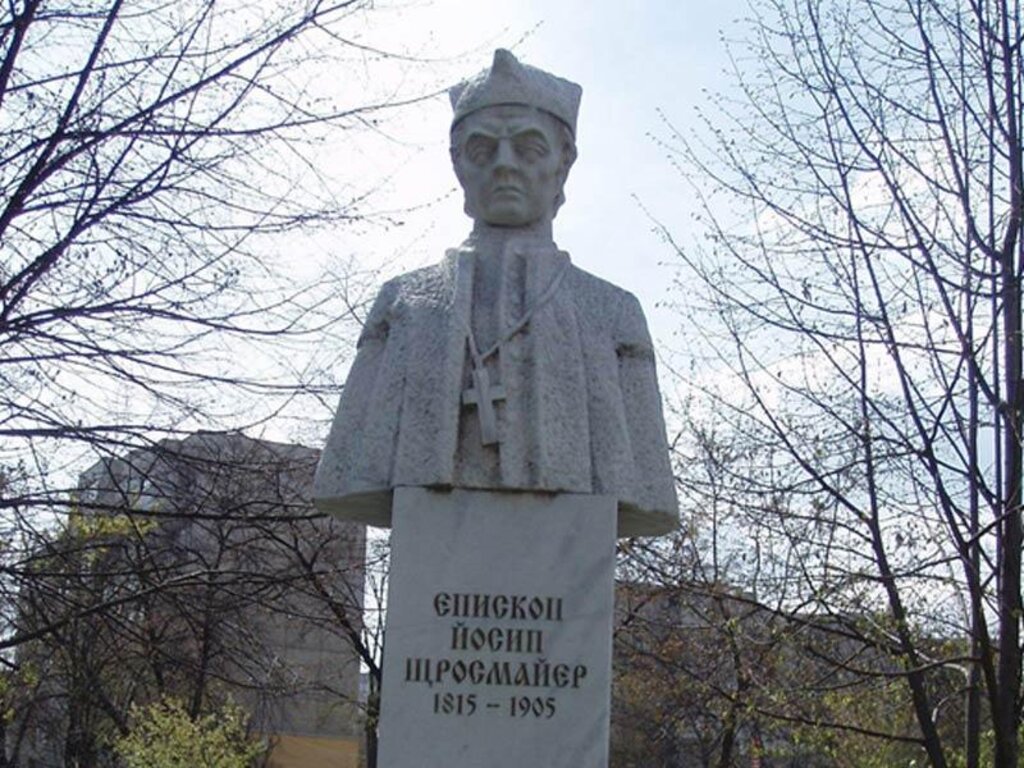
PHOTO ilinden.sofia.bg
According
to the school principal, students get very excited when they work on
extracurricular projects.
"Many of them come from modern bilingual, multilingual communities, from
progressive schools, and working with texts and photos, making
collages and videos is an everyday part of their work in
school," she adds. "For them, the more boring part of the
Sunday school is learning texts, memorizing, reading. They prefer to
learn things on the go."
At
the end of the school year, Iglika Kasabova says: "We end the
year with nearly 40 children. 80% of them successfully received
diplomas for the completed school year, and some of them failed, but
that does not mean that they will not try again next year." According to her, the biggest challenge is to maintain the children's
initial enthusiasm, because as the curriculum in school becomes more
complicated, their lives become increasingly dynamic.
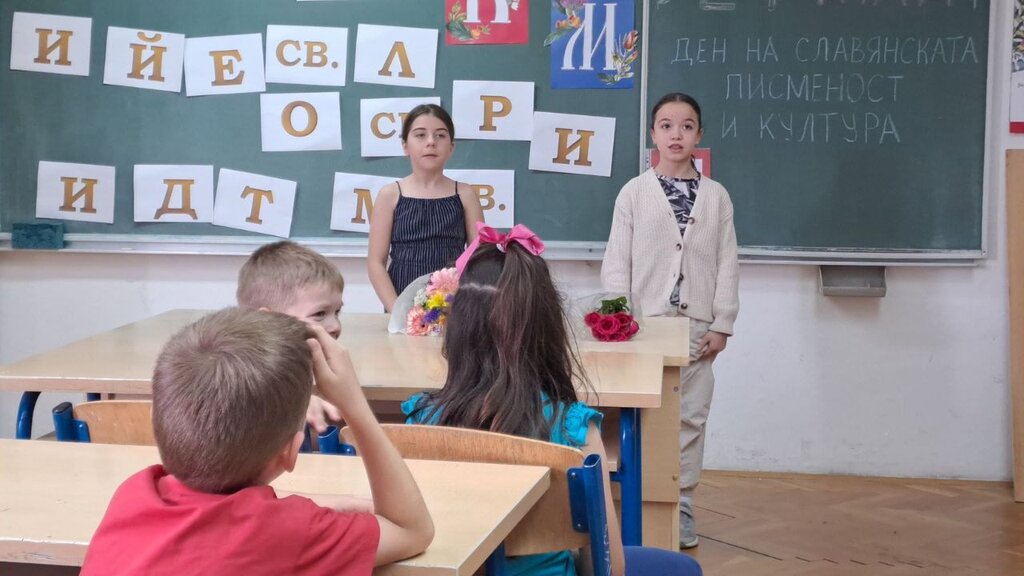
PHOTO "Ivan Vazov" Sunday School - Zagreb
The
new school year will also be dynamic, Kasabova says. In the autumn
the Sunday School will reopen for Bulgarian children from three
countries – Croatia, Bosnia and Herzegovina and Slovenia.
"We
have descendants of gardeners, opera singers, as well as new
emigration," Iglika Kasabova says. "We plan to tell the
stories of Bulgarians who have been living in Croatia for some time.
The personalities from the fields of art, education, literature, and
even Asian meditative and martial arts are very impressive."
This publication was created by: Alexander Markov