


News
Bulgaria lags behind the global trend of lifelong learning
Within the next decade, many of today's skills will become obsolete, yet only 21% of Bulgarians continue learning throughout their lives
Wednesday 1 July 2026 13:46
Wednesday, 1 July 2026, 13:46
PHOTO Pixabay
Font size
The belief that a university degree provides enough knowledge to remain competitive in the labor market until retirement is quickly becoming outdated. As new professions emerge, existing ones evolve, and technology advances at an unprecedented pace, continuous learning has become essential. Without it, those who fail to adapt risk being replaced by better-prepared professionals.
Only 21% of Bulgarians engage in lifelong learning. The problem is not a lack of educational opportunities, but a lack of motivation. For many in Bulgaria, earning a university diploma is seen as the final destination rather than the beginning of continuous professional development. This stands in sharp contrast to countries such as Estonia, Denmark, Finland, and Luxembourg, where lifelong learning and career retraining are common even among people over the age of 60.
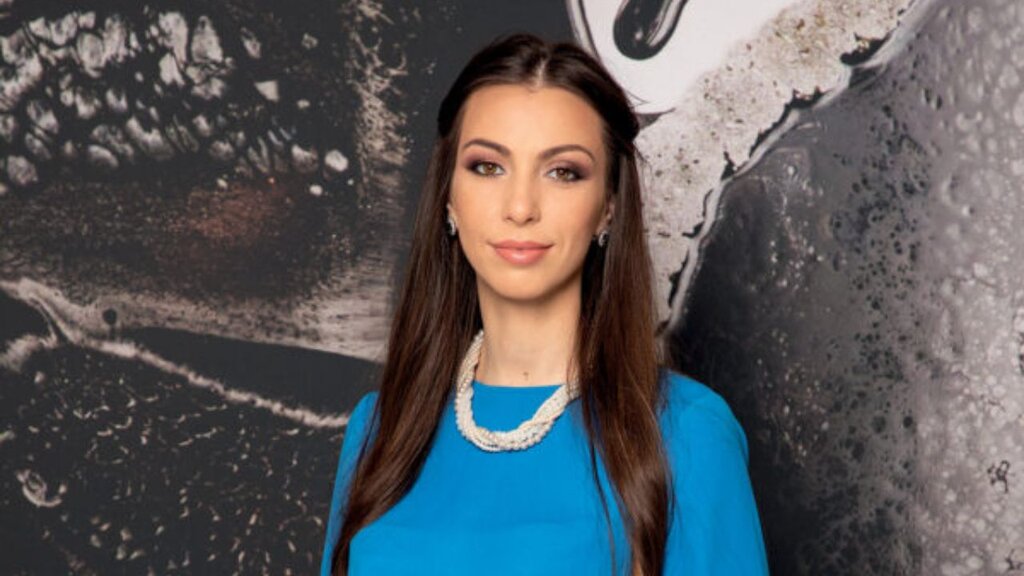
Magdalena Dimitrova
PHOTO Kostadin Krastev
"In Bulgaria, parents are committed to helping their children complete higher education, but after graduation the motivation to continue learning often disappears," says Magdalena Dimitrova, Managing Director of the Svetlina Educational Group, which recently organized an expert forum dedicated to lifelong education. "Yet every industry is about to undergo profound change. Anyone who wants to remain competitive will need to keep learning and adapt to a rapidly changing world."
According to Dimitrova, one reason Bulgaria has been slow to embrace lifelong learning is economic. She points to the IT sector, where employers increasingly value practical experience over formal qualifications. Another factor lies in the structure of the education system itself, from primary school through university.

PHOTO Pixabay
"Education in Bulgaria is highly competitive," she explains. "With each passing school year, students experience increasing pressure and fear of failure, while their intrinsic motivation to learn steadily declines. By the time they complete their education, that motivation is often exhausted. Some children already begin to dislike school in the second grade. They experience intense stress from constant testing and may even develop health problems. What we need instead is a sustainable educational environment that nurtures curiosity rather than overwhelming students with pressure from schools and parents. Preserving intrinsic motivation gives people the capacity to continue learning throughout their lives. Economic, cultural and social factors all work together."
Another important development concerns the teaching profession itself. Increasingly, teachers are entering the classroom as a second career. While Dimitrova views this as a positive trend, she notes that many remain in education for only a few years.
"I hope more professionals choose teaching because students benefit from educators who bring not only theoretical knowledge but also real-world experience. Personal experience is one of the strongest motivators for learning."

PHOTO Pexels
How can people adapt to a world where professions evolve within just a few years and artificial intelligence is transforming workplaces across industries, from finance and law to media, education and public administration?
"Artificial intelligence is developing at an extraordinary pace and will fundamentally reshape every industry," says Dimitrova. "It has already made significant inroads into fields such as graphic design, animation, marketing, finance and even law. Many entry-level tasks can now be handled by AI. People shouldn't respond with fear, but with confidence, optimism and a commitment to lifelong learning."

PHOTO Pixabay
She cites data from the latest World Economic Forum, according to which AI could eliminate 72 million jobs by 2030, while creating approximately 170 million new ones. The report also suggests that half of today's skills will be replaced by entirely new ones, and that within five to ten years, traditional diplomas alone will carry far less weight than they do today.
"The pace of change is extremely steep," she says. "We have to be prepared to adapt.
Against this backdrop, Bulgaria appears surprisingly complacent about lifelong learning. Many people remain unconvinced that continuing their education will improve their lives.
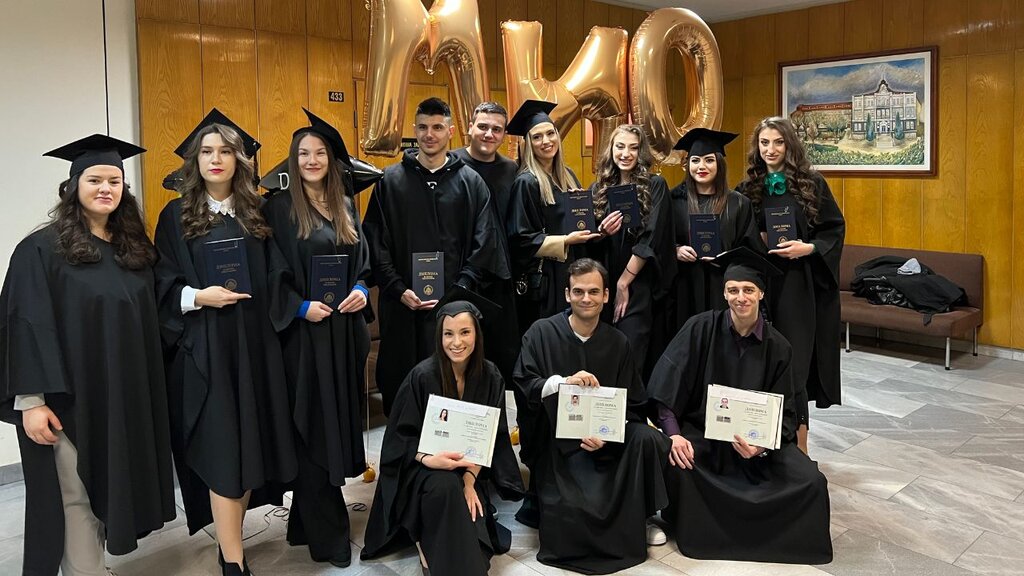
PHOTO Economy University in Varna
"I wouldn't call us merely calm," Dimitrova says. "We're one step further back. We're almost lethargic."
She argues that for many young people, obtaining a diploma marks the end of their educational journey. Members of Generation Z, she says, often delay entering the labor market altogether after graduation.
One reason, she believes, is the intense pressure they experienced throughout their education.
"They were the first generation to grow up with exceptionally demanding school programs from an early age. Their school days started at 8 a.m., often continued with extracurricular activities, and homework stretched late into the evening. When they finally graduate, many simply say: 'Leave me alone.' In many cases, they continue living with their parents, who unintentionally support this lifestyle."

PHOTO Pexels
Despite these concerns, Dimitrova remains optimistic.
"Generation Z are natural challengers. They will eventually seek change. I hope that after taking a short break, they will return with renewed energy and the confidence to embrace new opportunities."
She believes that the pace of technological transformation will eventually force everyone to adapt
Dimitrova concludes on an optimistic note, expressing confidence that Bulgaria has the potential to become a competitive player, including in the field of artificial intelligence.
The growing availability of online learning platforms has made continuous education more accessible than ever. Her educational group has already introduced Bulgaria's first AI tutor, a virtual teacher that provides personalized instruction in a secure digital environment. The platform's educational content is based on Bulgaria's national educational standards, offering students individualized support while maintaining curriculum quality.
Edited by E. Karkalanova
English: R. Petkova
This publication was created by: Rositsa Petkova