Author
Joan Kolev
News
Vrana Royal Palace near Sofia gradually restores its interior grandeur
Monday 6 July 2026 20:05
Monday, 6 July 2026, 20:05
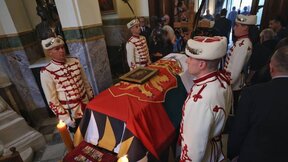
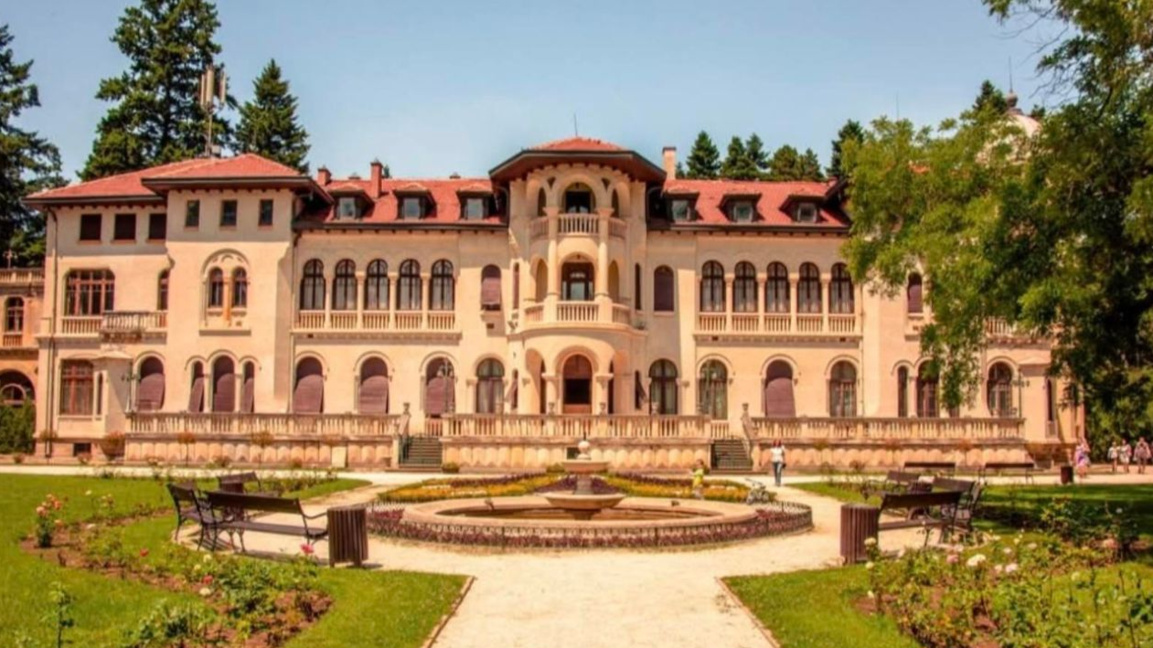
Vrana Royal Palace
PHOTO Ivan Shishiev
Font size
Vrana Palace, located in close proximity to Sofia, was completed in 1912 and is set within a park of nearly 1,000 decares, where hundreds of plant species are growing, some of them protected. It has been one of the favourite residences of the monarchs of the Third Bulgarian Kingdom (1878-1945) - Ferdinand I, Boris III, Simeon II, and his heirs.
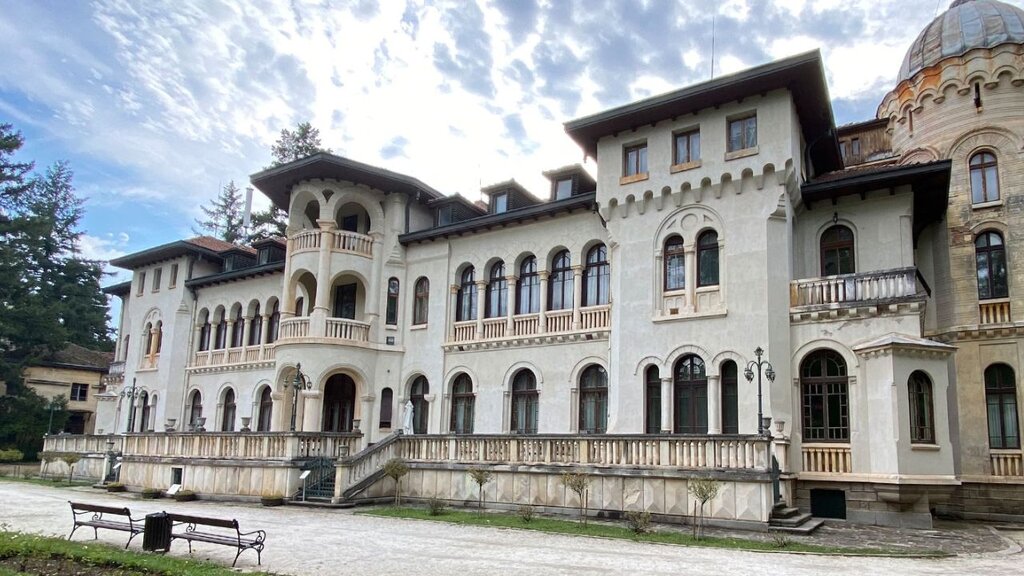
PHOTO dvoretz-vrana.bg
The name of the palace, "Vrana," stems from Tsar Ferdinand’s passion for ornithology and his decision to name it after a bird that once landed on its roof ("vrana" is the Bulgarian for "crow"). The story of this name has been the subject of numerous studies and documentary films over the years.
Since 2010, following the registration of the "Tsar Boris and Tsaritsa Ioanna" Foundation (King Boris and Queen Giovanna Royal Heritage Fund) - a special institution established to research and preserve the historical heritage, artefacts, and memories of the period of the Third Bulgarian Kingdom – extensive restoration work has been underway at the palace. In parallel, the museum collection has been continuously enriched with personal belongings, documents, and books preserved in the residences of Tsar Simeon in Madrid (Spain), Queen Ioanna in Estoril (Portugal), and Princess Maria Louisa near New York (USA).
The collection is housed in the building designed by architect Nikola Lazarov, known as the New Palace. The first building in the Vrana estate - the Old Palace - was designed by architect Georgi Fingov, regarded as a master of Art Nouveau in Bulgarian architecture.
Today, this building is home to Simeon II and his wife Margarita, explained Associate Professor Dr. Ivaylo Shalafoff, director of the "Tsar Boris and Queen Ioanna" Foundation, in an interview with Radio Bulgaria. Together with his team, he is responsible for the preservation of the monarchical heritage gathered in the so-called "Royal Museum."
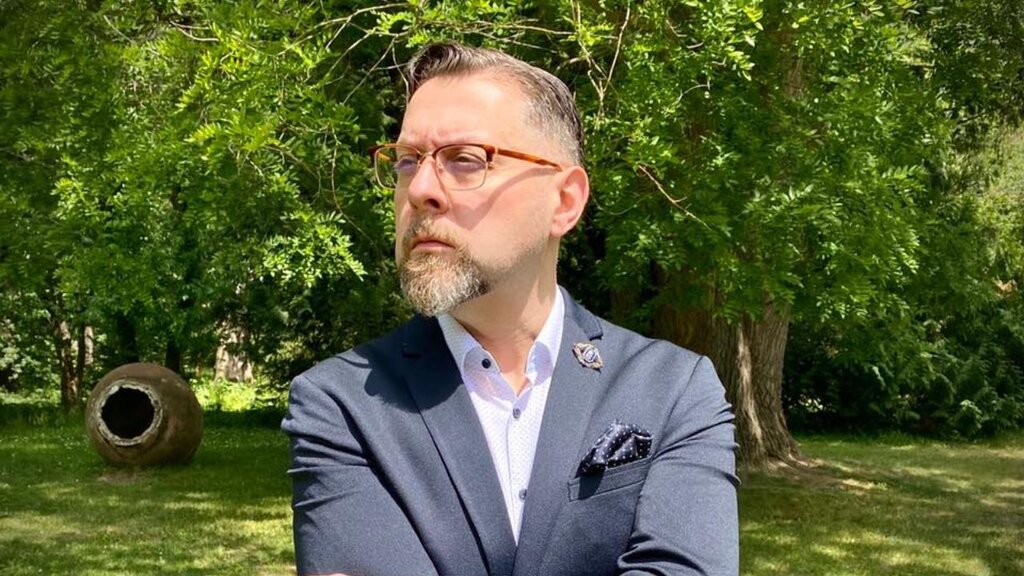
Associate Professor Dr. Ivaylo Shalafoff, director of the King Boris and Queen Giovanna Royal Heritage Fund
PHOTO dvoretz-vrana.bg
Recently, Vrana Palace has begun to welcome visitors. The first floor is accessible to group visits by prior arrangement. The chapel, restored five years ago, is also open to the public:
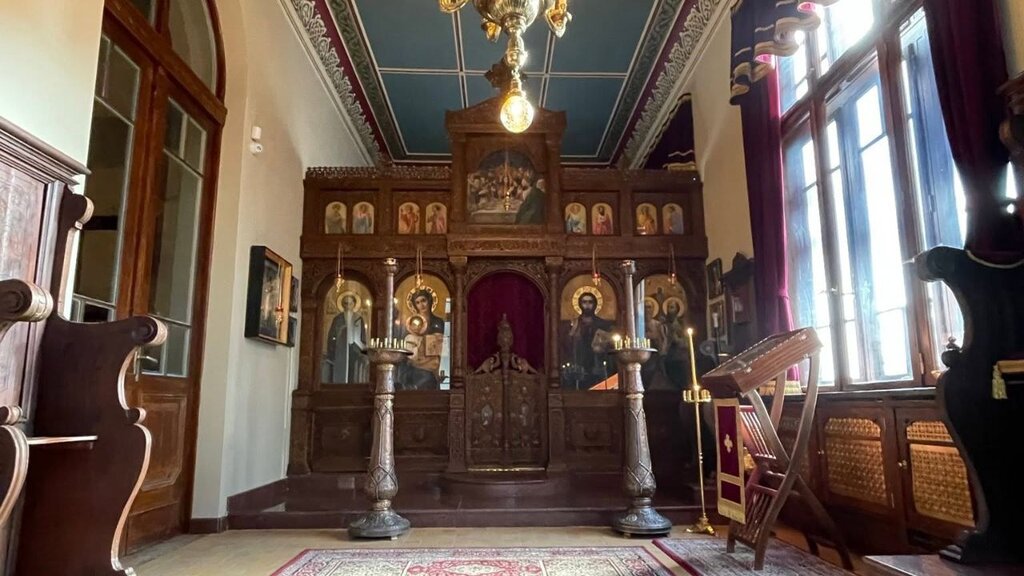
Restoration of the Orthodox chapel “St. Tsar Boris and St. John of Rila the Miracle Worker”, 2021
PHOTO Facebook /Ivaylo Shalafoff
"Our chapel is active, with a priest who cares for it. Baptisms are performed there, meaning that the will of the royal family was for this spiritual heart of Vrana Palace to truly be accessible to worshippers and citizens," Shalafoff explains, highlighting the contribution of Bulgarian Patriarch Neophyte, Metropolitan Nikolay of Plovdiv, and the Holy Synod of the Bulgarian Orthodox Church, who with 'fatherly care' ensured that church relics were returned to the royal family’s home.
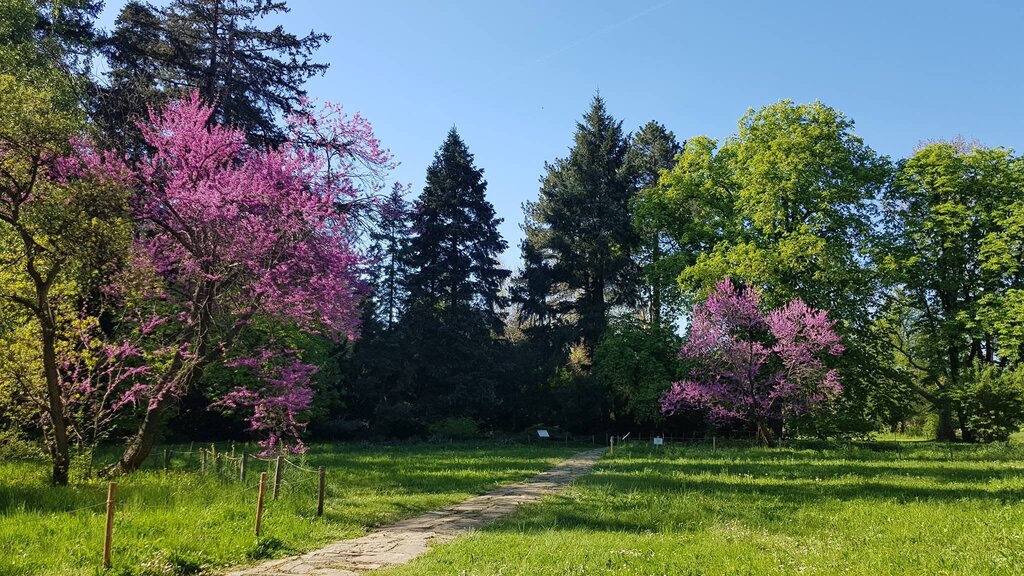
PHOTO Facebook /Vrana Park Museum
Thus, a walk through the shaded alleys of Vrana Park can be enriched by a visit to the royal residence, donated to the Sofia Municipality in 2001 by Simeon Saxe-Coburg-Gotha, on the condition that it be maintained and remain freely accessible to the public.
Intriguing details from the history of the urban paradise of the Bulgarian monarchs
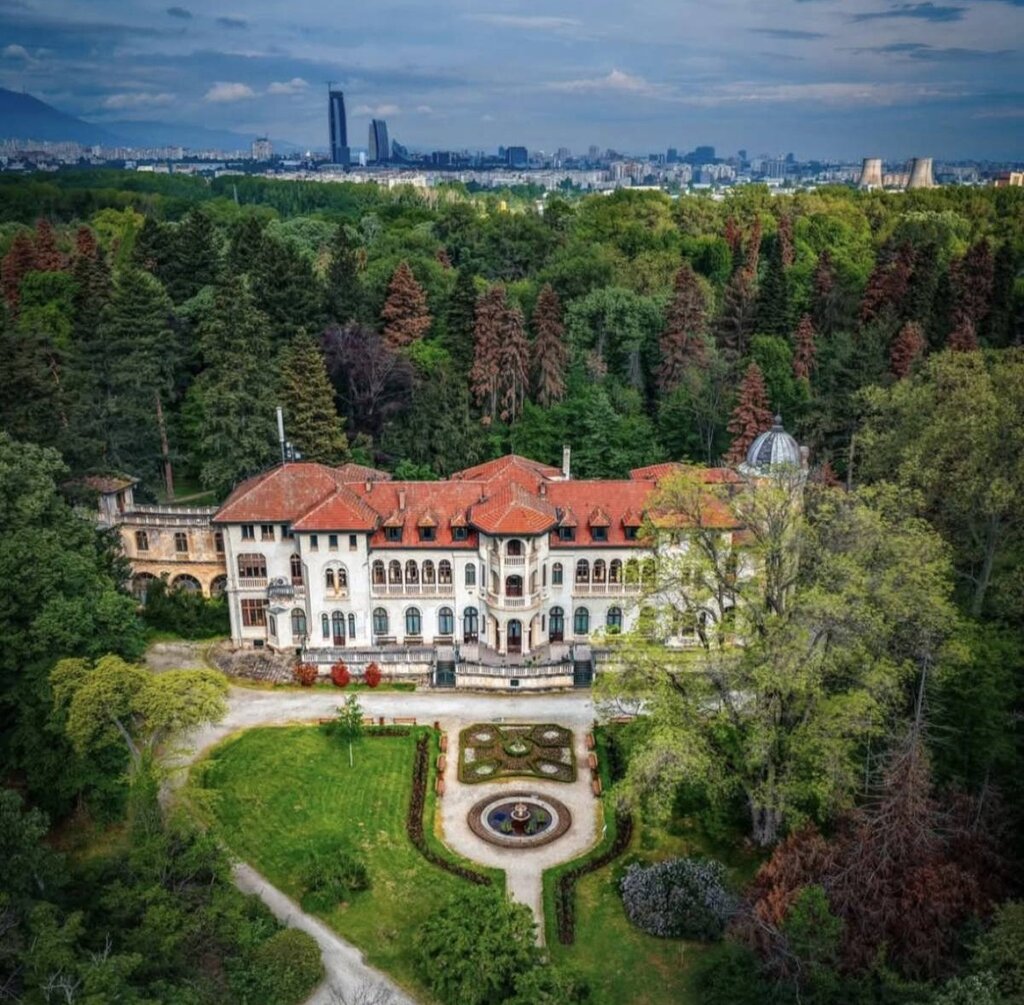
PHOTO Ivan Shishiev
Over the years, numerous myths have accumulated around the properties used by the royal family. With the help of our interlocutor, one of them is clarified - concerning the identity of the real purchaser of the "Chardakliya" estate, which Ferdinand I favoured in 1888 during a trip to Plovdiv.
Stretching between the road to Constantinople, the Iskar River, and the village of Kazichene, the land was originally owned by Osman Pasha, the Ottoman district governor of Sofia. His descendants fled toward Edirne upon hearing that Russian troops were at the gates of Sofia in 1878. A year later, the estate was put up for sale and purchased by Hadji Bone Petrov, a prominent figure of the Bulgarian National Revival who was a prosperous merchant and former associate of national hero Vasil Levski. The property was later again offered at auction.
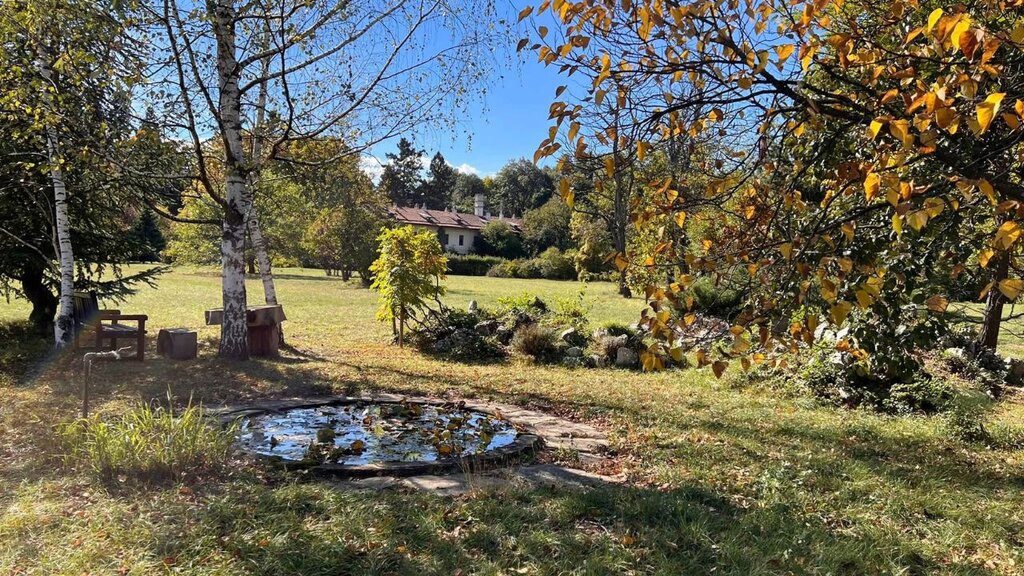
The children's rock garden with the small pond in the park of the Vrana Palace
PHOTO Facebook / Ivaylo Shalafoff
"In 1899, the estate became the final part of the park purchased by Tsar Ferdinand, through his adjutant Captain Nikola Radev. All previous accounts claimed that the property had been bought at public auction by the court pharmacist Dr. Nikola Stranski. However, a detailed investigation in the State Archives revealed a handwritten statement by Nikola Radev. It appears that due to the similarity of their names, Nikola Stranski came to be regarded as the person who acquired the final plot on behalf of the prince, completing the Vrana estate. Naturally, the archives also contain deeds in Stranski’s name, since the monarch could not directly participate in property transactions, and both Stranski and Radev were involved in these legal acts," Shalafoff recounts.
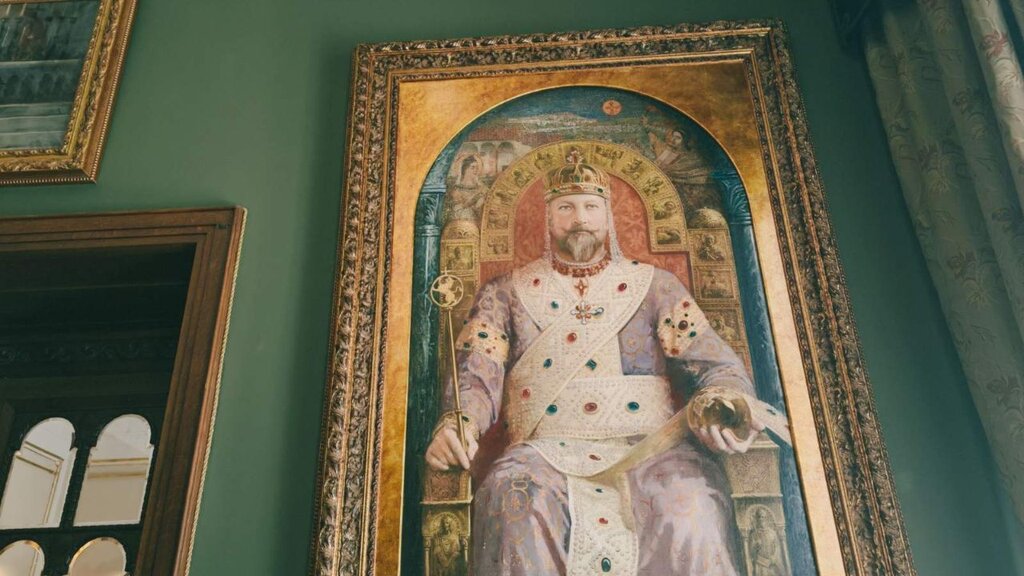
A portrait of Tsar Ferdinand, discovered by chance in a repository at the Holy Synod and donated to the palace.
PHOTO Joan Kolev
The palace and its surrounding park have long been a favourite retreat for the royal family, who used every opportunity to spend time there.
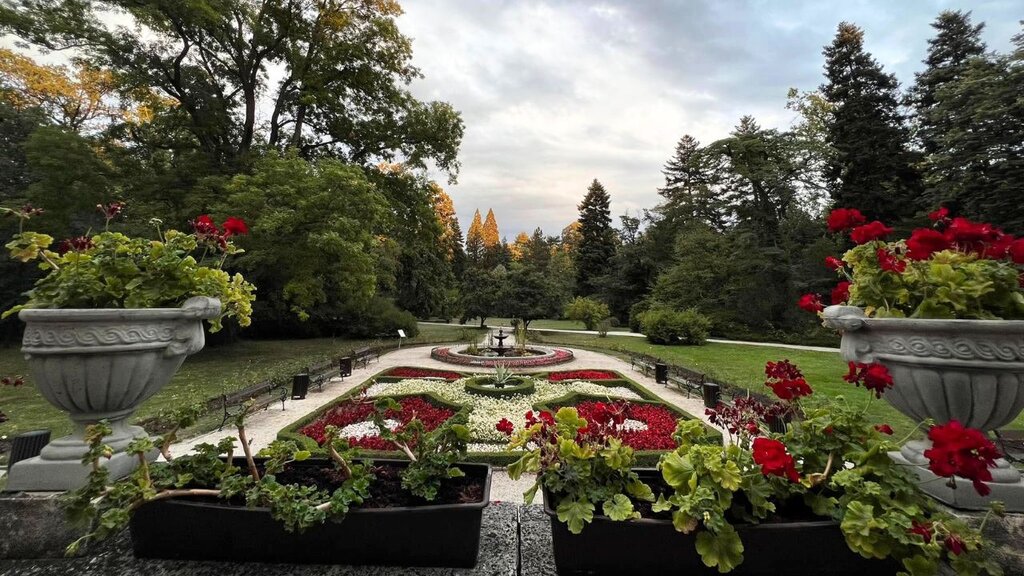
PHOTO Facebook / Ivaylo Shalafoff
"Tsar Ferdinand created this place to embody his botanical, ornithological, and naturalist interests. He naturally had a strong attachment to it, but fate dictated that he would live there for only four years, abdicating on 3 October 1918 following Bulgaria’s defeat in the First World War, and departing into lifelong exile. He was succeeded by his son, Tsar Boris III, who spent the longest time there over the following 25 years," Ivaylo Shalafoff explains.
He also recalls that despite Ferdinand’s dying wish to be buried in Bulgaria, this only became possible officially two years ago, since in 1948 it was unthinkable for him to be returned due to the abolition of the monarchy and the systematic erasure of its symbols by the new regime.
Tsar Ferdinand’s last will to be buried in Bulgaria is now fulfilled
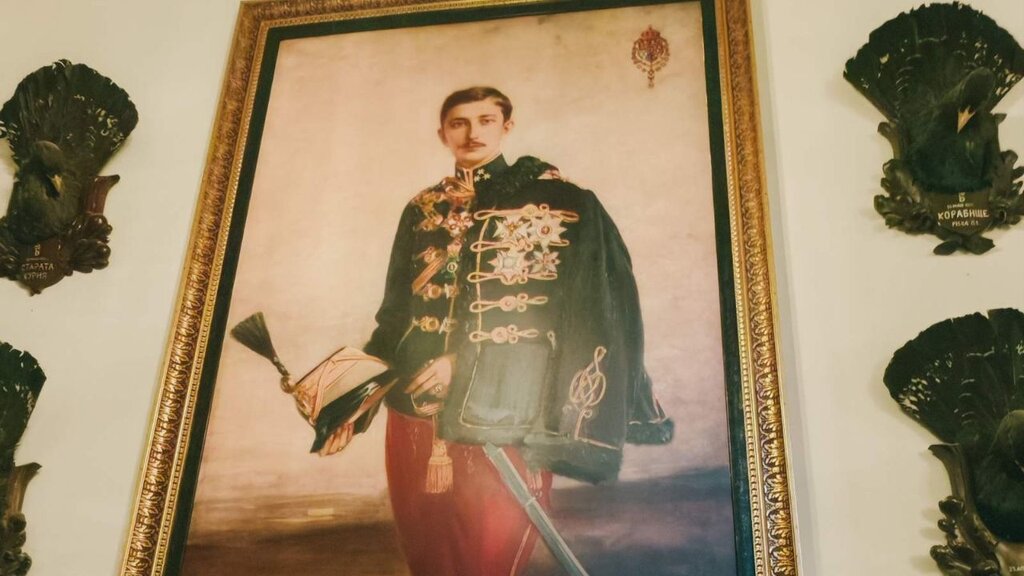
Portrait of Tsar Boris III
PHOTO Joan Kolev
In 1954, by order of the then head of state, Valko Chervenkov, a sacrilegious act was carried out: the grave of Tsar Boris III and the chapel built above it in the palace park were blown up. In this context, Shalafoff shares a story told to him by Todor Kolarov, the estate and park administrator during the socialist period.
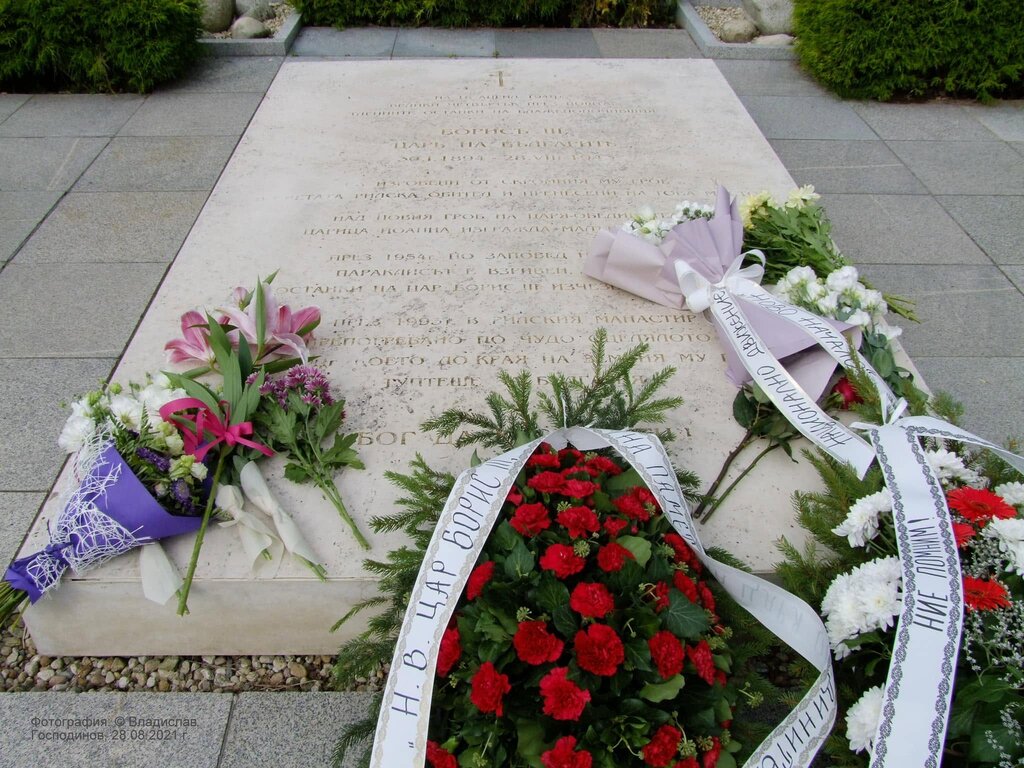
The grave of Tsar Boris III
PHOTO Facebook /Ivaylo Shalafoff
"In 1968, a delegation from the British Parliament visited Bulgaria and Kolarov was tasked with guiding them through the Vrana Park. At one point, one of the members asked him where Tsar Boris’s grave was. The answer, given reluctantly, was that it had been destroyed. The group continued their walk and reached the so-called dog cemetery, where the royal family had buried their pets, which had been preserved. The British visitor turned to Kolarov and said: 'You are a strange people - you preserve the graves of your dogs, but you do not know the grave of your king.'
Even today, when Kolarov recounts this story, his eyes fill with tears, because in the end this is not a matter of political bias but of national dignity and memory, and of the basic human right for anyone to rest in the land where they lived and to which they devoted their life," reflects Shalafoff.
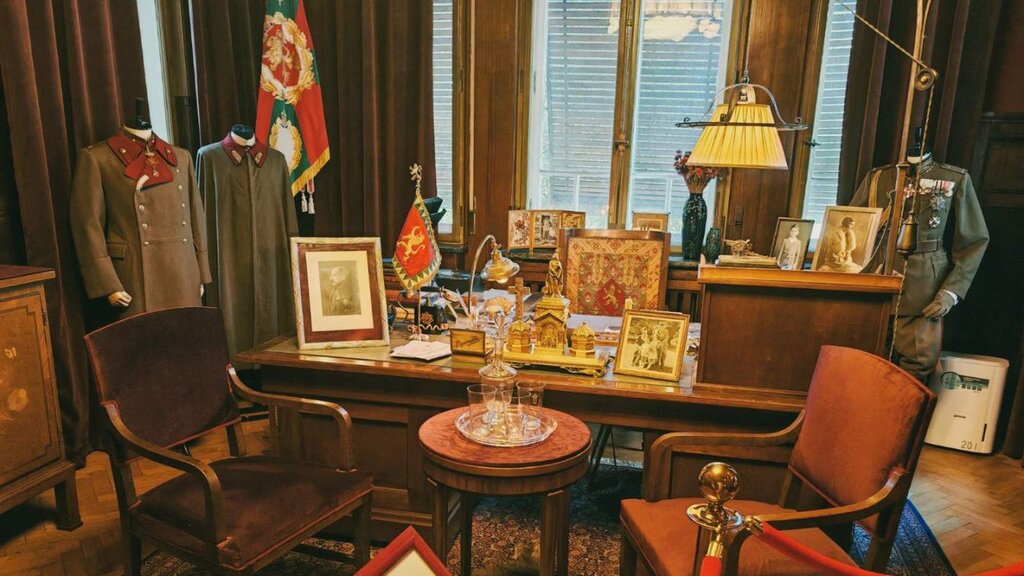
The study of Tsar Boris III
PHOTO Joan Kolev
Returning to the history of the palace, he draws a comparison between the residences of the Bulgarian royal family and those of dynasties in neighbouring Balkan countries.
"In Bulgaria, there is a tradition of referring to everything connected with the royal family as ‘royal.’ When people mention the royal residences ‘Sitnyakovo’ and ‘Saragyol,’ it makes me smile, because these are wooden hunting lodges used during hunting trips or short excursions. When people hear ‘palace,’ they imagine a small Versailles, which is simply not true. Compare Bulgaria’s royal residences with those of the monarchies in Romania and Serbia. They are remarkable palace complexes, and it is to the credit of the communist leaders in those countries that they did not damage or plunder them. We cannot say the same here."
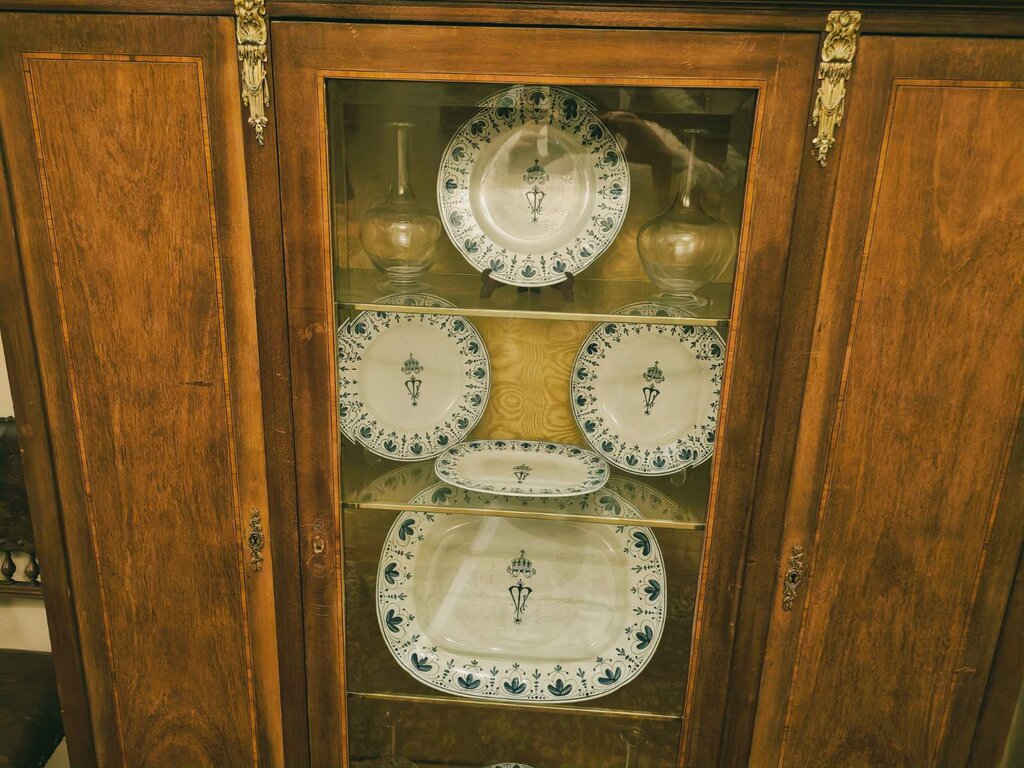
Dinner set with the insignia of Tsar Ferdinand
PHOTO Joan Kolev
As a seat of power, Vrana also served as a residence for the country’s prime ministers in the early years of socialism - Georgi Dimitrov and Vasil Kolarov. Their successors, Valko Chervenkov and Todor Zhivkov, also used parts of the palace for various official events. The building hosted visiting heads of state from neighbouring Balkan countries, as well as Cuban leader Fidel Castro, who on both of his visits insisted on being accommodated there.
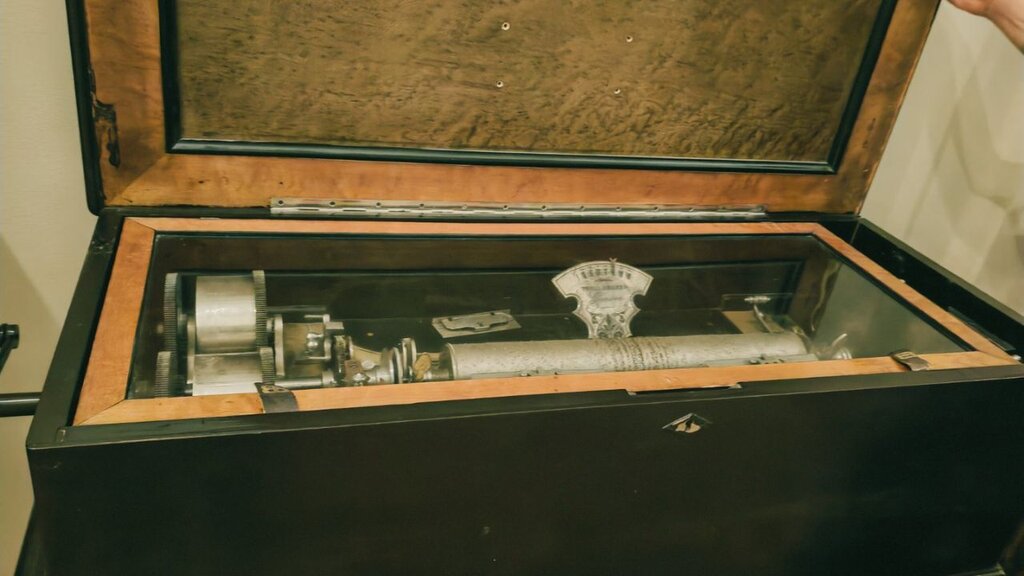
Princess Clémentine's music box (mother of Tsar Ferdinand)
PHOTO Joan Kolev
Much additional information about the fate of the palace over the years, accompanied by archival photographs and documents, has been compiled by Ivaylo Shalafoff in his book "Vrana in the Crown".
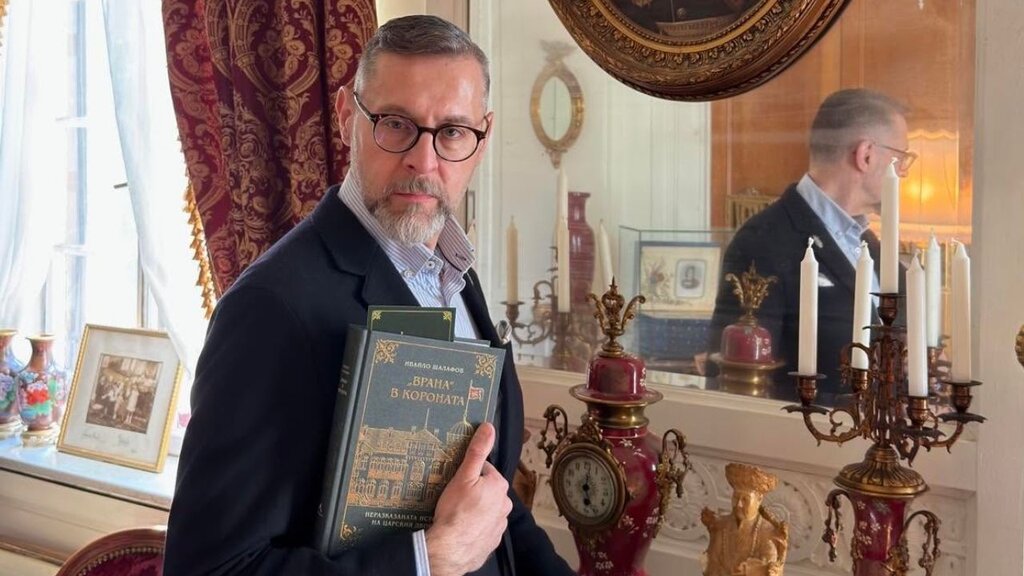
PHOTO Facebook / Ivaylo Shalafoff
"In this book I have gathered everything related to the history of Vrana Palace. It includes unique documents and photographs of the royal family that have never been published before. We approached the black-and-white photographs in an innovative way by digitally colourising some of them. When I opened the old albums, I saw extraordinarily beautiful images of the alleys and the park layout, but a younger reader might only glance at them for a second or two before moving on. In colour, however, the photographs create a completely different impression and have a very different impact on the viewer. I believe, modestly speaking, that the publication has turned out well. It is part of a series dedicated to the Third Bulgarian Kingdom, its rulers, and the social and military life of the period, which we continue to develop and which I consider important for Bulgaria."
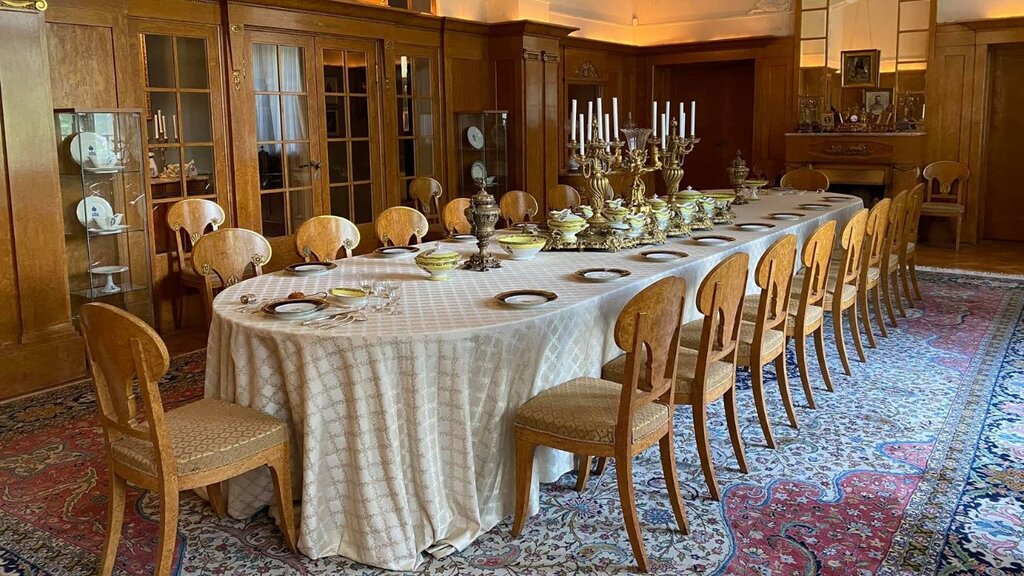
The Karelian Dining Room at the Vrana Palace, gifted in 1912 by Emperor Nicholas II
PHOTO King Boris and Queen Giovanna Royal Heritage Fund
Shalafoff is encouraged by the growing interest in the restoration of the palace’s splendour and significance. He cites its inclusion in a programme of the Ministry of Education and Science dedicated to student excursions and tours, as well as the high assessment of its historical value by members of Bulgaria’s largest tourism industry association, "Future for Tourism."
Read also:
The hunting palace in Krichim is a truly royal destination
Simeon Saxe-Coburg-Gotha: Young and studious Bulgarians are the country's wealth today
Edited by E. Karkalanova
English: R. Petkova