


Author
Maria Stoeva
News
Translating for Europe
Bulgarian interpreter Yoana Stoyanova on the challenges and joys of translation
"I believe in the European Union as a project for peace," says the Bulgarian interpreter
Tuesday 7 July 2026 12:08
Tuesday, 7 July 2026, 12:08
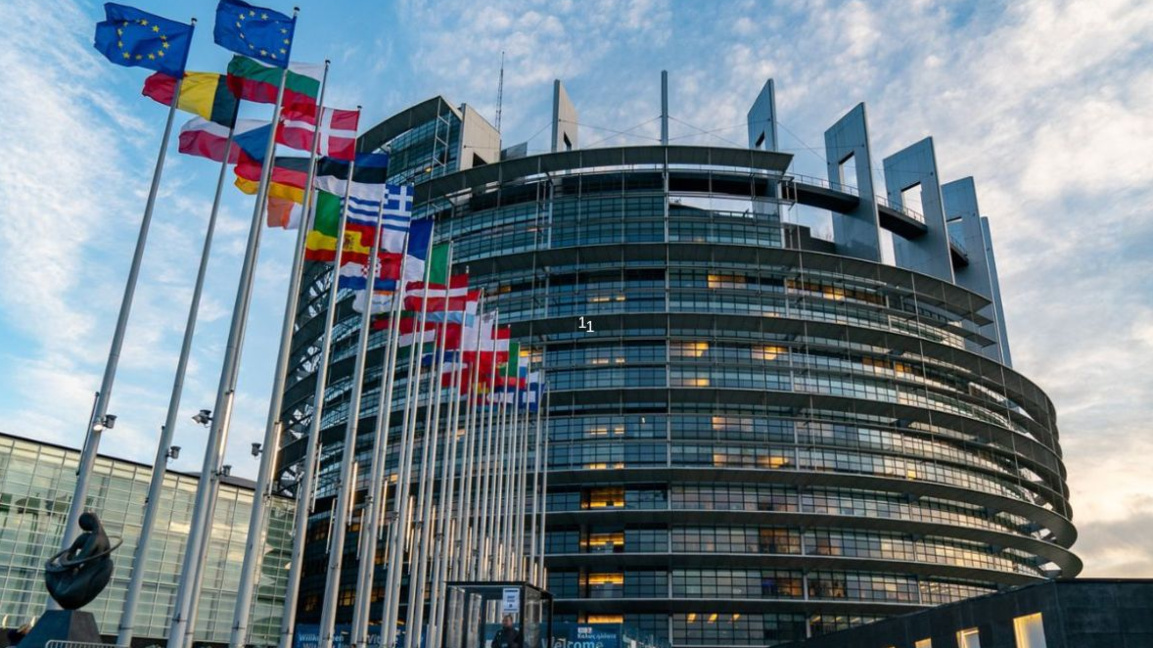
PHOTO European Parliament
Font size
Yoana Stoyanova is an Indologist and an experienced English-Bulgarian translator and interpreter whose impressive career spans both conference interpreting and literary translation. Through her work, she offers a rare glimpse into the Bulgarian interpretation booths at the European Parliament, the Council of the European Union and the European Commission, institutions for which she regularly interprets.
Bulgarian is one of the EU's 24 official languages used during meetings and debates, reflecting Europe's linguistic diversity. Beyond the fascinating theoretical questions surrounding the transfer of meaning from one language to another, our conversation focuses on the practical realities of translation, the distinctive features of its various forms, and the unique rewards and challenges of simultaneous interpreting. Interestingly, simultaneous interpretation in its modern form emerged during the Nuremberg Trials of 1945-46, when interpreters equipped with specialised technical equipment enabled multilingual communication on an unprecedented scale.
What is it like to interpret for the European institutions?
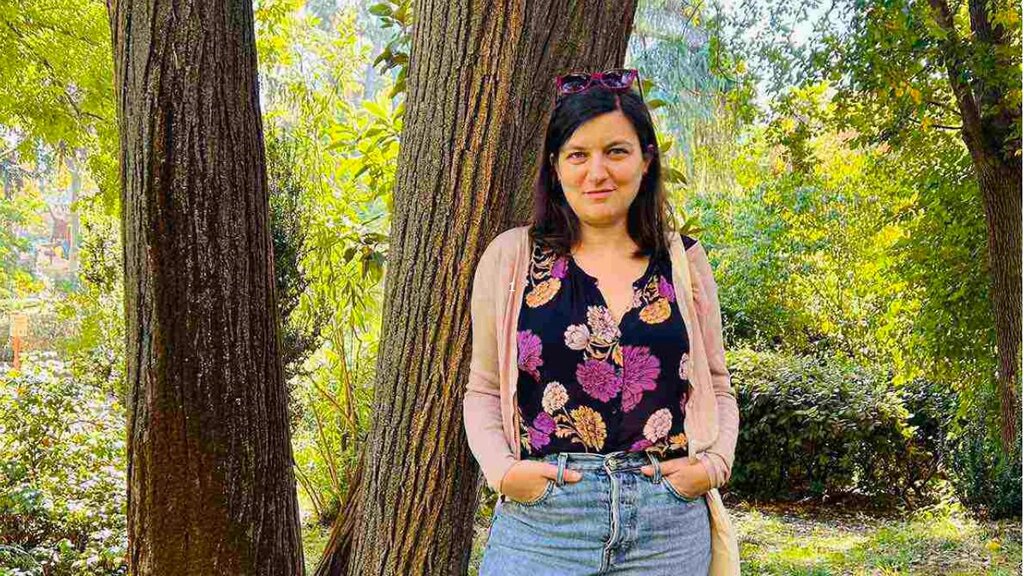
Yoana Stoyanova
PHOTO Private archive
"For me, the greatest advantage is that you become part of the European Union from the inside and you see almost everything firsthand. You immediately gain an understanding of where legislation is heading, the Union's geopolitical direction and the evolution of its values. When I first started interpreting, everything revolved around the Green Deal. Environmental issues, ambitious climate goals and sustainability dominated the agenda. After the war in Ukraine, however, all of that moved into the background, and now defence is at the centre of discussions," Yoana Stoyanova tells Radio Bulgaria.
"For me, it is wonderful to be part of the EU because I truly believe it is an extraordinarily successful peace project that has managed to preserve peace within the Union for decades," she says. According to Stoyanova, working inside the European institutions gives her a direct and realistic understanding of what is happening in Brussels, free from media filters and, at times, lobbying influences.
"Of course, it is also extremely demanding. You have to be prepared for anything, especially in Parliament. You never know where a debate will go or who will decide to speak. Quite often, speakers begin without providing any context at all."
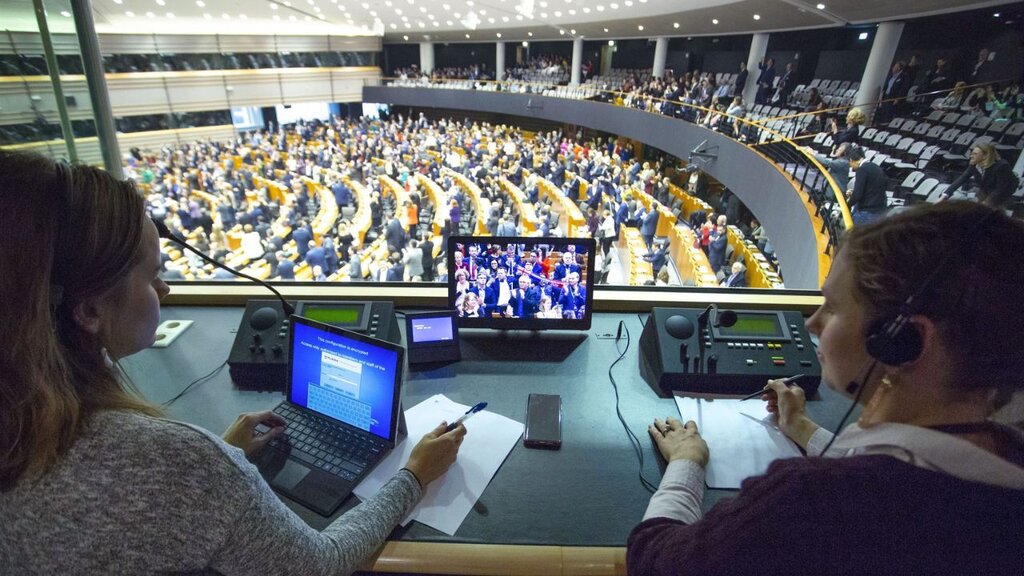
PHOTO brusselstimes.com
Still, experienced interpreters can often anticipate the general direction of a speech based on a country's political or geopolitical stance.
"For example, during an environmental committee meeting, if wetlands or marshland conservation comes up, you can be almost certain that Ireland and the Nordic countries will speak. The others will probably remain silent," she says with a smile.
The challenge of accents and "Brussels English"
One of the greatest difficulties for conference interpreters is the remarkable variety of accents and language proficiency among speakers.
"People speak a particular variety of English often referred to as 'Globish', or in this case, Brussels English. Everyone speaks English at a different level, and they frequently translate expressions from their own language literally into English. Sometimes these expressions become established and everyone understands them. But in many cases, the expression is completely new," she explains.
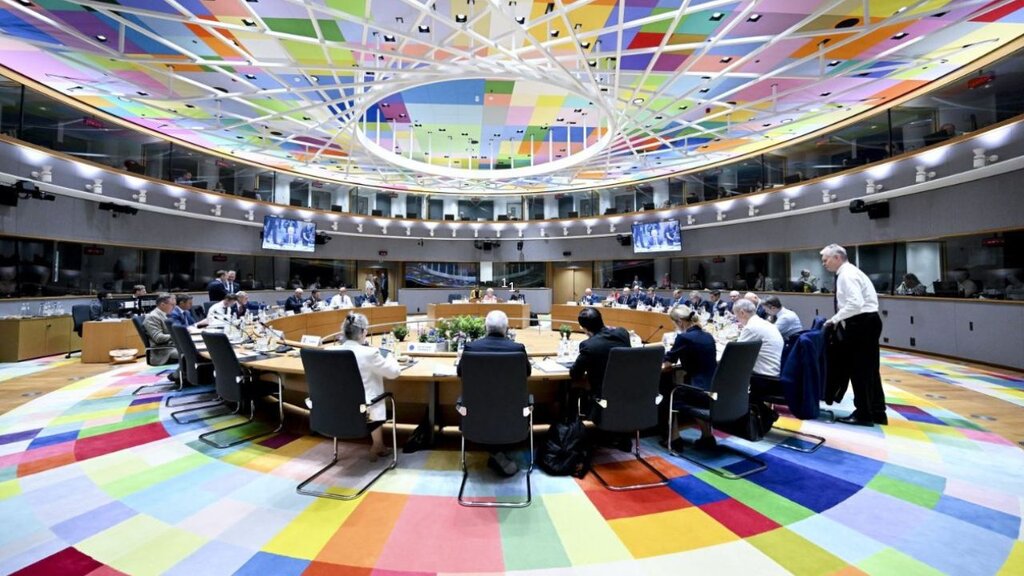
PHOTO Council of the European Union
Interpreting also varies significantly depending on the European institution.
"In the Council's working groups, discussions become highly technical. You may spend an entire day working through just a few articles of a proposed regulation. That means the same terminology is repeated over and over again, which actually makes the interpreter's job easier. Parliament is completely different. It's unpredictable. Members speak in much more colourful language because they want to persuade and influence their audience. Speech is far more performative, much more forceful, and that requires considerably greater creativity in Bulgarian as well. There is often strong language, arguments and even insults. The contrast is substantial.
According to Stoyanova, conference interpreting and written translation are fundamentally different professions requiring very different skills.
"Conference interpreting is like written translation in its most extreme form," she says. "When translating a written text, you have the luxury of refining it for hours or even days. In simultaneous interpreting, it has to be right the very first time and immediately usable. And if, on top of that, it also turns out to be elegant, the feeling is simply incredible."
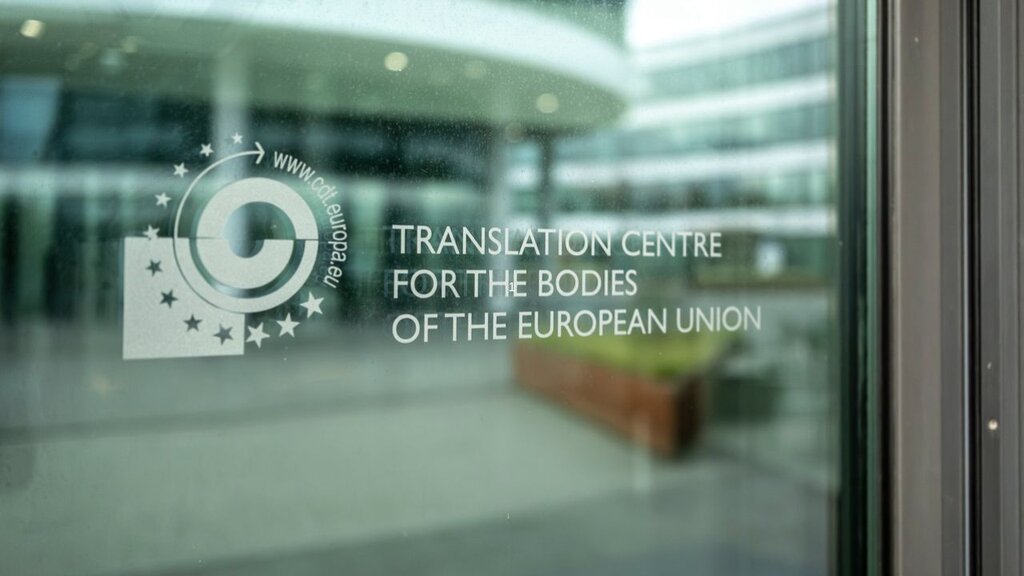
PHOTO paperjam.lu
Why AI cannot replace human translators
Stoyanova is convinced that artificial intelligence cannot replace human translators because machine translation essentially substitutes one sequence of words for another based on statistical probability, whereas human translation involves understanding, interpreting and then recreating meaning in another language.
"Artificial intelligence, or artificial reasoning, still cannot think," Yoana Stoyanova says.
"Automation cannot replace language professionals because language is alive. It changes constantly. It adapts to the needs of the moment, to each communicative situation and every individual text. It evolves alongside culture, attitudes and ways of thinking. It is influenced by other languages, by subcultures and by countless social factors. Human intervention is indispensable because people live in this world, experience these influences personally and naturally incorporate them into their own speech. We should not give in to the growing perception that translators and editors are no longer necessary."
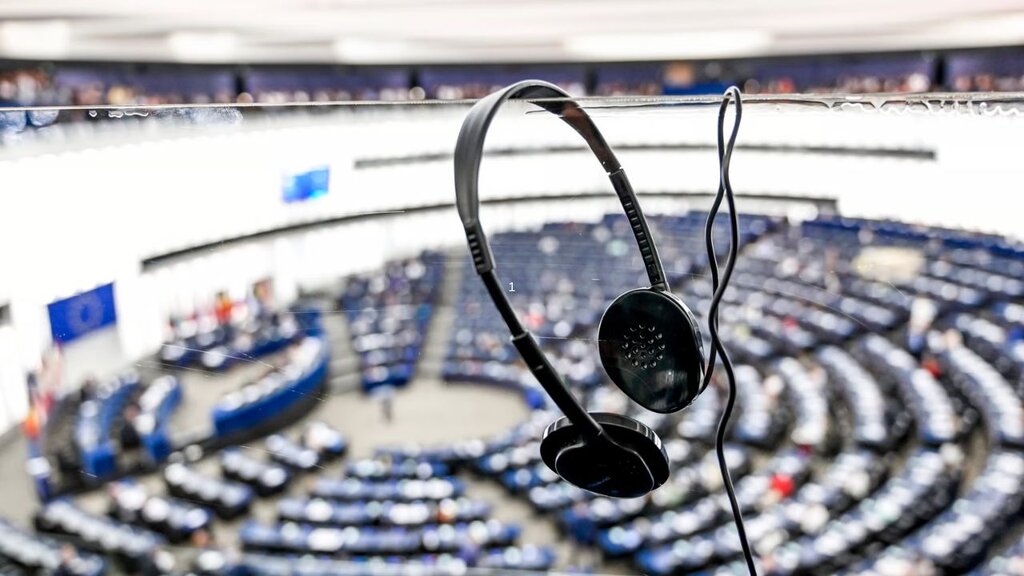
PHOTO EU
She argues that translation itself shapes language and influences how people communicate through literature and other cultural products.
"Today we consume English-language texts, media and speech directly. As a result, many people who are not translators import English expressions and translate them literally into Bulgarian. Bulgarian increasingly begins to sound fragmented, unnatural and even difficult to understand across generations. Poor translation contributes to declining language culture and ultimately impoverishes the language itself. And that leads to poorer communication and even more limited thinking because, in the end, we think through words and sentences. The poorer and less expressive our language becomes, the more limited our ability to think and express ourselves will be."
Edited by E. Karkalanova
English: R. Petkova