Author
Gergana Mancheva
News
Bulgarian traces in Argentina
Sonia Ivanoff: 50 stories of Bulgarian descendants in Comodoro Rivadavia
Tuesday 7 July 2026 20:00
Tuesday, 7 July 2026, 20:00

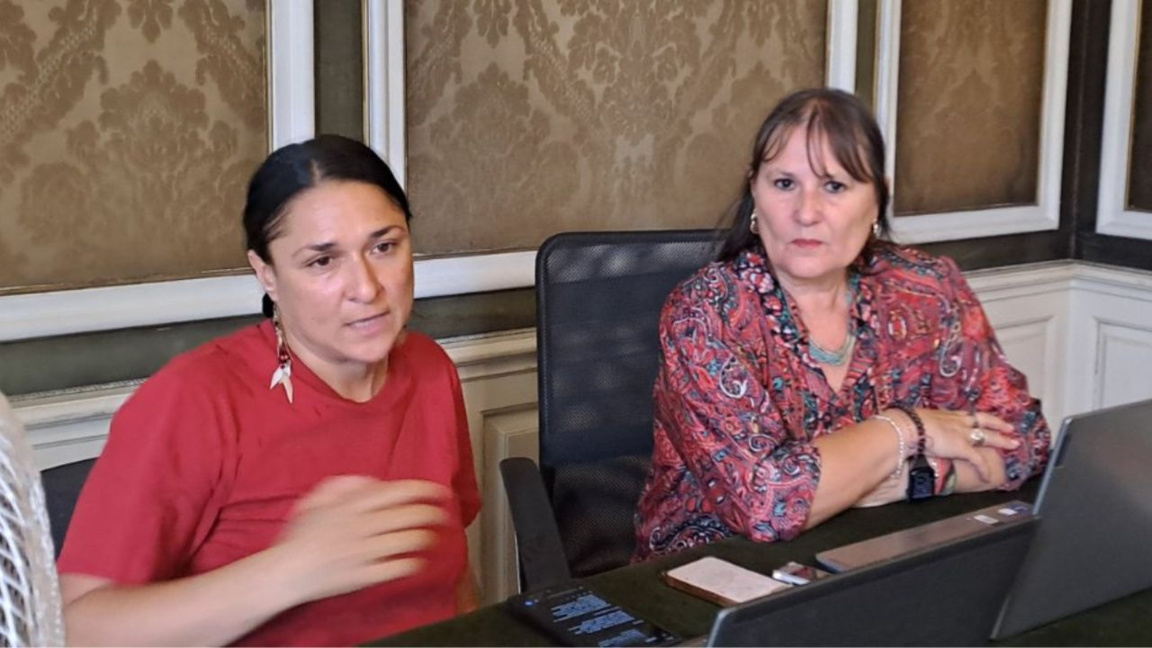
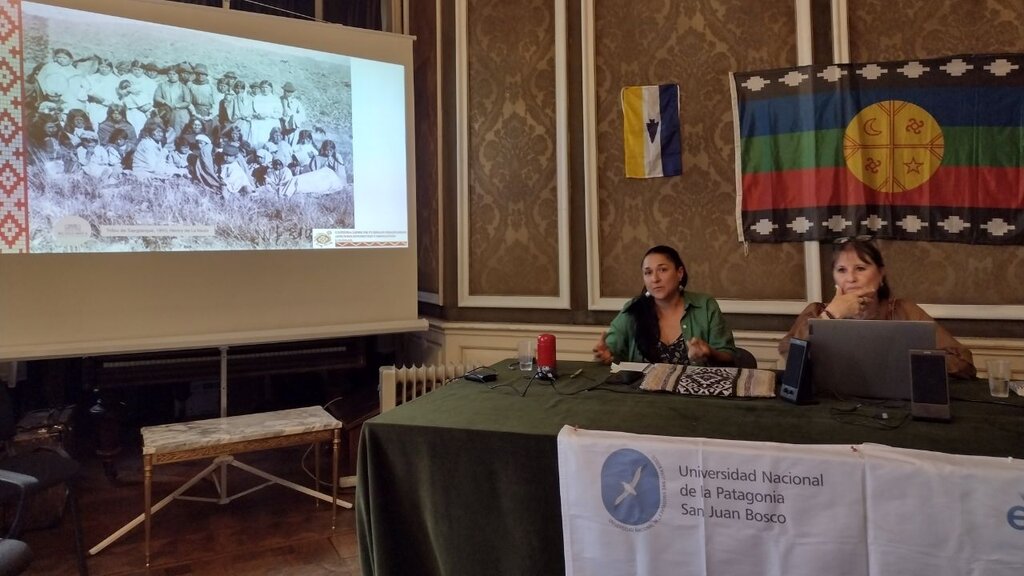
Sonia Ivanoff (left)
PHOTO Gergana Mancheva
Font size
Lawyer, history lecturer at the National University of San Juan Bosco in Patagonia (a region in southern Argentina), specialist in social policy and Doctor of Humanities, Dr. Sonia Liliana Ivanoff has built an impressive academic career. She was born in Argentina, in the city that is home to the largest community of descendants of Bulgarian emigrants in South America. They settled there during the first half of the 20th century. It is only fitting that a scholar of her stature should devote herself to researching the history of Bulgarian emigration to the southernmost part of the world ever reached by our compatriots.
Dr. Ivanoff herself is the granddaughter of a Bulgarian immigrant who travelled to Argentina together with dozens of compatriots to work in the country's emerging oil industry. Although the passing of time has faded many family memories, she has remained determined to preserve her connection with Bulgaria. Over the years she has returned to her ancestral homeland not only to search for relatives of the emigrants, but also as a researcher and author of scholarly works dedicated to the Bulgarian community in southern Argentina.
Her book on the subject, The Bulgarians in Comodoro Rivadavia, was published in Argentina as early as 1993. Since then, she has visited Bulgaria only three times, each visit motivated by her search for relatives and descendants of the Bulgarian emigrants.
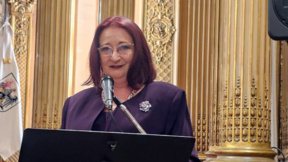
Dr. Sonia Ivanovv at the Bulgarian Academy of Scienes in May 2026
PHOTO sbj-bg.eu
At present, Dr. Sonia Ivanoff is once again in her forefathers' homeland. As a fellow under the National Scientific Programme Development and Promotion of Bulgarian Studies Abroad at the Institute of Ethnology and Folklore Studies with Ethnographic Museum of the Bulgarian Academy of Sciences, she was invited to deliver a lecture in Sofia entitled "Memory Across Distance: Bulgarian Migration to Comodoro Rivadavia (Argentina) in Family Narratives, Postcards and Photographs".
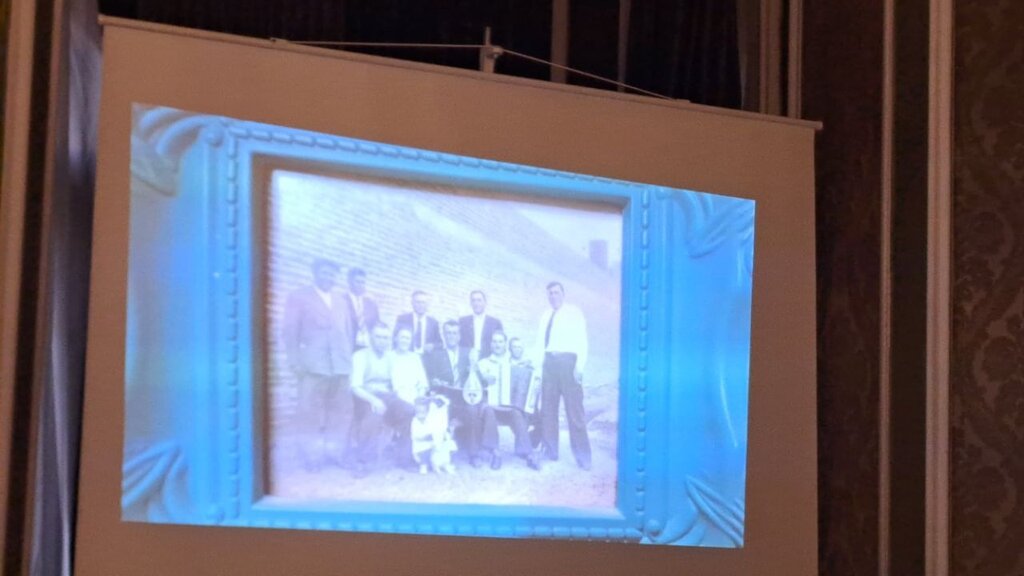
PHOTO Gergana Mancheva
To outline the dimensions of this migration process, which developed most rapidly between 1906 and 1958, Sonia Ivanoff relies on oral testimonies from descendants and relatives of Bulgarians who emigrated to Argentina. She also draws information from postcards and photographs collected both in the emigrants' native places in Bulgaria and in the regions of Argentina where their descendants live. Piece by piece, she reconstructs the story of Bulgarian emigration to South America.
"The journey of Bulgarian men and women to the oil companies of Comodoro Rivadavia (Argentina) forms a distinct chapter in the social, cultural and economic history both of several Bulgarian towns and villages and of southern Argentina. Rather than being a random movement of people, this migration developed into a specific form of chain migration, united by the common goal of seeking a better livelihood before eventually settling permanently in Argentina," summarizes the researcher from the university in Patagonia.
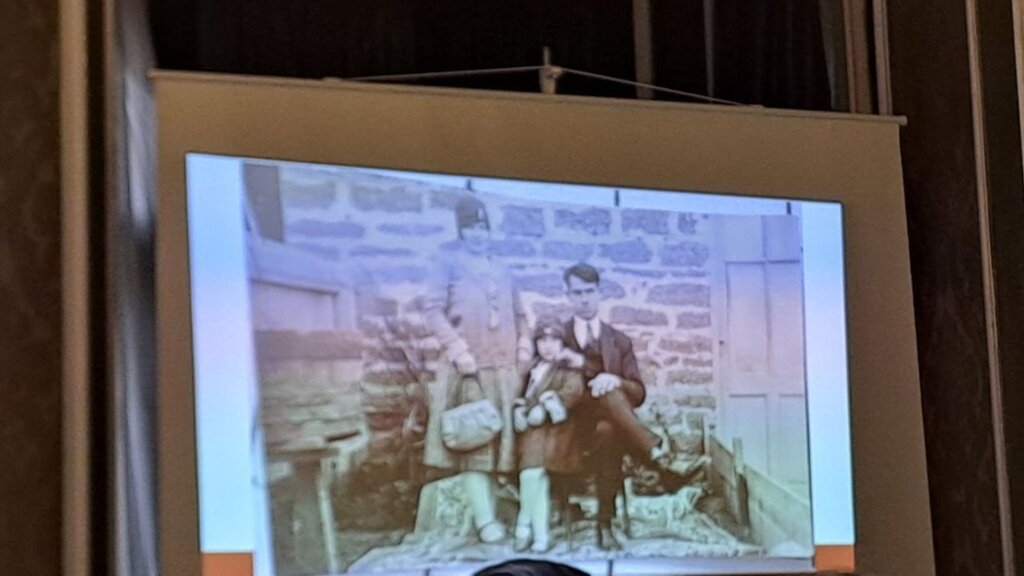
PHOTO Gergana Mancheva
Dr. Sonia Ivanoff points out that photographs, postcards and other images from Argentina occupy an important place in family memory. Through them, relatives in Bulgaria formed an idea of the living and working conditions of their family members abroad.
For example, she came across a postcard on which a Bulgarian named Dosho Dimitrov recounts that, at the age of 17, he decided to emigrate to Argentina after his uncle, who lived in Rosario, temporarily returned to Bulgaria.
Another Bulgarian emigrant, Boris Hristov, describes his arrival in Buenos Aires in 1926 in the following words:
"I turned 18 in Buenos Aires. I worked in refrigerated warehouses. Ten Bulgarians gathered together with the intention of going south to work on the construction of the railway. Gradually the group broke up. I arrived at a railway station without knowing where I was or how to buy a ticket. I met several compatriots, but I failed to get off the train with them and got off at the next station instead. I walked back looking for them. I returned to Buenos Aires. That is how I eventually left for Comodoro Rivadavia."
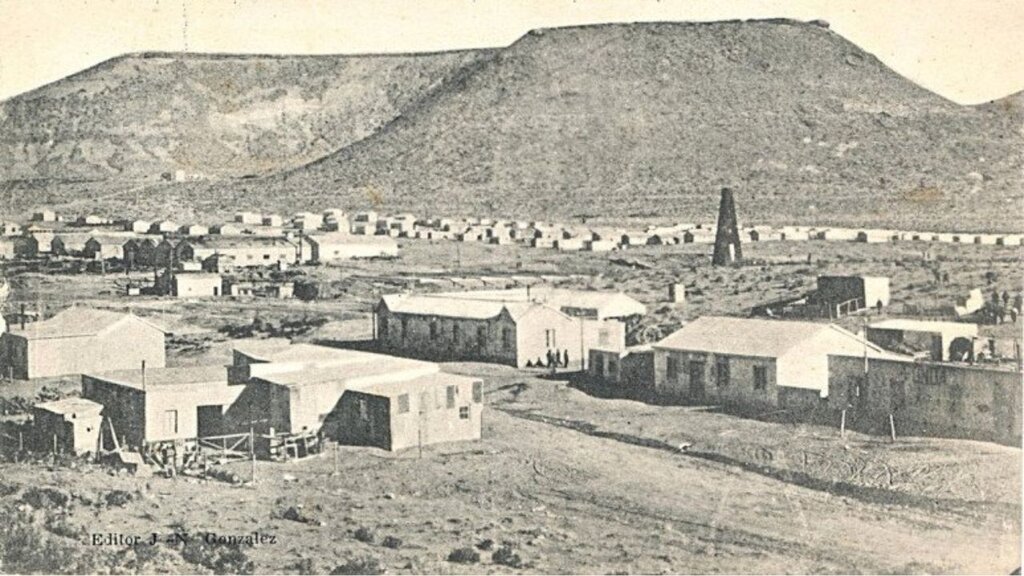
Comodoro Rivadavia in 1901
PHOTO serargentino.com
According to Dr. Sonia Ivanoff, the city of Comodoro Rivadavia was founded in 1901, while oil was discovered there in 1907. The first Bulgarians arrived in the region shortly after the discovery of the oil fields. At that time, the city was still under construction and did not even have a port. The journey from Europe to Argentina took more than 25 days.
By the middle of the 20th century, hundreds of Bulgarians from the town of Popovo and the nearby villages of Sadina and Palamartsa in northeastern Bulgaria had emigrated to Comodoro Rivadavia. At the Ethnographic Institute in Sofia, Dr. Ivanoff presented the results of 50 interviews she conducted with descendants and relatives of these emigrants in Bulgaria. An interesting fact is that none of them has ever visited their relatives, or their descendants, in Argentina.
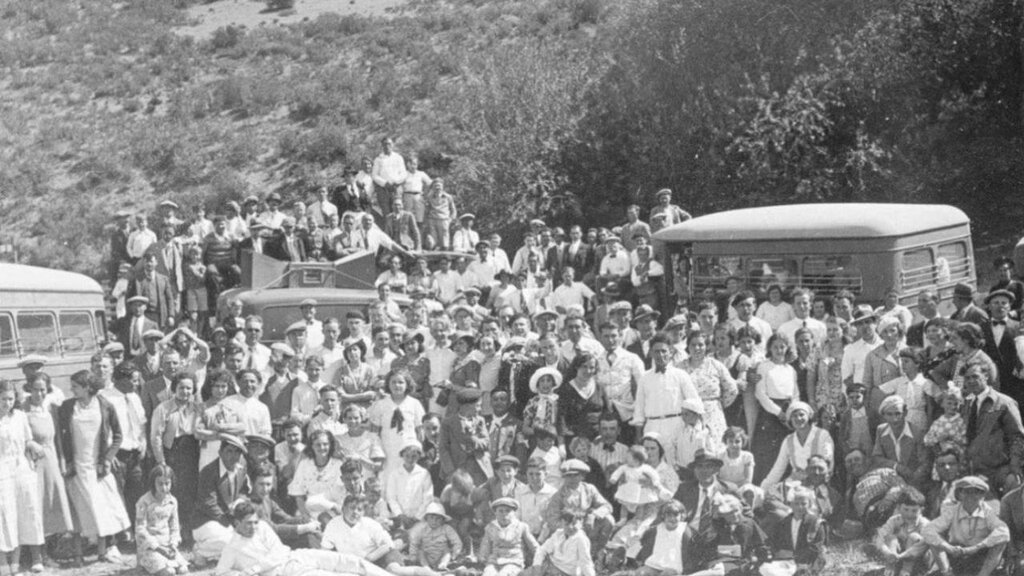
PHOTO diariocronica.com.ar
For those who remained in Bulgaria, Argentina came to symbolize many different things: the absence of a loved one, hope for eventual return, dreams of economic prosperity, news of a relative's death, and efforts to preserve Bulgarian cultural traditions abroad.
"Looking from the perspective of the Bulgarian families searching for answers about the history of the 'city of oil' (as Comodoro Rivadavia was called) their memories are shaped by the tensions surrounding return migration and by the uncertainty over the fate of those who left never to come back," Dr. Ivanoff writes in her research.
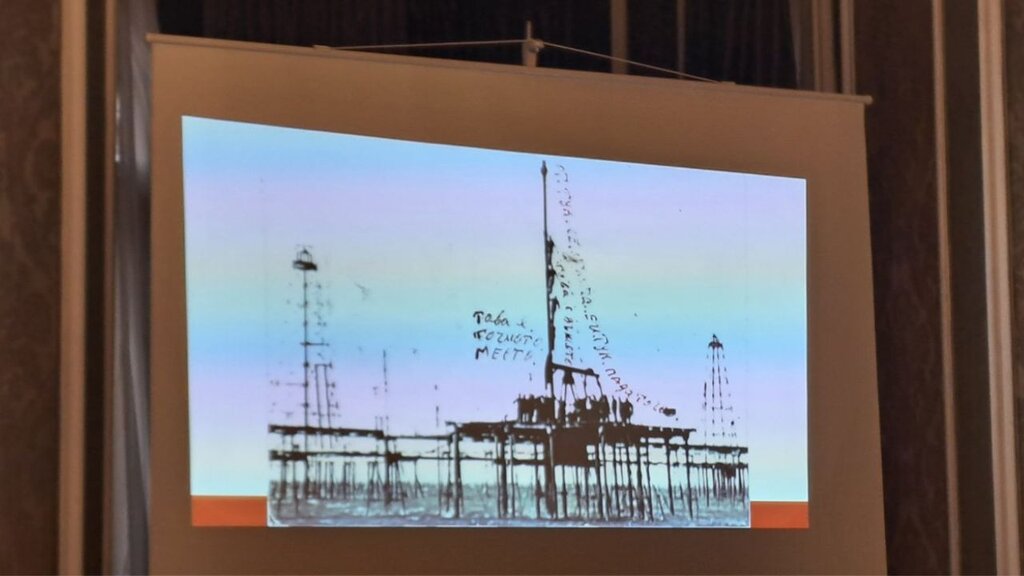
PHOTO Gergana Mancheva
Until the mid-1930s, most Bulgarian migrants were men employed on the oil fields. Many eventually returned to Bulgaria with their savings. After 1930, however, some emigrated once again, this time accompanied by their wives and children, laying the foundations of today's Bulgarian community in Argentina.
Recovering family histories has not been easy.
"It is difficult because over time we lose our family names," Dr. Ivanoff explains, illustrating this with her own story. "My grandfather was Milan Ivanov. He belonged to a generation of migrants who often returned home with very little. He managed to sell a cow to pay for his journey back to Bulgaria, and the only valuable item he bought with his savings was a radio."
She also discovered that her grandfather had a twin brother, Milenko, who returned permanently to Bulgaria and settled in Dimitrovgrad.
"During this, my third visit to Bulgaria, I will meet his great-granddaughter Darina for the first time. When I came here in 2000 with my parents, we managed to reconnect with part of the family. Today, the Bulgarian community in Argentina consists mainly of grandchildren and great-grandchildren of those early emigrants. It is our generation that is trying to reconstruct our family histories from the memories preserved within our families."
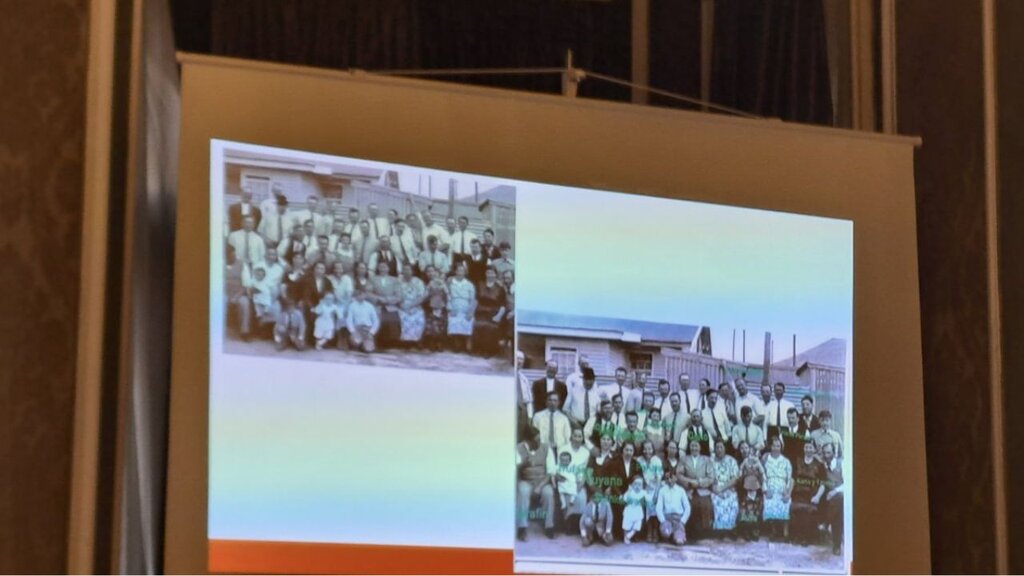
PHOTO Gergana Mancheva
Like many immigrant communities, Bulgarians in Argentina established their own associations early on. What they lacked, however, were Bulgarian schools and healthcare institutions. Many of the Bulgarian men who emigrated alone eventually married women from other ethnic backgrounds.
"Yet one fascinating detail remained constant," Dr. Ivanoff says with a smile. "Every household still made traditional Bulgarian banitsa."
Today, Comodoro Rivadavia has a population of around 400,000, while the local Bulgarian community numbers approximately 1,200 to 1,300 people, most of them descendants of the first emigrants.
"There is only one 'pure' Bulgarian born in Bulgaria who belongs to the community," Dr. Ivanoff explains. "She was born in 1958 and arrived in Argentina at the age of two. Today she serves as president of the Bulgarian association Saints Cyril and Methodius in Comodoro."
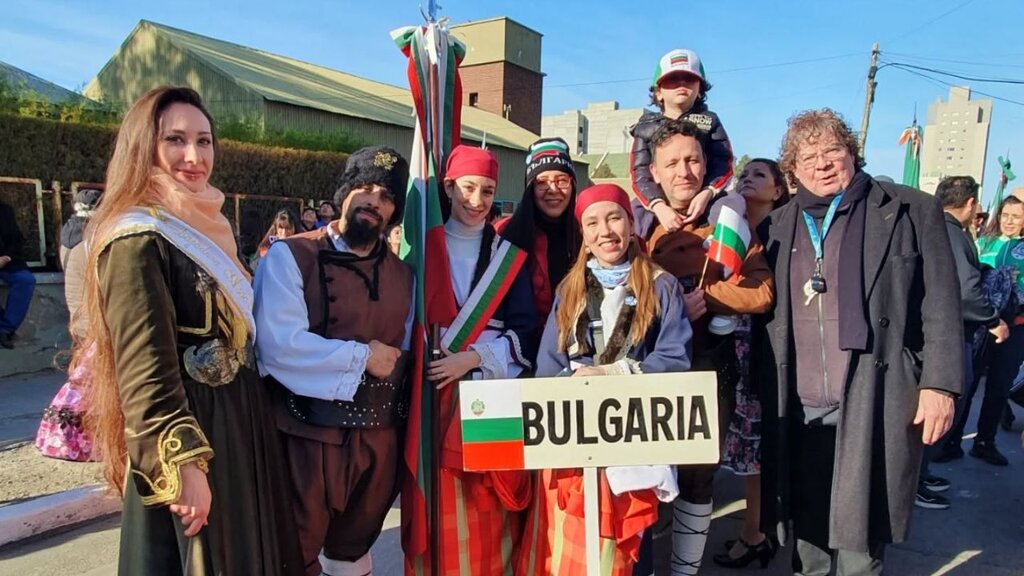
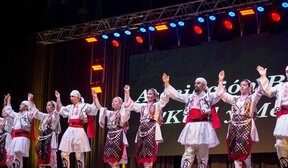
PHOTO Facebook / Bulgarian Cultural Association "Ivan Vazov"
She emphasizes one particularly remarkable fact:
"This is the southernmost Bulgarian community anywhere in the world. The first Bulgarians arrived in 1906 and became part of the city's very foundation. Historical records show that many were engaged not only in the oil industry but also in agriculture, livestock farming and identifying suitable locations for a port. Many of their descendants continue working in these fields or in the service sector today."
"There is still much work to be done to document the stories of those Bulgarians who never worked in the oil industry, but instead bought land and became farmers. Even today, Bulgarians remain a very active community in the city. Many have achieved professional success, and each of us plays a visible role in local society," Dr. Sonia Ivanoff concludes.
Edited by E. Karkalanova
English: R. Petkova