


Author
Tsvetana Toncheva
Interview
Marta Petkova: The discipline of excellence
"Bulgarian ballet should be written about, talked about—and we should be raising a storm over it," says Marta Petkova, artistic director of the Sofia Opera Ballet and a defining figure of Bulgarian ballet
Thursday 9 July 2026 21:18
Thursday, 9 July 2026, 21:18
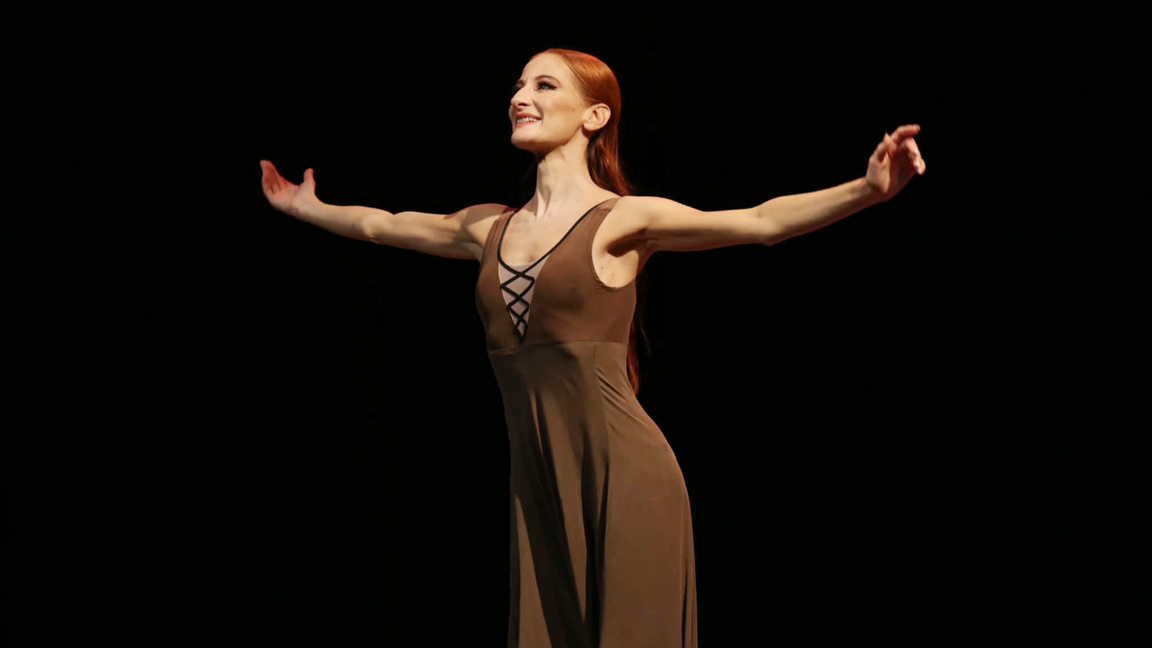
PHOTO Personal archive of Marta petkova
Font size
For the past four seasons, Marta Petkova has combined two demanding roles: prima ballerina and artistic director of the Sofia Opera Ballet.
Born in Sofia, she earned a place at the National School of Dance at the age of nine. Four years later, she was already reaching the finals of international ballet competitions in Estonia and Luxembourg. At 14, she received an offer to study at the prestigious Kirov Academy of Ballet in Washington, D.C.
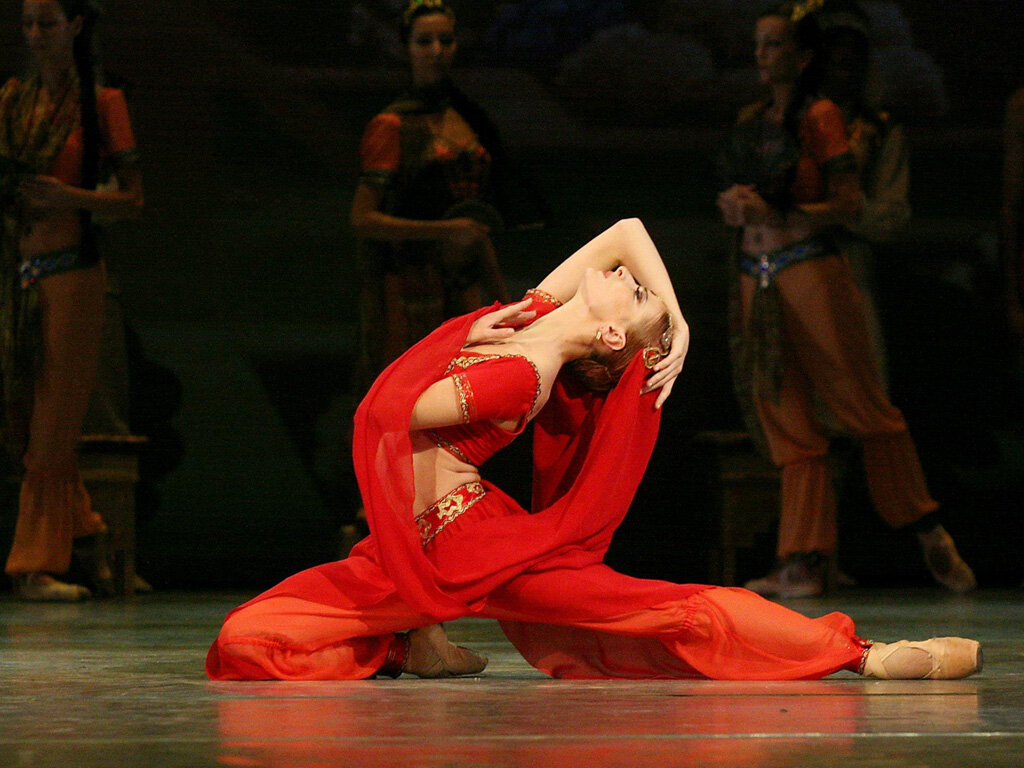
PHOTO BNR
Petkova joined the Sofia Opera and Ballet in 2002 after winning the Grand Prix at the International Ballet Festival in Fivizzano, Italy. Having performed with the company since the age of 16, she was named prima ballerina in 2007. Her repertoire spans some of classical ballet's most demanding roles, including The Nutcracker, Giselle, Don Quixote, The Goat Horn, Swan Lake, La Bayadère, The Sleeping Beauty, La Sylphide, Le Corsaire, Paquita and The Firebird. Over the past two decades, she has appeared as a guest artist on stages across Europe and beyond, earning acclaim in cities ranging from Moscow and Oslo to Palermo, Abu Dhabi and Dubai. She has shared the stage with internationally celebrated dancers including Vadim Muntagirov, Denis Rodkin and Svetlana Zakharova. A two-time recipient of Bulgaria's prestigious Crystal Lyre Award, she was honoured for her performance in Swan Lake and later for her outstanding contribution to the art of ballet.
Our conversation begins with congratulations. Just a week earlier, Petkova had become one of the first recipients of the newly established Thracian Classical Music Awards, founded by Bulgaria's celebrated soprano Sonya Yoncheva.
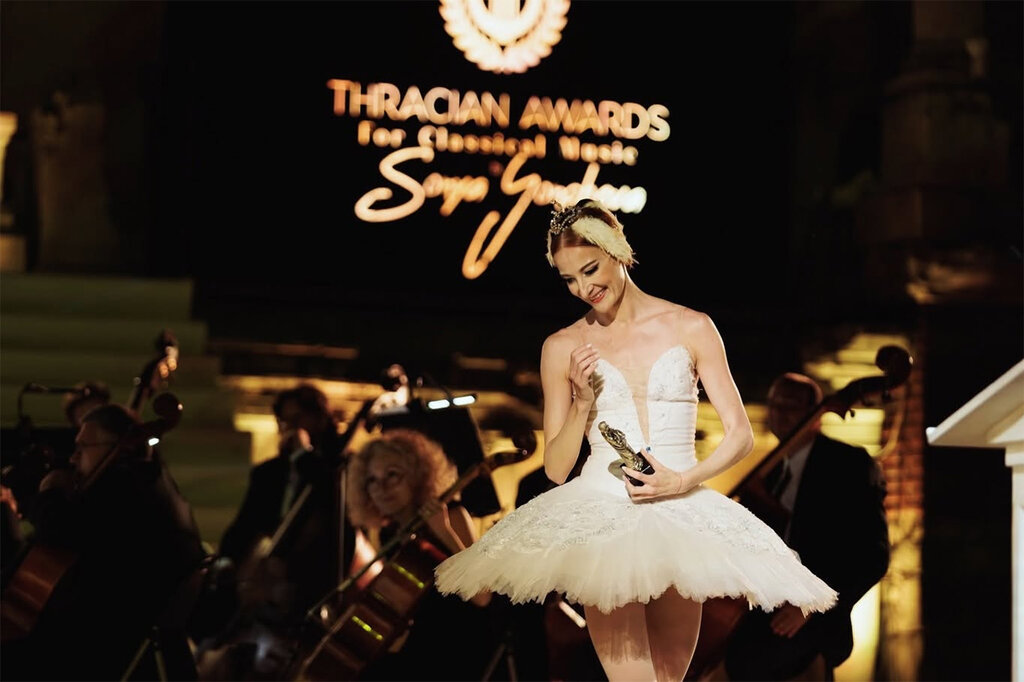
PHOTO Personal archive of Marta petkova
"It's always wonderful when your work is recognised—especially by someone like Sonya Yoncheva. It was an enormous privilege to share the stage with her, and the entire event was beautifully organised and deeply meaningful."
Born in January under the sign of Capricorn, with earth as her astrological element, does she recognise herself in the classic Capricorn traits?
"If you ask the people closest to me, they'll tell you I'm a textbook Capricorn," Petkova laughs, her delicate, almost ethereal appearance at odds with the answer. "Absolutely earth. I'm a very grounded person and an extreme workaholic, which has both its advantages and disadvantages. Work has always been my focus. Not because I wanted to make someone else happy or make my family proud, but because I believed it had to be done as perfectly as possible."
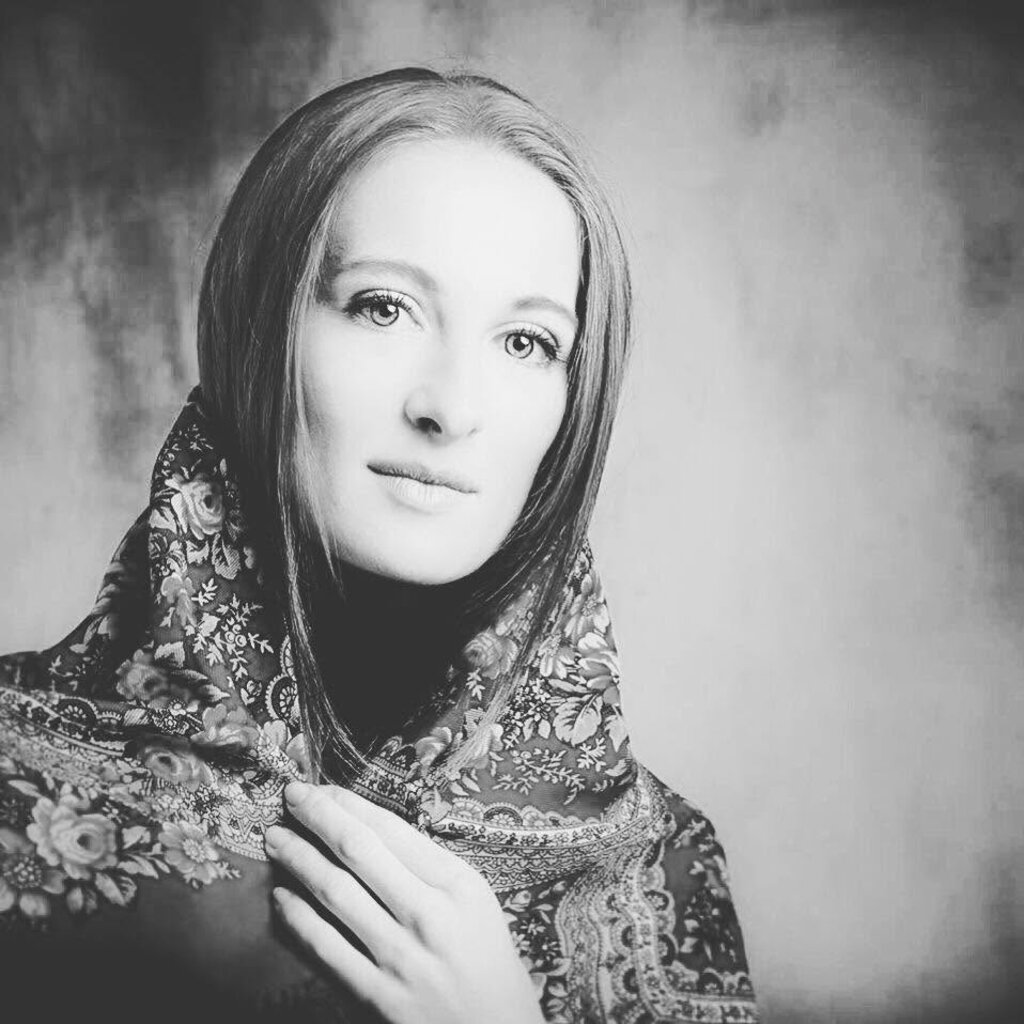
PHOTO Facebook / Marta Petkova
"I often say ballet is a very selfish art form, at least for me. When I step onto the stage, the only person I'm competing with is myself. The satisfaction is immense when you've truly pushed yourself to the limit, suffered for it and then overcome it. It's an art I practise for myself."
Petkova has admitted in previous interviews that while on tour, completely immersed in rehearsals and performances, she would sometimes forget to call her daughter.
"The moment I board the plane, I switch completely into work mode. My daughter was always in safe hands, surrounded by people who loved her, so I knew everything would be fine. It may not sound very flattering, but she grew up remarkably disciplined, responsible and independent. I spent a great deal of time away from home building my career. I was often absent during the holidays, when families are usually together. But she never made me feel guilty for not being there. If anyone felt guilty, it was me."
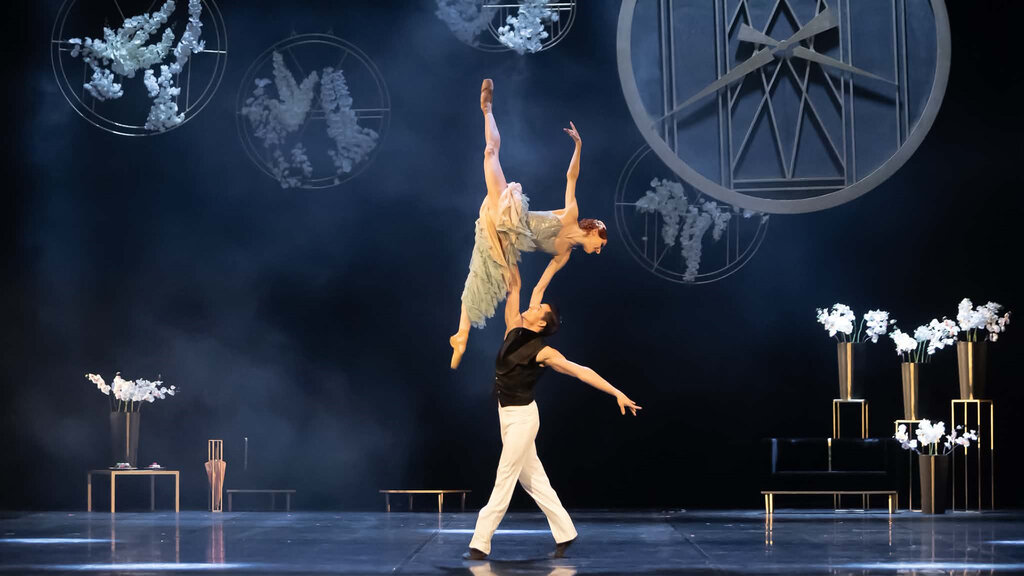
PHOTO Personal archive of Marta petkova
Petkova became a mother at just 22, a step few ballerinas choose to take at the very start of their careers.
"Yes, I was very young, and my career was only just taking off. I was beginning to dance leading roles. But that's simply how life unfolded. I had met someone I truly loved, and not only do I have no regrets, I'm genuinely grateful. I still feel young, and my daughter turned eighteen just a few days ago.
"At that age, I made decisions fearlessly. With the help of my family, we raised her to become a wonderful person. If I had to make that decision now, at what is really the peak of my career, it would be much harder. At twenty, though, the body recovers incredibly quickly. Two months after giving birth, I was back in the ballet studio. Motherhood didn't hold my career back in the slightest. If anything, it made me stronger."
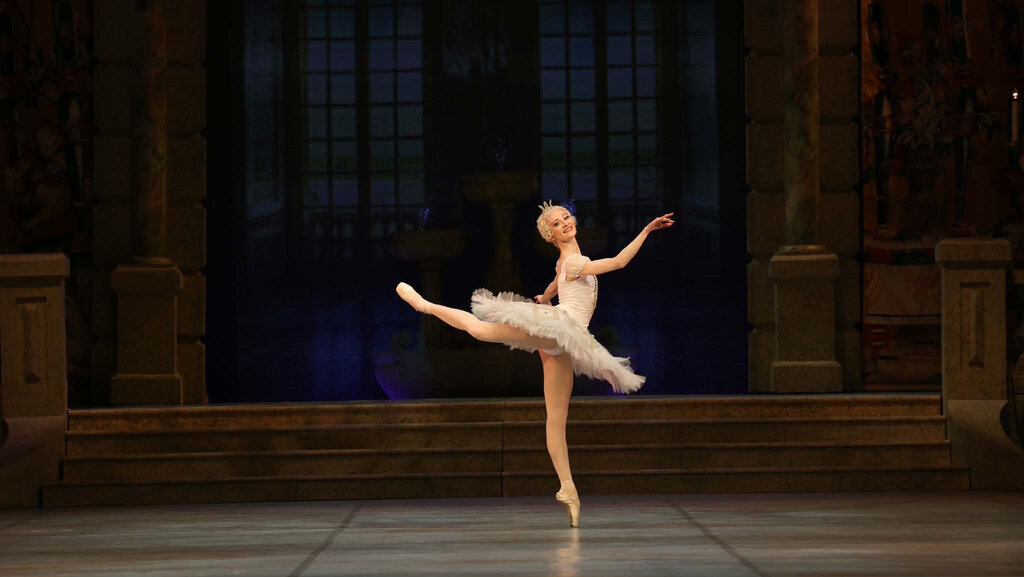
PHOTO Personal archive of Marta petkova
Raised in the corridors of the Opera, Petkova's daughter naturally wanted to become a ballerina herself. Marta, however, felt she lacked the ideal physique for a career in ballet and gently steered her towards a different path.
"She's bright, energetic and full of charm, and I felt she would be truly good at something else."
A career in ballet is certainly not for everyone. Beneath the grace and beauty lies relentless effort and constant pain. For dancers, pain is a lifelong companion. How does one learn to live with it?
"You simply get used to it. We dancers often joke that if you wake up one morning and nothing hurts, you must be dead. Pain becomes part of everyday life. You get up and carry on.
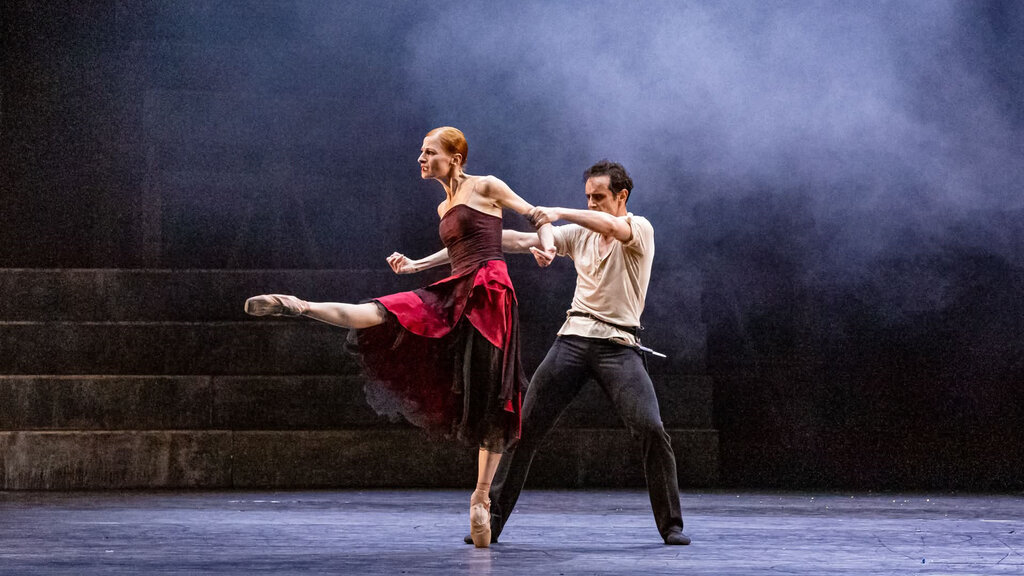
PHOTO Personal archive of Marta petkova
"At times the pain is almost unbearable, but it's all part of the journey. Those are life's lessons. They show you how strong you really are. I've surprised myself more than once. It's about pushing beyond your own limits."
"I've actually been fortunate. I'm generally healthy and have rarely suffered major injuries. Some dancers are seriously injured from a very young age, yet they keep going simply because they love ballet so much.
"That said, I've gone through some very difficult periods with serious injuries, waking up convinced there was no way I'd be able to dance that evening. Yet somehow you always find a way. Sometimes the pain becomes so intense that you stop enjoying the dancing because every movement hurts.
At 1.72 metres, Petkova is considered tall by ballet standards. How does she feel about her height?
"I'm completely comfortable in my own body. It's my instrument, and I've shaped it into exactly what I want it to be. Height only becomes an issue if you don't have the right partner. Fortunately, throughout my career I've danced regularly with Tsetso Ivanov, Nikola Hadjitanev and Emil Yordanov. We've always worked brilliantly together because they're perfectly suited to my height.
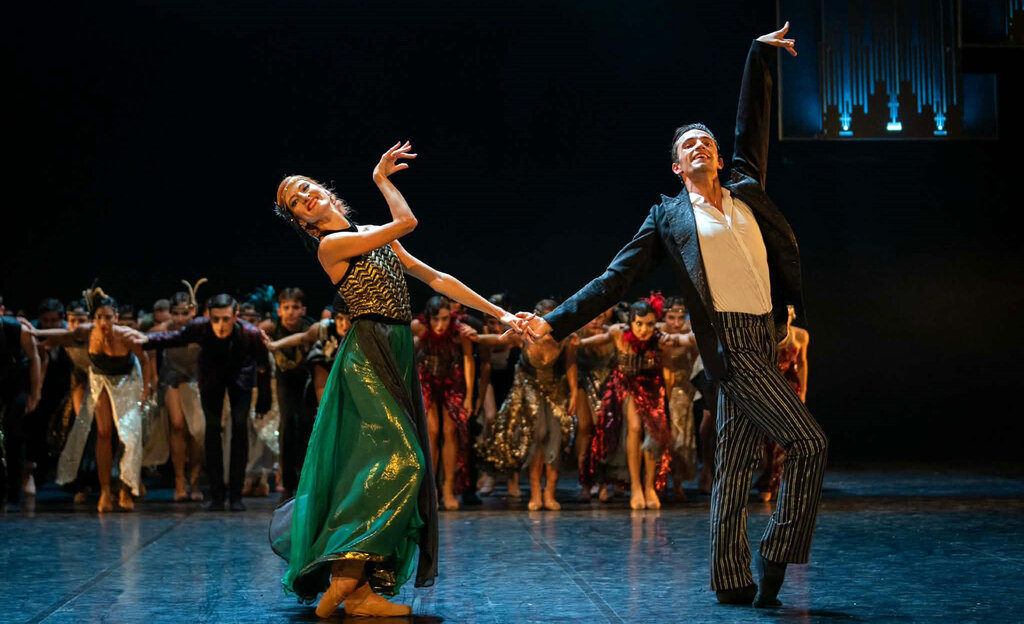
PHOTO Personal archive of Marta petkova
"We also have many gifted young dancers who are even taller than I am and struggle to find suitable partners. If you ask me what I prefer, I'd choose a tall ballerina every time, although there are wonderful petite dancers who shine through their extraordinary speed and technical brilliance. Height has its advantages and its drawbacks."
Petkova closely follows the international ballet scene and the world's leading dancers.
"Marianela Nuñez is extraordinary. I had the chance to see her perform live with The Royal Ballet in London last year. I don't value technique for its own sake. You can do five pirouettes or produce an extraordinary jump, but it won't move me if you can't move me emotionally.
"Ballet isn't just about physical ability and technique. It also demands intelligence and emotional depth. I'd even go so far as to say that ballet dancers are, by definition, intelligent people. Without intelligence, you simply can't dance ballet.
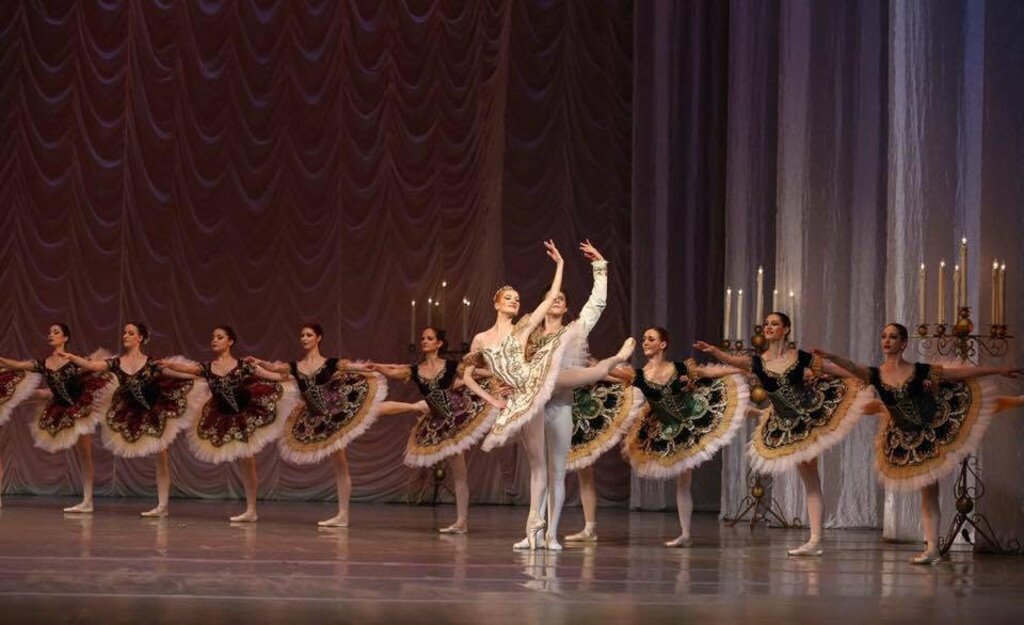
PHOTO Facebook / Marta Petkova
"You can see it on stage. Intelligence reveals itself in the way dancers use their bodies and, above all, in how they respond when something unexpected happens. If something goes wrong, an intelligent artist finds a solution so seamlessly that the audience never notices."
Mishaps on stage, of course, are inevitable.
"I'm the sort of person who likes to anticipate everything and keep everything under control. If a costume catches, or I slip, or anything else beyond my control happens, it really frustrates me because there's nothing I can do about it. The challenge is to find the quickest and smartest way out of the situation without anyone noticing."
The most dramatic incident came when a performance at the Sofia Opera was plunged into darkness after a power outage.
"Nothing like that had ever happened to me before. Suddenly, the stage went dark. We were in the third act of La Bayadère, an incredibly demanding scene for both the corps de ballet and the soloists, with more than thirty dancers on stage. Something like that instantly breaks your concentration.
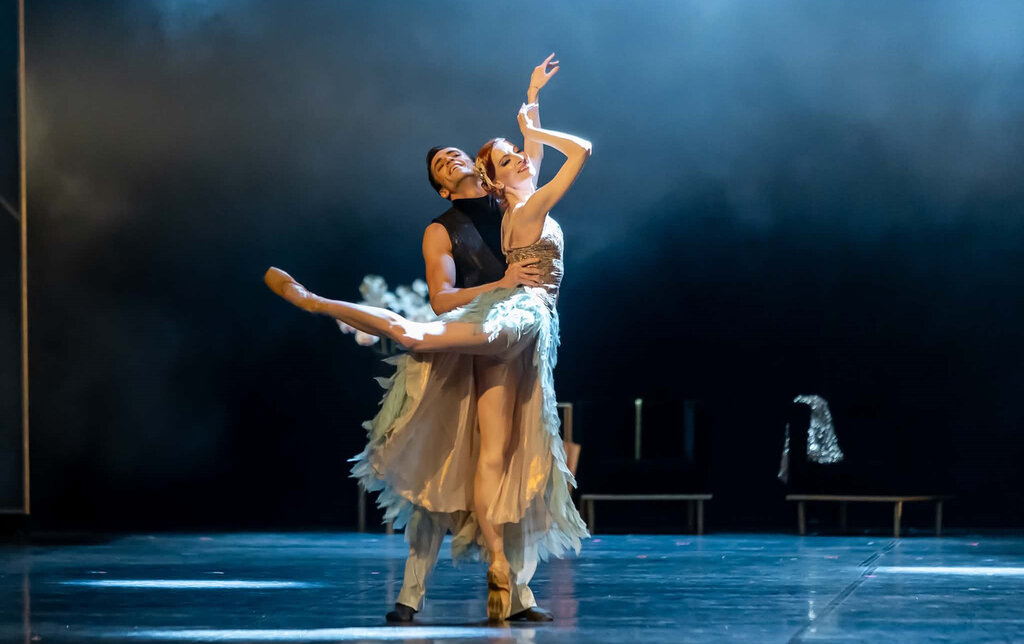
PHOTO Personal archive of Marta petkova
"I have enormous respect for all my colleagues. They simply waited for the power to come back, for everything to restart, and then carried on as though nothing had happened. It takes extraordinary collective concentration for dozens of dancers to regain their focus all at once. It's incredibly difficult. I was genuinely impressed by the way they handled it.
"It happened on 29 April, International Dance Day, when we were performing La Bayadère. I suppose it was just meant to happen! But moments like that actually bring the audience even closer to you. They realise you're only human, that anything can happen. Instead of turning the atmosphere negative, it had exactly the opposite effect. The audience was incredibly warm and supportive. In the end, it became a wonderful experience."
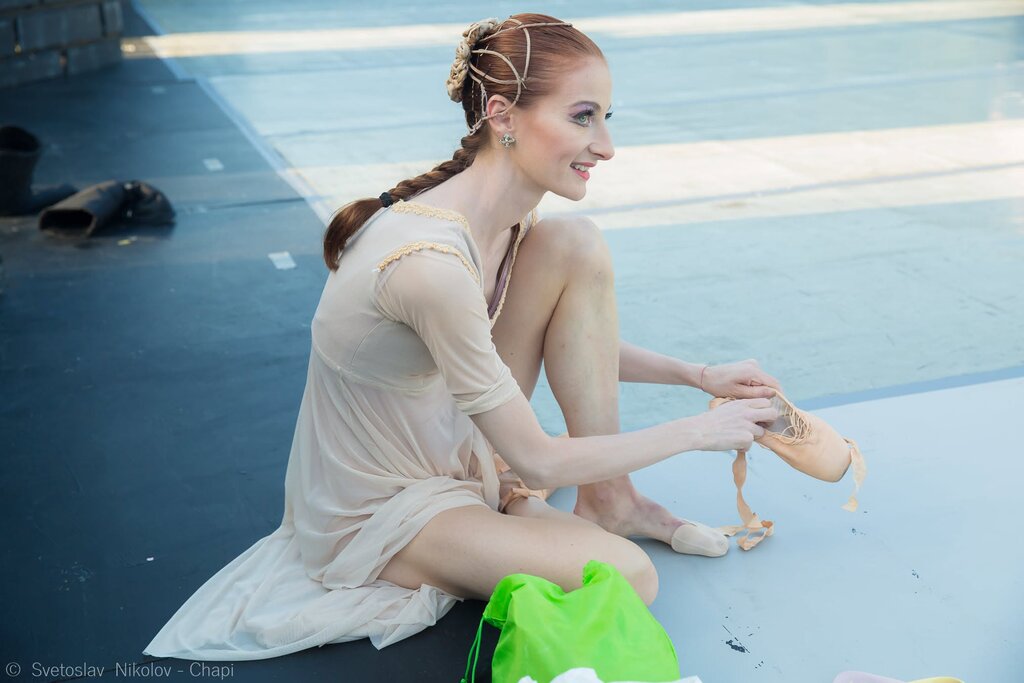
PHOTO Personal archive of Marta petkova
In interview after interview, Petkova returns to one conviction: ballet remains one of Bulgaria's most overlooked art forms.
"People should be writing about Bulgarian ballet, talking about it, making a real storm over it, because it's an extraordinarily demanding art form and the standard is exceptionally high. I perform both in Bulgaria and abroad, and I can say without hesitation that the Sofia Opera Ballet is an outstanding company. It genuinely frustrates me that people don't talk about it more, that they don't make more noise about it, because these dancers deserve it. We're far too modest, far too reserved. Our dancers are incredibly disciplined. We're not the kind of people who go around saying, 'We're amazing. We're the best.' Bulgarians constantly doubt themselves. That lack of self-confidence really upsets me because we have extraordinarily talented people who simply don't believe in themselves.
"This country should be proud of this company instead of forcing us to fight every single day just to keep moving forward. As a person, and now as a director, I often feel very much alone. This art deserves support because it's worth it.
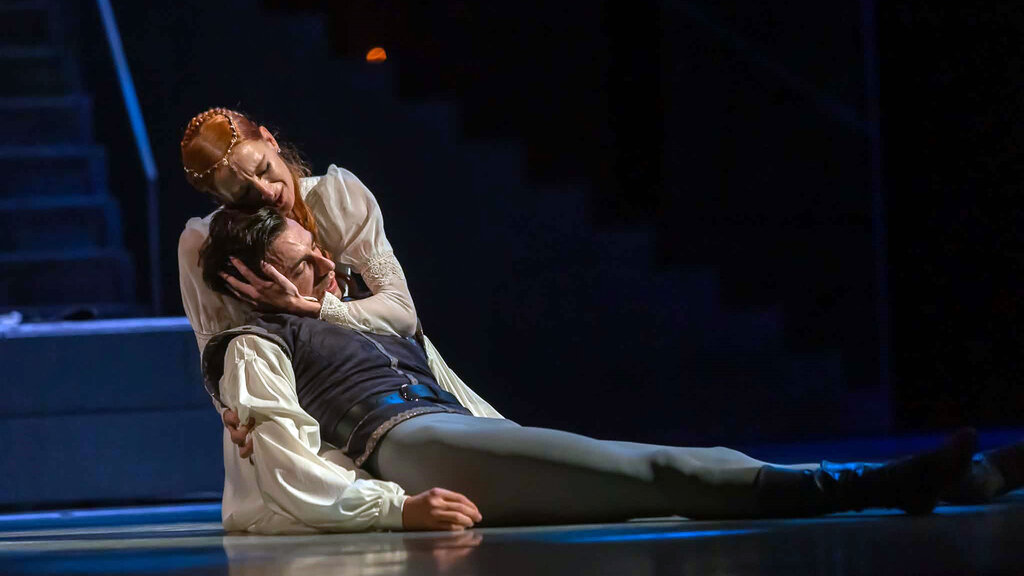
PHOTO Marta Perkova's personal archive
"When you invite twenty members of parliament and their seats remain empty, of course it hurts. What's even more frustrating is that our performances are completely sold out weeks in advance. You simply can't buy a ticket. But when tickets are given away, people don't value them."
Why would one of Bulgaria's most celebrated ballerinas take on the demanding administrative role of artistic director?
"I accepted because I wanted to build a strong team around me. I knew that if I tried to do everything myself, I'd have to stop dancing. And I'm not ready for that. I still feel good on stage and I believe I still have many good years ahead of me. One of my conditions was to create a reliable team that could take care of much of the administrative work. Naturally, everything still comes through me, but I'm fortunate to work with wonderful colleagues, Lyudmila Ilieva and Radul Roglev. They're exceptional and they help me enormously."
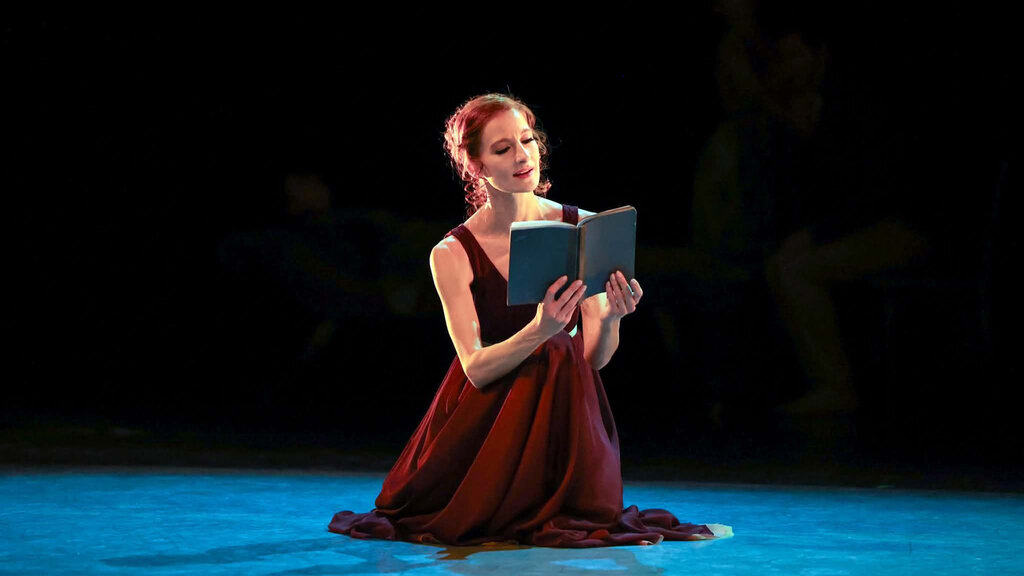
PHOTO Personal archive of Marta petkova
"The offer came completely unexpectedly. But I accepted it above all because I respect the people I work with and I believe I can do something meaningful for them. We've already staged three wonderful new productions, and audiences have embraced them.
"I have many international contacts and many ideas, but things happen very slowly in this country. You begin full of enthusiasm, only to realise how difficult everything really is. Even so, the company is moving forward, and we're continuing to fight."
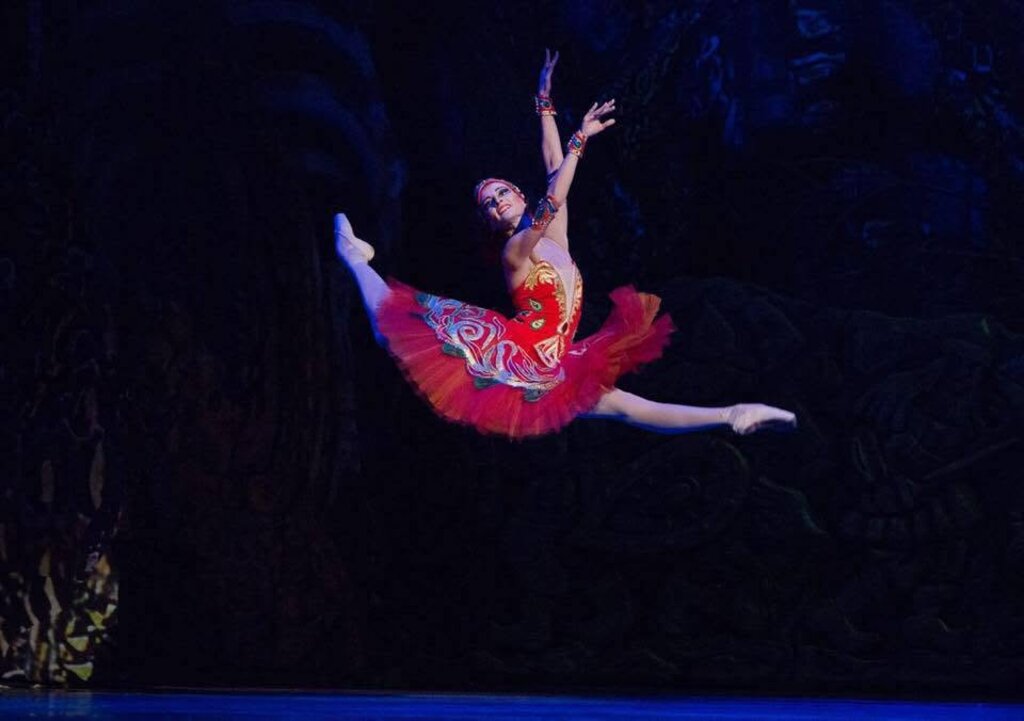
PHOTO Facebook / Marta Petkova
This summer, Petkova danced the leading roles in the opening two performances of Swan Lake and two performances of Zorba the Greek at the Muses on the Water Festival on Lake Pancharevo.
"That's still my main priority. I dance, and I do so with great pleasure. We love performing on that stage. It's peaceful, right by the water. It feels wonderfully open. It's a beautiful place. We perform at many festivals and open-air venues, so dancing beside a lake didn't worry us at all. Of course, performing outdoors is far more demanding than performing in a theatre. You have to contend with the weather, the wind, humidity, rain, even insects. But that's all part of it. For the audience, though, it's a wonderful experience."
Although she continues to captivate audiences as Odette/Odile in Swan Lake, Petkova says the greatest satisfaction she currently derives from dancing comes from the company's latest production, Pride and Prejudice. Choreographed by Leo Mujić to music by renowned British composers, the ballet adaptation of Jane Austen's classic has become one of her favourite projects.
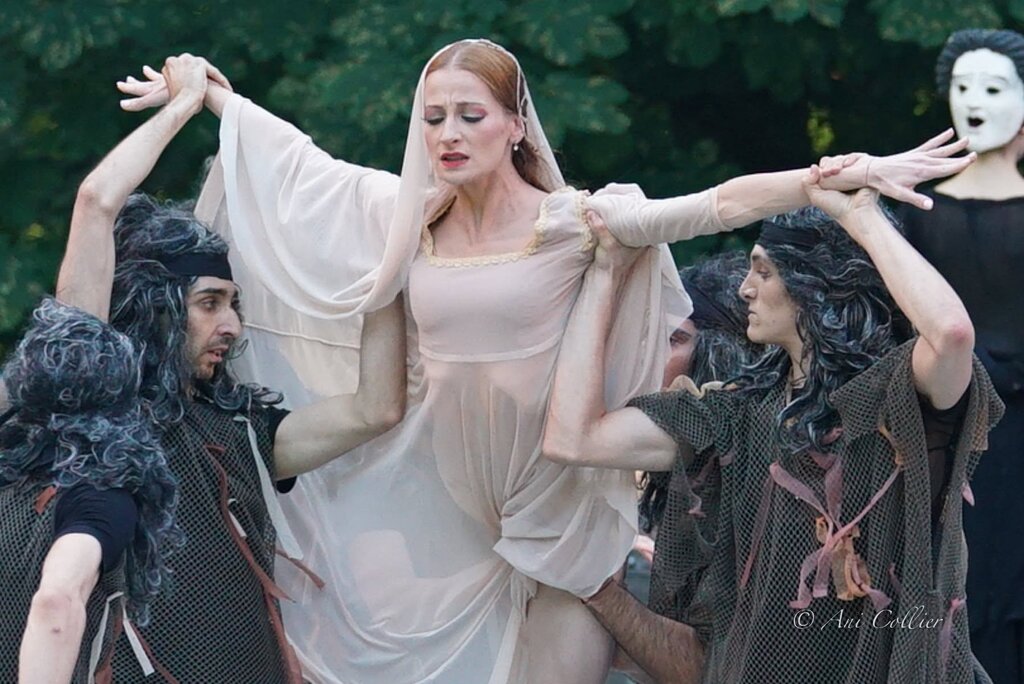
In Carmina Burana by Fredy Franzutti
PHOTO Ani Collier
Her repertoire is remarkably diverse.
"Giselle was my first leading role. I've lived through it with love, doubt and every imaginable emotion over the years. I love every heroine I dance.
"I've often said that, at this stage of my life, Anna Karenina has been an especially fascinating challenge. It's an intensely dramatic role, one that demands a great deal as an actress. At the moment, I'd probably place it above all the others."
Anna Karenina, another Leo Mujić production he staged with the Sofia Opera Ballet, is set to music by Tchaikovsky. One cannot help wishing that an artist of Petkova's calibre might one day also dance the title role in Rodion Shchedrin's ballet, created especially for his wife, the legendary Maya Plisetskaya. She embraces the idea with obvious enthusiasm.
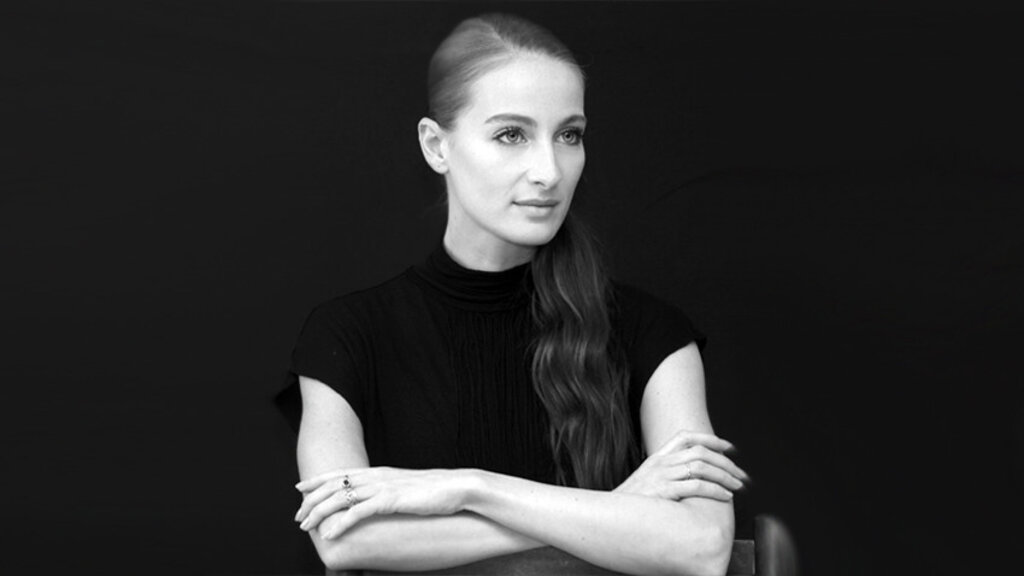
PHOTO operasofia.bg
To conclude our conversation, a brief quick-fire questionnaire offers a glimpse of the woman behind the ballerina.
Kindness and honesty are the virtues she values most. She describes workaholism as her defining character trait. Happiness, for her, means peace; unhappiness is storm and chaos. Her favourite colour is green, her favourite flower the tulip. Had she not become a ballerina, she says she would most likely have been an athlete or an actress. She cannot imagine living anywhere but Bulgaria. Her real-life heroes are her parents, and her favourite book remains Forever Amber, which still moves her today.
At first, she says she has no personal motto. Then she pauses, smiles and changes her mind.
"I can. I can. You have to believe in yourself. Before every performance, I always tell myself: 'Marta, you can do anything. Just go out there and enjoy it.'"
Editor: Elena Karkalanova
This publication was created by: Elizabeth Radkova