


Author
Diana Tsankova
News
Dr. Tota Venkova: Campaign for a monument to Bulgaria's first woman physician
Monday 13 July 2026 20:25
Monday, 13 July 2026, 20:25
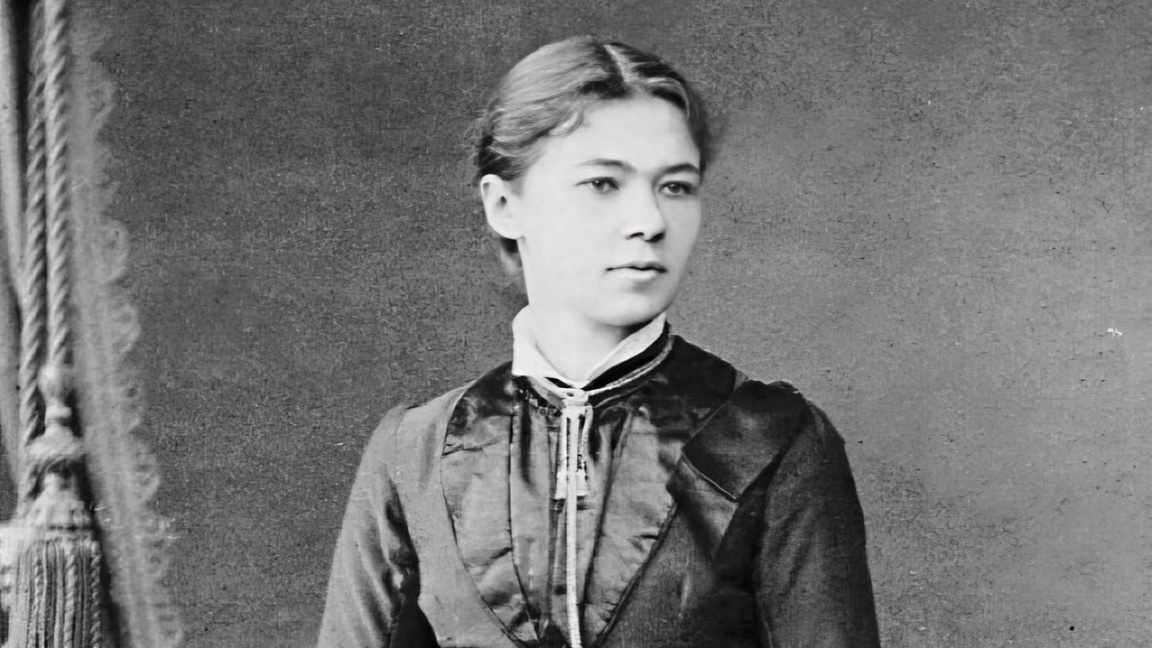
Dr. Tota Venkova (1855 - 1921)
PHOTO mbalgabrovo.com
Font size
In the dark years before Bulgaria regained its freedom in 1878, there were women who not only helped break the chains of oppression, but also led by personal example through their intellect, education and unwavering spirit. And when the country finally regained its independence, they stood alongside men in rebuilding the Bulgarian state. Yet today, if one looks around the capital, there is not a single monument dedicated to the women who had the courage to overcome the prejudices of their time and whose achievements deserve to be remembered for generations to come.
One of these remarkable Bulgarian women was Dr. Tota Venkova. Born in Gabrovo in 1855, she became the first Bulgarian woman to earn a degree in medicine. On 8 March this year, International Women's Day, the women's organisation of the political party Spasi Sofia ("Save Sofia") launched an initiative to erect a monument in her honour in the capital.
"It all began with the striking realisation that there is not a single monument in the Bulgarian capital dedicated to a historical female figure," says Tanya Peneva of Spasi Sofia. "When we looked into the matter, we found that several similar initiatives had been launched over the years, but none had ever been completed. I would like to emphasise that this is not simply a matter of equality between men and women. It is about giving fair recognition to the people who have helped shape Bulgaria over the years. There are many women whose achievements have remained in the shadows, but it is important that their names become part of both our history and our urban landscape. Their absence from public attention does not mean that their contribution was any less significant. That is why we decided to correct this omission."
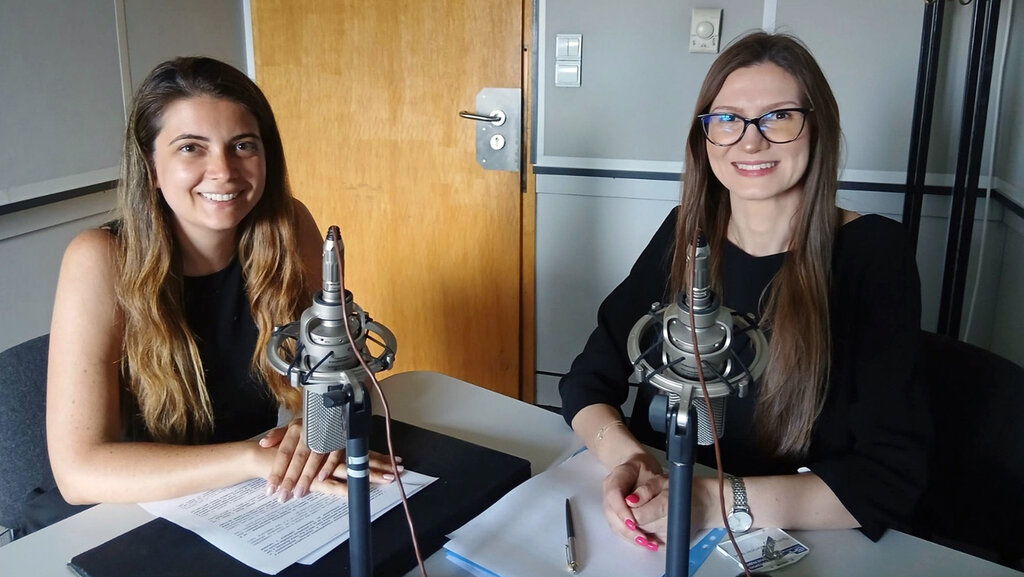
Tanya Peneva and Severina Gicheva in the studio of Radio Bulgaria
PHOTO Diana Tsankova
Who is the Bulgarian woman whose monument could mark the beginning of a long-overdue recognition? The women behind the initiative also hope that each year another distinguished Bulgarian woman will be nominated to receive a permanent place in the city's public space.
"Dr Tota Venkova lost her parents at an early age and was raised by her sister's family," explains Severina Gicheva from the women's organisation of Spasi Sofia.
"With the help of a scholarship, she graduated with honours from the girls' school and became a teacher. During the Russo-Turkish War of Liberation (1877-1878), she served as a volunteer nurse in a military field hospital. It was there that she decided to devote her life to caring for those in need. She later graduated with honours in medicine in St Petersburg, again thanks to a scholarship. During her studies, she faced serious health problems but never gave up. She specialised in internal medicine and paediatrics, and later completed a second specialisation in obstetrics and gynaecology in Vienna.
Returning to Sofia, she not only practised medicine but turned it into her life's mission. She opened a free medical consultation service in her home, where she also gave shelter to poor and abandoned women. She helped establish the first midwifery courses organised by the Red Cross and taught there, contributing to the development of Bulgaria's healthcare system. She also worked as a school physician, demonstrating her commitment to children's health and preventive care. Despite the health and personal hardships she faced throughout her life, she never abandoned her profession and continued helping people until her final days. As she never married or had children, she left her entire estate to the Bulgarian people in her will. Her consistency and dedication to others are a lasting example of public service, medical ethics and humanity."
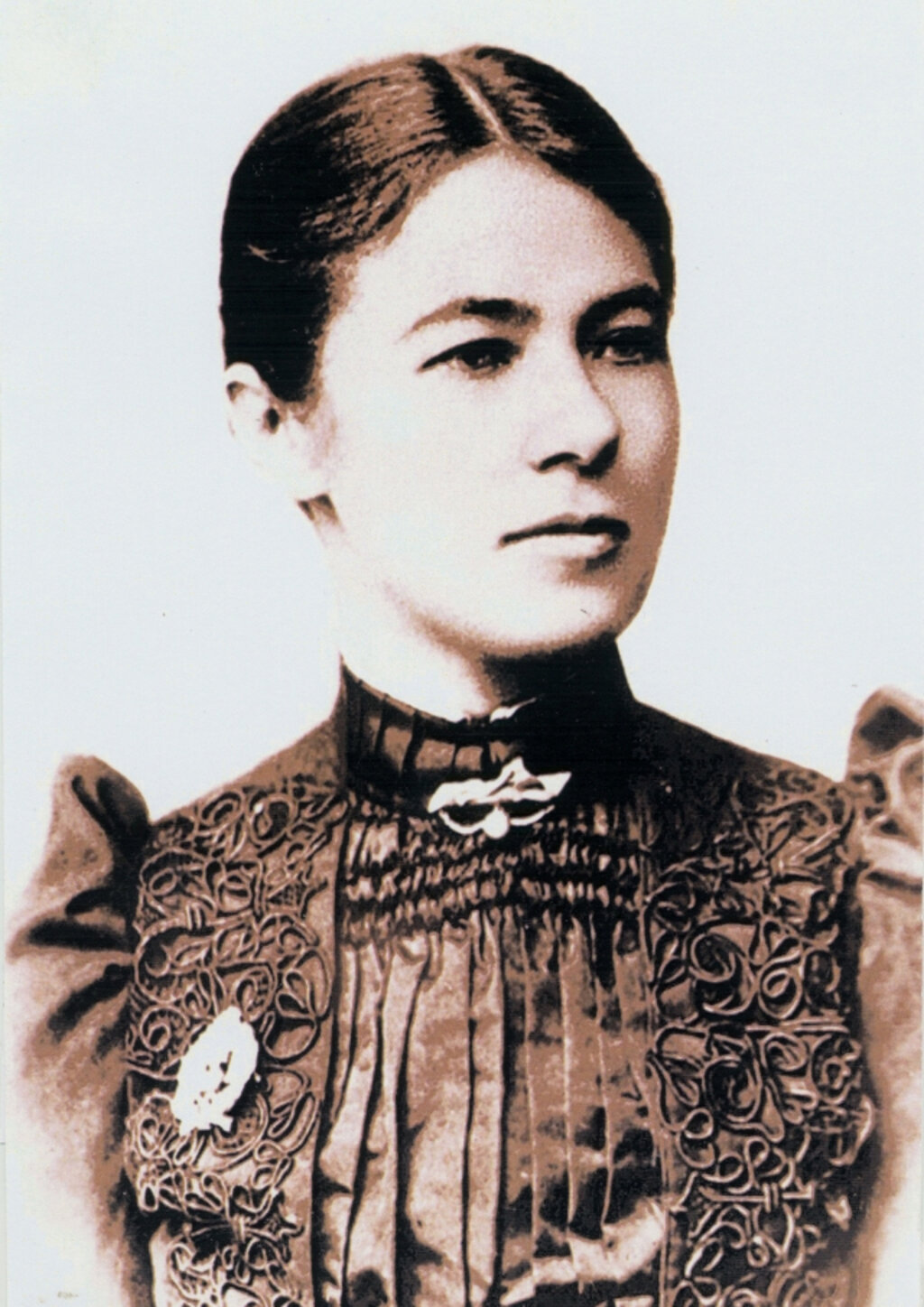
Dr. Tota Venkova
PHOTO gabrovo.bg
But where did the unwavering determination that shaped her from an early age and turned her into a benefactor and protector of those in need come from?
"There is no romantic secret behind Dr. Tota Venkova's strength," Tanya Peneva replies. "Rather, it was a character forged under extremely difficult circumstances. Losing her family at a young age forced her to grow up quickly and rely on herself, which, for a woman of that era, was even harder than we can imagine today. But instead of accepting the limitations imposed by her time, she chose the opposite path. Through education and a profession that was then considered unimaginable for a woman, she became an exceptionally strong individual. This shows that she had a clear sense of purpose, which was her duty towards the disadvantaged, especially women and children. I believe the key lies in the fact that she directed her energy not inward, but outward, towards those who needed help. So this was not some mystical feminine strength, but the strength of a person with a mission in life and the determination to fulfil it."
"For us, it was important that this initiative should not be merely an administrative procedure, but should also carry a meaningful message, because Dr. Tota Venkova is an example of a woman who broke barriers in what was then an entirely male profession and devoted her life to caring for others," Severina Gicheva adds.
The proposal to erect a monument to Bulgaria's first woman physician has not yet been formally submitted to the Sofia Municipal Council. Nevertheless, discussions are already under way regarding a suitable location where Dr. Tota Venkova's dignified figure could become part of the city's public space.
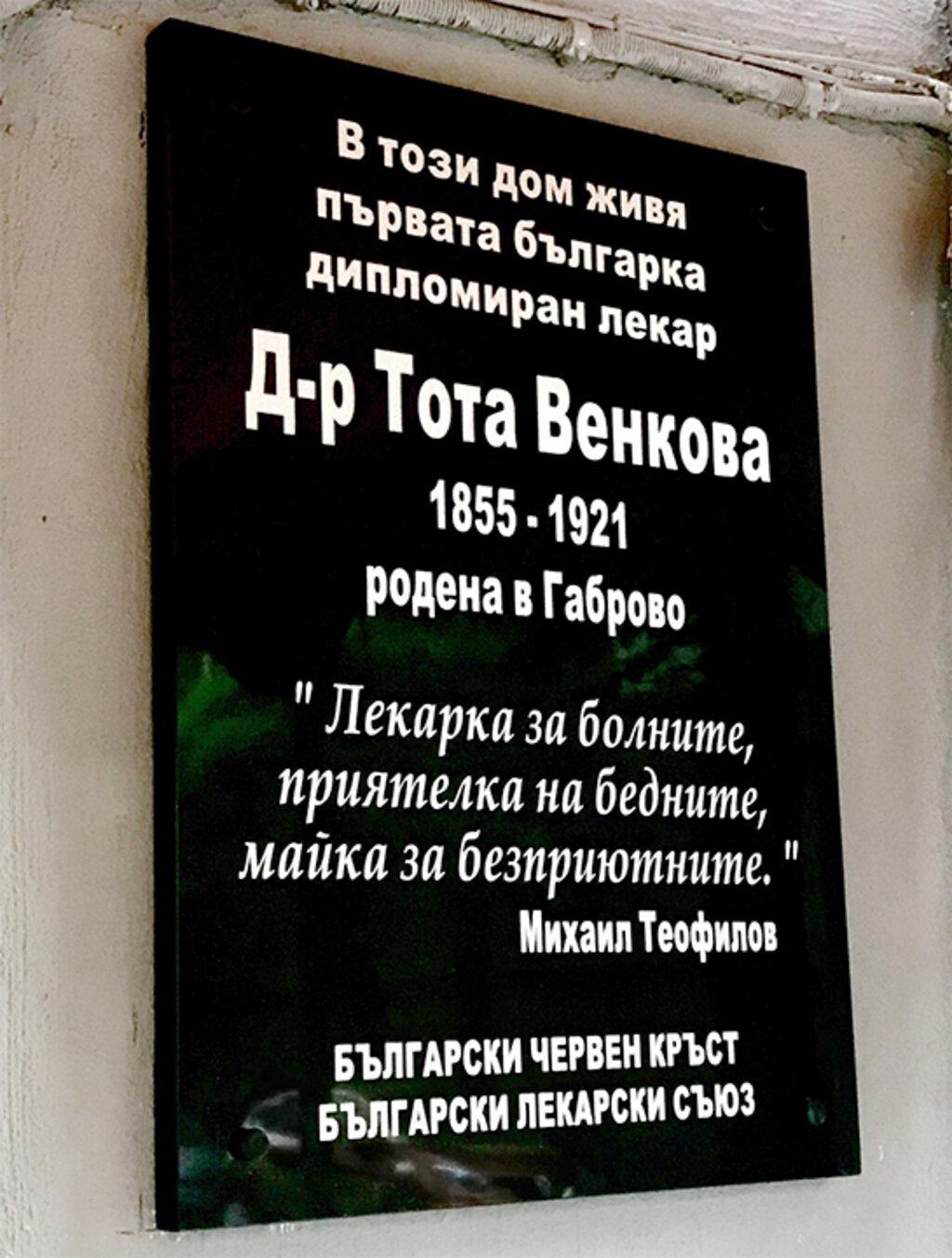
Мemorial plaque to Dr. Tota Venkova at her home on Solunska Street in Sofia. The inscription reads: A doctor for the sick, a friend for the poor, a mother for the homeless
PHOTO gabrovo.bg
Unfortunately, the long-delayed monument to Sofia's most successful mayor, engineer Ivan Ivanov, remains a reminder that worthy initiatives can remain unrealised for years. It would therefore come as no surprise if this proposal were also subjected to prolonged delays.
"Such an outcome would send a very negative message, not only with regard to this particular initiative, but also about the way the city treats its own history," Tanya Peneva says firmly. "Important ideas should not disappear into endless administrative procedures and political inaction. The monument to Sofia mayor Ivan Ivanov has been stalled for years because no political and urban planning decision has been reached. I sincerely hope the same will not happen to our proposal and that Dr. Tota Venkova will not become yet another figure whom everyone claims to respect, but for whom no one can find the will to honour through concrete action. We are all very good with words."
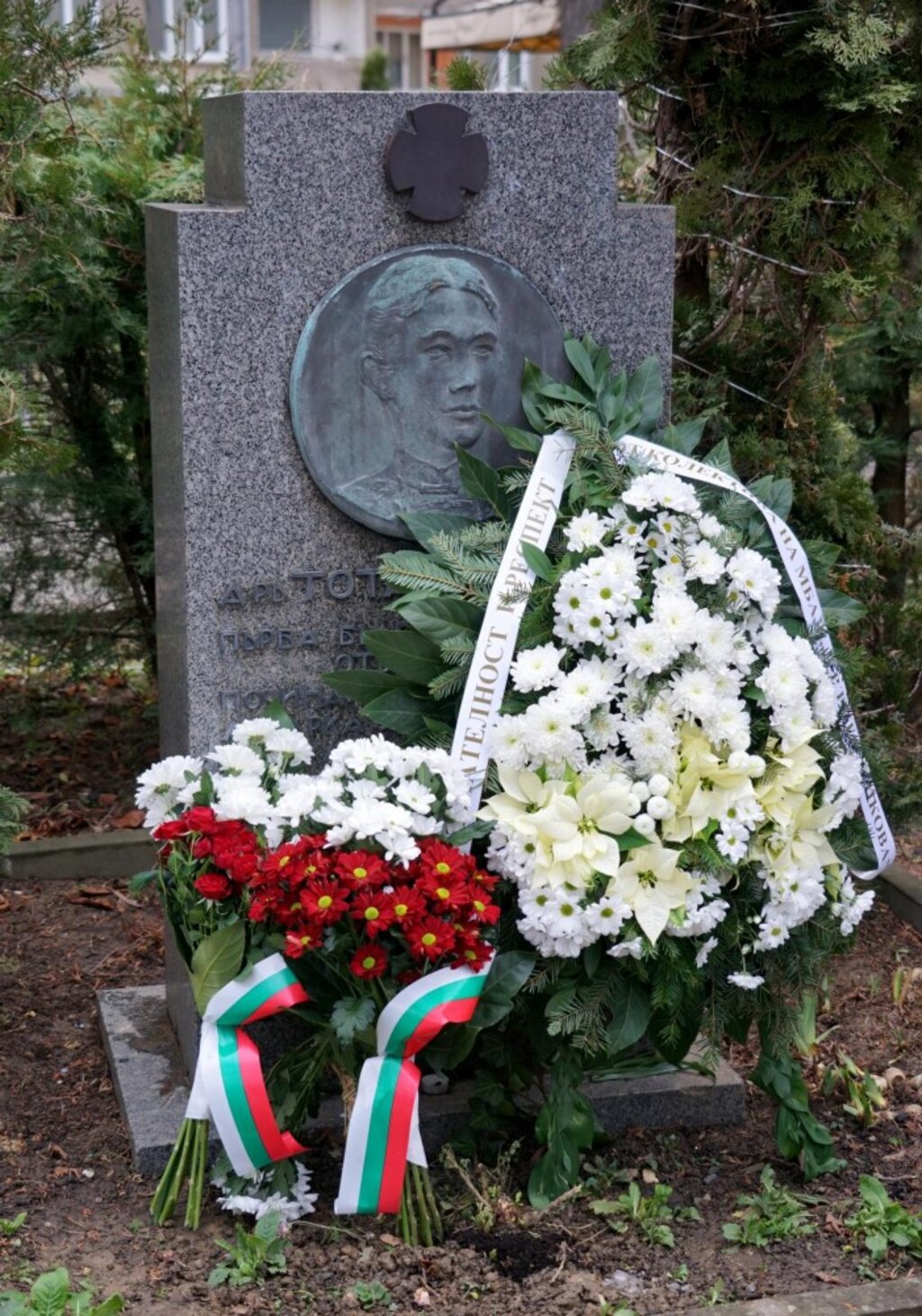
Monument to Dr. Tota Venkova in her hometown Gabrovo
PHOTO https://gabrovo.bg/
Modern women, and men as well, can learn many valuable lessons from the life of this remarkable Bulgarian. Perhaps the most important is how to find a purpose in life and dedicate ourselves not only to our own success, but also to helping those who need our support.
"The greatest lesson from Dr Tota Venkova's life is that success has meaning only when it is connected with contributing to the lives of others," Severina Gicheva concludes. "She did not use her knowledge solely for personal fulfilment, but turned it into a tool for changing society. We live in a very different world today, yet the need for people with a sense of purpose remains just as great. Every one of us can make a difference through our profession, volunteering, civic engagement or even simple acts of kindness. Her story reminds us that our true legacy is measured not by our personal achievements, but by what we leave behind for others."
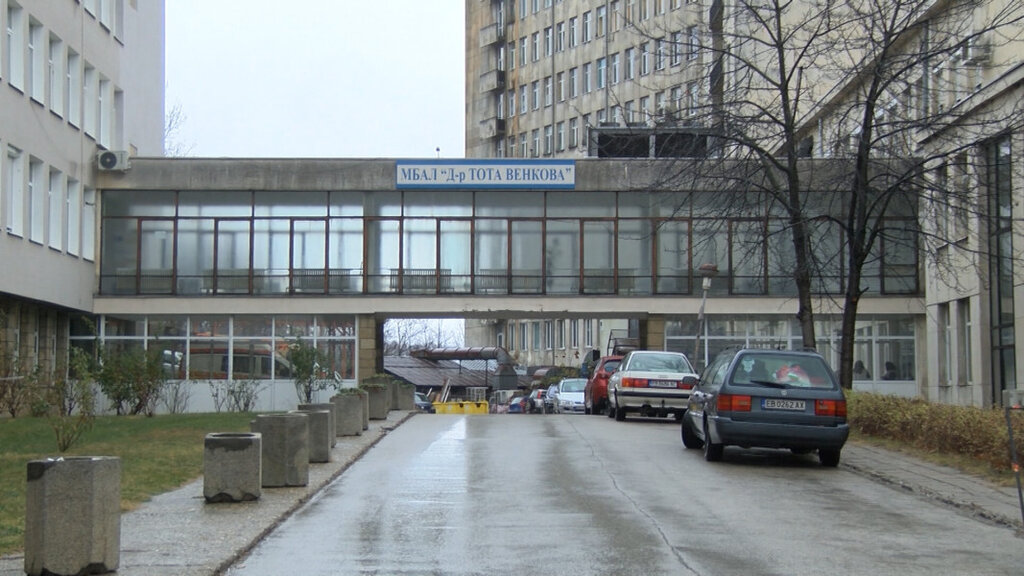
The multi-profile hospital in Gabrovo is named after Dr. Tota Venkova
PHOTO BNR
English: R. Petkova
This publication was created by: Rositsa Petkova