


Author
Vesela Krasteva
80 years since the birth of Pasha Hristova
The singer of "A Bulgarian Rose" remained forever 25 years old, but her songs continue to touch every Bulgarian
Thursday 16 July 2026 17:02
Thursday, 16 July 2026, 17:02
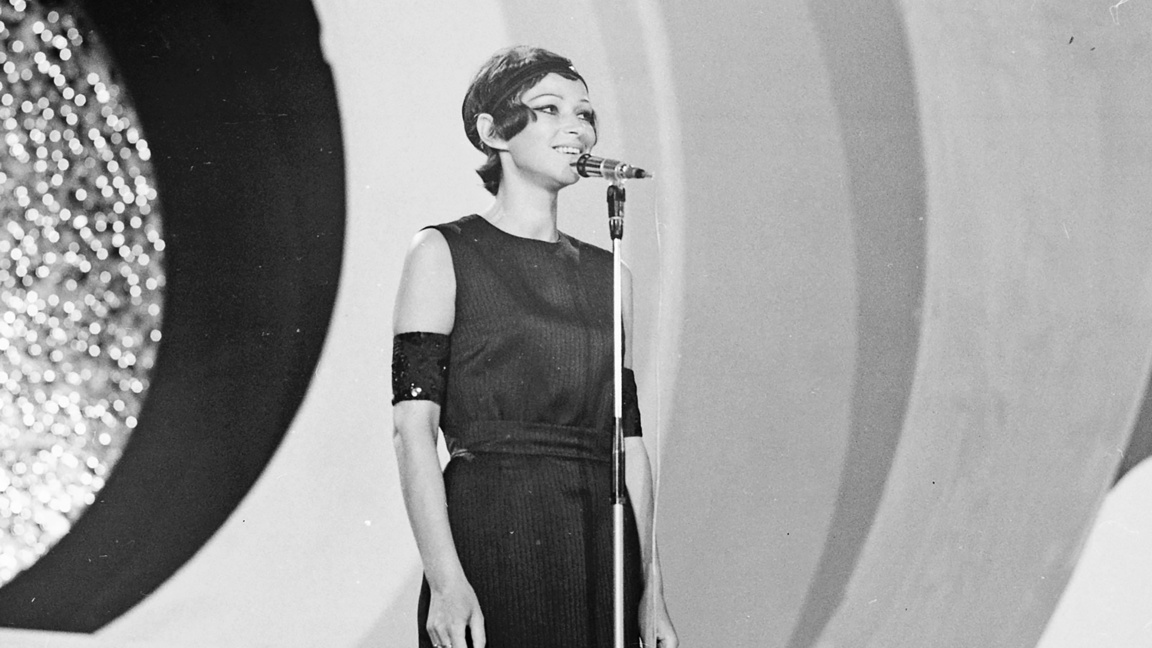
PHOTO BTA - archive
Font size
On July 16, 1946, on the outskirts of Sofia, in a modest and ordinary family, the unpolished rose of the Bulgarian pop scene - Parashkeva Hristova Stefanova, was born. Since childhood, people simply called her Pasha and her biggest dream was music and the big stage. She did not receive support from her family - they believed that the best thing for her in those years was to find a job and get married. After graduating from high school, Pasha Hristova started working as a draftsperson at the Institute for Electric Vehicles, but her dream did not fade.
In 1963, a competition was announced for candidates for performers at the Bulgarian National Radio. With great confidence that she would win a place in the two-year program, young Pasha Hristova entered the competition. Although she had no musical education, the jury accepted her into the class of composer Ivan Staykov. She made her first recording in 1966 when she was just 20 years old. The following year, she won third prize at the Golden Orpheus Festival and a little later she signed up to participate in the Pop Song Festival in Sochi and went to Russia. There she won a gold medal and the musicians in Bulgaria were amazed by the recognition and talent of this fragile girl, without any musical academic training.

PHOTO Library
In 1968, Pasha Hristova was chosen as a soloist of one of the most
popular orchestras of that time - the Sofia Orchestra. The dream path
became clearer and wider. Bulgarian composers proudly gave her their
songs and the burning passion with which she told the most exciting
musical stories ignited even more, as if sensing that time would soon
stop.
"Pasha
Hristova is a phenomenon in Bulgarian music," says Zdravko
Petrov, senior music editor at the BNR's "Horizont"
program. "She is one of the few Bulgarian singers from those
years who mastered dramatic singing to perfection."
Proof
of his words are two of the most emblematic songs in her repertoire
and in the entire Bulgarian musical history - "Povei, vetre"
by Yosif Tsankov and Dimitar Vassilev and "A
Bulgarian Rose" by Dimitar Valchev and Nayden Valchev.
Dimitar Valchev – ‘A Bulgarian Rose’
At
the "Golden Orpheus" in 1970, the 24-year-old Pasha
Hristova sang both songs.
"Povei, vetre" won the Grand Prize for Bulgarian Song, and
"Edna bulgarska roza" (A
Bulgarian Rose)
- First Prize. This
was an
absolute precedent in the history of the competition, which no other
performer managed to repeat. In the following year, 1971, the song
"Dziwny jest ten świat" in Polish won her the Grand Prize
for performers at the international festival in Sopot, Poland. This
is one of the greatest international recognitions for a Bulgarian pop
singer from the period of socialism in Bulgaria, experts say.
In a recording preserved in the Golden Fund of the Bulgarian National Radio, Pasha told us about her art:
"Being
useful
to
people – I consider this topic as a theme of my repertoire. I don't
believe there are young people who are not excited about world
events. I think everyone has a duty to be up-to-date. And I strive
for this through my art."
December
21, 1971. At 11:40 p.m., a Bulgarian delegation took off from Sofia
Airport
for Algeria to participate in the celebration of the Days of
Bulgarian Culture there and in the recording of a New Year's program
for the
local
television. There were 73 people on board the plane. Shortly after
the plane took off, a strong crosswind tilted its wings, one hit the
runway, the fuselage split and burst into flames. 30 people lost
their lives in the crash, which was described as a national tragedy.
Among them was Pasha Hristova, who remained forever 25.
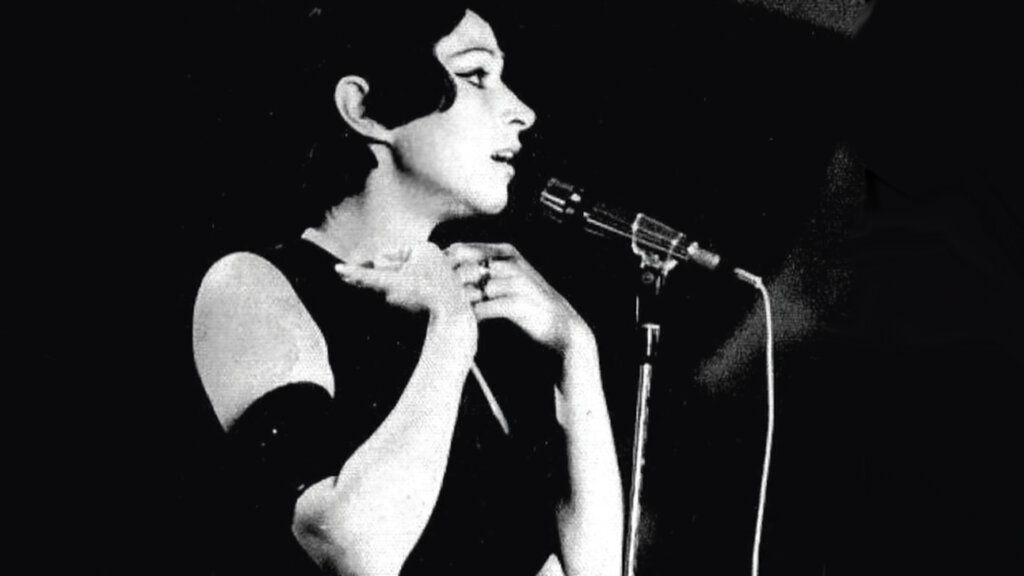
PHOTO Archive BNR
For less than six years in which Pasha Hristova lived her dream, she recorded about 60 songs for the national radio and television and "Balkanton" fund and made Bulgarian music extremely popular in the countries of the socialist bloc.
This publication was created by: Alexander Markov