


Author
Vesela Krasteva
From Radio Bulgaria's best collection
Vasil Levski Monument in Sofia - A place of national tribute
Saturday 18 July 2026 06:35
Saturday, 18 July 2026, 06:35
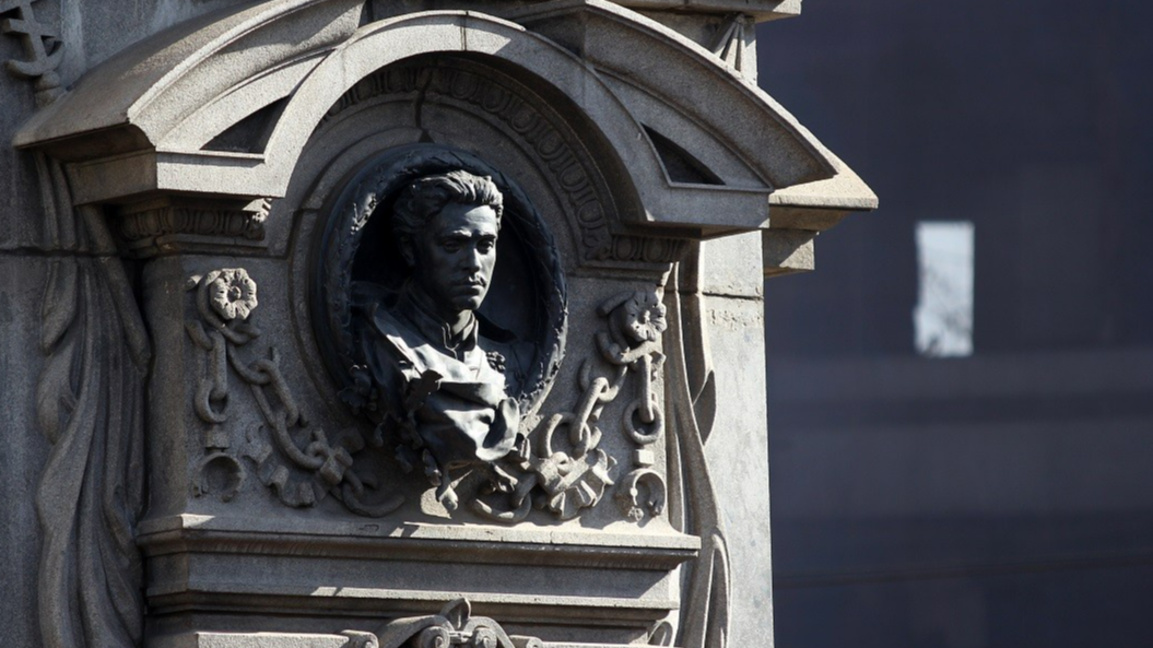
PHOTO BGNES
Font size
The monument to Vasil Levski in central Sofia marks the place of the Apostle of Freedom’s execution and embodies the nation’s gratitude, reverence, and aspiration for freedom and a pure republic.
Every year, around July 18 — the birth anniversary of Vasil Levski — and especially on February 19, when the anniversary of the Apostle’s death is commemorated, the monument is covered with flowers. Statesmen, ordinary people, relatives by blood and beliefs pay solemn respect and show their appreciation to the life and work of the national hero.
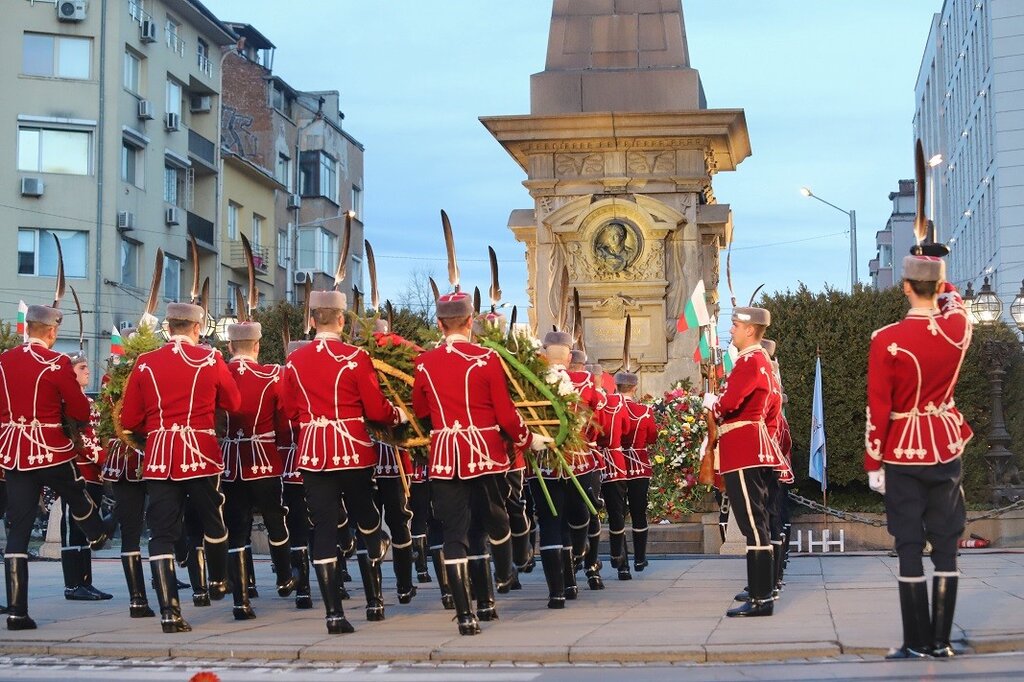
PHOTO BGNES
Then the date changes but the monument continues to reminds us of the courage and the real price of people's freedom. Located in the center of a circular composition, in one of the busiest intersections in the city, the monument is a symbol of self-sacrifice in the name of the Fatherland.
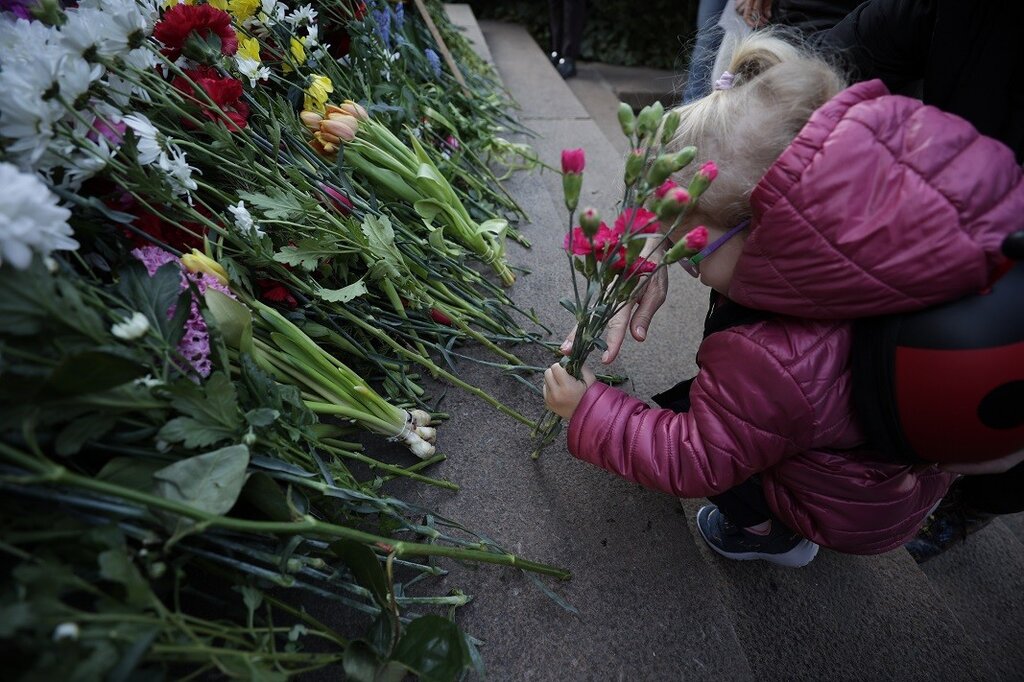
PHOTO BGNES
"The monument is a place of Bulgaria’s love for the hero. A place where people express their respect for the Apostle in a spontaneous way. It has been like this since the Liberation and that is why the idea for the creation of this monument emerged. This is the first monument dedicated to a Bulgarian hero in a free Bulgaria," Dr. Iliya Mechkov, chief expert in the Department of Immovable Cultural Properties at the Regional Museum of History in Sofia, told Radio Bulgaria.
The decision to erect the monument was taken on August 6, 1878 by the newly formed Sofia City Municipal Council, just five months after the signing of the San Stefano Peace Treaty of March 3. According to initial plans, the monument was supposed to be erected for 20 days in the autumn, meters away from the place where Vasil Levski was hanged in 1873. In reality, it took 17 years and more than 75,000 gold Bulgarian levs to build it, Dr. Mechkov tells us.
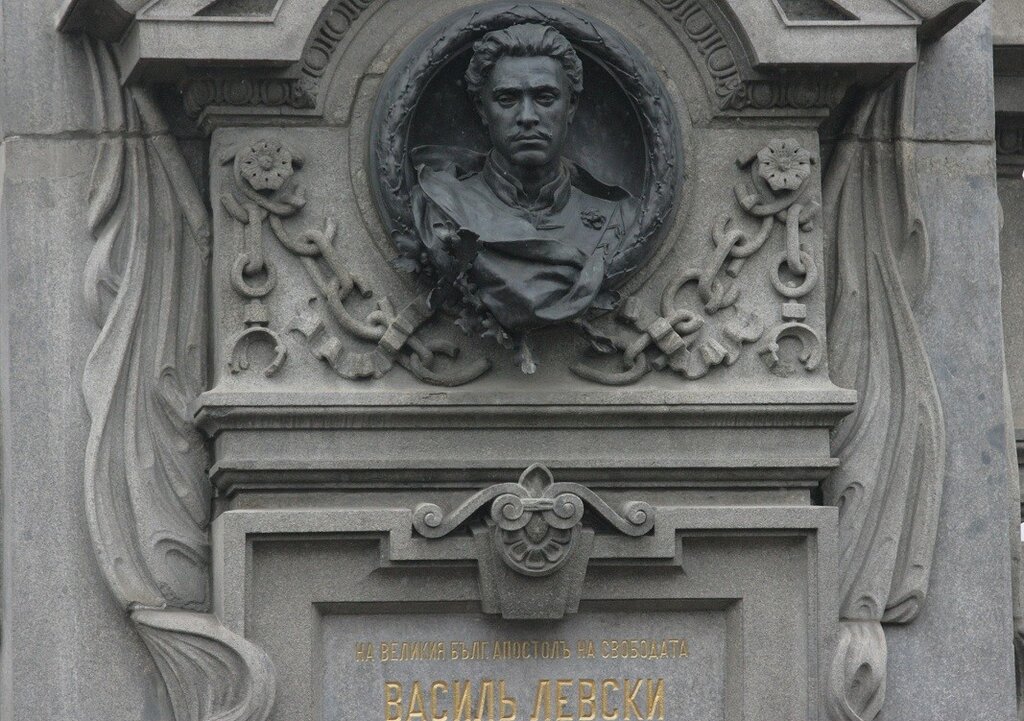
PHOTO BGNES
"The monument was built according to the project of the first Sofia city architect -Antonin Kolář fro Czechia. He is the author of some of the most beautiful buildings in Sofia. The monument was built in the neoclassical style characteristic of Kolar's work. Its shape is that of a typical obelisk dating back to the Roman era. The truth is that according to the architectural standards of the time, the monument looked a bit strange, because Kolar's original idea was to have a Russian Orthodox cross placed on top of a crescent, as a symbol of Russia's victory over the Ottoman Empire. Similar symbolism can be seen in other places in the city, but due to the risk of a diplomatic scandal with Turkey, the city administration gave up on such an idea. After that, a proposal was made to complete the monument with a bronze statue of Vasil Levski but this did not happen and after many vicissitudes the monument acquired its current appearance."
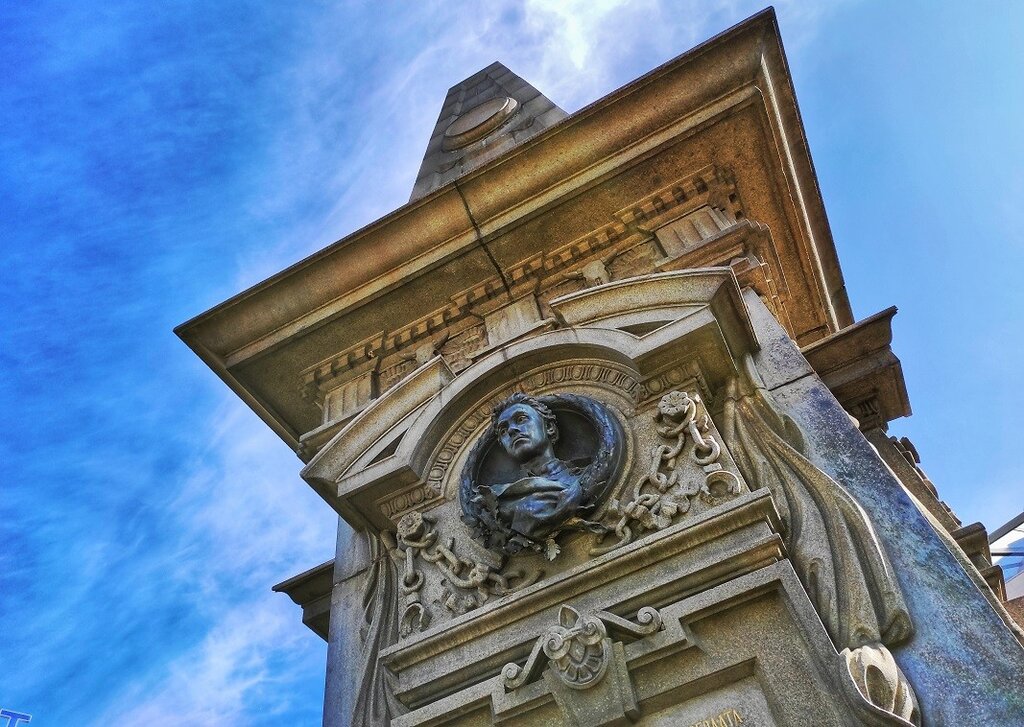
PHOTO BGNES
The monument consists of two parts with a total height of approximately 13 meters, made of partly polished gray granite. It is only a meter lower than the largest monument to Vasil Levski - the one in Lovech, unveiled in 1964. The main part of the column is the work of Italian sculptor Abramo Perukelli, and the sculptural ornaments were created by Czech František Novak. The central bronze bas-relief portrait of the Apostle was made by Rudolf von Weyr from Austria, whose works include the Johannes Brahms monument in Vienna. Works of the famous sculptor can be seen mainly in Vienna.
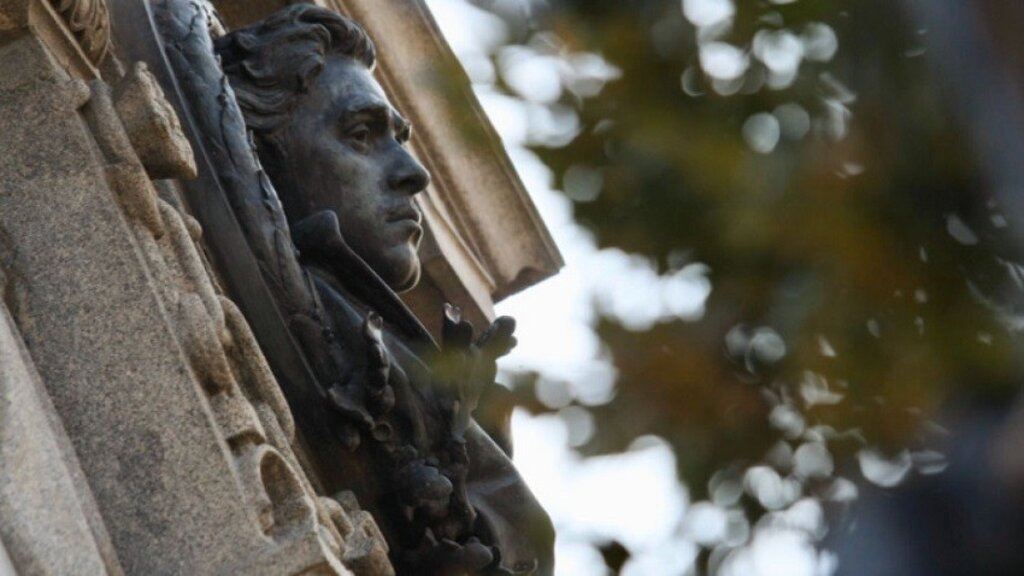
PHOTO BGNES
"It is believed that this image of Levski is one of the best in Bulgarian sculpture in general,” Dr. Iliya Mechkov says. “A copy of it can be seen in the National Museum of History in Sofia. The bas relief was made on the basis of two authentic photos of Levski. The lack of state funds in the years when the capital was intensively reconstructed, as well as poor organization, stopped construction several times. It was in 1884 that a special commission was created to renew the work on the monument and it was later completed. The official grand opening was on October 22, 1895. According to an urban legend the bones of the Apostle were transported and embedded in the foundations of the monument. In 1938-1941, however, excavations were carried out under the monument, but nothing was found.”
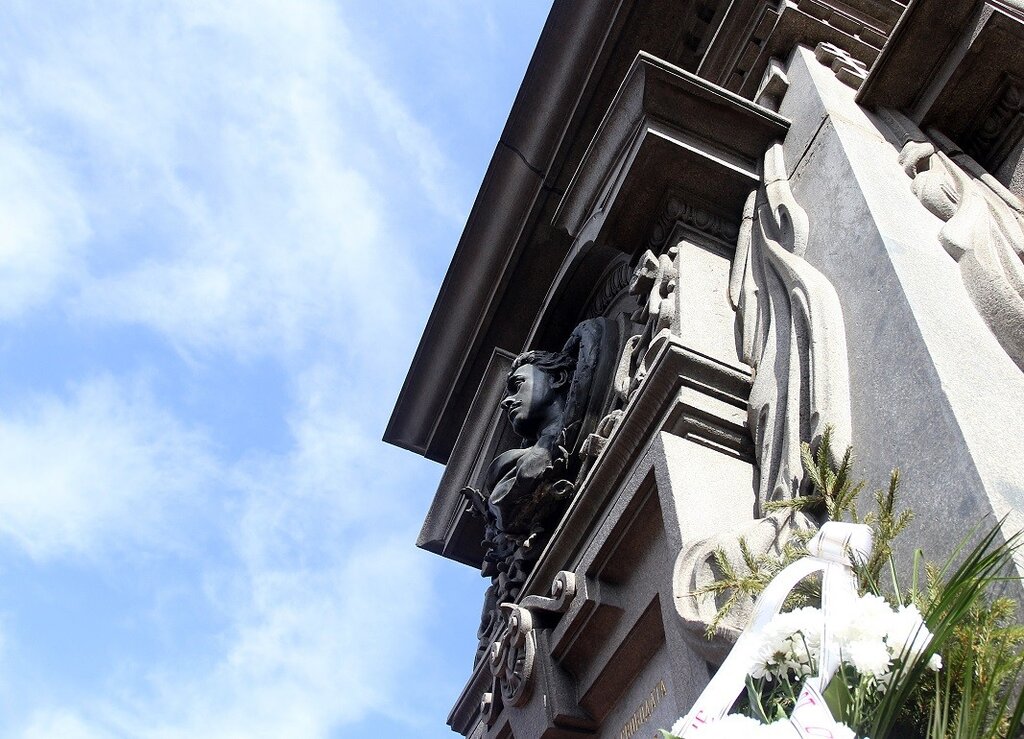
PHOTO BGNES
In addition to the monument that we all know, there are several more dedicated to Levski in Sofia. They are situated in places related to different moments of Levski's life and his activity in the revolutionary committees in the region of Sofia.
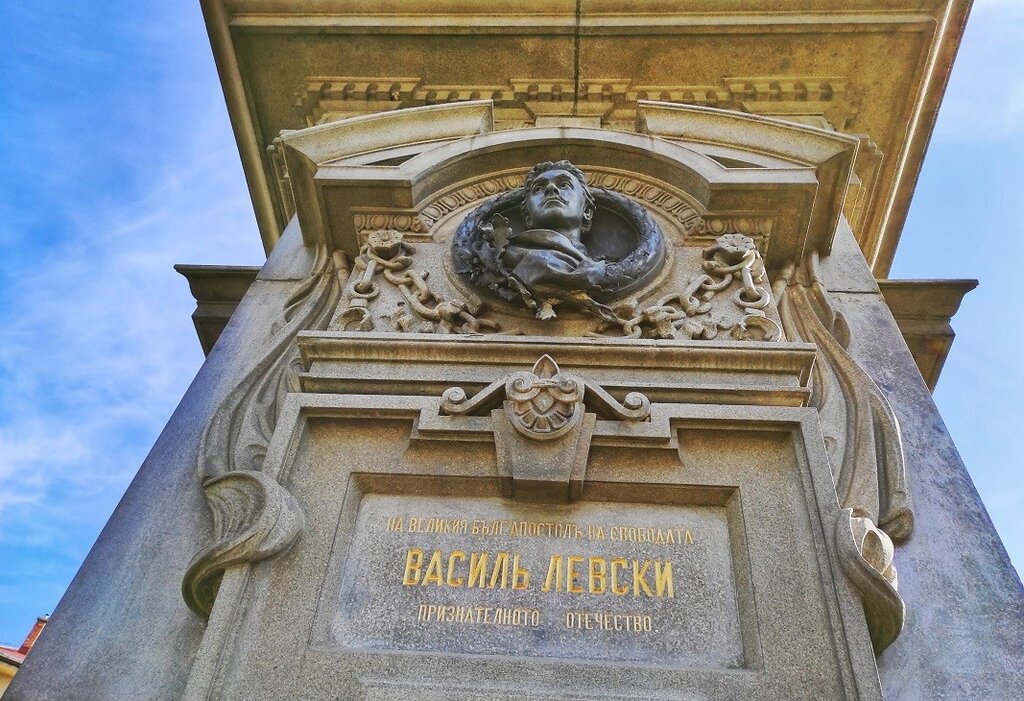
PHOTO BGNES
A commemorative plaque has also been placed in front of the entrance to the National Art Gallery. There is a bronze bas-relief on the facade of the Telephone Palace and a bust in the Alley of Notable Bulgarians in “Borisova Gradina.”
"The Sofia Plain, the city and the villages nearby remember Levski's footsteps. He left important historical traces and is part of the memory of the people," the Bulgarian historian says in conclusion.
This publication was created by: Kostadin Atanasov