


Author
Elena Karkalanova
News
Bulgarian schools abroad seek new strategies
The Association of Bulgarian Schools Abroad is expected to admit 40 new members at its General Assembly on 21 July
Tuesday 21 July 2026 15:04
Tuesday, 21 July 2026, 15:04
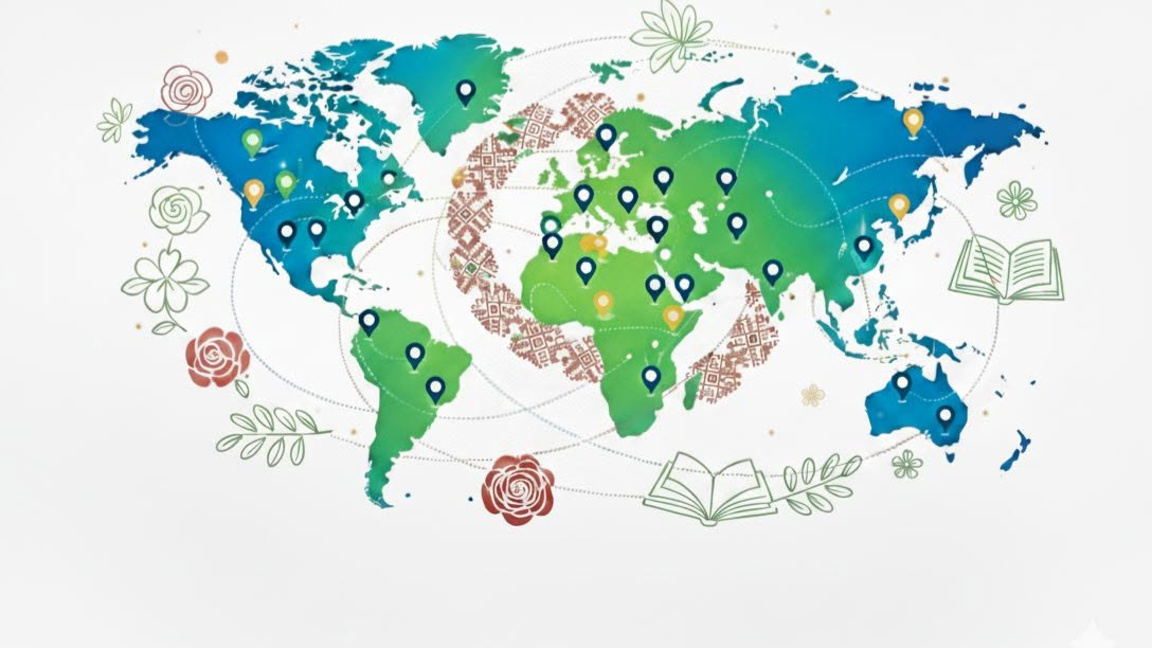
PHOTO Facebook / ABSA
Font size
Imagine spending three hours on the road on a Saturday morning so your child can learn in Bulgarian, learn to read and write in their mother tongue, and stay connected to Bulgaria's culture, history and traditions. For thousands of Bulgarian families abroad, that journey is a deliberate investment in their children's future.
The network of Bulgarian schools abroad continues to expand. The Ministry of Education and Science lists 277 schools, many with one or more satellite branches, bringing the total number of teaching centres to nearly 400.
From 21 to 23 July, Sofia University St. Kliment Ohridski will host the 19th annual conference of the Association of Bulgarian Schools Abroad (ABSA), bringing together educators and policymakers.
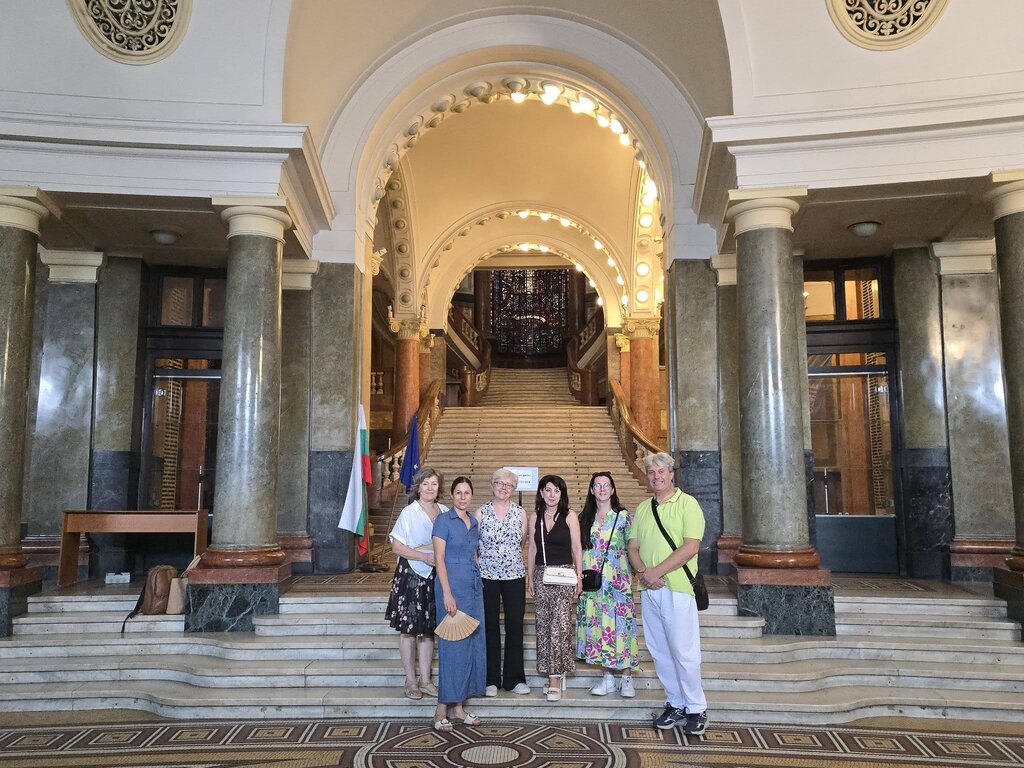
The ABSA team awaits colleagues from around the world.
PHOTO Facebook / ABSA
ABSA Chair Zornitsa Gogan says this year's conference places a stronger emphasis on institutional dialogue. The organisation has 240 members and expects to admit another 40 at its General Assembly on 21 July.
"What sets this year's conference apart is its stronger focus on institutional dialogue. For the first time, we are organising a round-table discussion bringing together representatives of state institutions to explore long-term policies for Bulgarian education abroad. The programme and discussion topics were shaped by a survey conducted among ABSA members when the current Board took office. It was important to us that this conference should reflect the real needs of Bulgarian schools abroad," Ms Gogan told Radio Bulgaria.
Gogan, who heads the Raina Knyaginya Bulgarian Sunday School in Dublin, Ireland, has chaired ABSA's Board for the past year.
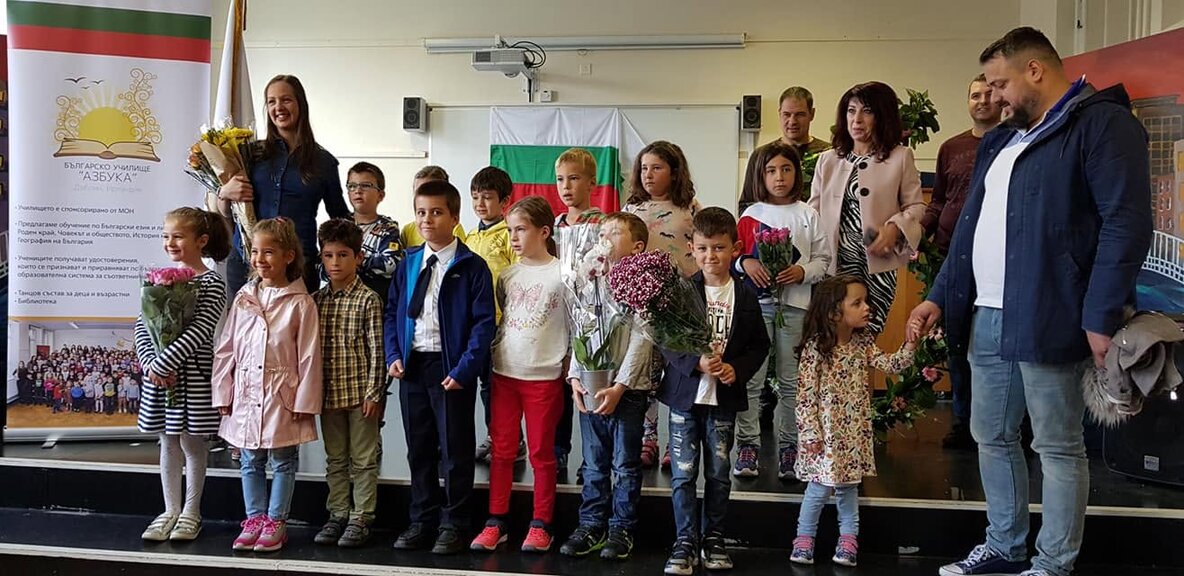
Zornitsa Gogan with pupils from the Raina Knyaginya Bulgarian Sunday School in Dublin, Ireland.
PHOTO Facebook / suzie.gogan
"Our association exists for its members. We will bring the key issues to the table and hope to create a space where institutions and Bulgarian schools abroad can come together to discuss challenges and identify possible solutions."
The conference programme addresses both long-term policy priorities and the quality of teaching.
"The first group of topics in the round-table discussion focuses on state policy and the need for a consistent long-term vision for the development of Bulgarian schools abroad, a sustainable funding model and, accordingly, a genuine partnership between our educational community and the institutions. The second group of topics looks at the place of Bulgarian schools within the international educational landscape. This has long been one of ABSA's key causes – securing recognition for Bulgarian-language education within the education systems of different countries. In this second panel, we will also discuss ways of giving our students more equal access to higher education in Bulgaria. The third major focus is the quality of teaching in our schools and the introduction of the new curricula for Bulgarian as a foreign language."
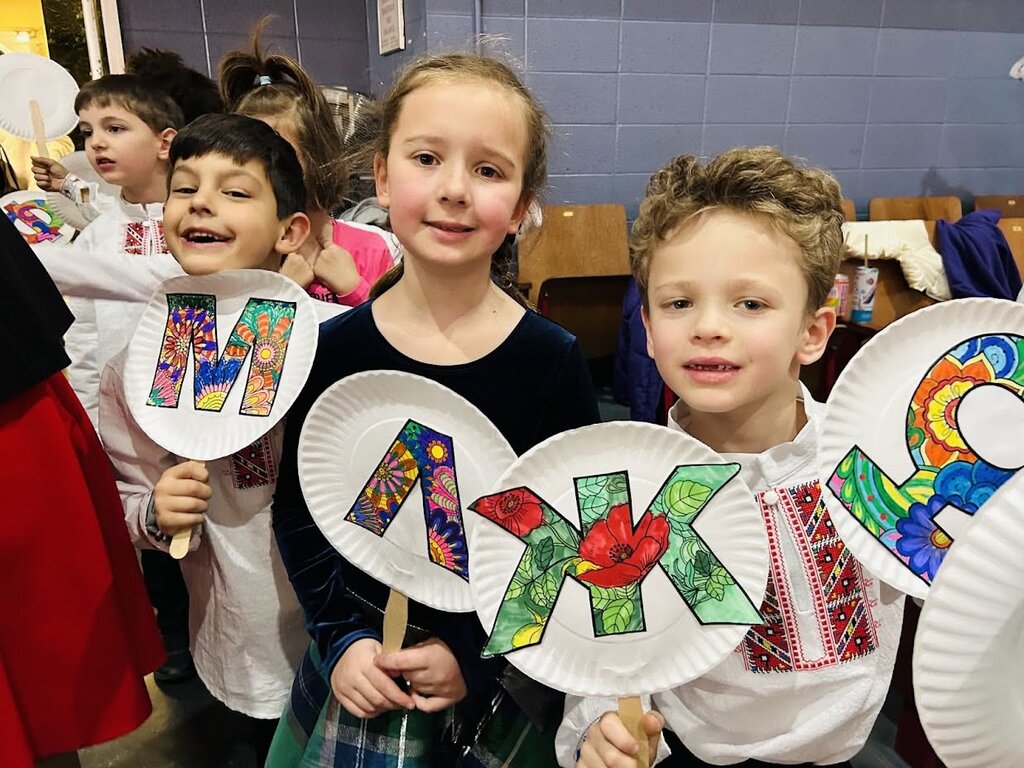
Schoolchildren at a Bulgarian school in New York.
PHOTO Facebook / bulgarianschoolnyc
The continued growth in the number of Bulgarian Sunday schools is driven both by rising demand from families and by practical necessity, Gogan says.
"We can say that in recent years interest in Bulgarian schools abroad has grown significantly. More and more parents realise that their children's command of their mother tongue is not simply a matter of preserving tradition – it is a prerequisite for their linguistic, cognitive and personal development. Our language becomes a bridge between the generation growing up outside Bulgaria and the one living in Bulgaria. Another reason is the need for many more educational centres where children can study Bulgarian. In some countries, parents have to travel two or even three hours to reach a school offering classes in Bulgarian. That, too, is one of the reasons why more Bulgarian schools continue to open abroad."
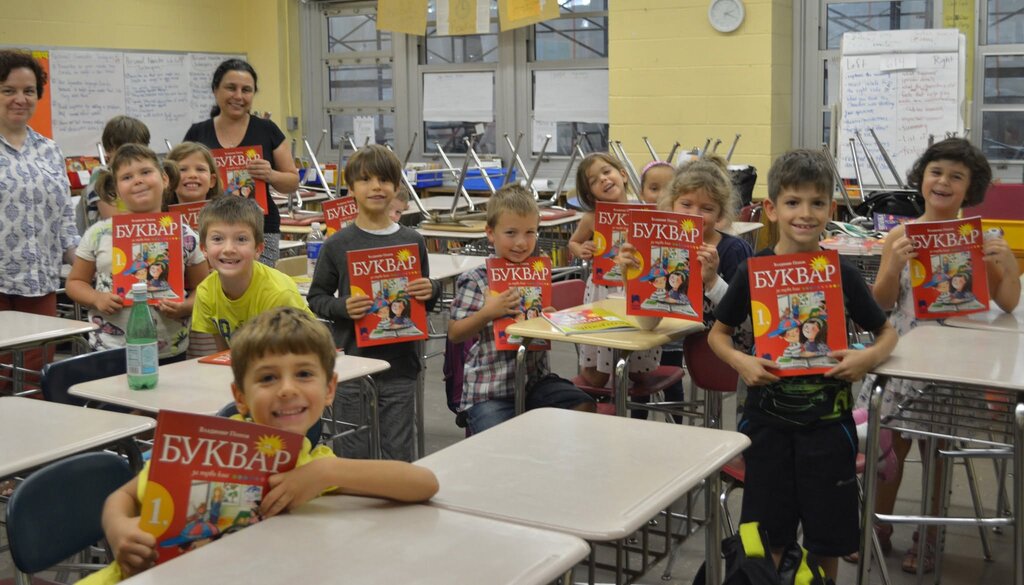
Children holding their Bulgarian primers in the classroom.
PHOTO Facebook / ABSA
Teachers increasingly rely on modern educational resources to keep pupils engaged in the classroom. Different approaches will be presented on the third day of the annual conference, says ABSA Board member Vanya Kotorova, who travelled to Sofia from Budapest, where she heads the Bulgarian Mother Tongue School.
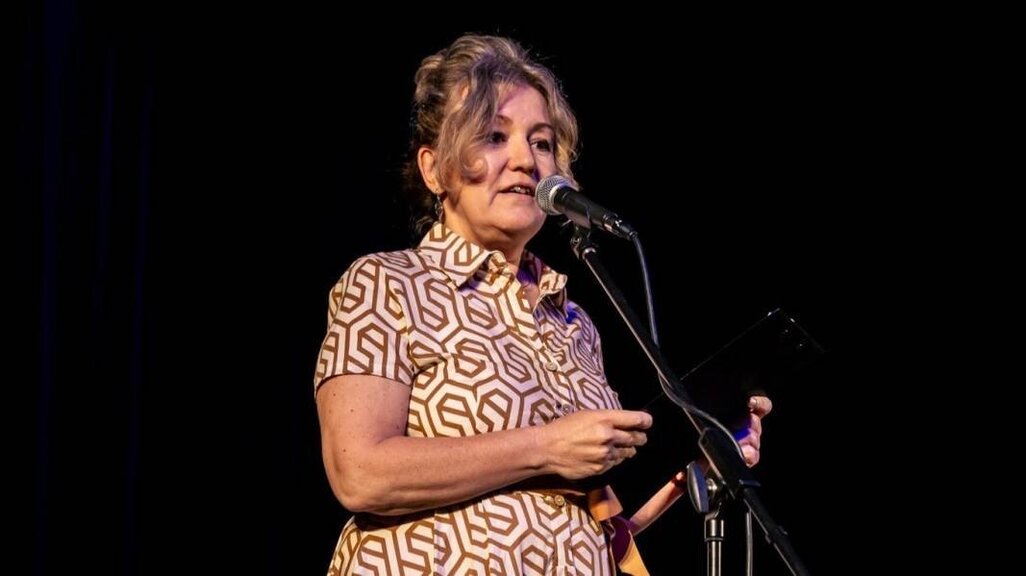
Vanya Kotorova
PHOTO Personal archive
"One of the conference's main objectives is for participants to leave not only with new ideas but also with practical tools they can use in their everyday work. Among the highlights will be the presentation of Rechenitsa, an integrated teaching system for Bulgarian as a foreign language developed by the Department of Bulgarian as a Foreign Language at Sofia University St. Kliment Ohridski. We will also present a programme designed to increase students' motivation to study the Bulgarian language, history, geography and culture, as well as the educational opportunities offered by the Fantastic Minds exhibition, dedicated to outstanding Bulgarian school students in the natural sciences, which will tour Bulgarian schools around the world."
The specific challenges facing Bulgarian schools outside the European Union will also be discussed. Neli Hadjiyska, an ABSA Board member and representative of the Gergana Bulgarian School in New York, points to funding as one of the main issues.
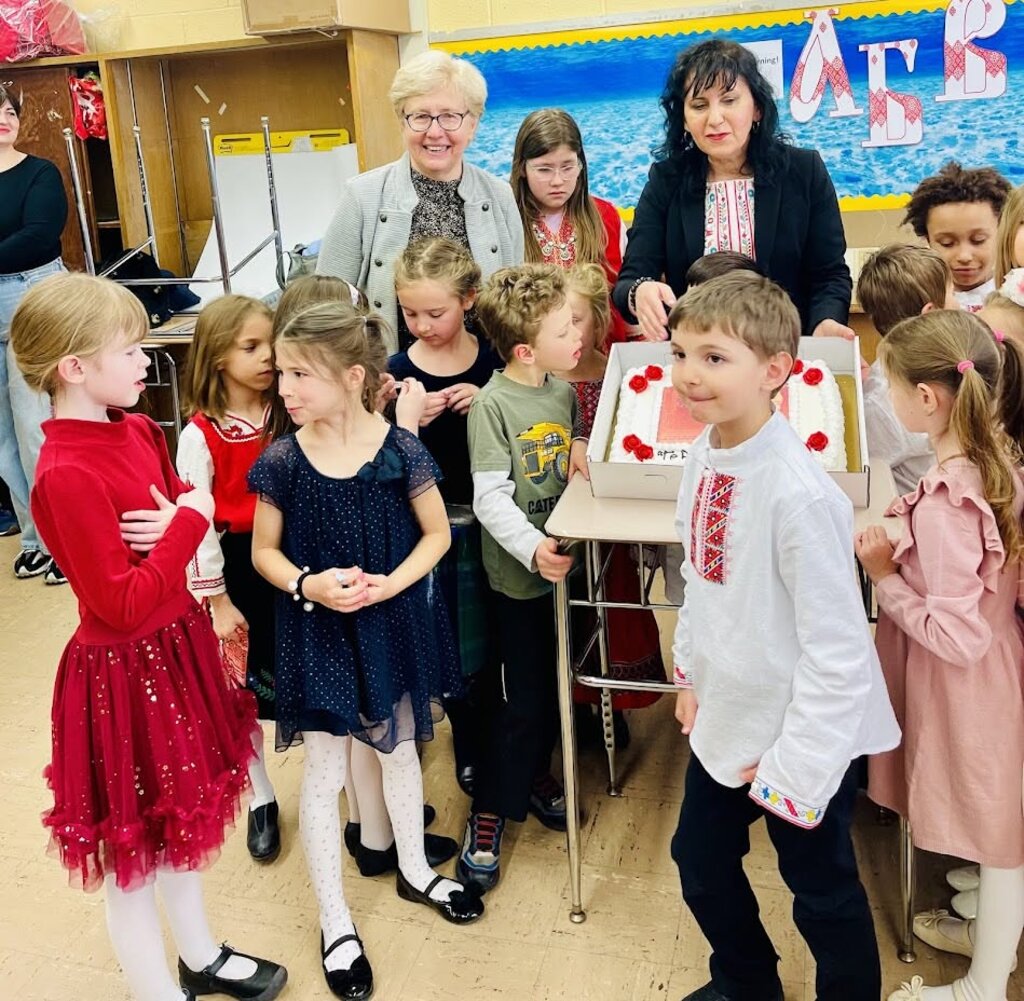
Neli Hadjiyska (back left) with pupils from the Gergana Bulgarian School, New York.
PHOTO Facebook / Neli Hadjiyska
"Thankfully, we receive support from the Ministry of Education and Science. It is as much as the Bulgarian state can afford, but it covers only around 20% of each school's budget. Everything else has to be raised through other means. In our case, that includes sponsors who believe it is important to preserve Bulgarian identity. These are significant challenges, and they are far from minor."
The ABSA conference at Sofia University will be officially opened on 22 July by Bulgarian President Iliana Iotova. Held under the motto "Bulgarian Schools Abroad – A Space for Identity, Culture and Belonging," the event is under the patronage of Minister of Education and Science Georgi Valchev. It reaffirms the role of Bulgarian schools abroad as a professional community that provides not only education but also a sense of belonging in an increasingly globalised world.
This publication was created by: Elizabeth Radkova