


Author
Nedka Lilkova
Article
On the border of hope – the northwestern Bulgarian village of Salash
Tuesday 21 July 2026 16:41
Tuesday, 21 July 2026, 16:41
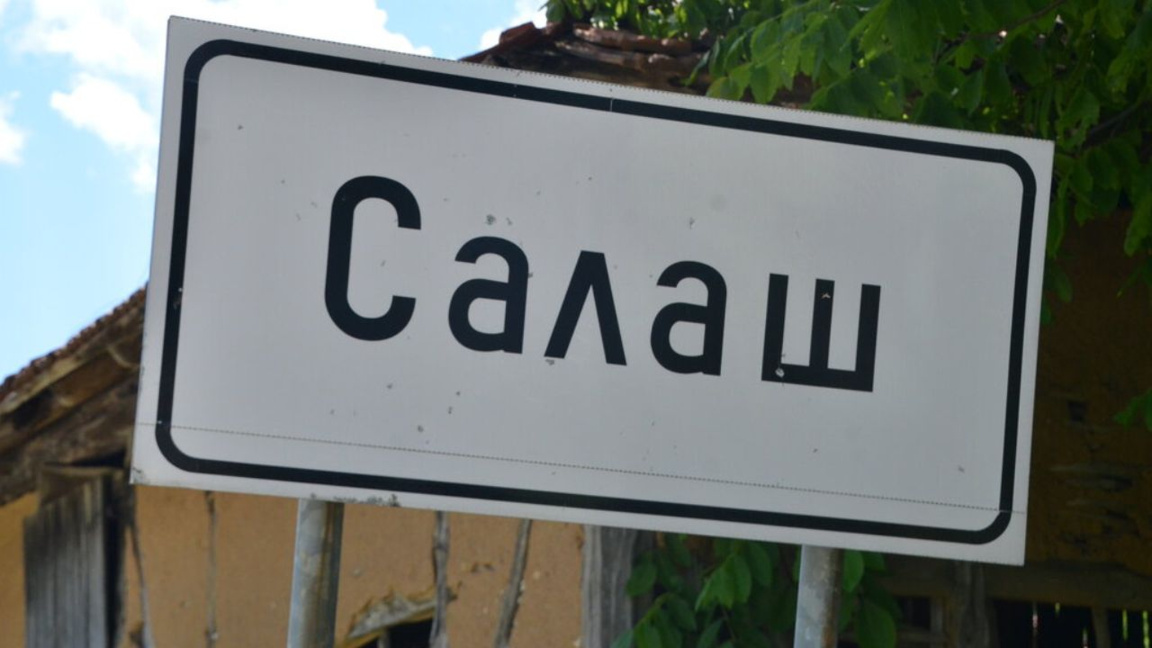
PHOTO BNR
Font size
Salash is a picturesque mountain village in northwestern Bulgaria, in the municipality of Belogradchik, about 3 km east of the border with Serbia. Long ago, all its buildings were light, makeshift structures, which the local people called salashi – giving the village its name.
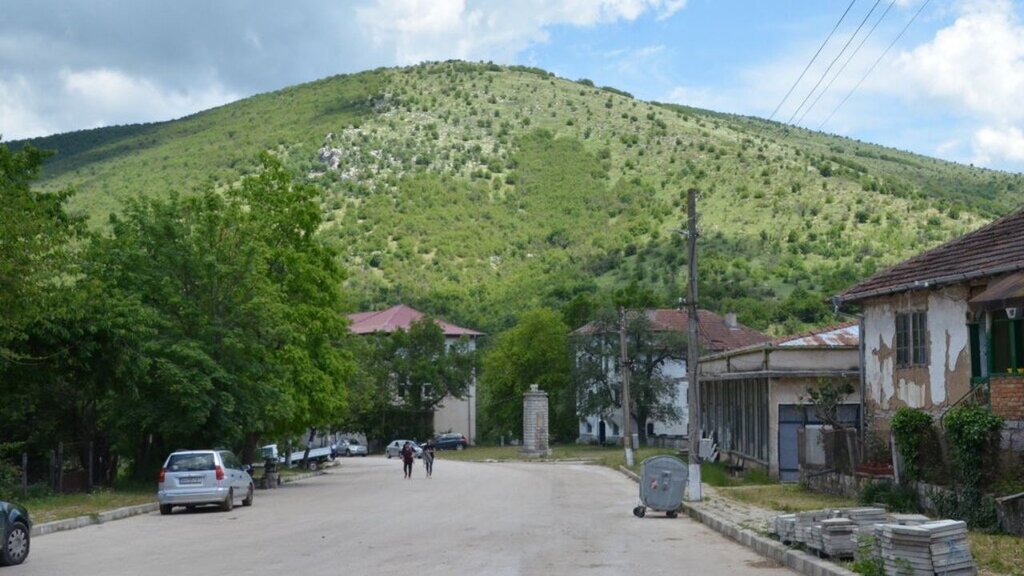
PHOTO BNR
In the village square stands a memorial fountain dedicated to the residents of Salash who lost their lives in the First World War, as well as another monument honouring an army officer who was killed in 1913. The municipal building is particularly striking for its unusual architecture. Built in 1925 to an Italian design, it also housed the village community centre (chitalishte) in the past.
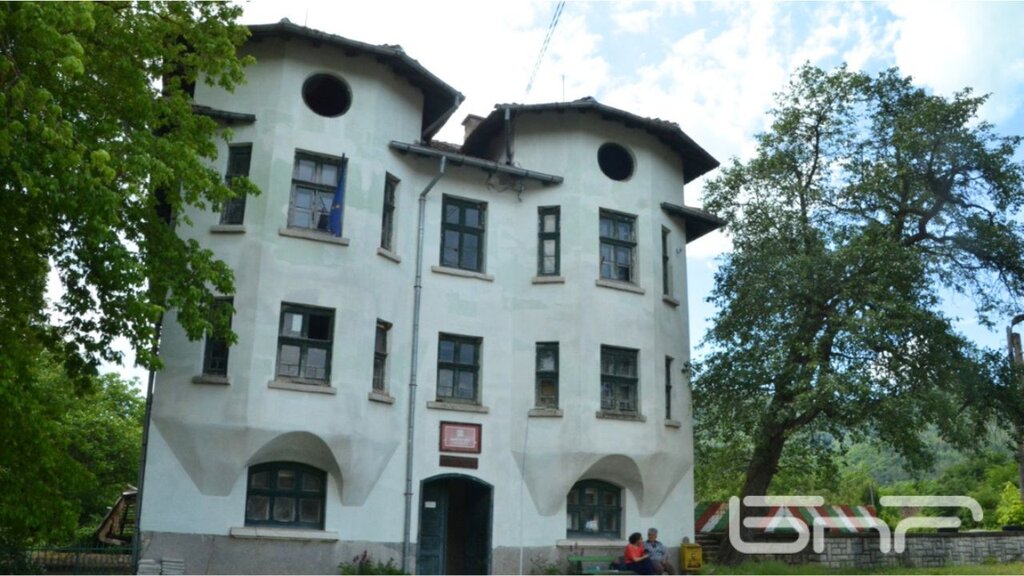
The building of Salash municipality.
PHOTO BNR
Salash Has an Ancient History and a Strategic Location
In Roman times, the Kadă Boaz Pass was part of a route linking the Danube ports with Niš and Western Europe, and the Romans built a road through it. Archaeologists have uncovered the foundations of a Roman road station there. During the Middle Ages, a fortress and the summer residence of Ivan Sratsimir, the Tsar of Vidin, stood near Salash. The earliest written records of a settlement in the area around the pass date back to 1455.
Today, the village has just 115 permanent residents. In 1934, however, its population stood at 1,460, and Salash enjoyed a thriving economic and cultural life. Thanks to the teacher and musician Todor Kruchkov, the village maintained both church and secular choirs, as well as a large brass band, for many years.
Agriculture is not highly developed, and according to local people, potatoes and water onions grow best here. A residential care home for elderly people with dementia provides employment for 15 local residents, who look after 35 patients. The village also has a small shop, open for only a few hours each day, as BNR Vidin reporter Nedka Lilkova explains in her report.
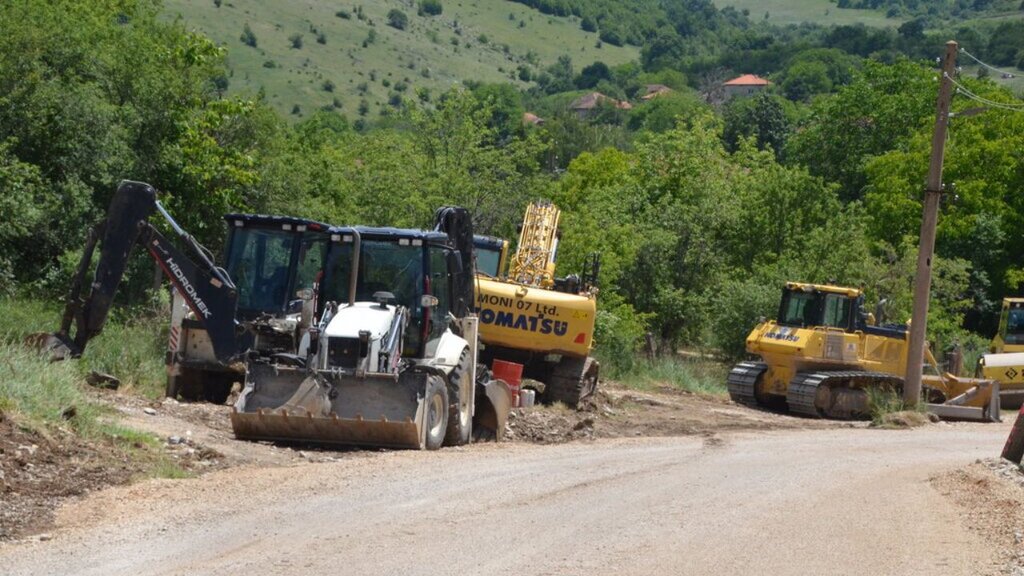
PHOTO BNR
A new road is currently being built from the village to the Serbian border. It will provide access to the site where Bulgarians and Serbs gather every year for the Balkans' largest cross-border festival at the Kadă Boaz Pass. This year, on 19 July, the border ribbon was ceremonially cut for the 101st time, allowing visitors to cross freely into neighbouring Serbia for several hours, while Serbian guests were able to visit Bulgaria.
The new Salash–Novo Korito border crossing is also expected to be built there. It is considered strategically important for the region, providing a more direct route from the Black Sea to Central Europe, easing pressure on other border crossings, and giving a strong boost to tourism and economic ties in northwestern Bulgaria. Nearly EUR 7.5 million has been allocated for the project, which is expected to be completed by 2028.
Once the border crossing is completed, the people of Salash will once again have easy access to relatives who remained on what is now Serbian territory after the division of the region under the 1919 Treaty of Neuilly.
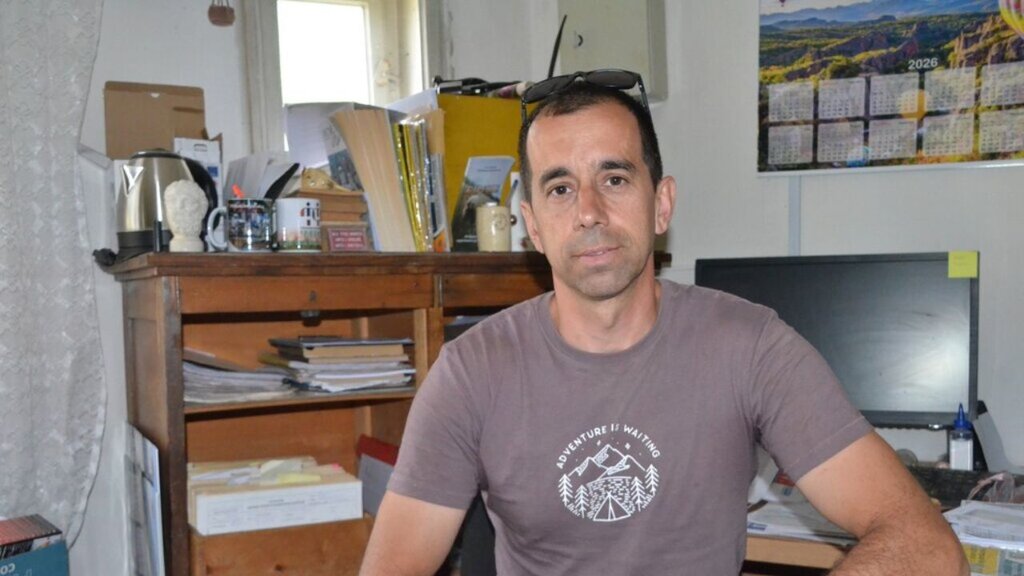
Georgi Nikitov
PHOTO BNR
For everything that matters in their daily lives, the people of Salash rely on Georgi Nikitov, the village's mayoral representative. Now serving his first term, he is deeply committed to helping the local community:
"We clean the riverbeds ourselves, we keep the cemetery tidy, I mow the grass and the people help me," says Georgi Nikitov. "You could say we're a close-knit community. There are young people too who readily lend a hand for the good of the village... It's heartening to see such support and community spirit."
Twice a week, a bus serves the village, allowing residents to travel to the nearby town of Belogradchik if they need to. Otherwise, they rely on their own cars or on relatives for transport.
How is healthcare organised in a village where most of the residents are elderly?
"Every Tuesday a mobile pharmacy visits the village, and once a month medical teams come to carry out free preventive check-ups, which is a great help for the elderly."
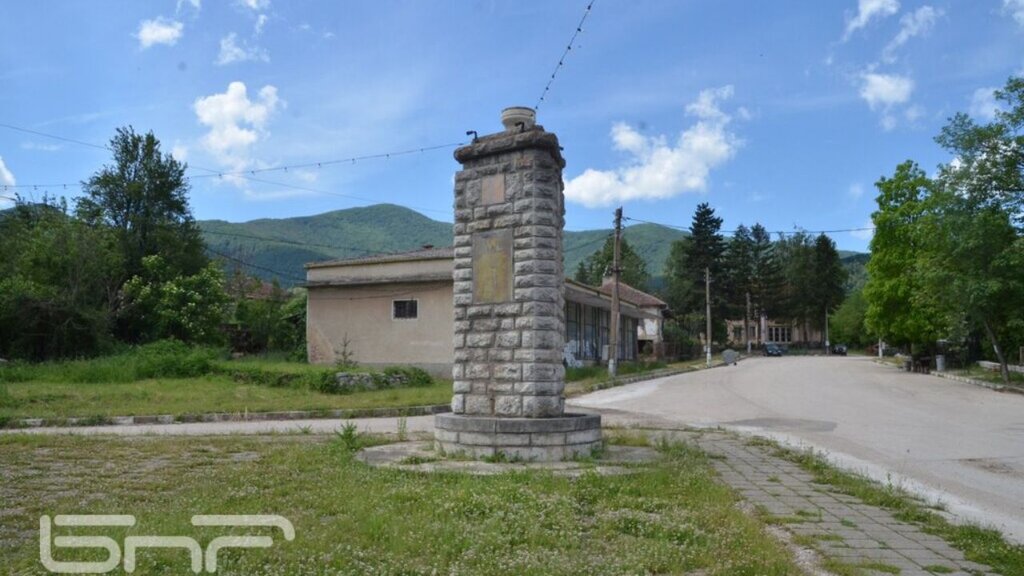
PHOTO БНР
The village's location beneath the slopes of the western Balkan Mountains means wild animals are frequent visitors.
"Jackals and foxes pass through the village at night, especially in winter when food becomes scarce. We haven't seen any bears, although one of the hunters said he had spotted tracks somewhere high up in the forest," says Georgi Nikitov, adding that the village also has a local hunting association with 10 to 15 members.
The pride of Salash is its Razvitie 1896 Community Centre (chitalishte). It is currently home to the Rodni Zvutsi folk singing group, which preserves the village's distinctive dialect and folklore. Daniela Ivanova, the community centre's secretary, says:
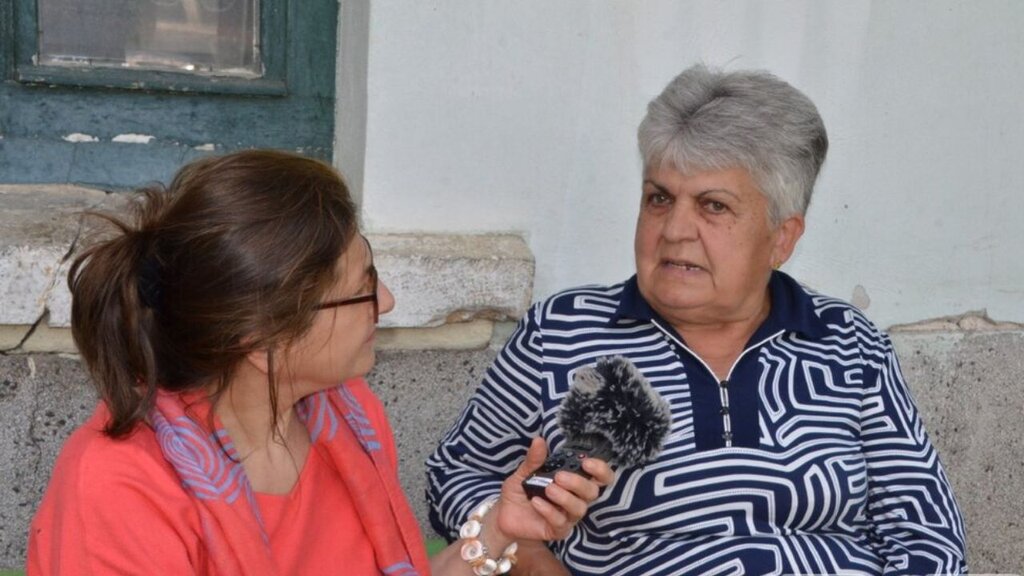
Daniela Ivanova
PHOTO BNR
"I've been working at the community centre since 1983. In the early years it also housed a kindergarten with seventeen children. There was a combined class for pupils from Year 1 to Year 4. We celebrated every holiday, organised traditional sedyankas (evening communal gatherings), and to this day we continue to prepare kurbans for health and a good harvest throughout the farming year."
The Orthodox church in Salash is dedicated to the Dormition of the Most Holy Mother of God, and local people do their best to maintain it through voluntary work. Their prayers are for good health and for young people to return to this picturesque corner of Bulgaria.
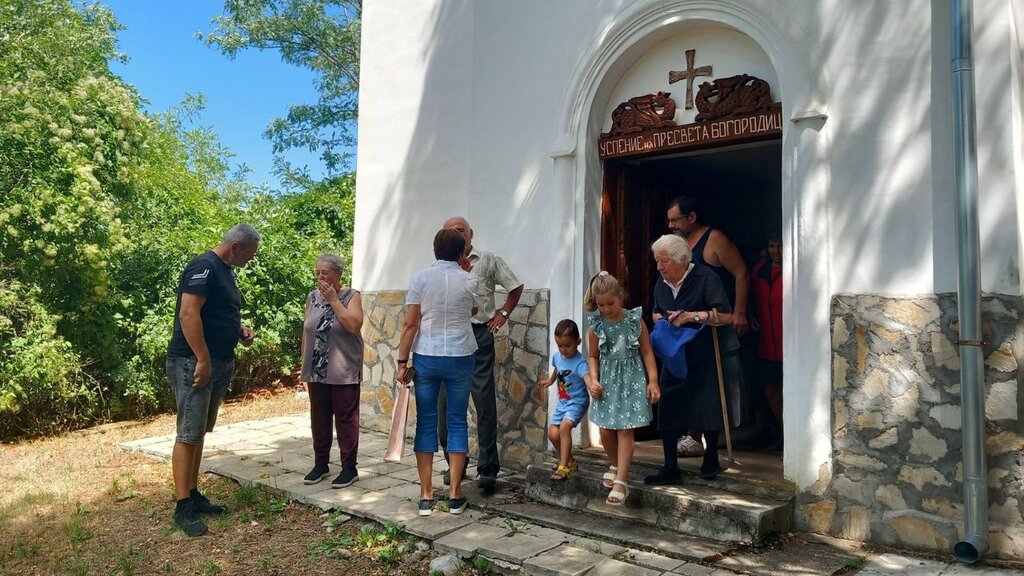
PHOTO Facebook / Belogradchik Municipality
"This is my birthplace and I care deeply about my village. I'm trying to do something new, to make our village better known. I want people to live better, and I'm doing everything I can to encourage more young people to come back, even if it's only for the summer... At the moment one young family lives here, and I hope that trend will continue to grow. It's difficult, because not everyone can work online," says Georgi Nikitov, the village's mayoral representative.
Editor: Yoan Kolev
Supervising editor: Elena Karkalanova
This publication was created by: Elizabeth Radkova