


Author
Tsvetana Toncheva
News
Highlights of Bulgarian musical culture
"Dilmano, dilbero" - the humorous love joke of Bulgarians from Shopluk region
Friday 24 July 2026 15:30
Friday, 24 July 2026, 15:30
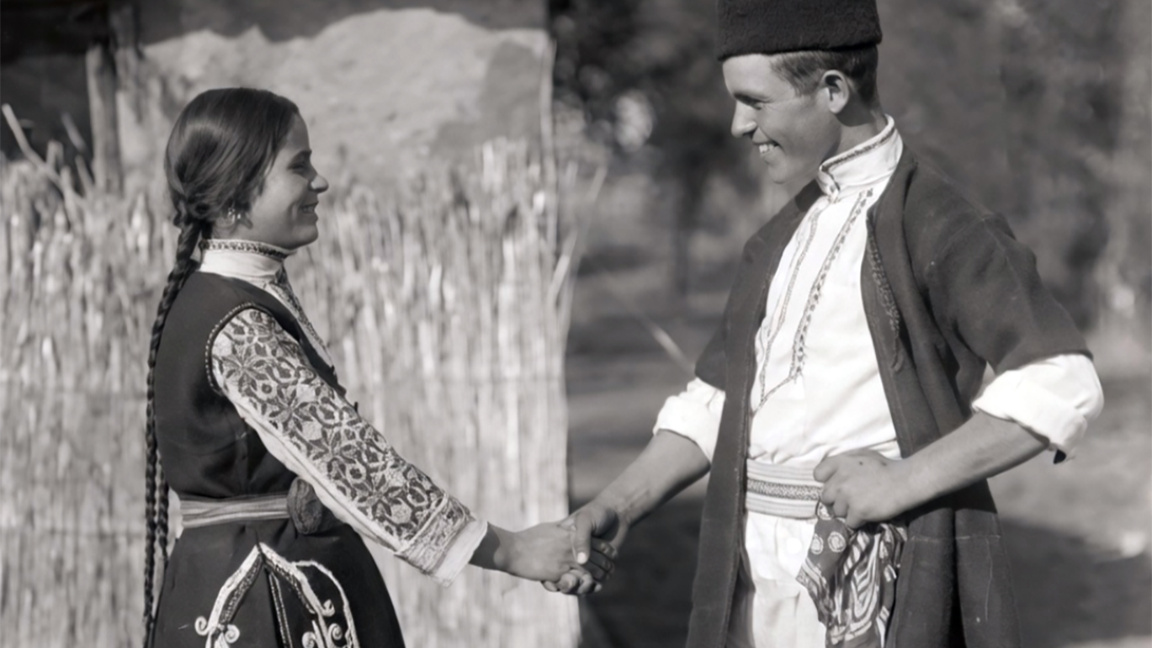
PHOTO library
Font size
Decades ago, there was an anecdote in Bulgaria that the State Folk
Song and Dance Ensemble (today the Philip Koutev National Folklore
Ensemble) would probably no longer be allowed to tour the world. When
asked why, the answer was "they have given out a state secret:
how to plant pepper". The reason was the enormous popularity of
the humorous song from Shopluk region "Dilmano, dilbero",
which became a real hit in the choir version of the Ensemble's
repertoire. The original was part of the traditional wedding ritual
and was performed during the wedding night, and "planting
pepper" is a metaphor for what should happen between the
newlyweds. "How to Plant Pepper" is an ancient Bulgarian
ritual dance with an erotic character, imitating the agricultural
process of planting. In this traditional spring-summer and wedding
ritual, the love act is recreated through movements and singing.
Performed by men as part of the folklore wedding customs, in folk
beliefs it is not just a demonstration, but a specific magical rite
for health, fertility and the continuation of the family.
The
folk song first became famous from the performance of singer Vasilka
Petkova, born in 1923 in the village of Yarlovtsi (today a quarter of
the town of Dragoman), right next to the western border of Bulgaria.
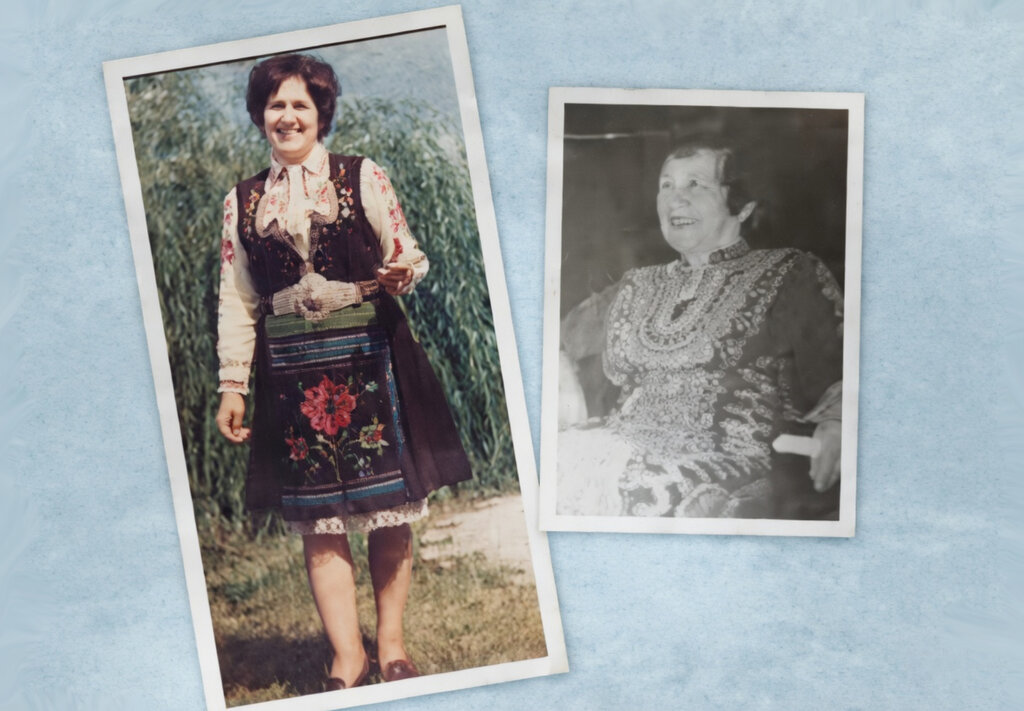
Vasilka Petkova (1923 – 2014)
PHOTO archive
In the 1950s, the song was noticed by Ivan Kavaldzhiev (1891 – 1959) – a folklore researcher, leader of folk music ensembles, conductor and composer. In 1951, together with Philip Koutev and Margarita Dikova, Kavaldzhiev was among the founders of the State Folk Song and Dance Ensemble. In her memoir book Maria Kouteva recalls:
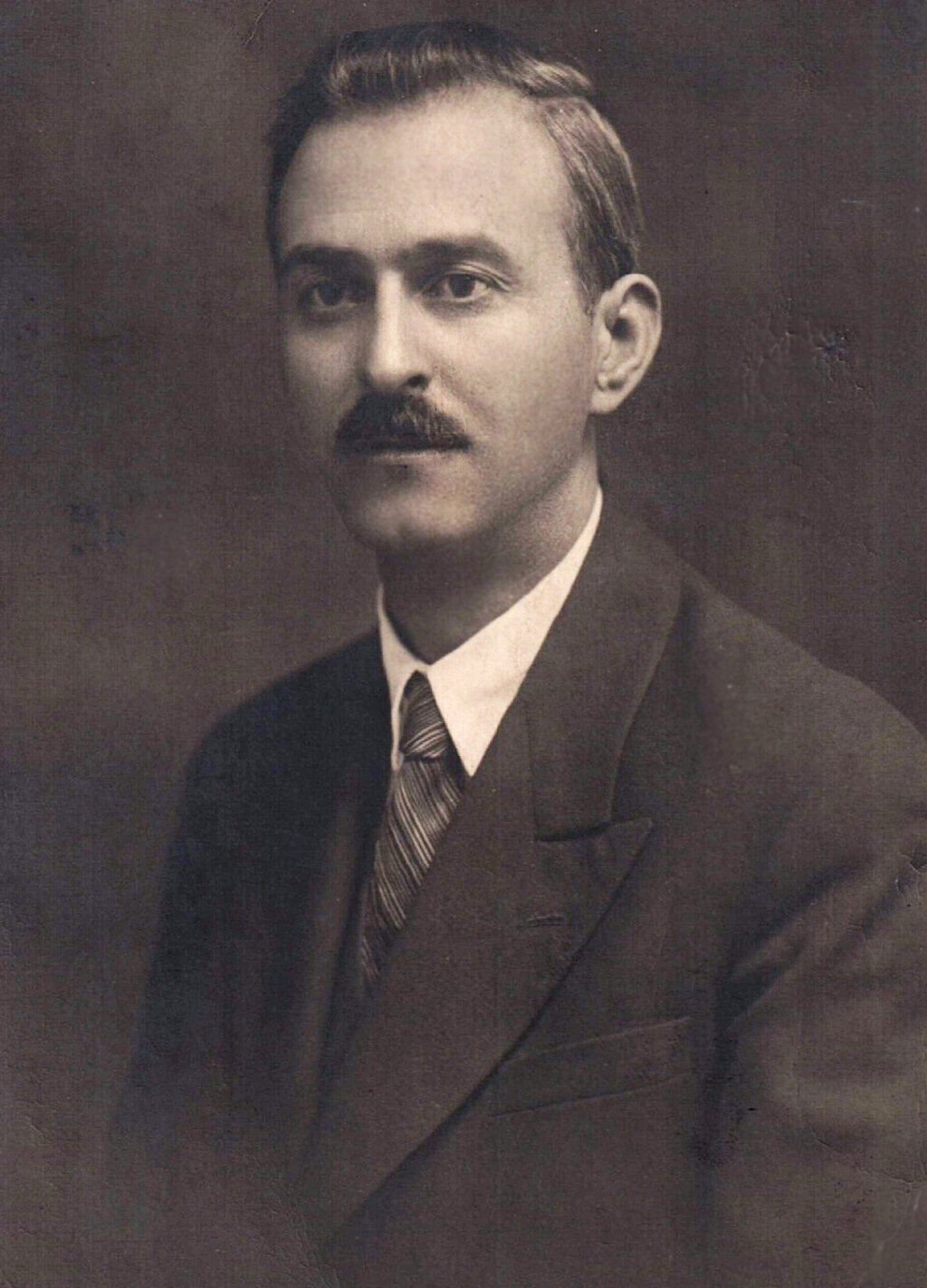
Ivan Kavaldzhiev (1891 – 1959)
PHOTO Archives State Agency
"The conductor of the orchestra was Ivan Kavaldzhiev. He had worked with small groups, including Rosna Kitka at Radio Sofia. A practitioner. He only completed primary education, but with great experience in communicating with folk performers while he worked, he dealt with all these musicians in his own direct and sympathetic way - each with their own habits and views. During this time he also wrote some things for the repertoire: music for Svatbarska rachenitsa, the song Dilmano, Dilbero for choir and orchestra, which still does not leave the stage..."
From
the middle of the last century to the present day, the question of
the meaning of the words in the title "Dilmano, dilbero"
has often been asked. It is believed that the first Bulgarian scholar
to find an acceptable explanation for the expression "Dilmano,
dilbero" was Desislava Petkova. In her thesis on Indology,
published in 2009, Petkova explained that in Hindi, Dilmana means
friend, and dilbera - beloved. Colleagues of the researcher claim
that in fact in Hindi, dil mānnā is "tendent to satisfy
desires", and dil-bar is indeed "beloved".
If
Desislava Petkova's translation from Hindi is reliable, it is
certainly as close as possible to the meaning of the expression
"Dilmano, dilbero" in the Bulgarian song. And the text
becomes more than understandable: "My beloved, inclined to
satisfy my desires, tell me how to... plant the pepper!".
Cheerful
and passionate, "Dilmano, dilbero" inspired many Bulgarian
composers, including the great Pancho Vladigerov. But the most
beloved and performed eternal hit remains the acappella version by
Krasimir Kyurkchiyski.